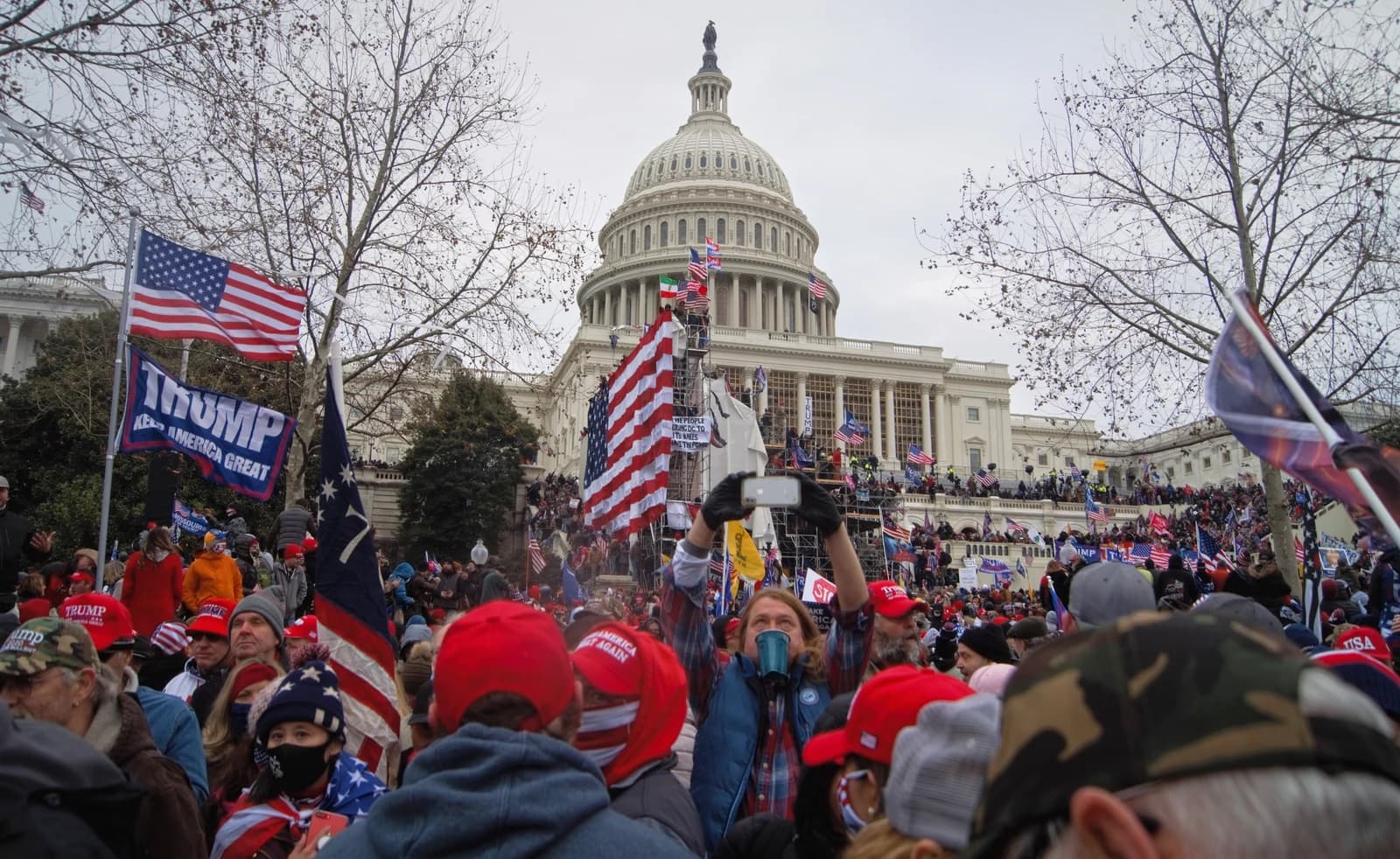
The White House is set for a tougher fight with Capitol Hill after the midterm vote, with Democrats widely seen as the likeliest winners of the House and Republicans favored to keep the Senate, a split that would raise the odds of budget standoffs, sharper oversight and slower policymaking in Washington.
US midterm split could raise shutdown risk
Congressional Gridlock
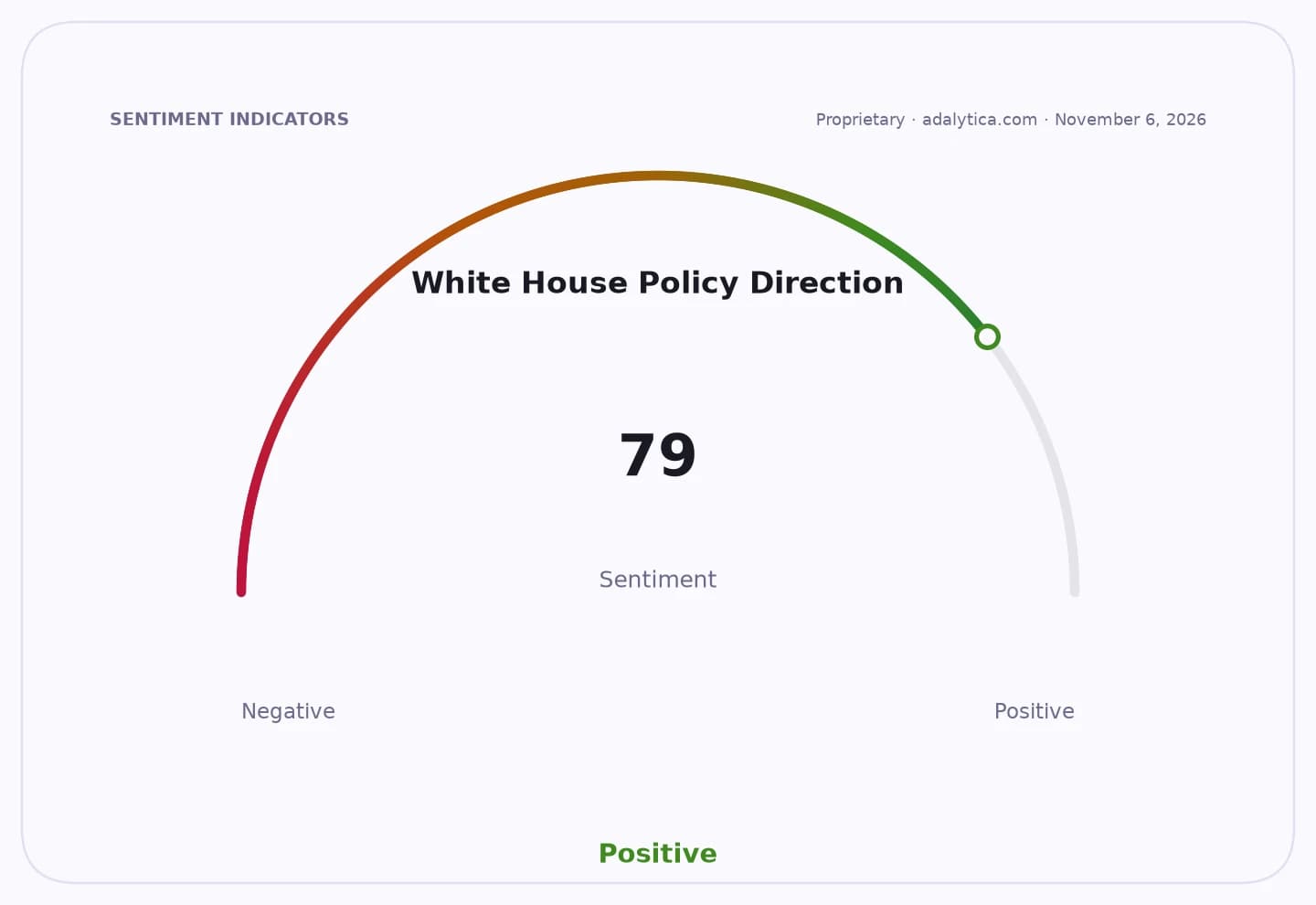
That matters because the election is shaping up as a referendum on inflation, living costs, immigration and Donald Trump’s policy agenda, not just party control. Analysts quoted in the source material said voters are judging the administration on the gap between headline growth and everyday conditions, with housing, health care and prices still weighing on household sentiment even as the labor market and output remain solid.
Sentiment Indicators
A divided Congress would not just complicate legislation. It would increase the risk of temporary government shutdowns if House Democrats use spending leverage against the White House, while also boosting the number of hearings, document demands and legal challenges aimed at executive actions on tariffs, immigration, health care and defense spending.
For markets, the key implication is policy inertia rather than a clean shift in direction. Tariffs are unlikely to be rolled back quickly even if Democrats take the House, because any meaningful change would still need Senate support and could face a presidential veto, leaving trade policy as a bargaining chip rather than a settled framework.
That helps explain why investors are watching the race through the lens of growth, rates and risk appetite. The S&P 500 ETF, SPY, fell to $733 on Nov. 5 from $766.81 the day before, with volume jumping to 125.3 million shares and the 14-day RSI slipping to 35.5, a sign of renewed pressure after a sharp election-week swing. The 10-year Treasury yield was near 4.89% to 4.95% in the latest readings, keeping borrowing costs elevated.
The bigger macro backdrop is still one of solid output and cooling labor conditions. US GDP was running at an annualized $33.01 trillion in the latest July reading, while unemployment stood at 4.2% in September and was forecast at 4.09% in October, suggesting a resilient economy that has not fully translated into consumer comfort.
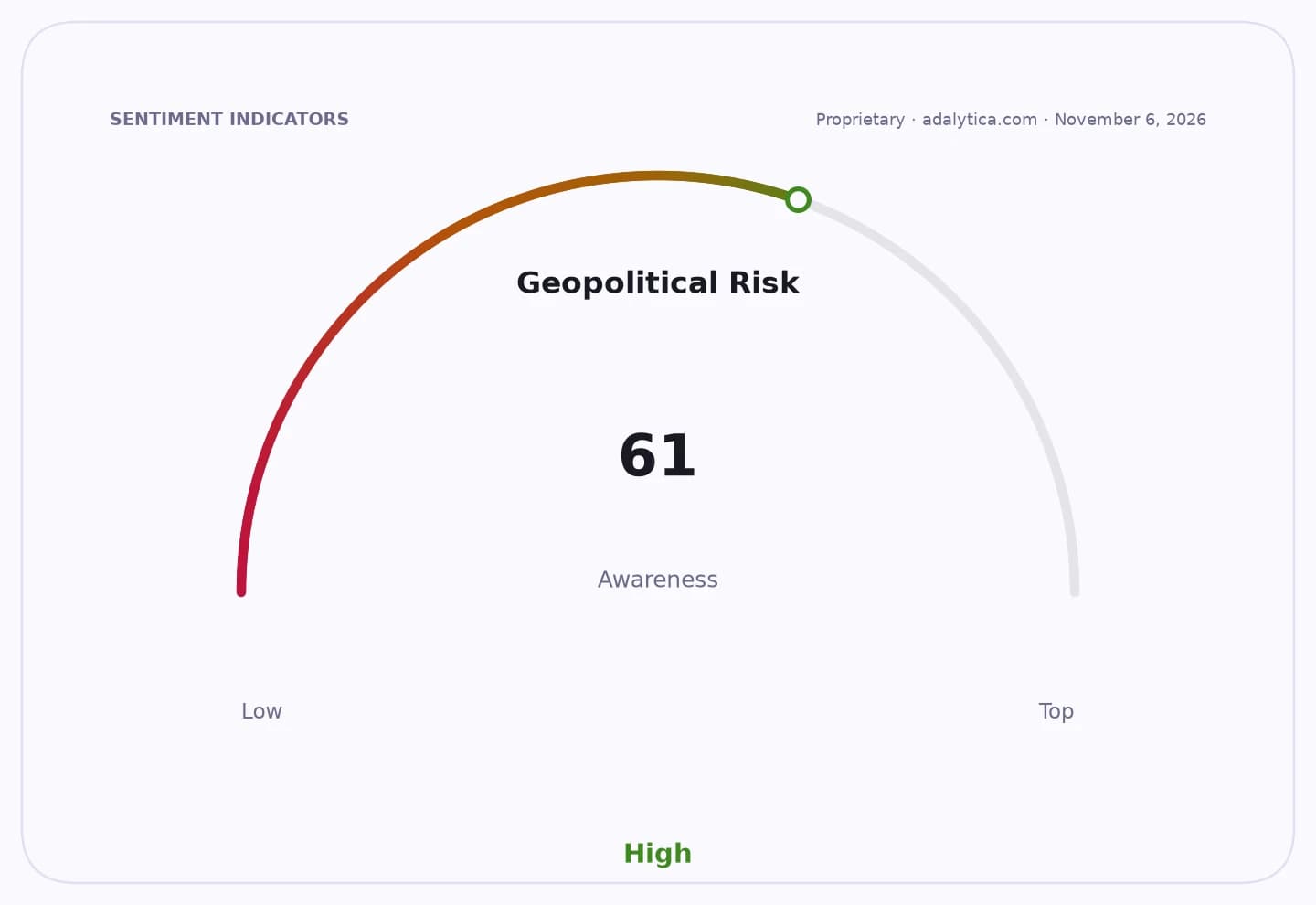
A Democratic House would also likely intensify scrutiny of Trump’s foreign policy, especially on China, the Middle East and relations with allies. The source material said Beijing would prefer a softer congressional check on Trump, while Washington’s next phase of policymaking is expected to center on China, energy security tied to Middle East and Russia-Ukraine tensions, and efforts to shore up alliances.
Bond and dollar traders are already signaling caution around Washington. TLT, the iShares 20+ Year Treasury Bond ETF, has stabilized around $81.93 after recovering from a late-October trough, while the dollar snapshot from Adalytica.com shows extreme fear in USD trade signals, suggesting investors are pricing in policy volatility rather than clarity.
The likely market read-through is straightforward: more gridlock may restrain big fiscal shifts, but it also raises the odds of headline-driven volatility on shutdown risk, trade policy and investigations. The next catalyst is the final House and Senate result, which will determine whether Washington moves toward confrontation or another round of forced compromise.
| Entity | Gains | Losses |
|---|---|---|
| Democrats | ▲House leverage | ▼Senate control |
| Republicans/White House | ▲Policy continuity | ▼Legislative flexibility |
| Investors in Treasuries | ▲Safe-haven demand | ▼Policy clarity |
| Exporters/China | ▲Softer tariff pressure | ▼Predictable trade policy |