Donald Trump’s reaction to the emerging election results underscores the real market-moving development: Democrats are on course to control both chambers of Congress, setting up a sharper check on the president’s agenda and a wave of oversight that could reshape policy expectations in Washington.
Democrats Likely to Control Congress After Vote
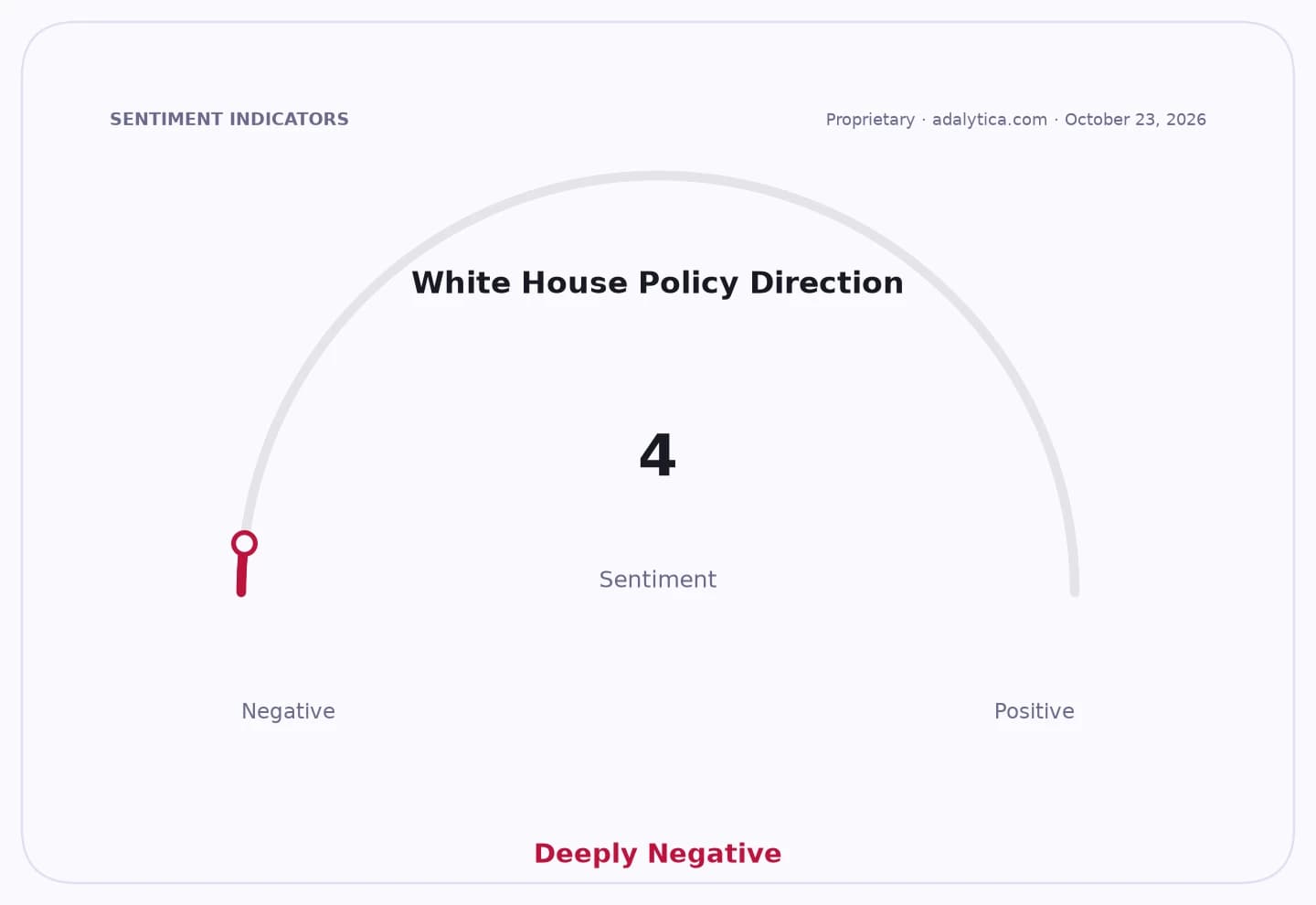
White House Policy Direction
That matters economically because a divided or opposition-controlled Congress can slow the White House on taxes, tariffs, spending and regulation — the levers that move profits, inflation and risk appetite. It also matters because Trump’s admission that he was “not on the ballot” is an implicit acknowledgement that voters were reacting to the cost of living and to his administration’s policy mix, including its posture on global conflicts. In other words, this was not just a political rebuke; it was a signal that the policy runway for the administration just got shorter.
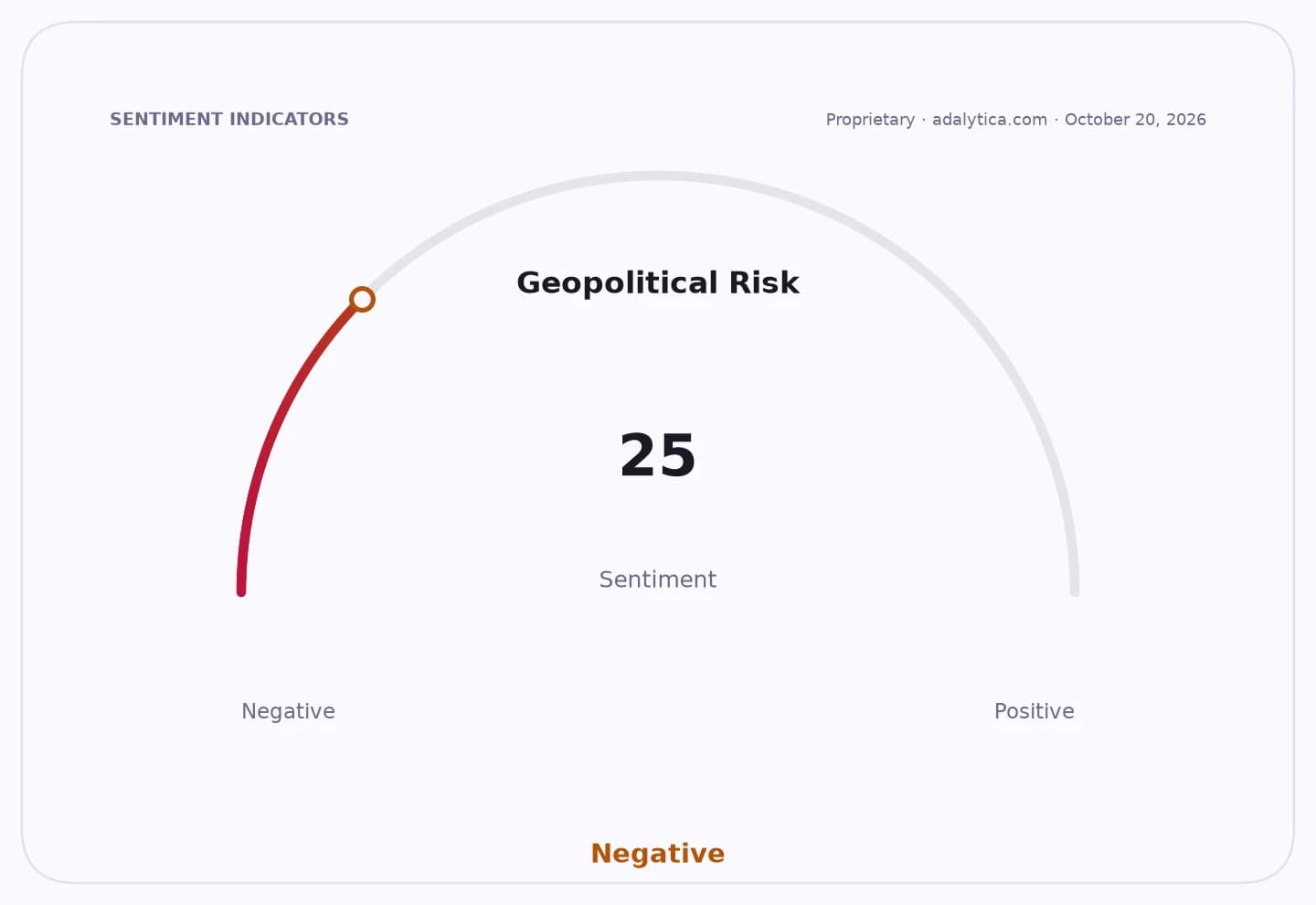
Sentiment Indicators
For investors, the immediate issue is not ideology but execution. A Democratic Congress would likely bring more hearings, more investigations and more friction around the administration’s economic priorities. That could limit the odds of sweeping fiscal changes, complicate tariff-driven trade policy and increase the noise around sectors sensitive to Washington — from defense and energy to banks, healthcare and big tech. The bigger takeaway is that policy volatility is likely to stay elevated, and markets generally price uncertainty poorly.
The message from the vote is that the market underestimates how quickly political constraints can alter the profit outlook for the next two years. Trump’s response suggested he intends to pivot toward dealmaking, but a Democratic majority means the most aggressive versions of his agenda now face real legislative resistance. That creates a more selective investing environment: beneficiaries are likely to be companies tied to stability, domestic demand and infrastructure spending, while the losers are those most exposed to regulatory shocks or tariff escalation.
The comparison with past midterm swings is clear: when Washington tilts toward gridlock, the market usually rewards predictability and punishes policy-sensitive narratives. If Democrats follow through with audits and investigations, investors should expect headlines, subpoenas and messaging risk to become a feature of the tape. This is the kind of backdrop that favors quality balance sheets, pricing power and businesses with low political beta. Position for less policy tailwind, more oversight, and a tougher path for the Trump trade.
| Entity | Gains | Losses |
|---|---|---|
| Democrats | ▲Agenda control | ▼— |
| Trump White House | ▲Deal-making leverage | ▼Policy momentum |
| Gridlocked sectors | ▲Predictability | ▼Less certainty on taxes/tariffs |
| Policy-sensitive stocks | ▲— | ▼More scrutiny and volatility |