Trump’s refusal to rule out using the Insurrection Act before the election is the clearest sign yet that the campaign is moving from politics into constitutional risk — and that matters for markets because investors hate outcomes that are harder to price than recession. With U.S. confidence in a free and fair vote slipping below 50%, the White House is effectively putting the legitimacy of the vote itself in play just as the dollar weakens, Treasury yields hover near 5.3%, and defense shares swing on a fresh geopolitical premium.
Trump Insurrection Act Comments Raise Market Volatility
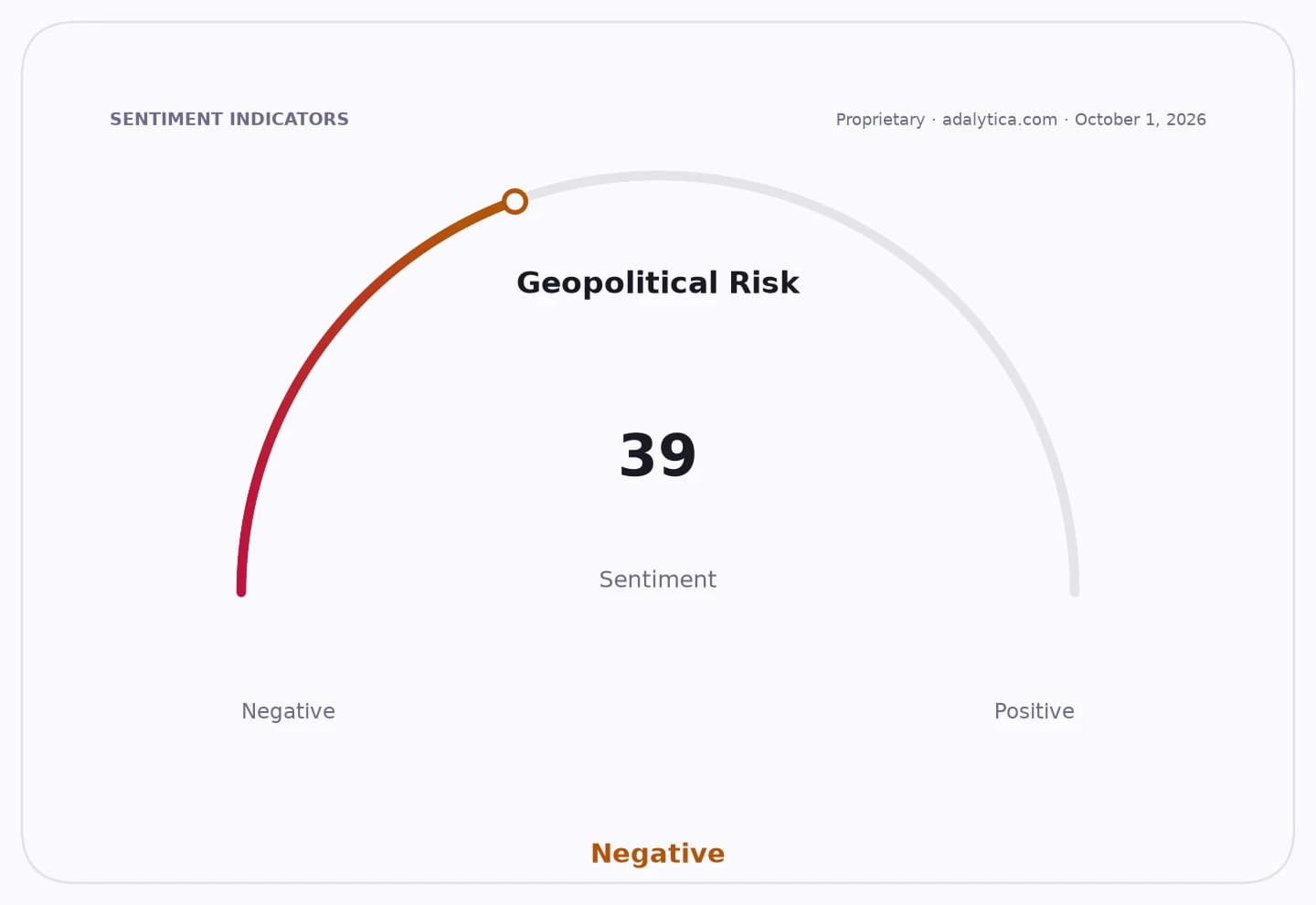
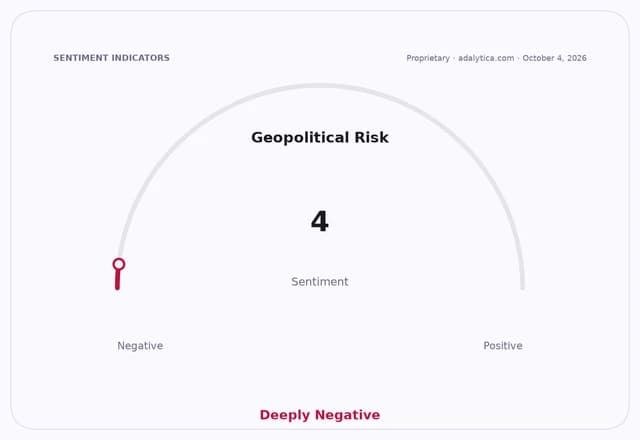
The economic damage from that kind of uncertainty is not abstract. Elections that look contested can slow corporate decision-making, widen risk premiums and push capital toward cash, defense, and other perceived havens. Adalytica’s Global Stability Sentiment has collapsed to 4, or “Extreme Fear,” while the U.S. dollar trade signal is also in fear territory, underscoring how quickly political instability can spill into asset pricing. For global investors, that is the real story: Washington is no longer just a policy driver, it is itself a source of volatility.
Sentiment IndicatorsⓘProprietary · adalytica.com · October 4, 2026
This is a snapshot — live sentiment, awareness and momentum for 130+ markets update continuously in the dashboard.Open AlphaPulse
Trump’s comments to TIME, in which he said he was not ruling anything out and specifically raised the Insurrection Act of 1807, sharpen fears he may try to use emergency powers to influence voting or the post-election environment. Legal experts say the Constitution leaves election administration to the states and Congress, while federal law bars armed forces and federal agents from polling places. That makes any move toward military involvement not just explosive politically, but legally vulnerable — and likely to trigger immediate court challenges and state-level resistance.
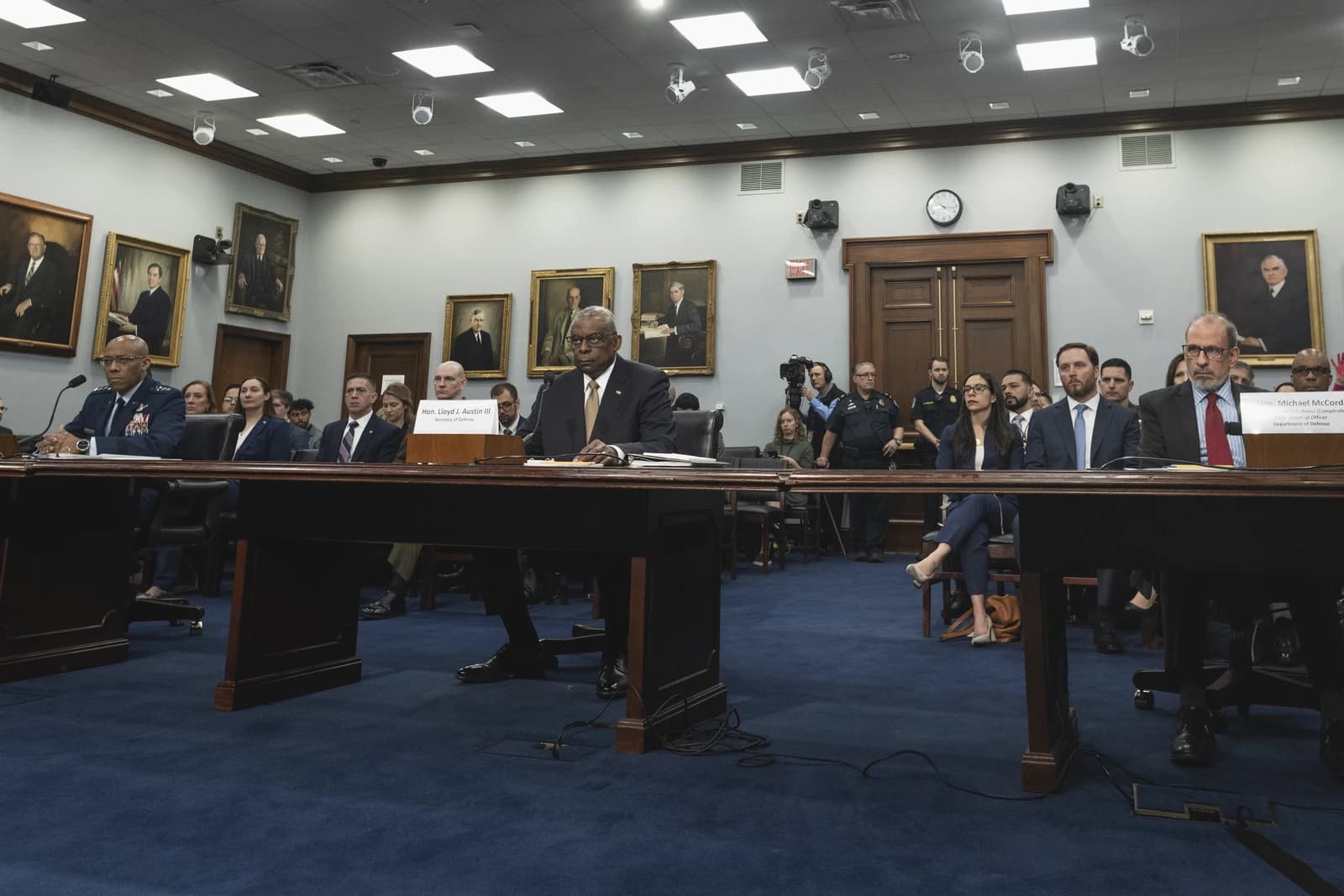
The market implications are already visible in the defense complex. Lockheed Martin, Northrop Grumman and RTX have all been trading like geopolitical barometers, but the pattern is uneven: RTX is down to $184.68 from an August peak above $225, while Northrop has slumped to $478 from nearly $762 in March and is trading well below both its 50-day and 200-day moving averages. Lockheed has also rolled over, sitting at $505.41, below its 50-day and 200-day averages. The message is not that defense is broken; it is that the market is still struggling to separate temporary positioning from the next real catalyst.
Geopolitical Risk — 30-day sentimentadalytica.com
Explore this data interactively — full history, time series and cross-market comparisons.Open AlphaPulse
I believe that is exactly where the opportunity lies. The market underestimates how much a contested election, or even the threat of one, can accelerate demand for domestic security, surveillance, border-control, communications and military logistics. If Washington keeps weaponizing uncertainty, defense primes are not the only beneficiaries; the better asymmetry may sit in the picks-and-shovels of homeland security and critical infrastructure protection, where spending can rise without the same valuation baggage.
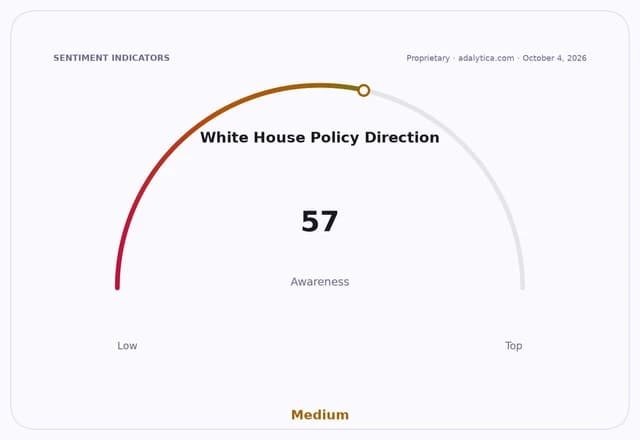
At the same time, the broader macro backdrop makes the situation more dangerous. Trump is already battling a record low approval trajectory near 31%, rising prices and the political cost of an expensive war. That combination raises the odds that he leans harder on nationalist, emergency-style messaging to mobilize supporters. For investors, that means higher volatility into the vote, fatter tail risk around the transition, and a greater chance that safe-haven flows remain bid even if headline macro data do not worsen.
The next catalyst is obvious: court fights, state election preparations and any further federal signaling around polling places or emergency powers. Traders should not wait for the first legal challenge to position. In a market where geopolitical fear is already flashing red, the investable takeaway is simple: own resilience, not complacency, and treat defense, homeland security and crisis-protection infrastructure as the assets most likely to benefit if Washington’s election drama gets uglier from here.
| Entity | Gains | Losses |
|---|---|---|
| Defense contractors | ▲Higher security demand | ▼Valuation volatility |
| Homeland security names | ▲New funding tailwind | ▼Political backlash risk |
| States and local election officials | ▲More legal leverage | ▼Federal pressure |
| Risk assets | ▲— | ▼Higher volatility and premiums |