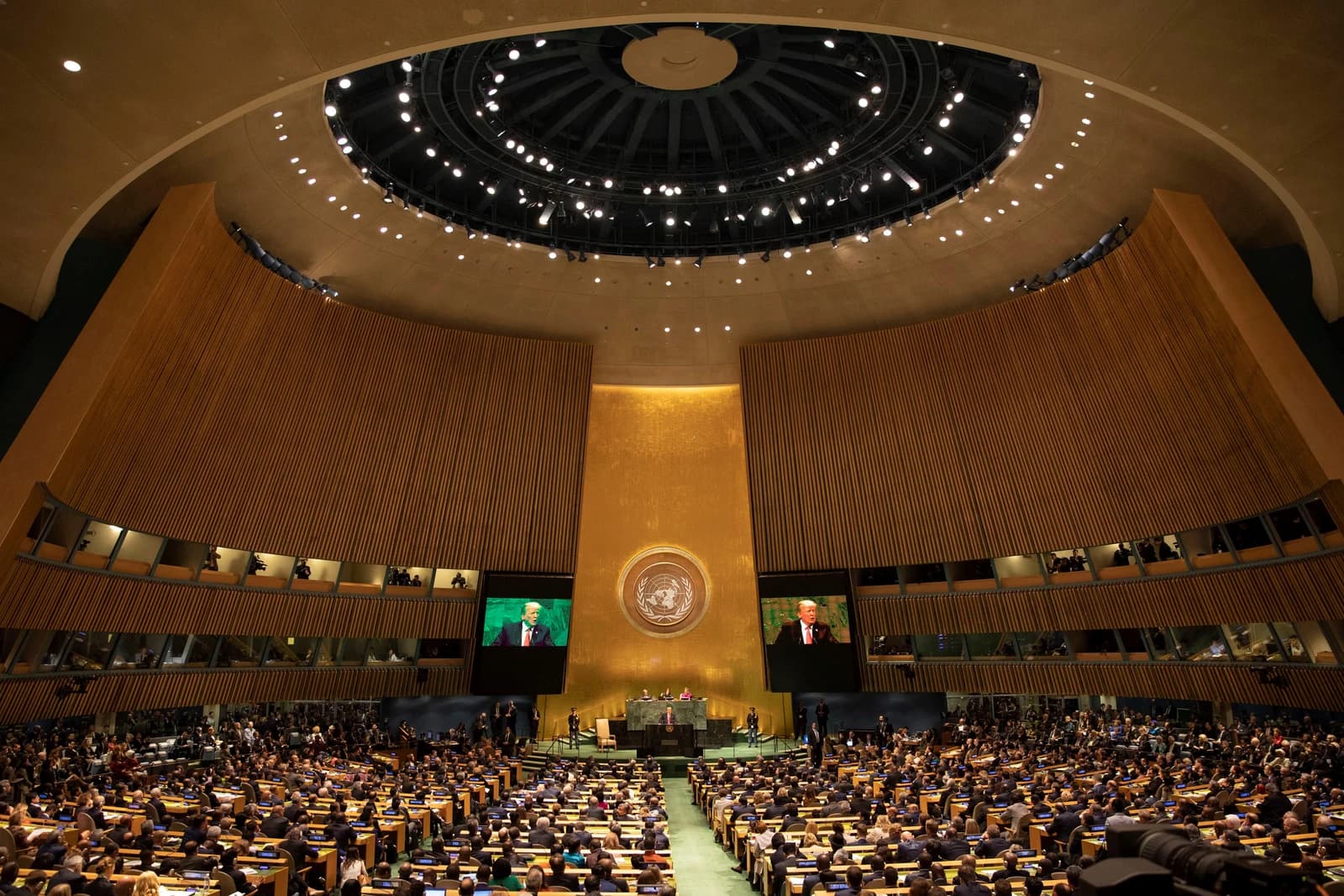
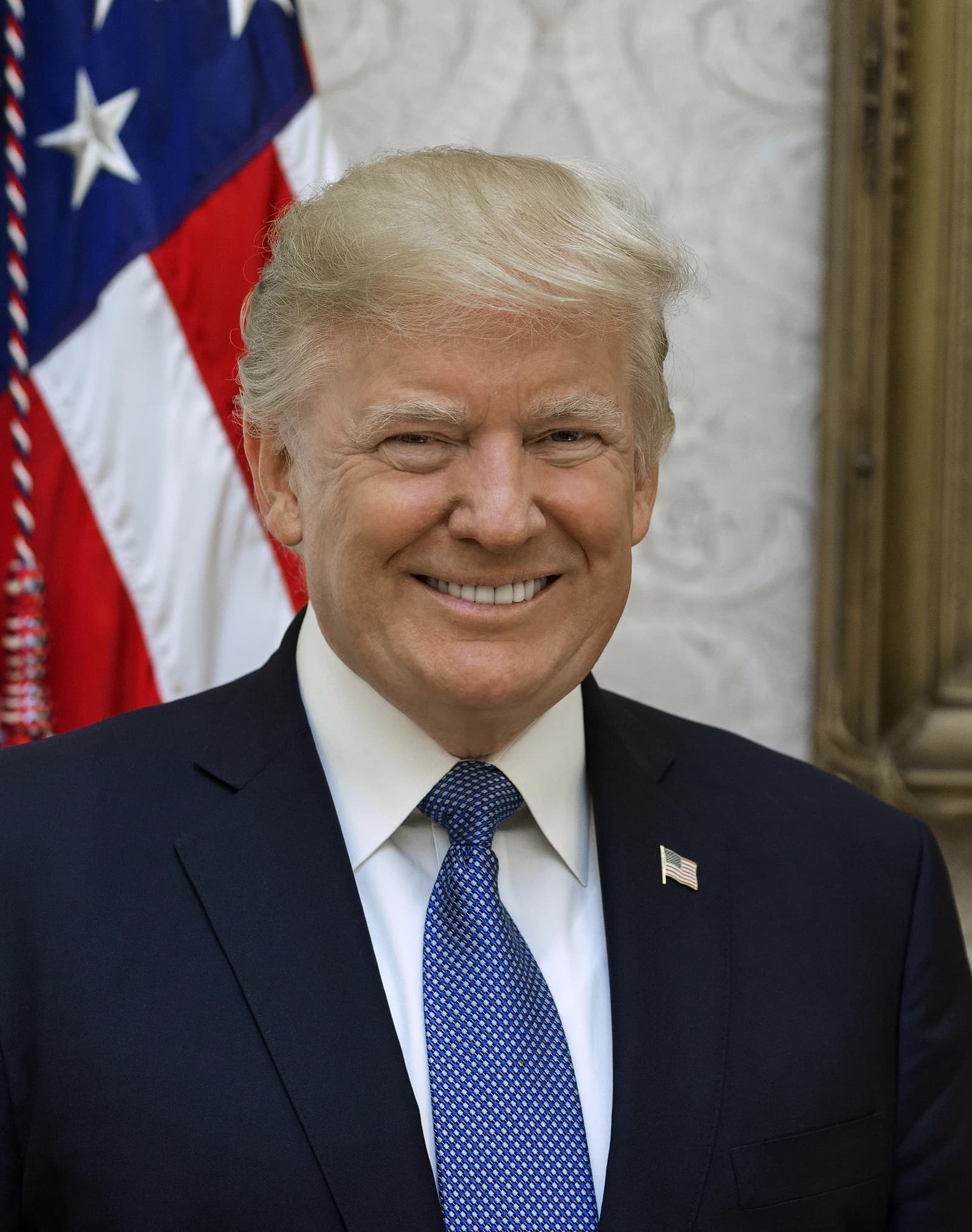
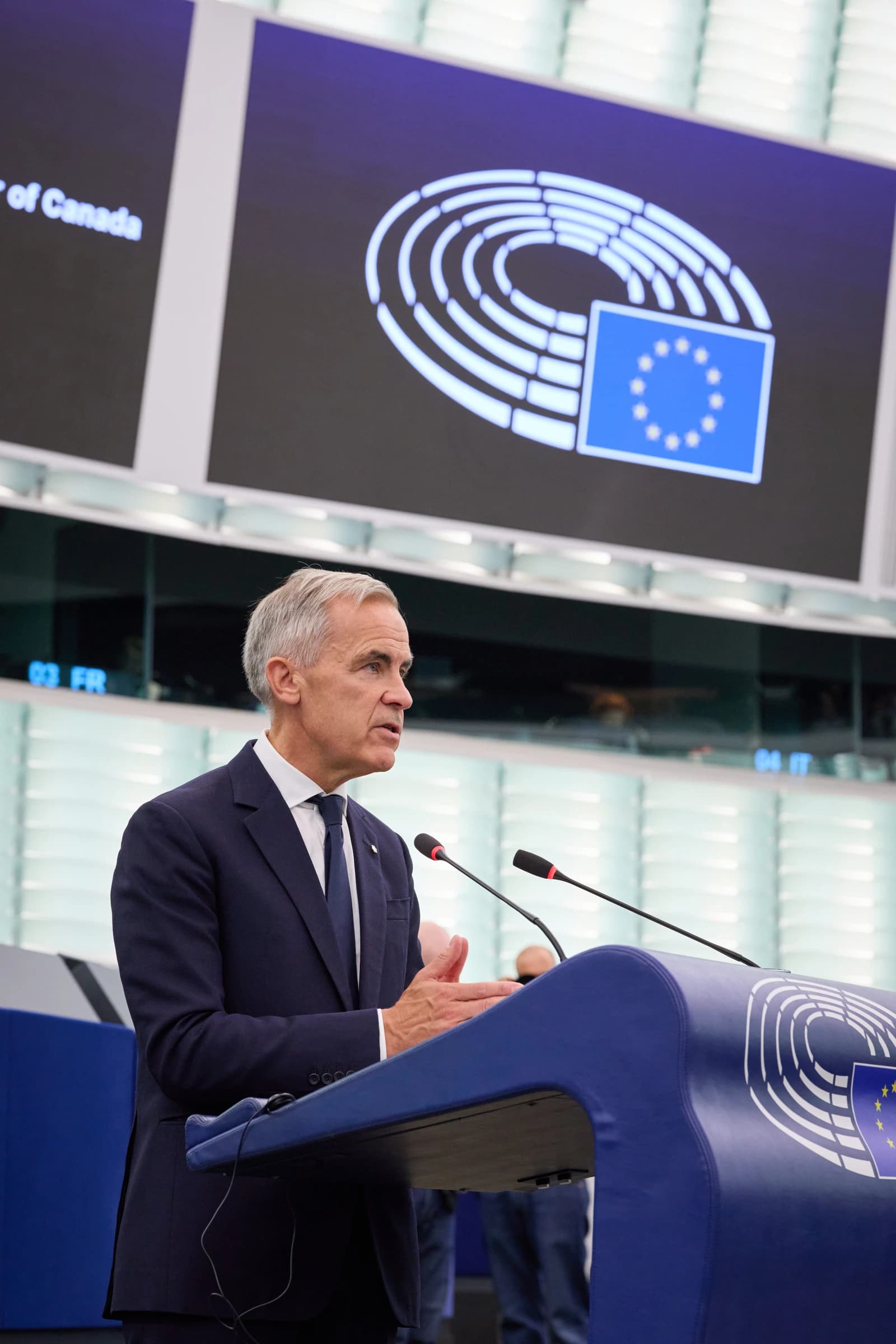
Donald Trump is using the UN stage to sell a restored America-first order just as wars, tariffs and alliance strain are making the global system more expensive and less predictable for investors.
Trump UN speech, yields, and market risk
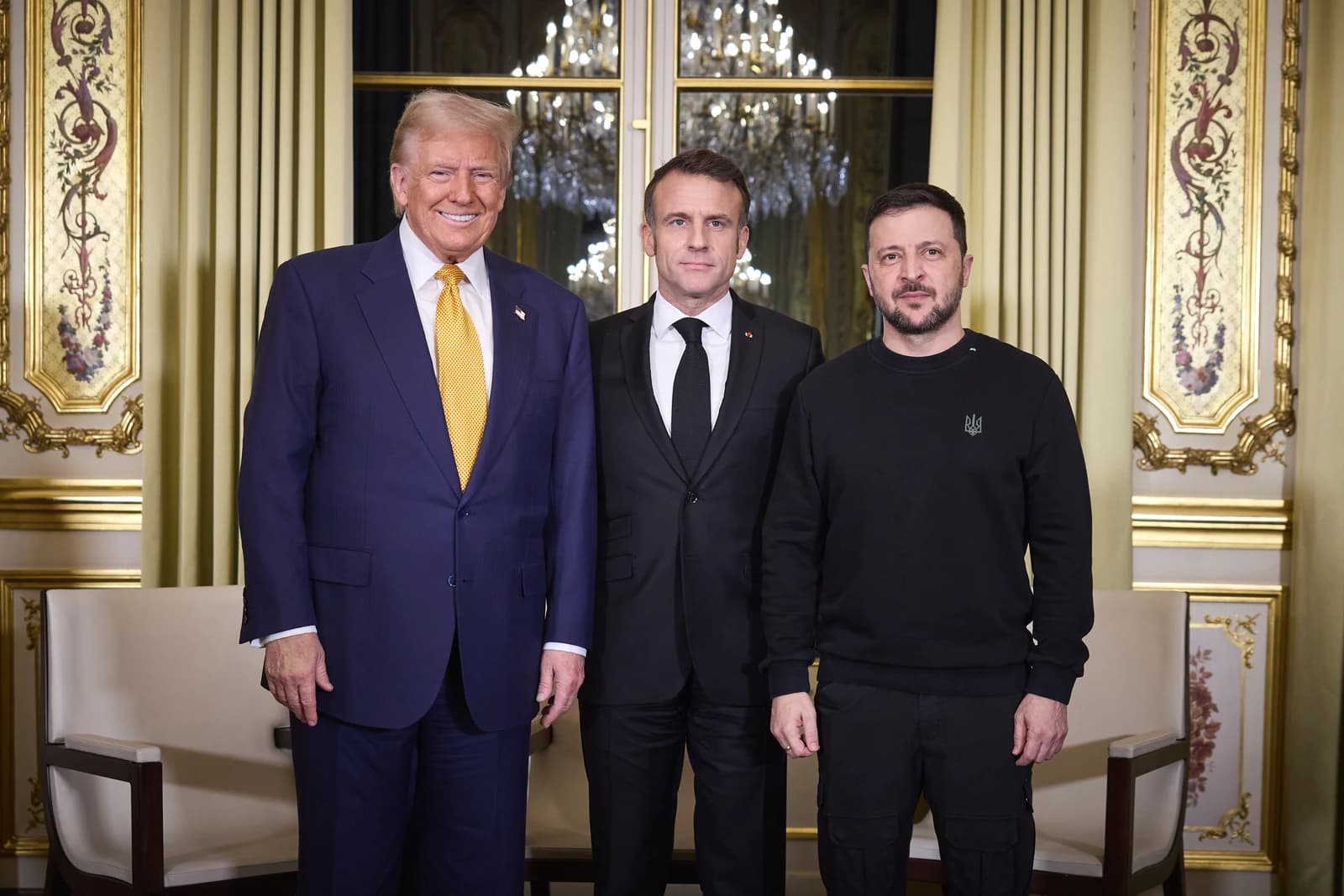
The president’s address to world leaders comes at a moment when U.S. foreign policy is increasingly being priced as a market risk, not a stabilizing force. Treasury yields have climbed sharply, with the 10-year at 5.18% and forecast to edge to 5.191%, while the 2-year/10-year spread has widened to 0.36 percentage point, reflecting a steeper curve as traders absorb stronger growth, heavier borrowing needs and a more fragile geopolitical backdrop.
Sentiment IndicatorsⓘProprietary · adalytica.com · September 26, 2026
This is a snapshot — live sentiment, awareness and momentum for 130+ markets update continuously in the dashboard.Open AlphaPulse
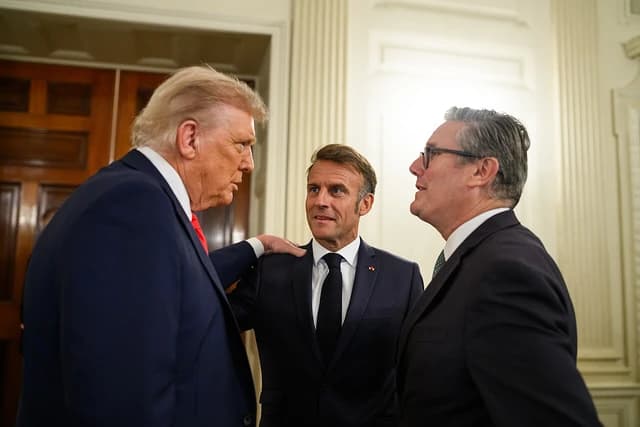
That matters because higher rates and more volatility tend to hit risk assets unevenly. The S&P 500 ETF, SPY, has pushed to 771.35, above its 50-day moving average of 759.91 and 200-day average of 714.84, but the move has come with only middling momentum, with RSI readings near 52.5 and MACD still below recent peaks. That leaves equities vulnerable if geopolitics or policy shocks revive demand for safety.
Gold is telling a similar story. GLD closed at 393.41, below its 50-day moving average of 395.43 and far under the 200-day average of 416.44, suggesting some investors have stepped back from a defensive bid even as global tensions remain elevated. Bond proxies are also under pressure: TLT fell to 79.32, with RSI at 27.5, as long-dated Treasuries continue to lose favor in a higher-yield world.
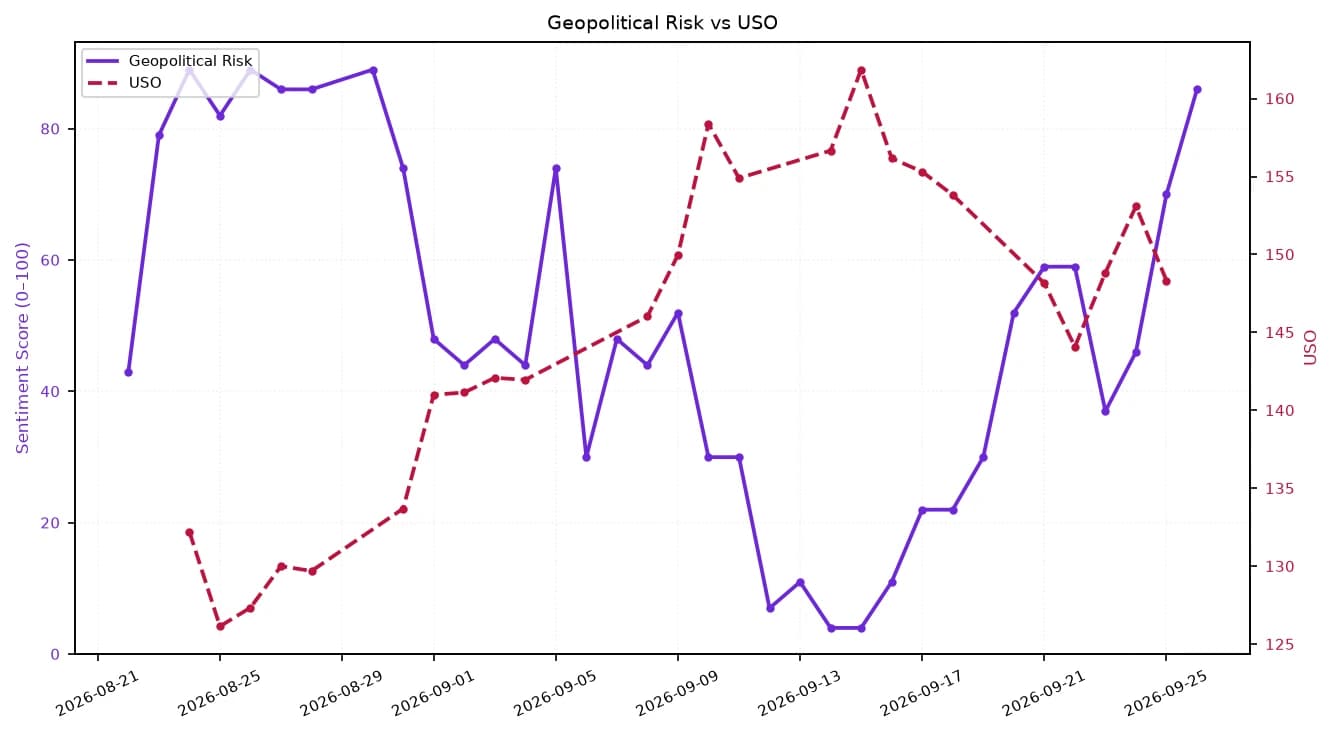
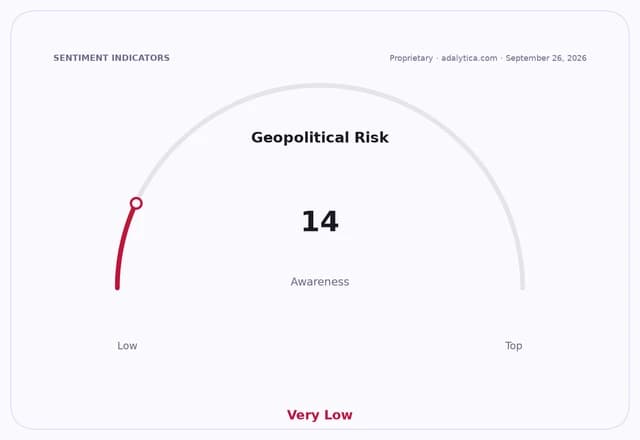
Geopolitical Risk — 30-day sentimentadalytica.com
Explore this data interactively — full history, time series and cross-market comparisons.Open AlphaPulse
The broader narrative is that Trump is not just speaking into a volatile world; he helped create some of the conditions driving that volatility. His tariff wars, threats to allies and transactional approach to diplomacy have strained the coalitions Washington historically used to contain crises, while conflicts in Ukraine and the Middle East keep energy prices and defense spending elevated. For markets, that means more pressure on margins, supply chains and policy visibility.
Adalytica’s Global Stability Sentiment gauge is flashing “Extreme Greed” at 86, but awareness is only 14 and still marked “Extreme Fear,” a combination that suggests complacency about the scale of the risk even as investors remain alert to sudden shocks. The White House policy-direction gauge has also swung sharply, with awareness at 96 and sentiment at 36, underscoring how quickly expectations around Trump’s agenda can shift.
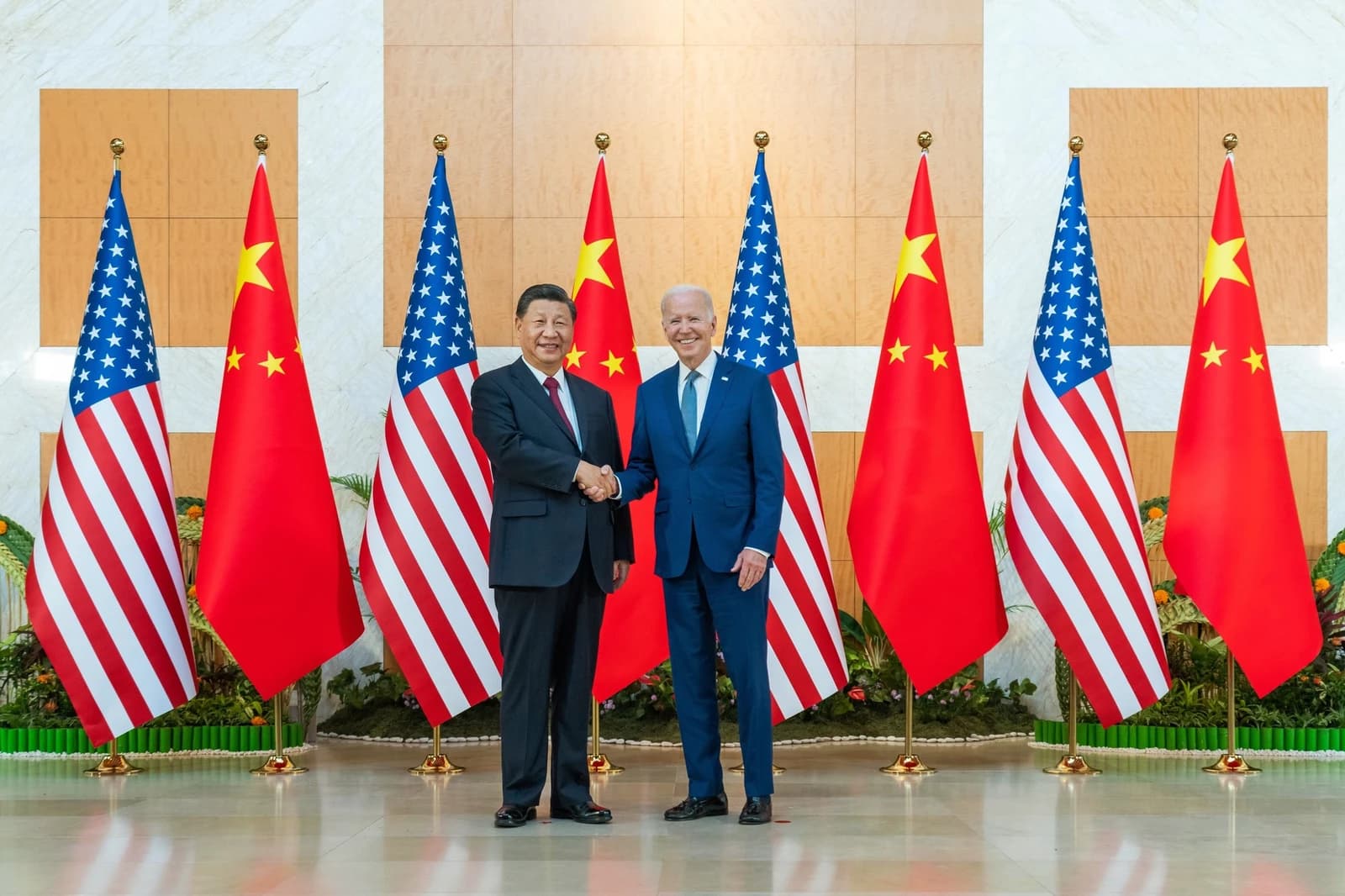
Investors will be watching for any fresh signal on tariffs, Ukraine, Iran or China, along with how closely Trump ties his UN message to defense, energy and AI policy. If the administration escalates trade pressure or widens geopolitical confrontations, the biggest beneficiaries are likely to be defense contractors and energy producers, while importers, long-duration bonds and globally exposed multinationals face the most risk.
| Entity | Gains | Losses |
|---|---|---|
| Defense contractors | ▲Higher security spending | ▼Policy cap on payouts |
| Energy producers | ▲Geopolitical risk premium | ▼Demand shocks from war |
| Import-dependent companies | ▲Short-term price stability | ▼Tariffs and supply costs |
| Long-duration bonds | ▲Flight-to-quality bids | ▼Rising yields and inflation risk |