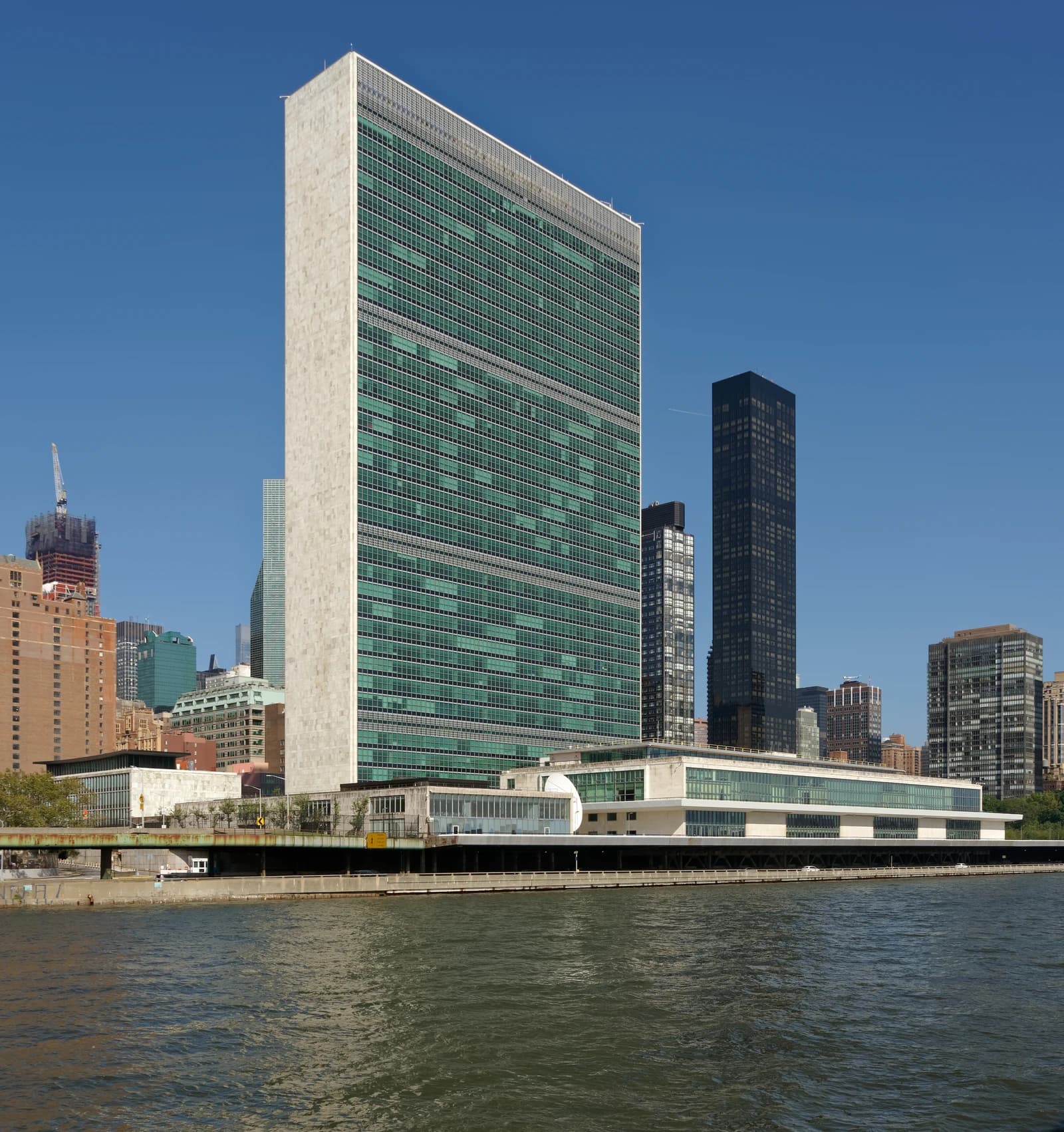
Donald Trump is heading to the United Nations this week with a message that could define both his foreign policy and the market’s view of global risk: America is stronger than ever, his critics are wrong, and he intends to keep using pressure, threats and dealmaking to force results.
Trump UN Speech Raises Geopolitical Risk for Markets
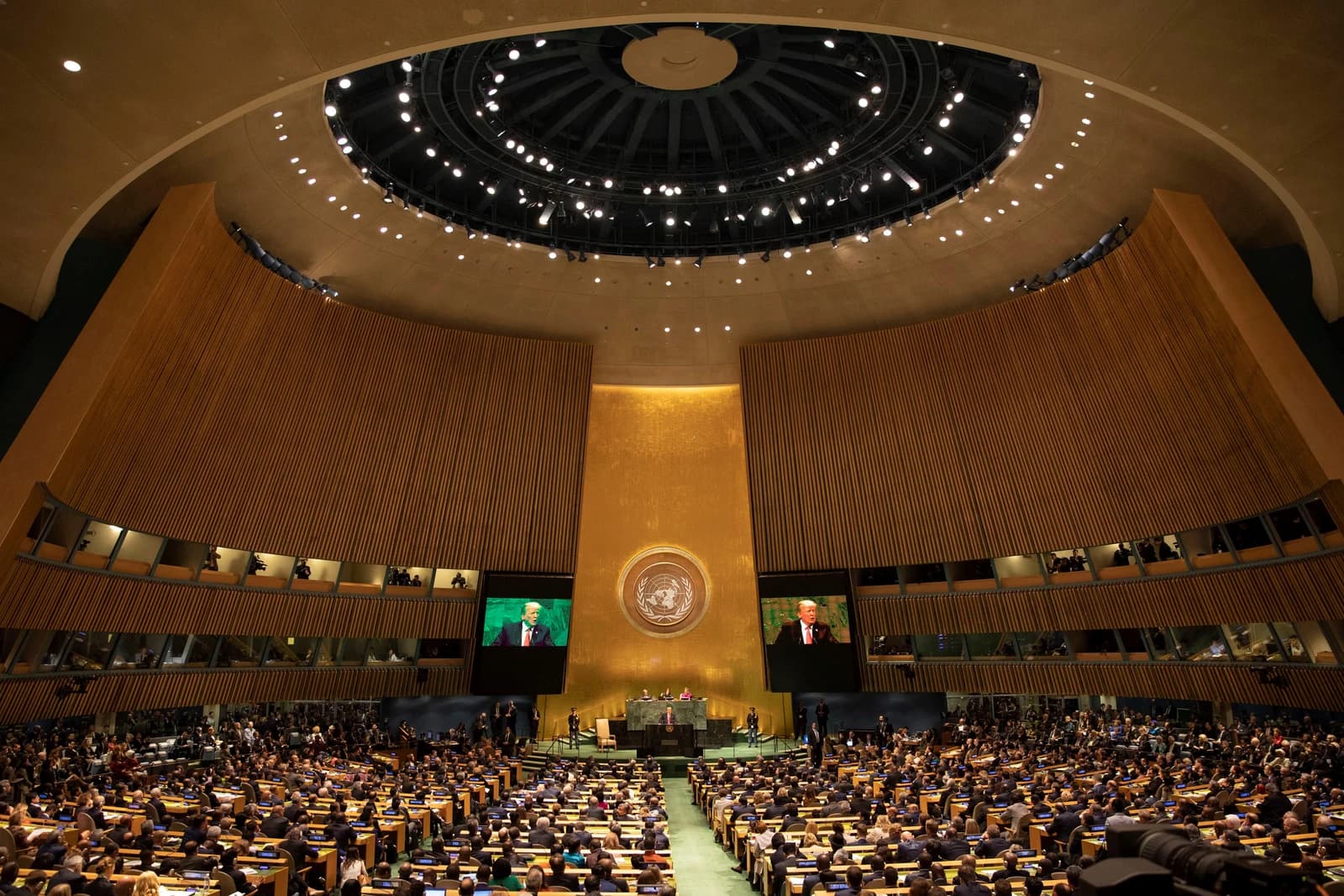
That matters because the world is already adjusting to a more unpredictable Washington. For investors, that translates into a higher premium on geopolitical risk, more volatility in energy and defense markets, and more urgency around where supply chains, currencies and capital flows go next.
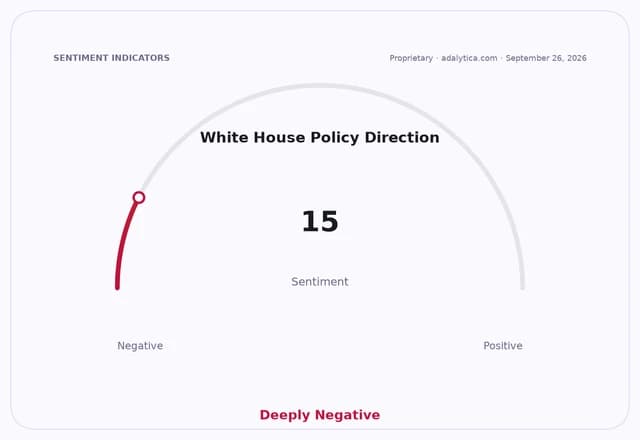
Sentiment IndicatorsⓘProprietary · adalytica.com · September 26, 2026
This is a snapshot — live sentiment, awareness and momentum for 130+ markets update continuously in the dashboard.Open AlphaPulse
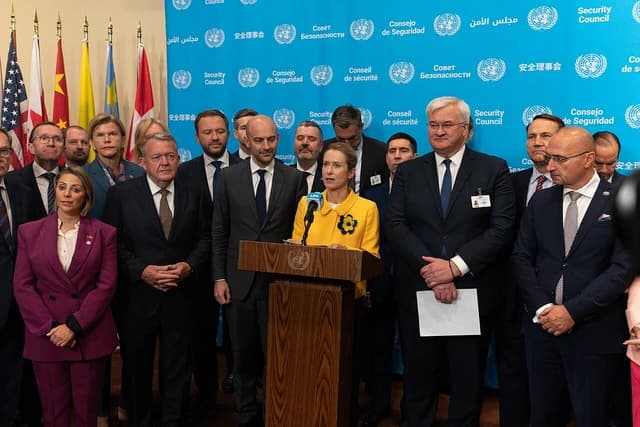
According to CNN, Trump’s speech at the UN General Assembly in New York will center on claims that the U.S. is “mighty and respected,” alongside boasts that he is spreading peace and resolving crises his predecessors avoided. The problem, as the report notes, is that much of the world sees something very different: strained alliances, weakening trust and a White House that is increasingly willing to wield force to extract concessions.
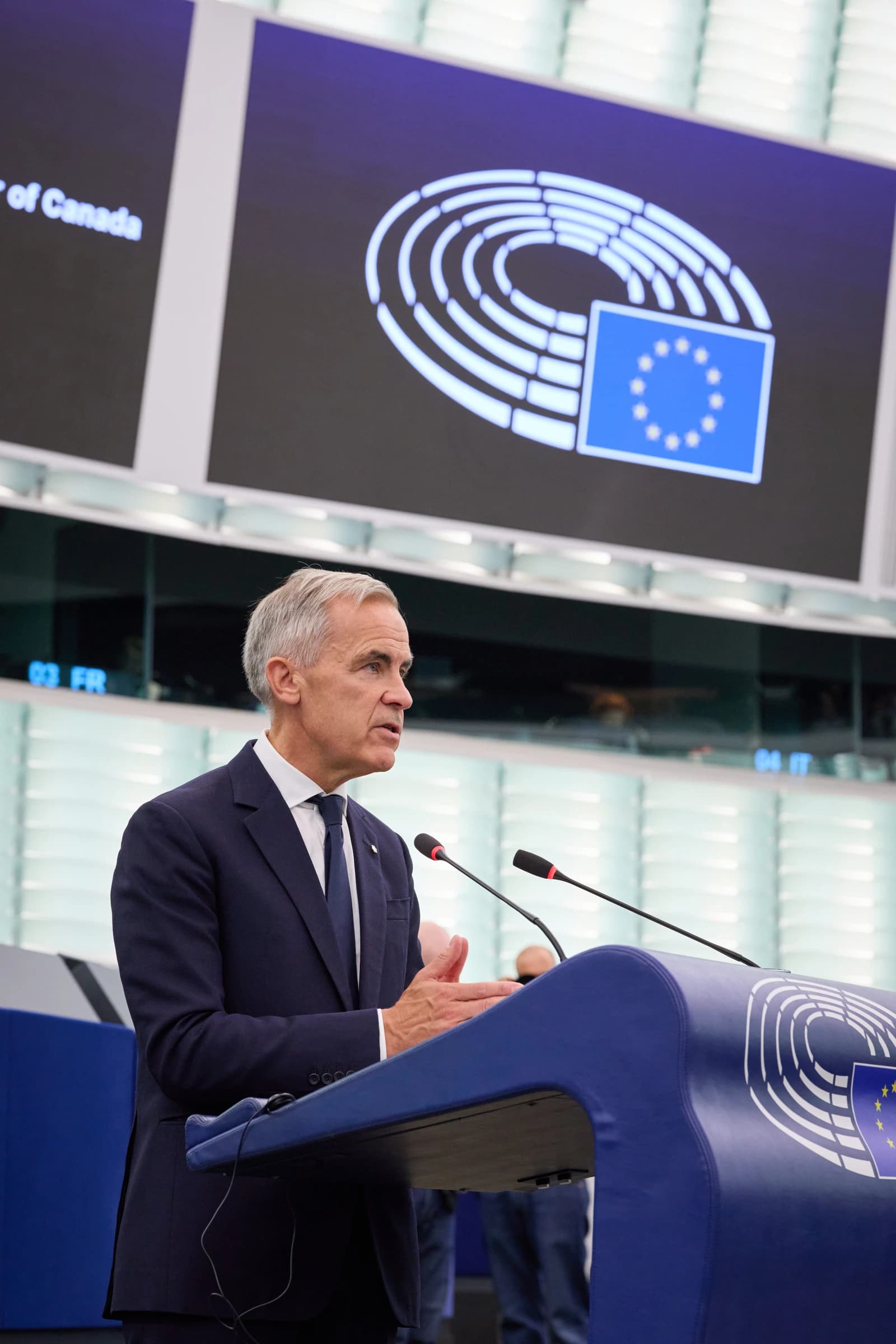
That disconnect is economically important. If allies like Canada and European governments conclude that the U.S. is becoming less reliable as a security guarantor, they are more likely to spend more on defense, diversify trade relationships and build outside the American orbit. That is not just a diplomatic nuisance. It can reshape budgets, industrial policy and demand for everything from aircraft and missile systems to energy imports and critical minerals.
White House Policy Direction — 30-day sentimentadalytica.com
Explore this data interactively — full history, time series and cross-market comparisons.Open AlphaPulse
The timing makes the speech even more consequential. Trump is delivering it amid slipping popularity at home, ahead of pivotal midterm elections, and while he remains entangled in a war he once promised to avoid. That combination usually pushes presidents to talk tough abroad. It can also make policy less predictable, which is exactly the kind of environment that tends to lift risk assets in defense, cyber security and energy while pressuring airlines, industrials and multinational companies exposed to trade disruption.
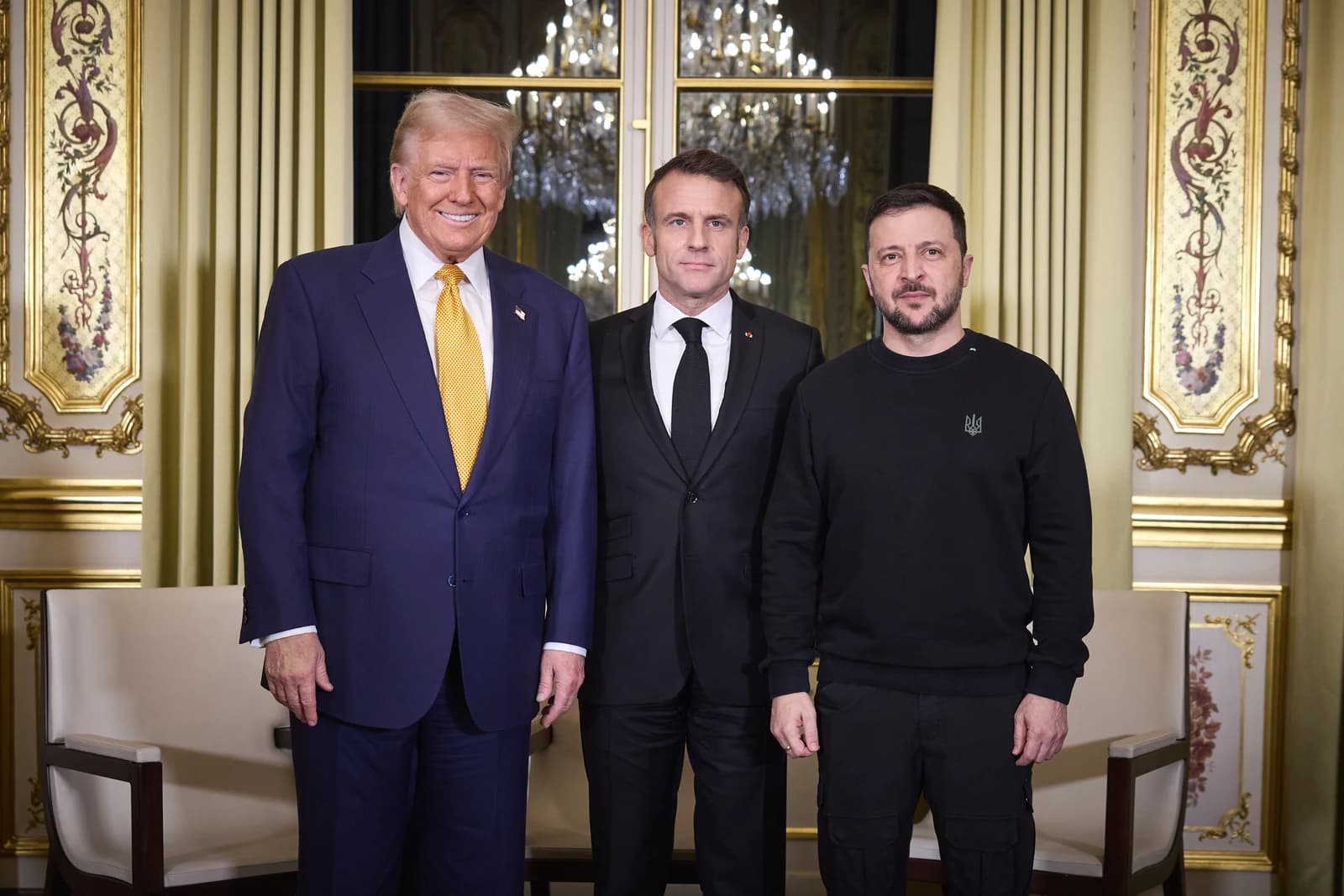
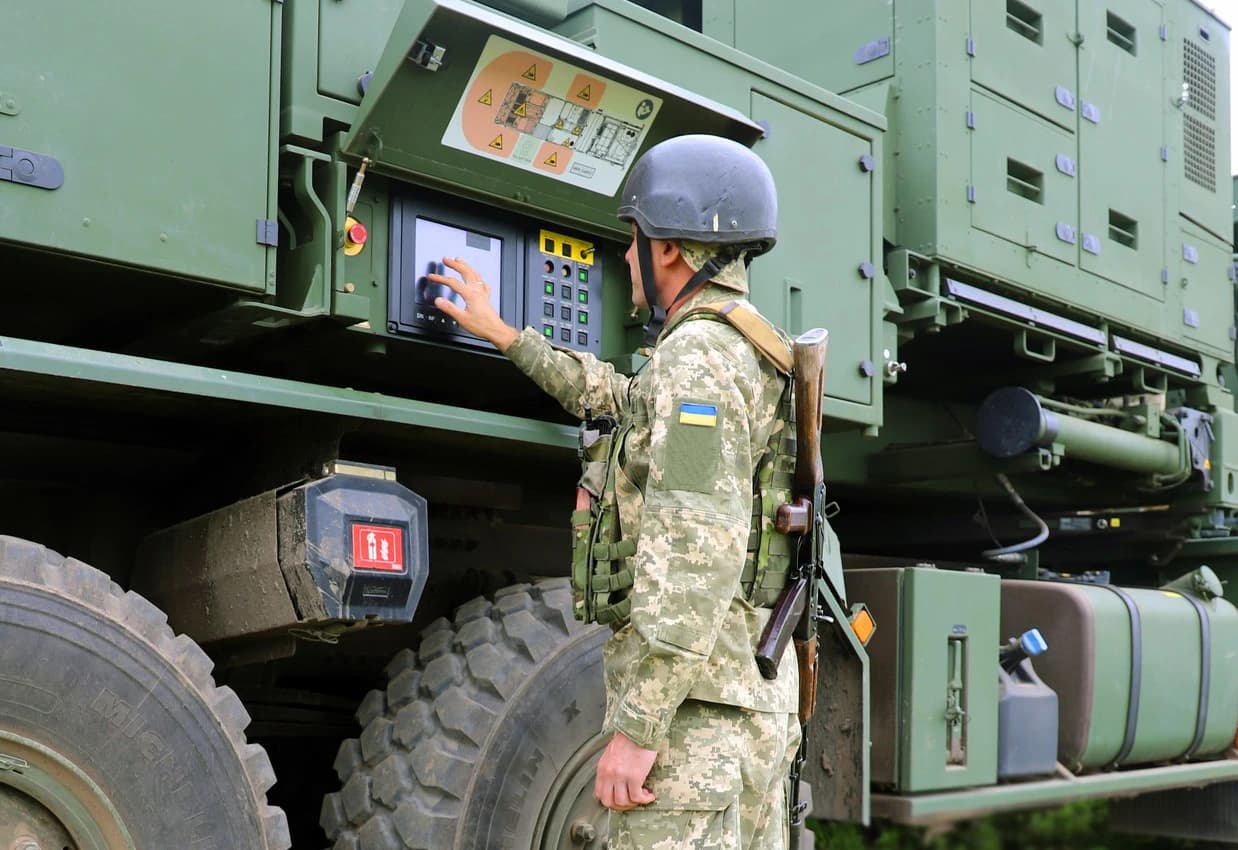
Trump’s meeting with Ukrainian President Volodymyr Zelenskyy is also likely to draw investor attention. The agenda reportedly includes diplomacy to end the war, energy issues, stronger air defenses and potential Patriot missile production in Ukraine. That is another reminder that geopolitics is still feeding directly into markets, especially as The Guardian said Trump is expected to press for an energy truce at a time when global diesel prices have already been jolted by wars in both Iran and Ukraine.
For long-term investors, the key lesson is not to trade every headline. It is to recognize that a more muscular, less predictable U.S. foreign policy can keep instability elevated for longer than markets would like. That usually rewards companies with pricing power, global diversification and exposure to structural defense demand, while punishing businesses that depend on calm trade lanes and stable energy costs.
The bigger story is that Trump is using the UN stage to argue that power alone can restore respect. Whether the rest of the world buys that argument will help shape everything from alliance spending to commodity prices in the months ahead. Investors should keep this one on the watchlist.
| Entity | Gains | Losses |
|---|---|---|
| Defense contractors | ▲Higher spending demand | ▼— |
| Energy producers | ▲Geopolitical risk premium | ▼Fuel-intensive users |
| U.S. allies | ▲Incentive to rearm and diversify | ▼Reliance on Washington |
| Multinational companies | ▲— | ▼Policy uncertainty and volatility |