Russia and Ukraine escalated their daily exchange of drones and missiles as Volodymyr Zelenskyy arrived in New York to press Donald Trump for tougher support, underscoring how the war is now as much about energy infrastructure, export routes and Western policy as it is about the front line.
Russia-Ukraine drone strikes pressure oil and grain markets
The immediate significance is economic as well as military: each round of strikes is increasingly aimed at assets that shape cash flow, fuel supply and trade. Ukraine said it hit Russia’s Kuibyshev refinery near Samara, while Russia said it had downed 297 Ukrainian drones overnight and struck targets across four Ukrainian regions, including industrial sites and port infrastructure. The pattern points to a war of attrition that is now directly disrupting refining, shipping and agricultural exports.
Sentiment IndicatorsⓘProprietary · adalytica.com · September 26, 2026
This is a snapshot — live sentiment, awareness and momentum for 130+ markets update continuously in the dashboard.Open AlphaPulse
That matters because the conflict has become a recurring driver of global energy and food markets. Attacks on Russian refineries have already helped tighten diesel supply and lift prices, according to Trump, while disruption to Black Sea shipping continues to complicate Ukraine’s grain exports. For Russia, refinery damage threatens domestic fuel availability and revenue from petroleum products. For Ukraine, strikes on power, industrial and port assets weaken the economy just as Kyiv is trying to keep export corridors open and preserve foreign-currency earnings.
The market response remains sensitive to any sign of broader escalation or de-escalation. Brent-linked oil exposure through funds such as BNO has already seen sharp swings this year, and the current technical backdrop shows the ETF trading above its 50-day and 200-day moving averages even after a recent pullback, with RSI readings cooling from overbought levels. That suggests traders still see geopolitical risk as a persistent premium rather than a one-off shock.
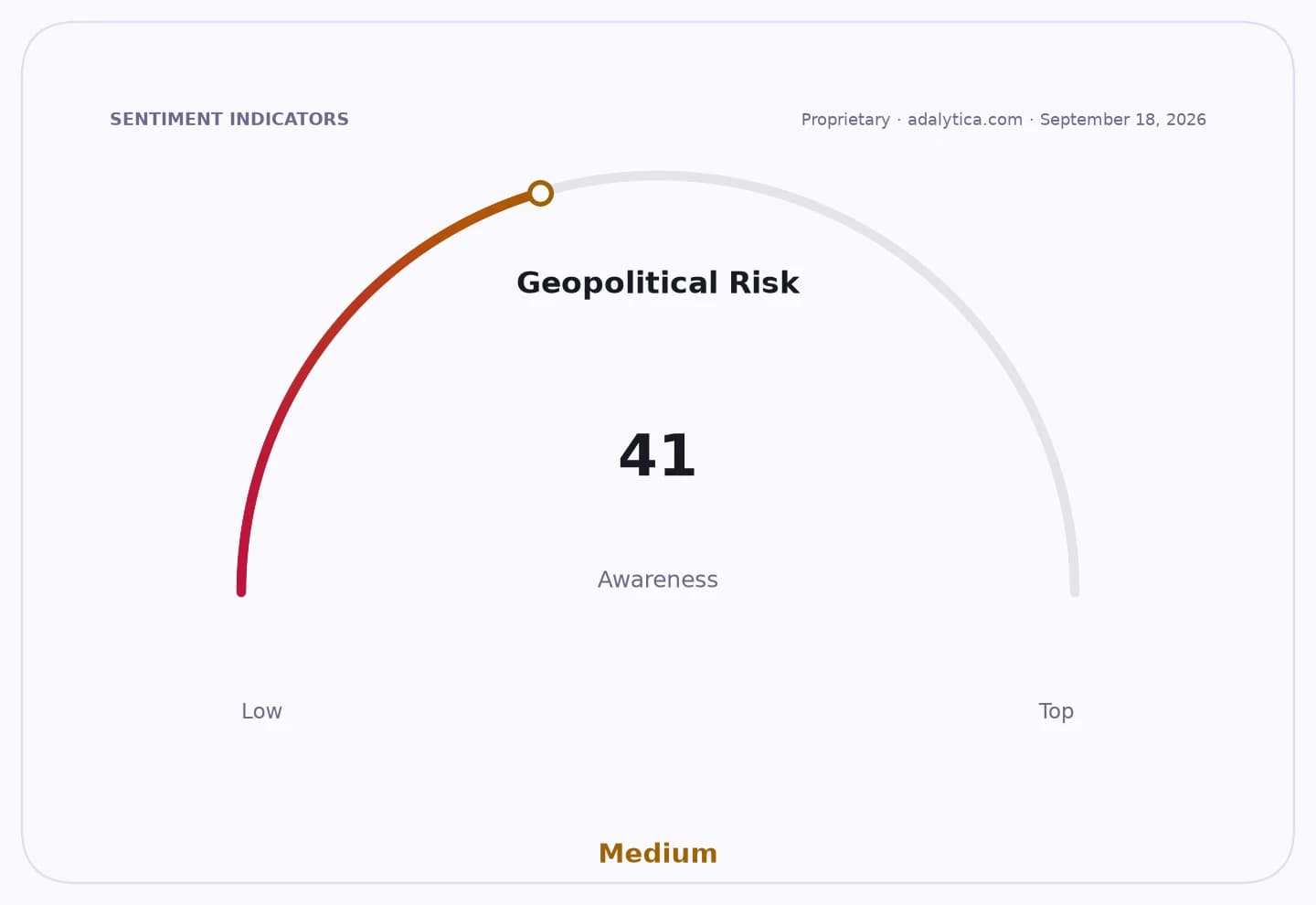
Geopolitical Risk — 30-day sentimentadalytica.com
Explore this data interactively — full history, time series and cross-market comparisons.Open AlphaPulse
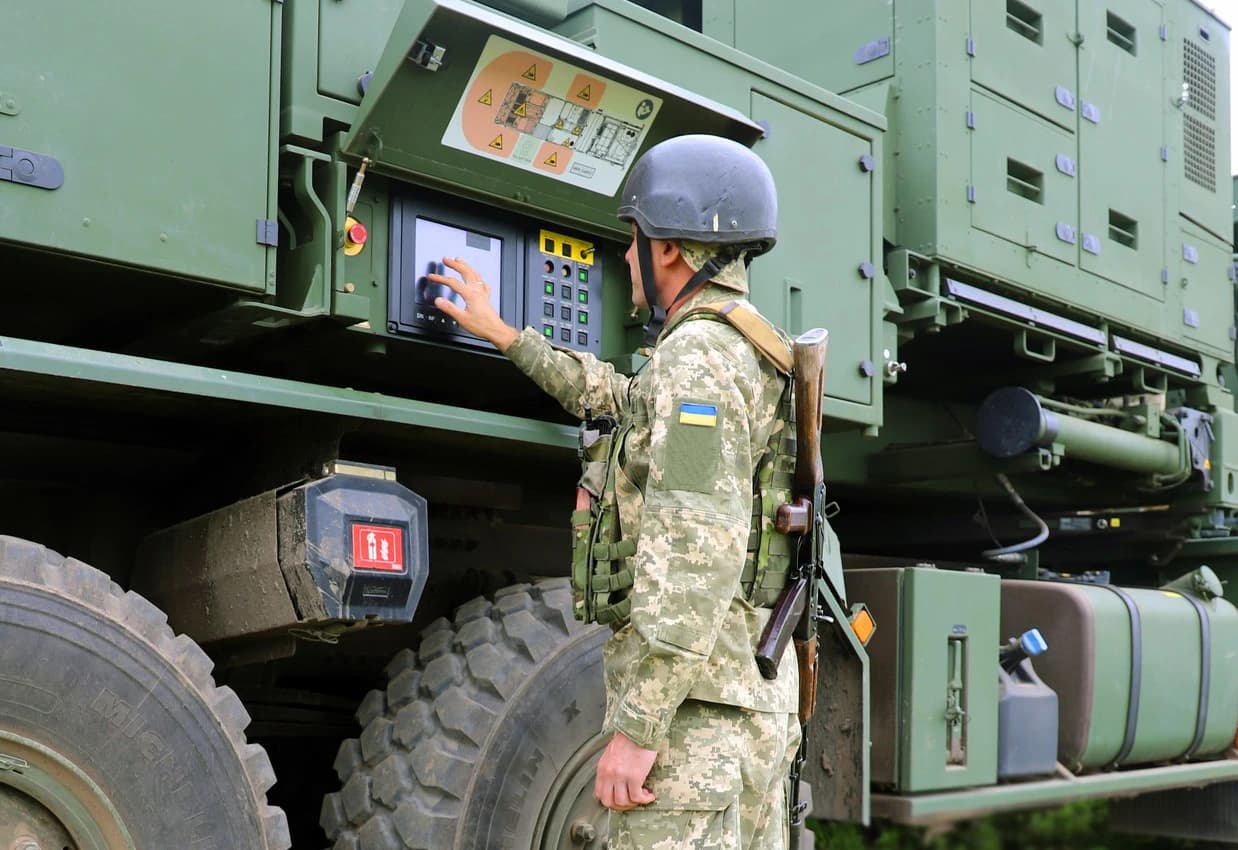
Zelenskyy’s talks in New York are therefore about more than diplomacy. He is seeking backing for a proposed truce on energy infrastructure strikes and a moratorium on Black Sea attacks, while also pushing for more Patriot air-defense systems. Those requests are economically important because air defenses determine how much damage can be inflicted on power grids, factories and logistics networks, and because any reduction in attacks could lower insurance costs, stabilize trade flows and ease pressure on fuel and food prices.
The newly signed U.S. sanctions bill adds another layer. Zelenskyy thanked senators for bipartisan support and said peace and security would be closer once the measures are fully implemented. If Washington follows through, the pressure on Russia’s oil and industrial complex could intensify; if it does not, Moscow may conclude it can continue to absorb sanctions while prosecuting a long war. Investors are left watching for any shift in U.S. policy that would change the balance of risks in oil, grains, defense and European assets.
| Entity | Gains | Losses |
|---|---|---|
| Ukraine | ▲stronger sanctions, air defenses | ▼damaged infrastructure, export disruption |
| Russia | ▲pressure on Ukraine’s grid and ports | ▼refinery damage, fuel losses |
| Oil exporters | ▲higher risk premium | ▼weaker demand if truce progresses |
| Grain importers | ▲possible Black Sea stabilization | ▼higher prices if strikes continue |