Russia said it damaged industrial enterprises linked to Ukraine’s military and heavy industry in a coordinated overnight attack, underscoring how the war is increasingly targeting the country’s productive base as well as its frontline positions.
Ukraine Industrial Sites Hit in Russian Airstrikes
The strikes on Kyiv, Dnipropetrovsk, Poltava and Odesa regions hit metal, chemical, fuel and energy facilities, according to the Russian military, adding to a weekend of attacks that also caused civilian casualties and damage to medical infrastructure. The immediate economic significance is that repeated strikes on industrial and energy assets can disrupt output, strain logistics and raise reconstruction costs at a time when Ukraine is trying to keep factories, utilities and export routes functioning under wartime conditions.
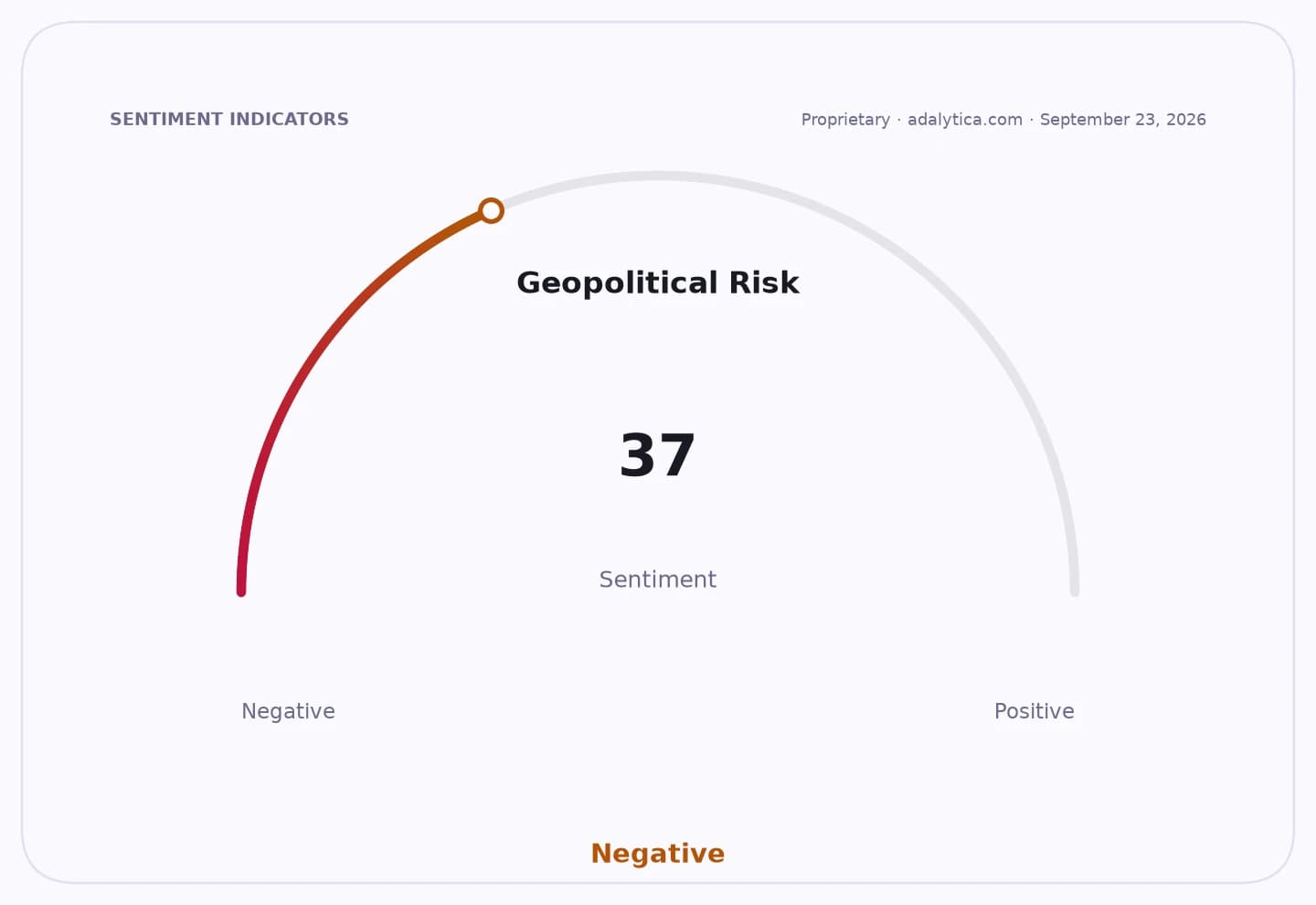
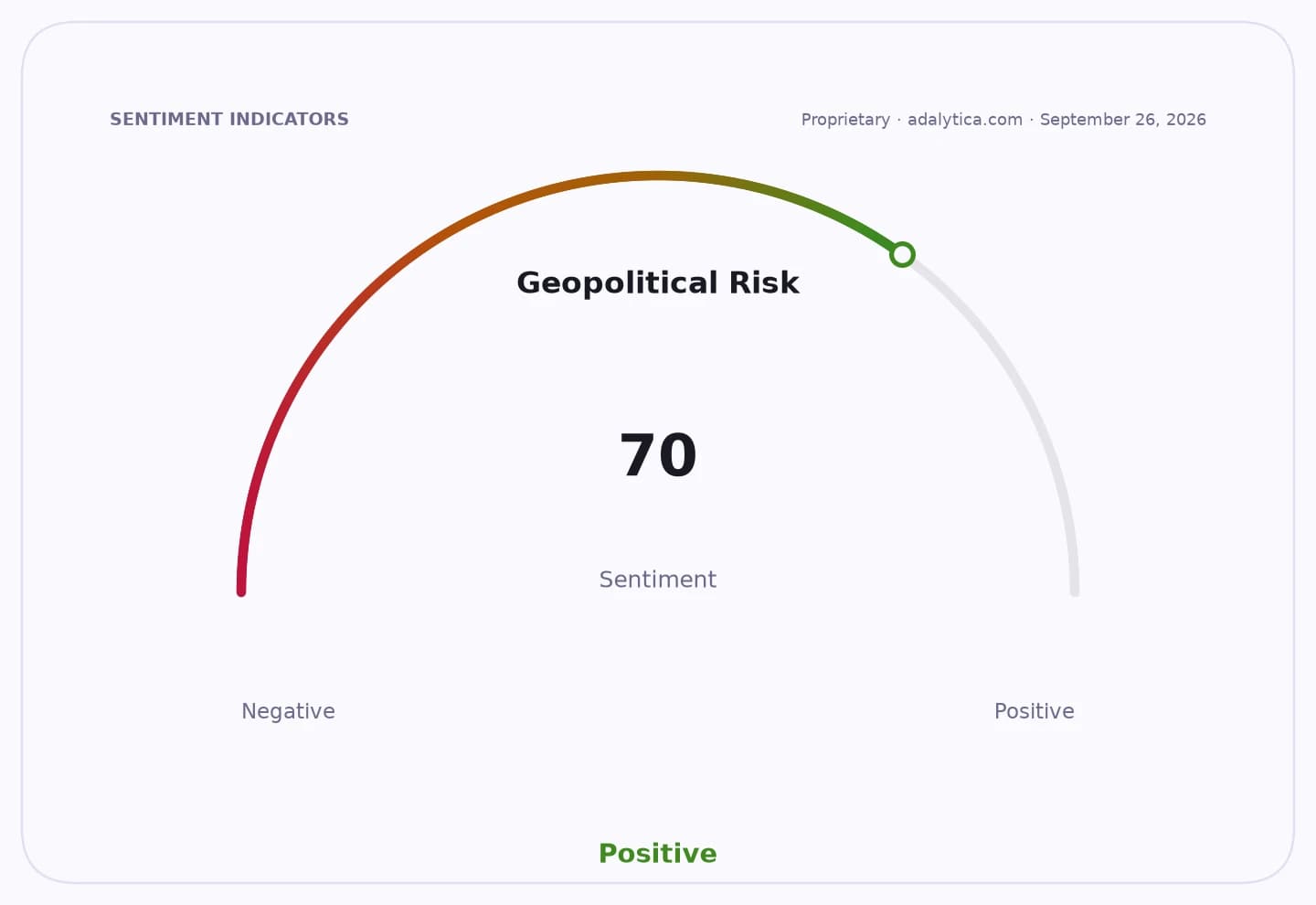
Sentiment IndicatorsⓘProprietary · adalytica.com · September 26, 2026
This is a snapshot — live sentiment, awareness and momentum for 130+ markets update continuously in the dashboard.Open AlphaPulse
Industrial damage matters because Ukraine’s economy remains highly exposed to power supply, transport links and a narrow set of export industries. Metals, chemicals and energy are not just military-adjacent sectors; they are among the backbone industries that support export earnings, jobs and fiscal revenue. When those sites are hit, the damage ripples outward through reduced production, higher input costs and lower operating reliability for businesses already facing labour shortages and war risk.
For investors, the key issue is not the individual strike but the persistence of infrastructure attrition. Each escalation reinforces the case for a prolonged conflict with periodic shocks to regional commodity markets, insurance pricing and sovereign risk premia. A sustained campaign against industrial assets can also tighten supplies of products tied to metals, fertilizer, fuel and power, with spillover effects for European importers and companies exposed to the Black Sea corridor.
Geopolitical Risk — 30-day sentimentadalytica.com
Explore this data interactively — full history, time series and cross-market comparisons.Open AlphaPulse
The market backdrop remains cautious. A global stability gauge from Adalytica.com shows sentiment at 70, but awareness at “Extreme Fear,” reflecting how investors can appear calm while still treating geopolitical risk as a live tail event. In Ukraine-focused funds and broader Eastern Europe risk assets, that combination usually means headlines matter less for one-day price moves than for the accumulation of damage to growth, tax capacity and external financing needs.
The broader narrative is that the war is moving deeper into an industrial attrition phase. Russia is trying to erode Ukraine’s ability to produce, repair and export; Ukraine is responding in kind by striking refineries and energy assets inside Russia. That dynamic raises the strategic cost for both sides, but the near-term burden falls hardest on Ukraine’s economy and on investors who must price a conflict that is still capable of disrupting energy, metals and transport flows well beyond the battlefield.
What to watch next is whether strikes continue to concentrate on energy and industrial nodes rather than purely military targets, and whether damage to power or transport assets forces temporary shutdowns across wider supply chains. If so, the next layer of economic pain will show up not only in Ukraine’s output data, but also in higher risk premiums across regional commodities, insurers and reconstruction-linked industries.
| Entity | Gains | Losses |
|---|---|---|
| Russia | ▲battlefield pressure on industry | ▼sanctions backlash risk |
| Ukraine industrial firms | ▲limited resilience spending | ▼output, assets, revenue |
| Energy and metals traders | ▲volatility opportunities | ▼supply disruption risk |
| Regional investors | ▲clarity on war risk pricing | ▼higher geopolitical premia |