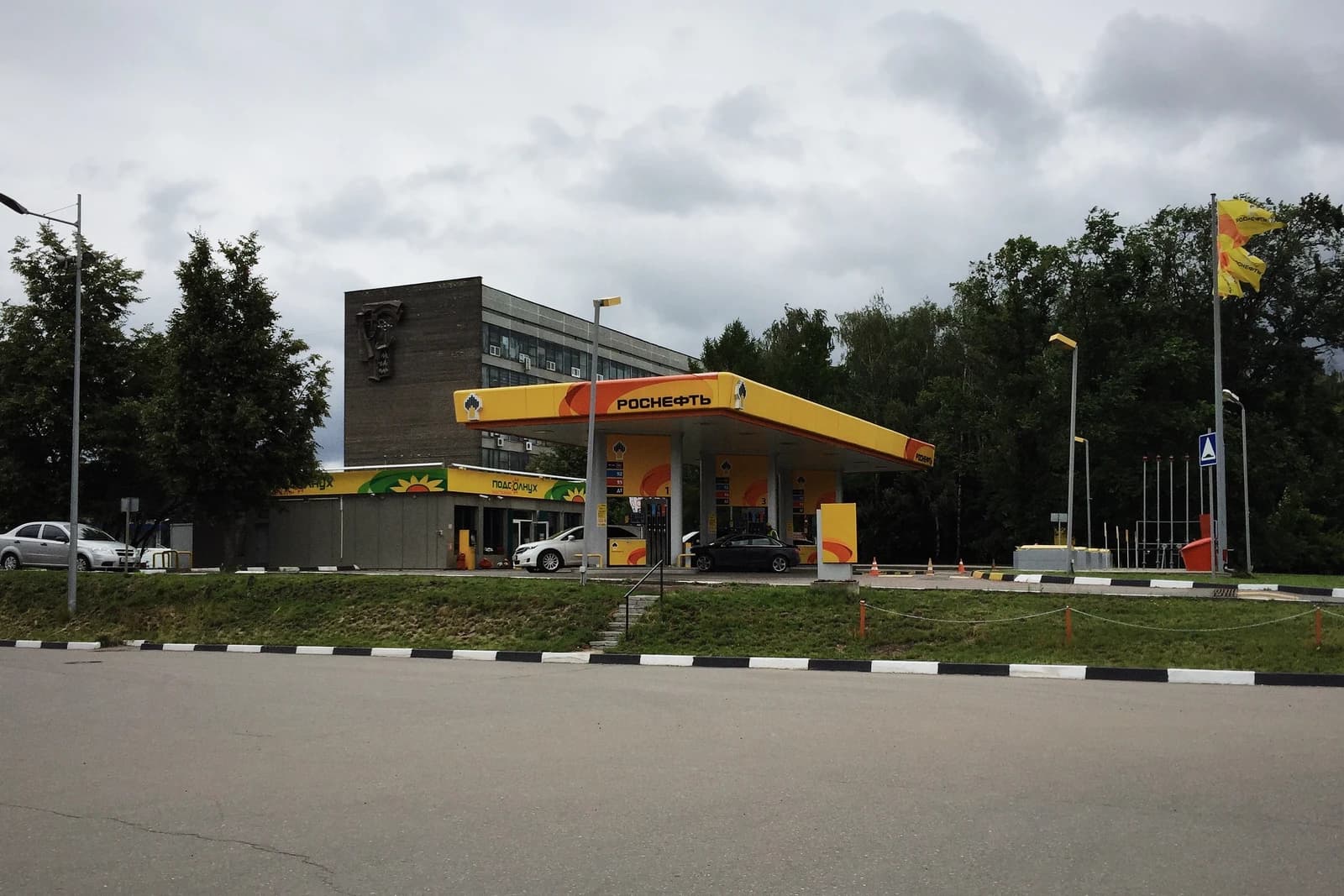
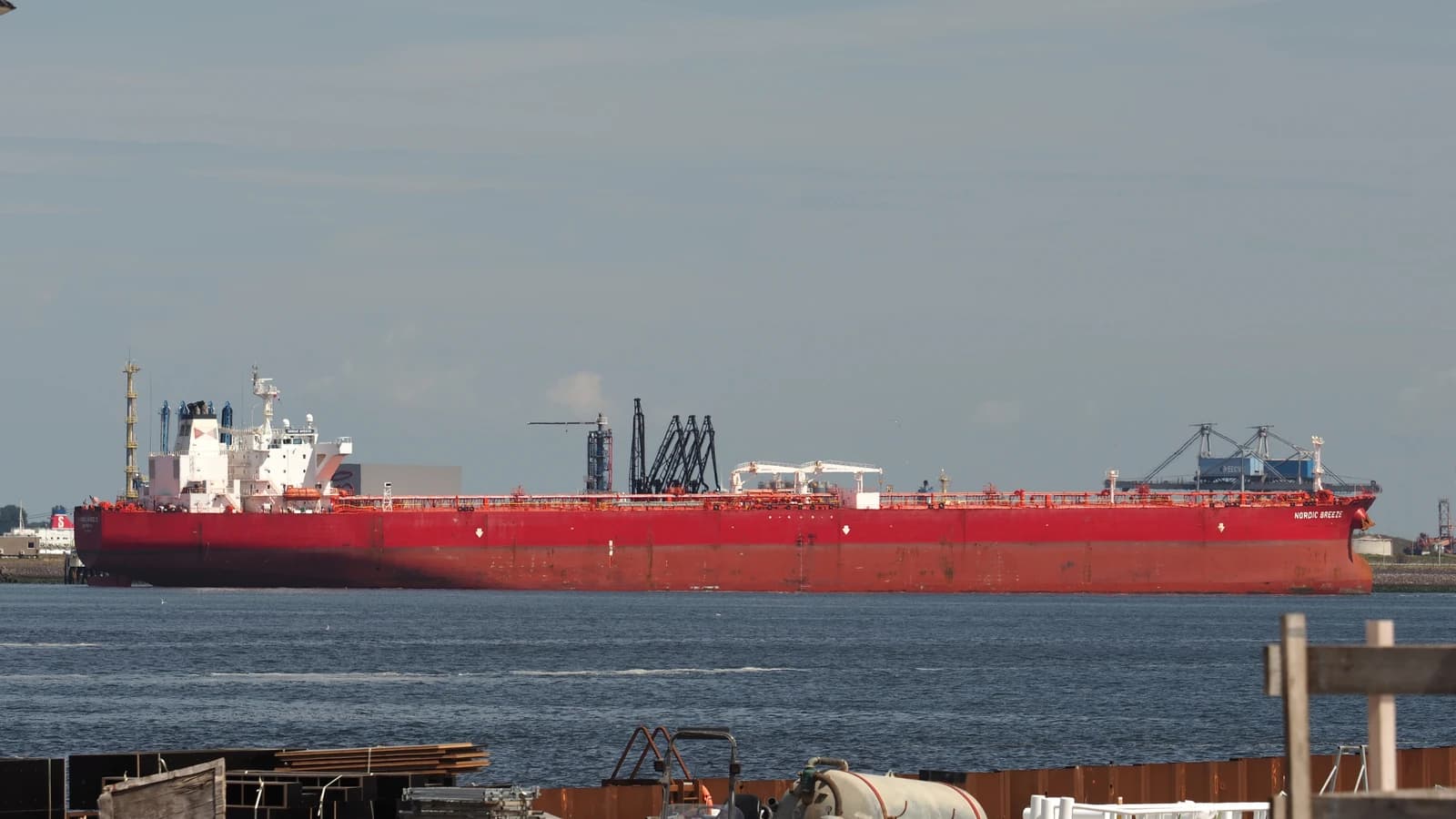
Drones hit Rosneft’s Kuibyshev refinery in Samara on Monday, triggering a large fire at one of the region’s biggest plants and underscoring how Ukraine’s deep-strike campaign is increasingly aimed at Russia’s fuel system rather than frontline military assets.
Rosneft Kuibyshev refinery hit by drone strike

The Samara facility is not a minor target. Open-source data cited by Ukrainian reporting put its 2024 throughput at about 4.7 million tonnes, or roughly 94,400 barrels a day, against annual installed capacity of 7 million tonnes. It produces gasoline, diesel, fuel oil and other refined products, making it part of the chain that supports Russian logistics as well as domestic fuel supply.
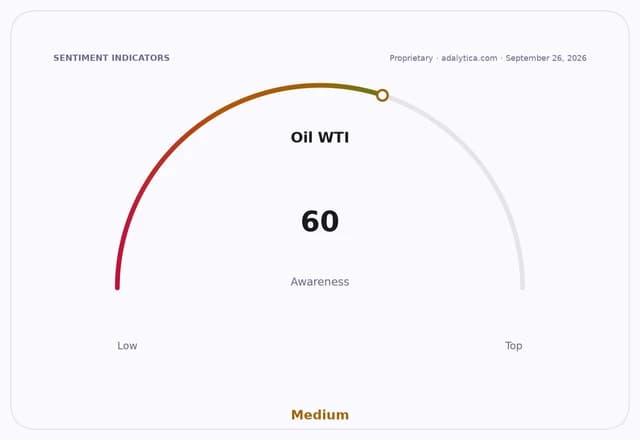
Sentiment IndicatorsⓘProprietary · adalytica.com · September 26, 2026
This is a snapshot — live sentiment, awareness and momentum for 130+ markets update continuously in the dashboard.Open AlphaPulse
For Moscow, the problem is not just the damage from a single fire. The strike adds to a run of refinery attacks that has hit facilities around the country, including the Moscow area and Yaroslavl, showing that plant protection is no longer guaranteed even far from the front line. That raises the risk of unplanned outages, maintenance bottlenecks and local fuel shortages at a time when Russia is also trying to preserve export volumes and keep the military supplied.
The broader economic significance lies in refinery margins and product availability. Repeated strikes on processing capacity can force operators to cut runs, reroute crude or delay repairs, which tightens the domestic supply of gasoline and diesel even if crude output itself is unaffected. That can feed through to Russian inflation, transport costs and regional fuel prices, while also limiting the state’s ability to convert crude into higher-value products for sale at home or abroad.
For investors, the immediate read-through is to Russian energy risk rather than to global crude supply alone. Brent or WTI may not spike on any single incident, but sustained attacks on refineries can support product cracks, keep energy volatility elevated and complicate assumptions around Russia’s export mix. Adalytica’s Oil WTI trade signals showed sentiment at 85, a “Greed” reading, suggesting the market is already leaning toward tighter oil conditions.
Rosneft itself faces the clearest operational hit. The company can absorb isolated disruptions, but a pattern of strikes increases the chance of lost throughput, higher repair costs and heavier reliance on backup logistics. The refinery’s role in supplying products used by the military gives the attack a strategic edge as well as a commercial one.
The near-term focus is whether Russian authorities confirm the extent of the damage and whether the plant is forced into partial shutdown. If the recent sequence of drone strikes continues, investors should expect more pressure on Russian refining, a higher risk premium in regional energy markets and a deeper test of Moscow’s ability to defend infrastructure that sits far behind the war zone.
| Entity | Gains | Losses |
|---|---|---|
| Ukraine | ▲Deepens pressure on Russia’s fuel system | ▼Faces escalation risk |
| Rosneft | ▲— | ▼Lost throughput, repair costs |
| Russian military logistics | ▲— | ▼Fuel supply disruption |
| Global oil traders | ▲Higher volatility, tighter product market | ▼Greater geopolitical uncertainty |