China’s reported sharing of data with Iran to help improve targeting of American ships and bases is a geopolitical escalation that investors should not dismiss as another headline in the Middle East cycle. It sharpens the case for higher U.S. defense spending, more missile-defense demand, and a longer runway for contractors tied to sensors, command-and-control, ship defense and strike systems.
Defense Stocks on China-Iran Targeting Report
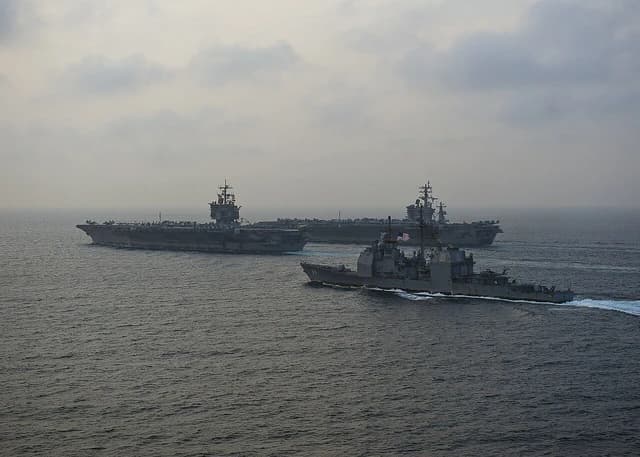
For markets, the significance is not just the threat to military assets. It is the widening of the conflict from sanctions and proxy warfare into a more technologically enabled contest over maritime routes and forward U.S. posture. If China is helping Iran with targeting intelligence, the risk premium around the Strait of Hormuz, the Red Sea and U.S. bases across the region rises meaningfully. That matters for oil, shipping insurance, logistics and the valuation of companies that sell the hardware and software used to detect, intercept and retaliate.
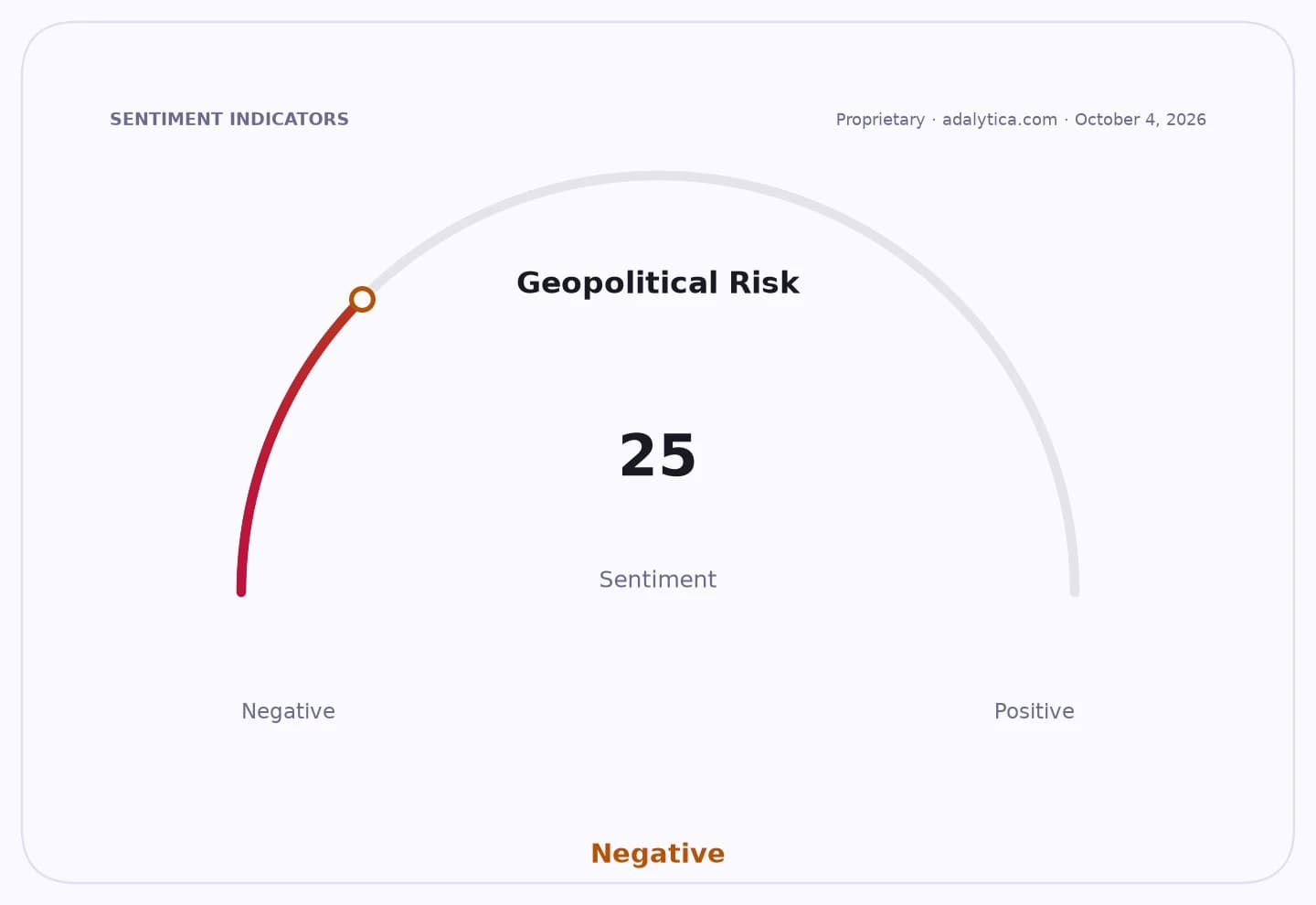
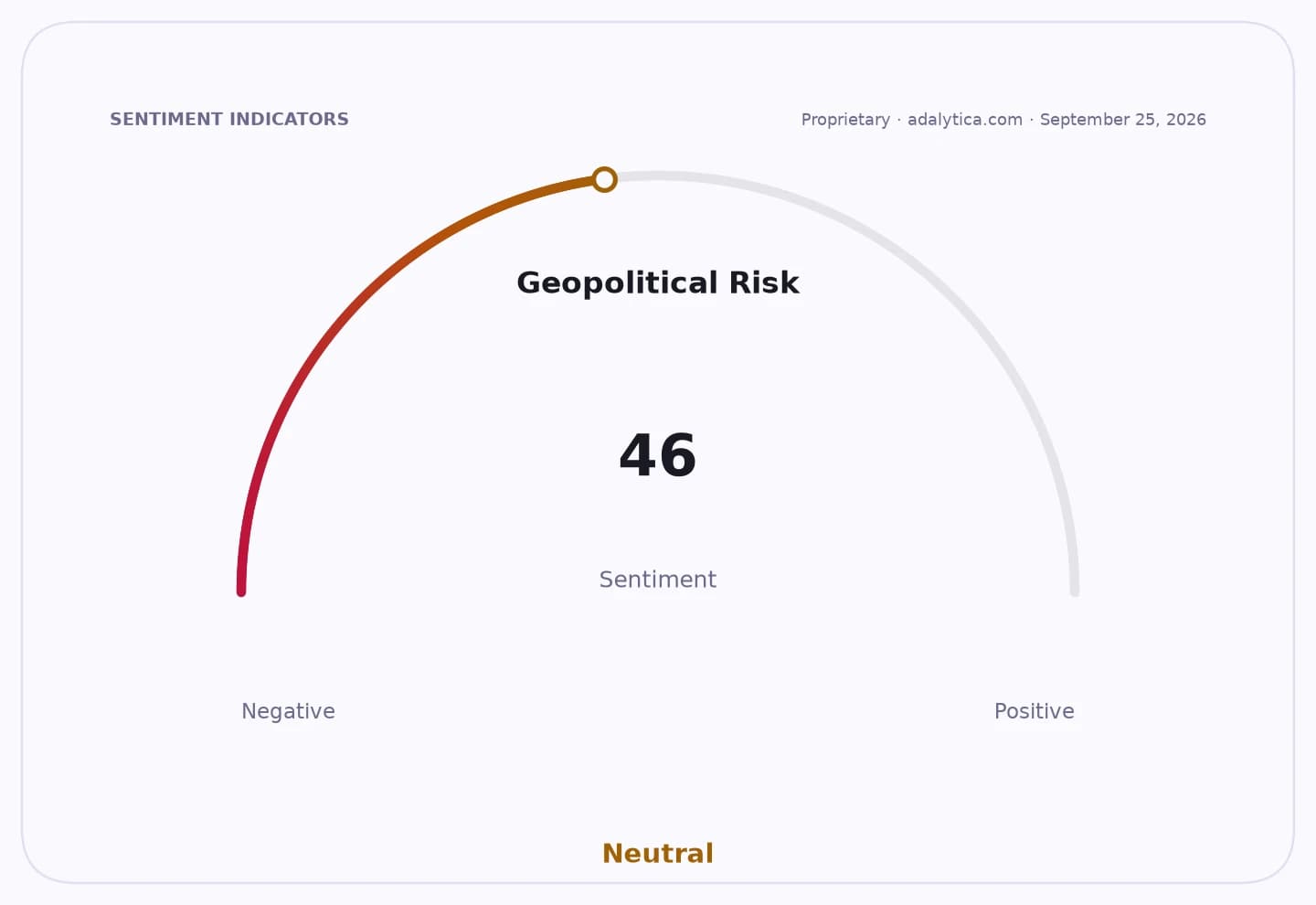
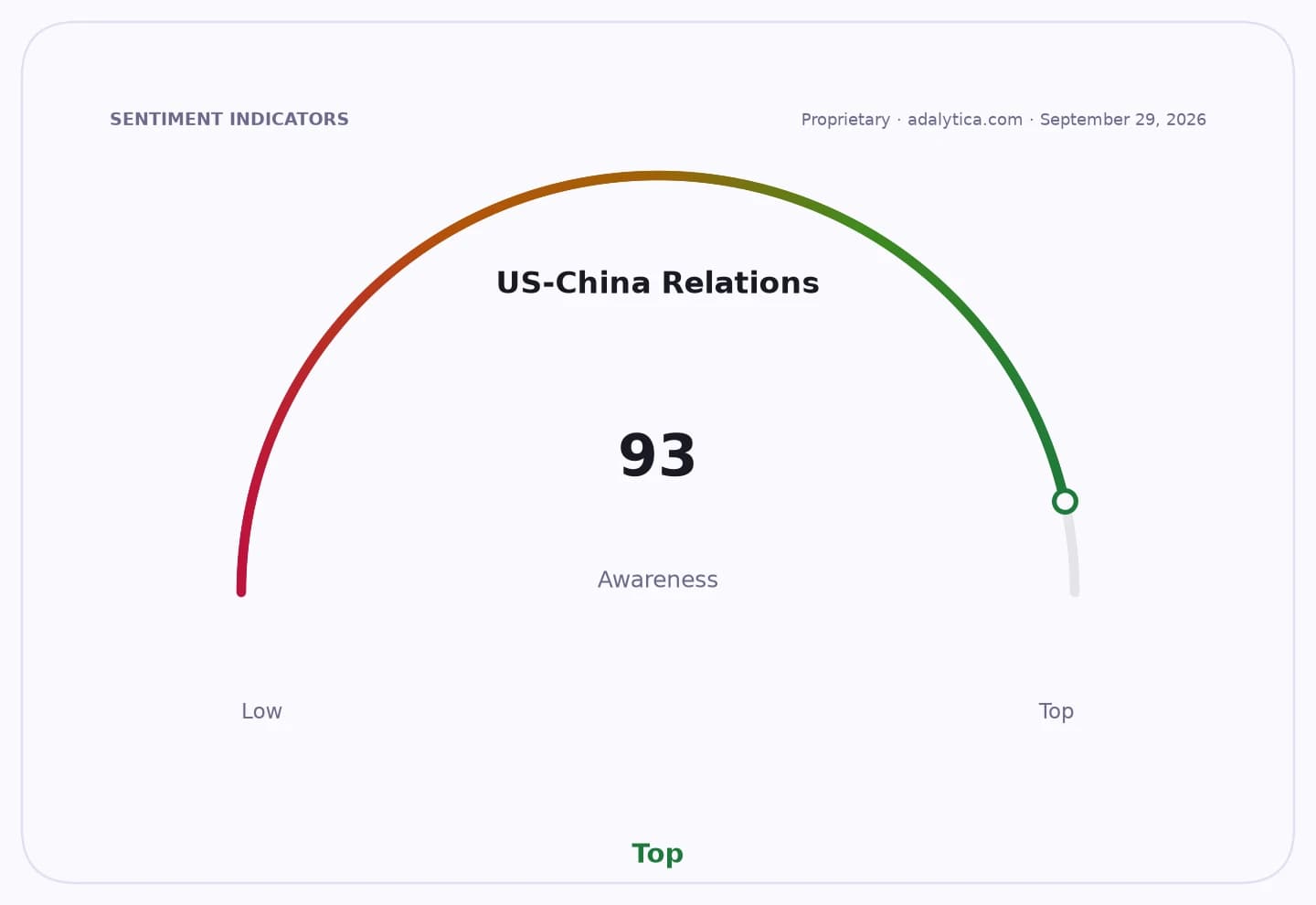
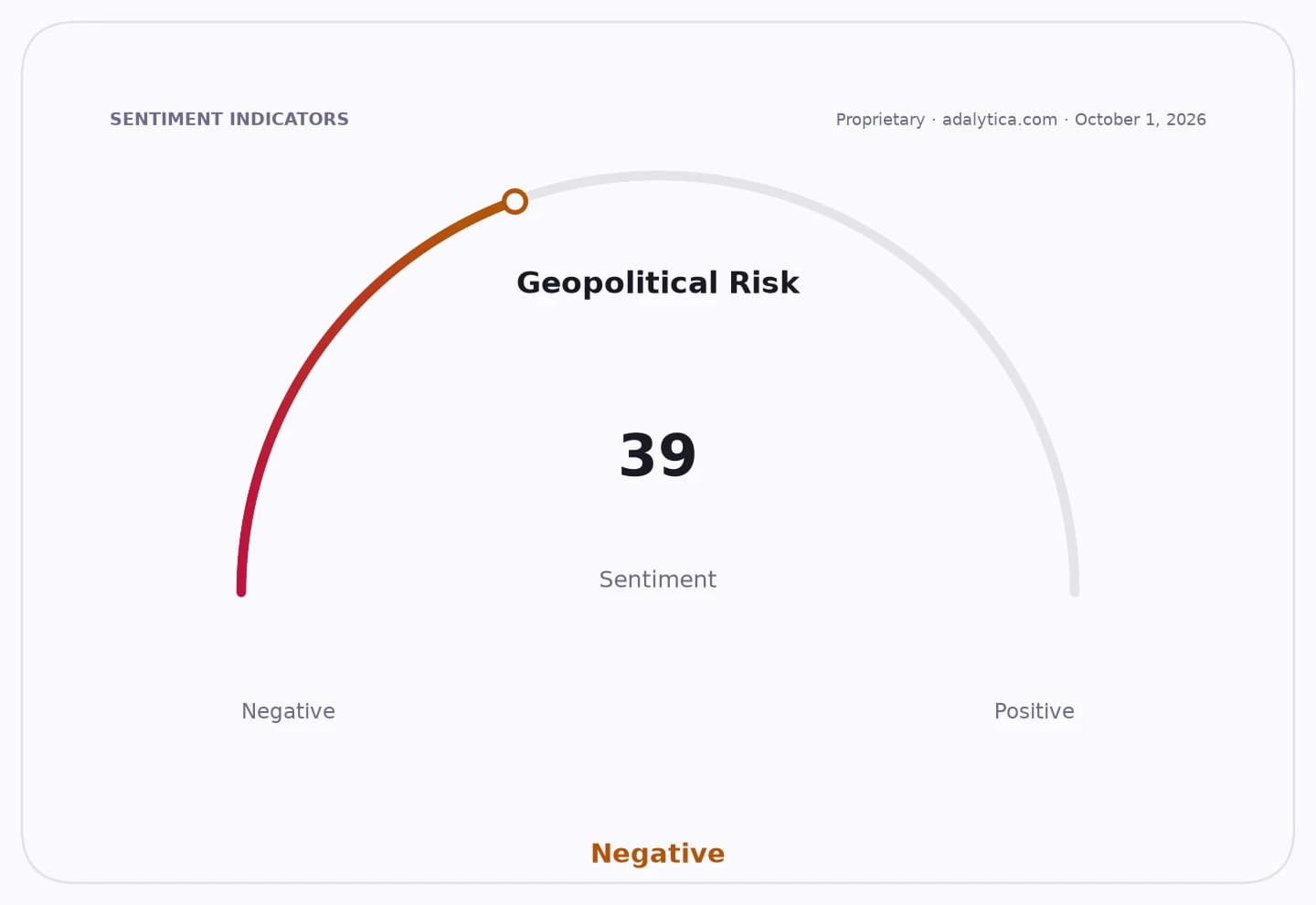
Sentiment IndicatorsⓘProprietary · adalytica.com · October 1, 2026
This is a snapshot — live sentiment, awareness and momentum for 130+ markets update continuously in the dashboard.Open AlphaPulse
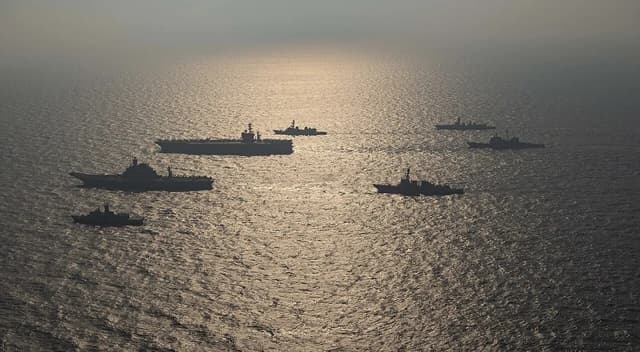
The clearest public-market beneficiaries are the big U.S. defense names already embedded in the Pentagon’s rearmament cycle. Lockheed Martin, Northrop Grumman and RTX sit at the center of missile defense, radar, command systems and layered air defense — exactly the capabilities most likely to get funded when policymakers face a more capable Iran and a more assertive China. RTX has already staged a powerful move from its spring lows, while Lockheed has rebounded sharply from September weakness, but the broader point is that this kind of geopolitical friction tends to extend the procurement cycle rather than shorten it.
That is where the market may still be underestimating the opportunity. Investors often treat Middle East tension as a temporary crude-oil event. The more durable trade is in defense capex. Washington does not respond to asymmetric targeting threats with speeches; it responds with interceptors, radar upgrades, satellite surveillance, electronic warfare and stockpile replenishment. Those are multiyear revenue streams, and they are difficult to unwind once appropriated.
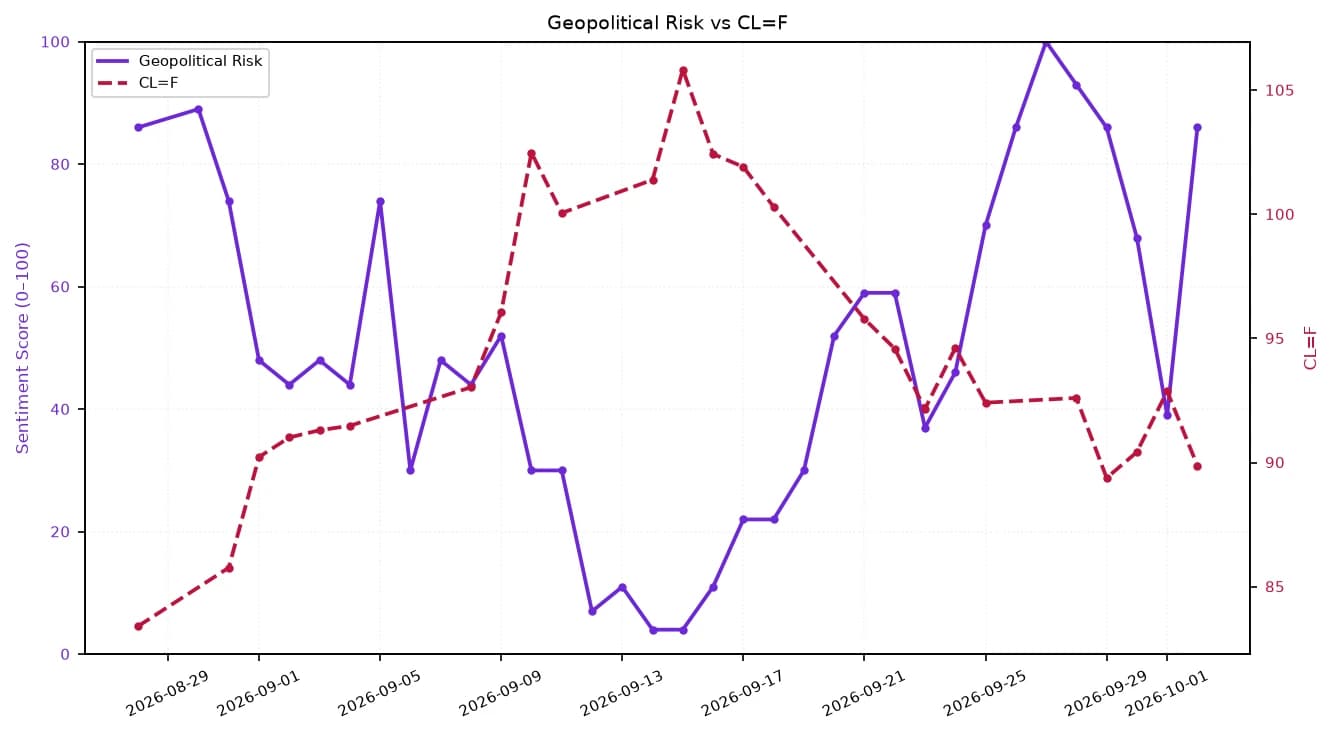
Geopolitical Risk vs LMTadalytica.com
Explore this data interactively — full history, time series and cross-market comparisons.Open AlphaPulse
The Adalytica Global Stability Sentiment snapshot has turned sharply more cautious, while U.S. dollar trade signals are flashing extreme fear, underscoring how quickly geopolitical stress can spill into positioning across asset classes. At the same time, the technical picture for the defense complex remains constructive enough to suggest investors are still willing to pay for safety and certainty when the world gets less stable. That combination — fear in the macro backdrop and persistent bid for defense equities — is exactly how secular re-rating stories start.
China’s role matters even more because it changes the strategic frame. If Beijing is willing to support Tehran in ways that improve targeting against U.S. forces and shipping, the issue is no longer only Iran’s missile inventory. It becomes a broader contest over information, surveillance and allied coordination. That raises the value of companies that sell the connective tissue of modern warfare, from sensors and networks to integrated air and missile defense.
Our thesis is straightforward: this is not a one-day geopolitical trade. It is another evidence point that the world is moving deeper into a defense-supercycle, and the best risk-adjusted way to play it is through the contractors that supply the systems most governments cannot afford to go without. For long-term investors, the message is to stay positioned in defense leaders and treat weakness as an opportunity, not a warning.
| Entity | Gains | Losses |
|---|---|---|
| Lockheed Martin, Northrop Grumman, RTX | ▲Higher defense demand | ▼Normalized budgets |
| U.S. military planners | ▲More urgency for upgrades | ▼Operational surprise risk |
| Iran and China | ▲More leverage over U.S. assets | ▼Higher retaliation risk |
| Oil, shipping and insurers | ▲Higher security pricing | ▼Route and war-risk exposure |