The biggest market implication of Washington’s China strategy is not a shooting war — it is a prolonged surge in defense demand as the Pentagon races to build denial capabilities that make an invasion of Taiwan look impossible.
Defense Stocks Benefit From Taiwan Deterrence Spending
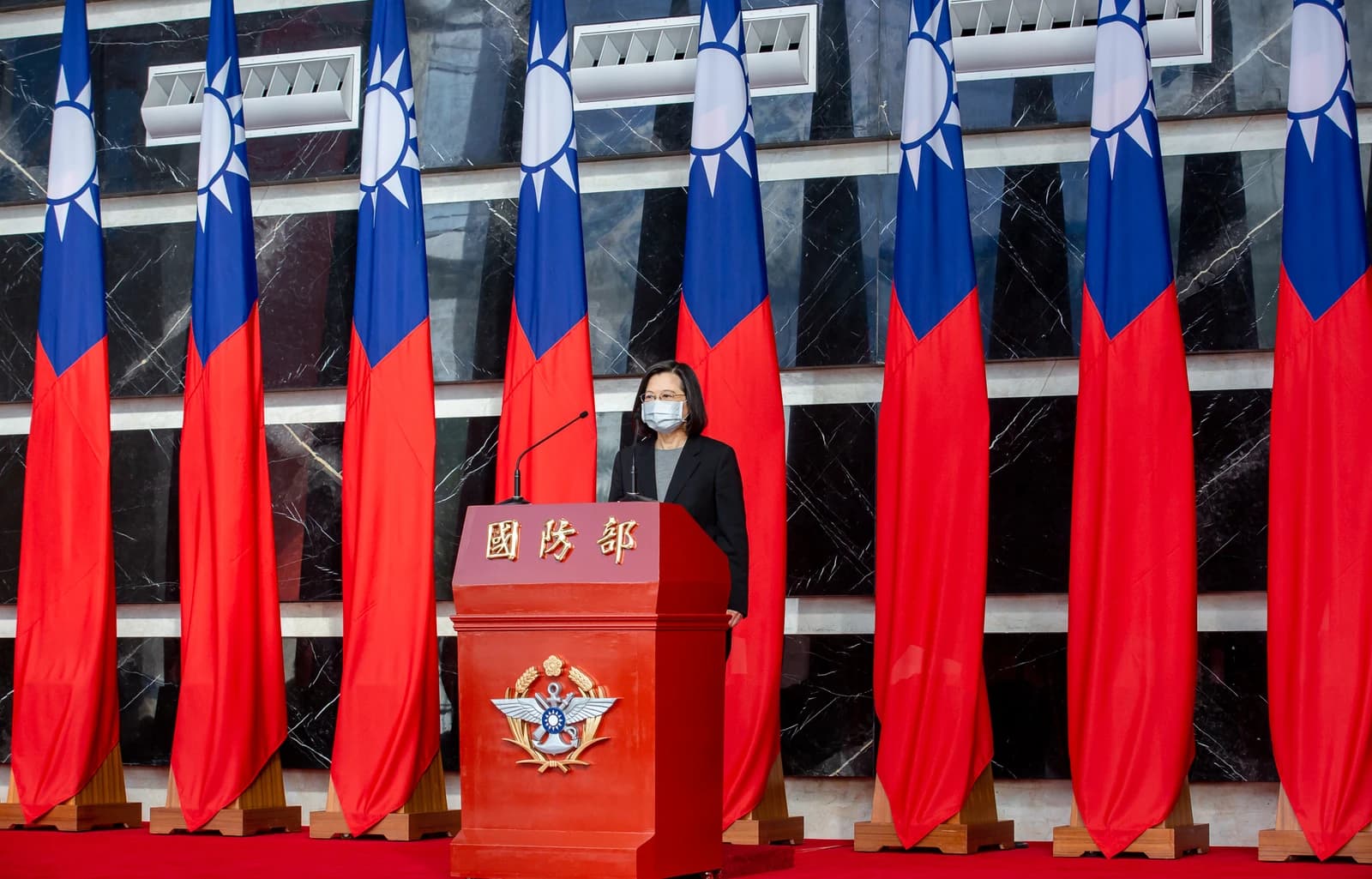
Adm. Samuel Paparo, the four-star commander of U.S. Indo-Pacific Command, now sits at the center of that trade. Time’s profile of the 61-year-old “Top Gun”-inspired aviator underscores how seriously the U.S. views the risk around Taiwan, even as intelligence says Beijing has not set a specific invasion date. Paparo’s job is to keep that date from ever arriving by convincing China that any assault would be too costly and too uncertain to succeed.
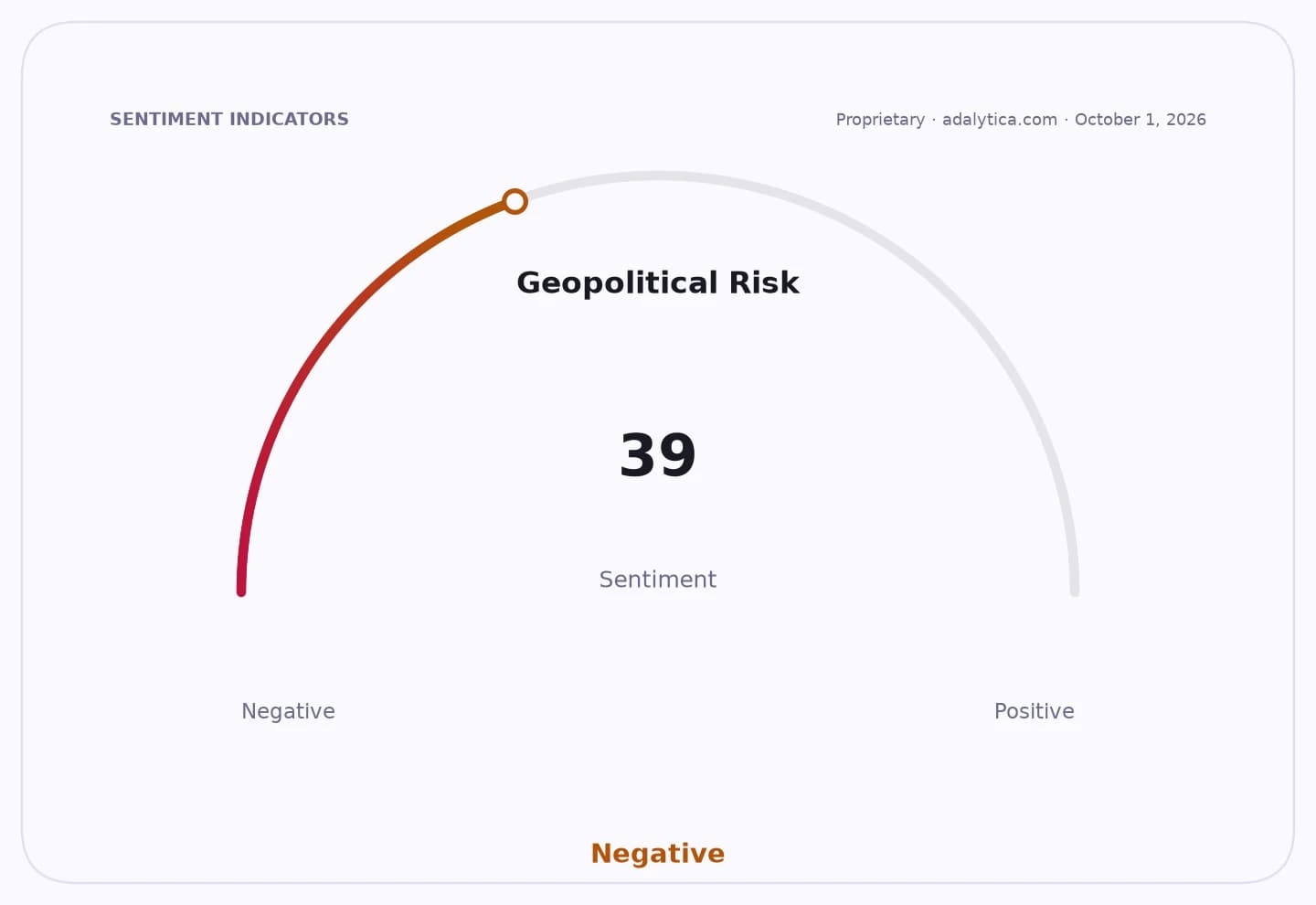
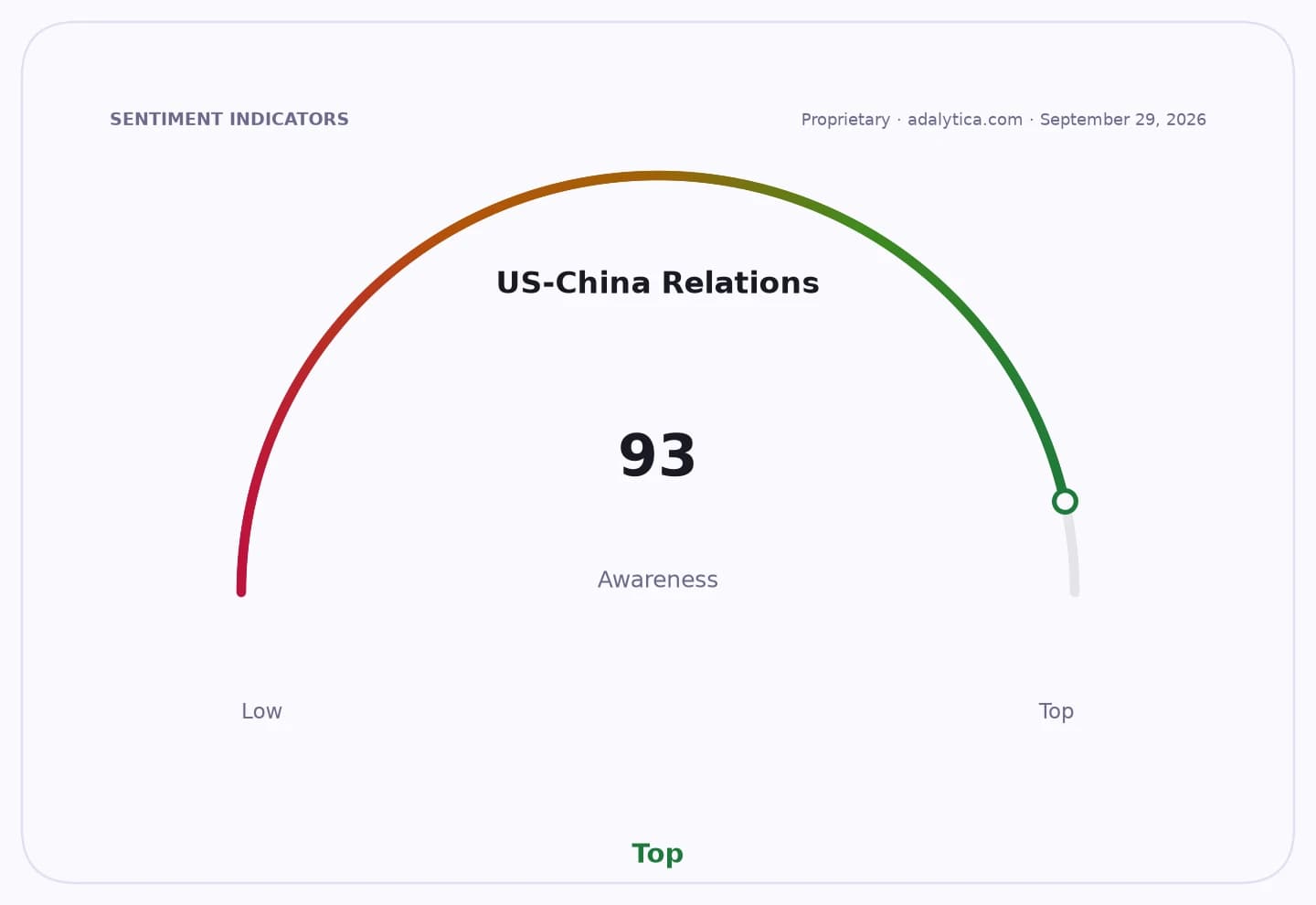
Sentiment IndicatorsⓘProprietary · adalytica.com · September 29, 2026
This is a snapshot — live sentiment, awareness and momentum for 130+ markets update continuously in the dashboard.Open AlphaPulse
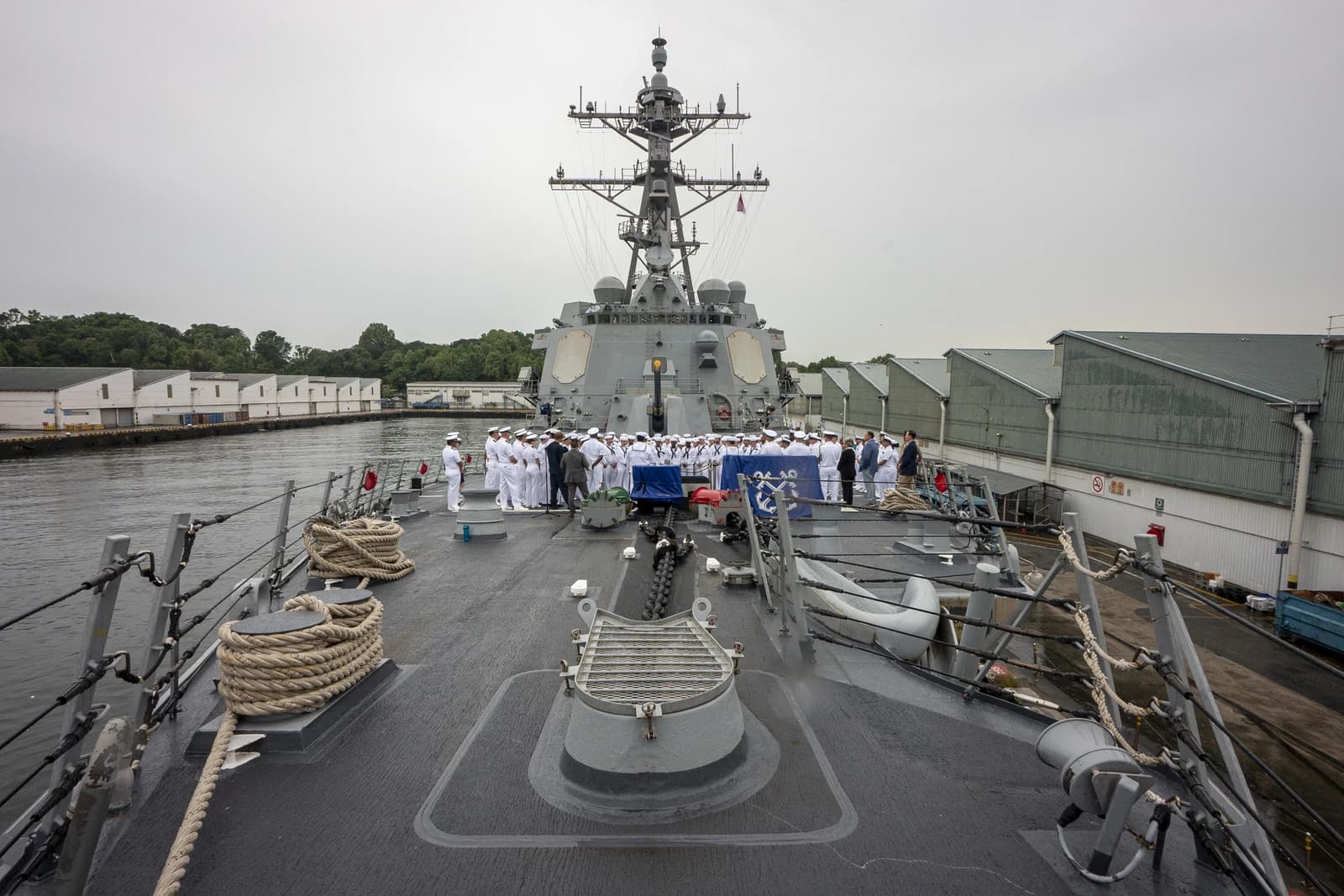
That is why the story matters economically. The center of gravity in the Pacific is shifting from deterrence by presence to deterrence by denial — a doctrine that relies heavily on drones, sensors, submarines, long-range missiles and electronic warfare. Paparo’s proposed “Hellscape” concept, designed to swamp the Taiwan Strait with unmanned systems, is the clearest sign yet that the next phase of U.S. military procurement will be driven by mass, speed and attritable hardware rather than only by exquisite platforms. For investors, that points to a multi-year capex cycle in the defense complex, especially among companies with exposure to missiles, integrated air defense, naval systems and autonomous systems.
The market is already hinting at that shift. Lockheed Martin, Northrop Grumman and RTX remain deeply tied to the rearmament theme, even if their shares have been volatile. Lockheed has held well above its 50-day and 200-day moving averages for much of the year before recent weakness pulled it back toward the low $510s, while Northrop and RTX have also swung sharply as traders rotate between valuation worries and fresh geopolitical urgency. The underlying thesis, however, is intact: every escalation in U.S.-China tension raises the probability of faster Pentagon spending, allied rearmament and procurement for the kind of systems Paparo is describing.
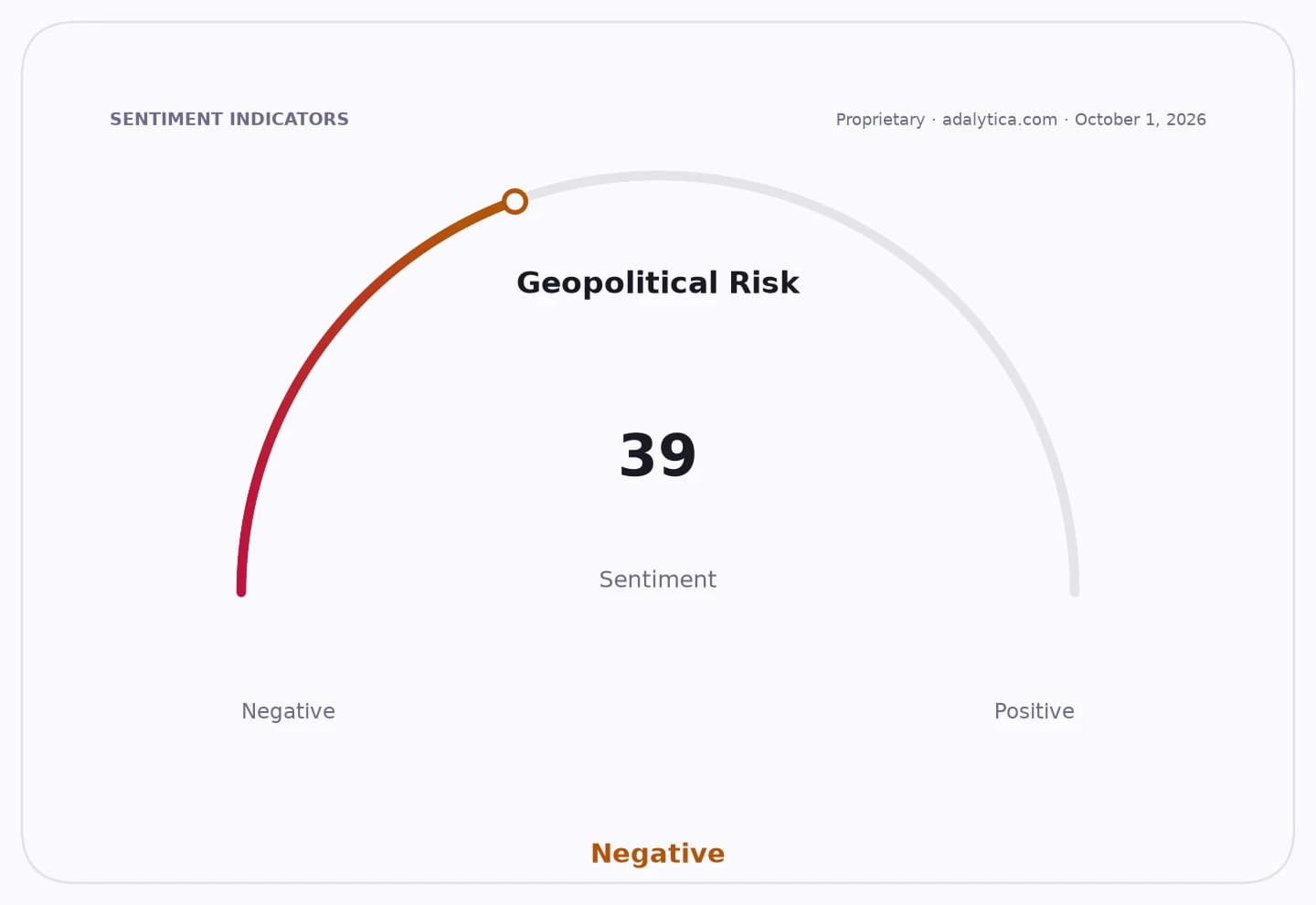
Geopolitical Risk vs LMTadalytica.com
Explore this data interactively — full history, time series and cross-market comparisons.Open AlphaPulse
The stakes are larger than Taiwan alone. Paparo commands more than 400,000 military, Coast Guard and civilian personnel across 36 countries covering roughly 60% of the world’s population, which means the Indo-Pacific is now the main theater where geopolitics, trade routes and semiconductor supply chains intersect. A crisis there would not just hit equities through defense names; it would reverberate through shipping, chips, industrial supply chains and U.S. Treasury demand as investors price a worse global growth path. The yield curve already shows markets are not dismissing risk, with the 10-year and 2-year spread still modestly positive near 0.37 percentage point, while global-stability sentiment remains elevated but fragile.
My view is that the market underestimates how durable this spending wave could be. The U.S. is not preparing for a short, one-off response; it is building a posture for a long competition with China, and those budgets rarely go backward once the doctrine changes. The winner’s list includes prime contractors, missile and drone suppliers, and the industrial base behind them. The losers are any investors betting on a thaw that meaningfully slows the Pacific arms buildup. If you want exposure to the next leg of the defense megatrend, buy the companies that make Taiwan harder to attack, not the ones hoping the crisis stays rhetorical.
| Entity | Gains | Losses |
|---|---|---|
| Lockheed Martin, Northrop Grumman, RTX | ▲More missile and deterrence spending | ▼Budget pressure if tensions ease |
| U.S. Indo-Pacific Command | ▲Greater procurement support | ▼No quick diplomatic off-ramp |
| Taiwan defense suppliers | ▲Demand for drones, sensors, air defense | ▼Exposure to a blockade or invasion risk |
| China’s military planners | ▲Pressure to adapt strategy | ▼Higher costs and tougher invasion odds |