Washington may be in no hurry to approve a long-delayed Taiwan arms package, and that matters because the decision has become less about hardware and more about how much leverage President Donald Trump is willing to give Beijing in the next round of U.S.-China talks.
Taiwan Arms Sale Delay Could Benefit Defense Contractors
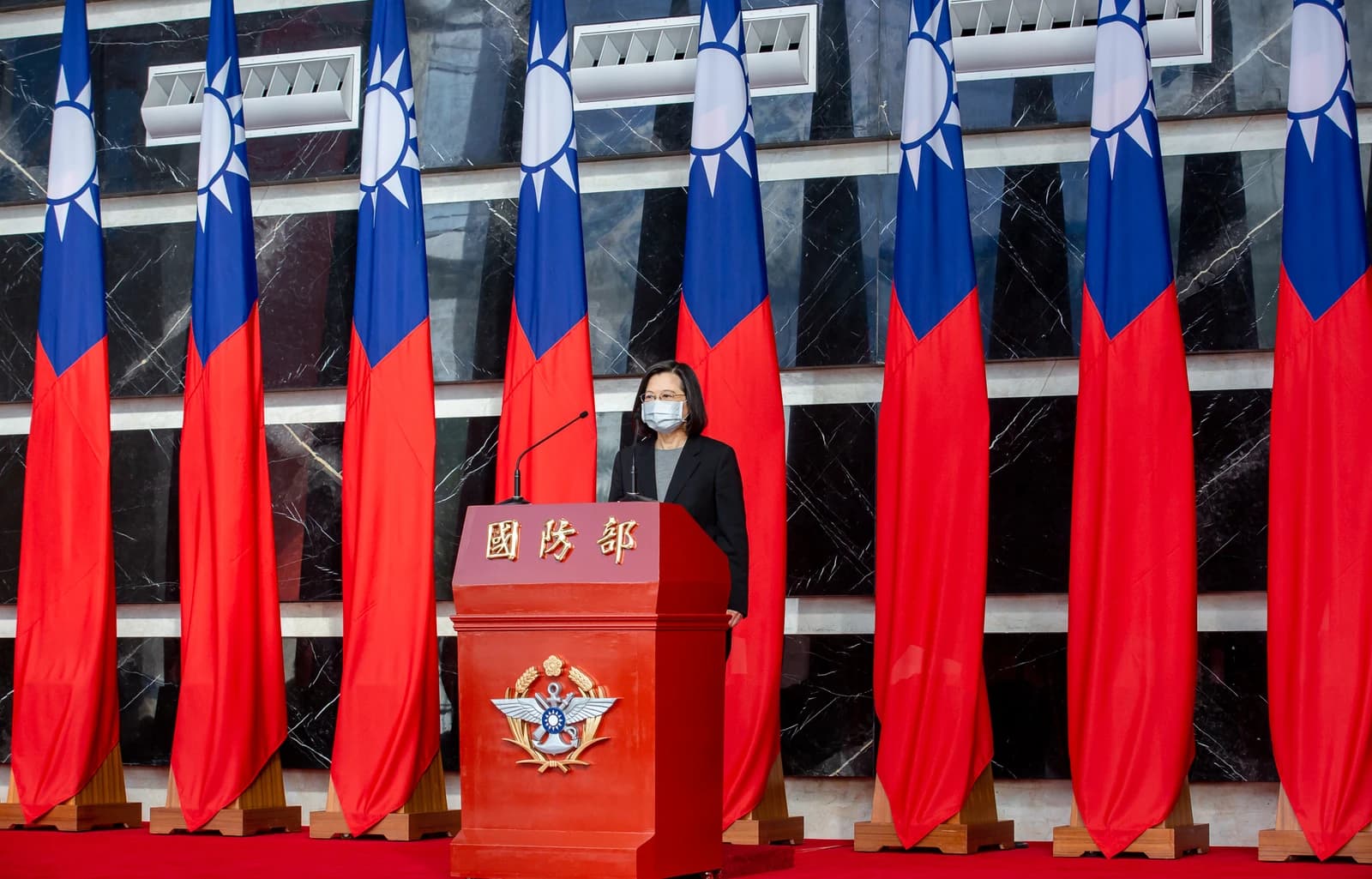
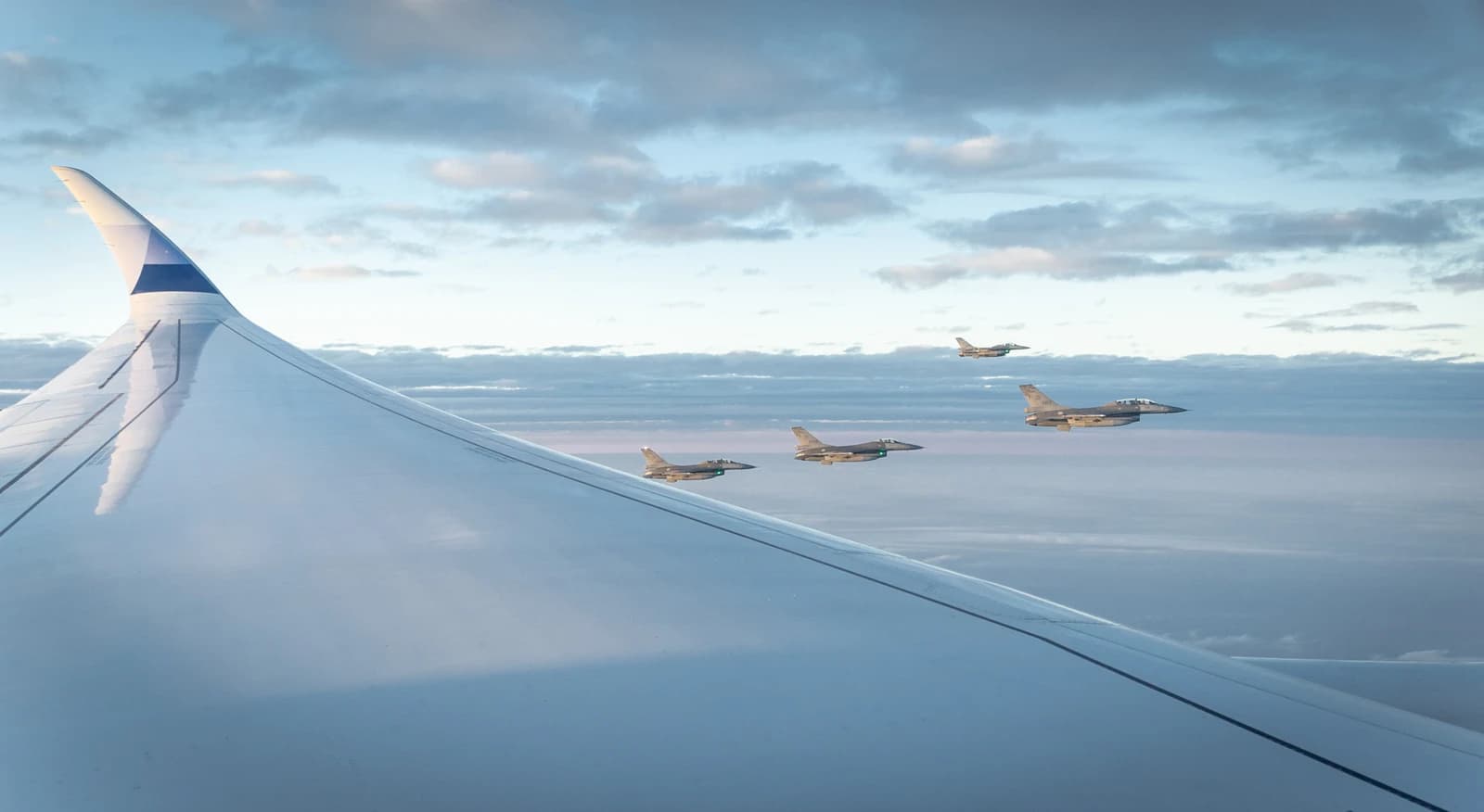
The pending $14 billion sale is still under review, but analysts say the White House could push it back until after Trump’s planned meetings with Chinese President Xi Jinping in China in November and at the G20 summit in Miami in December. That would turn a once-routine defense transaction into a bargaining chip in a wider diplomatic effort, with Taiwan’s security caught in the middle.
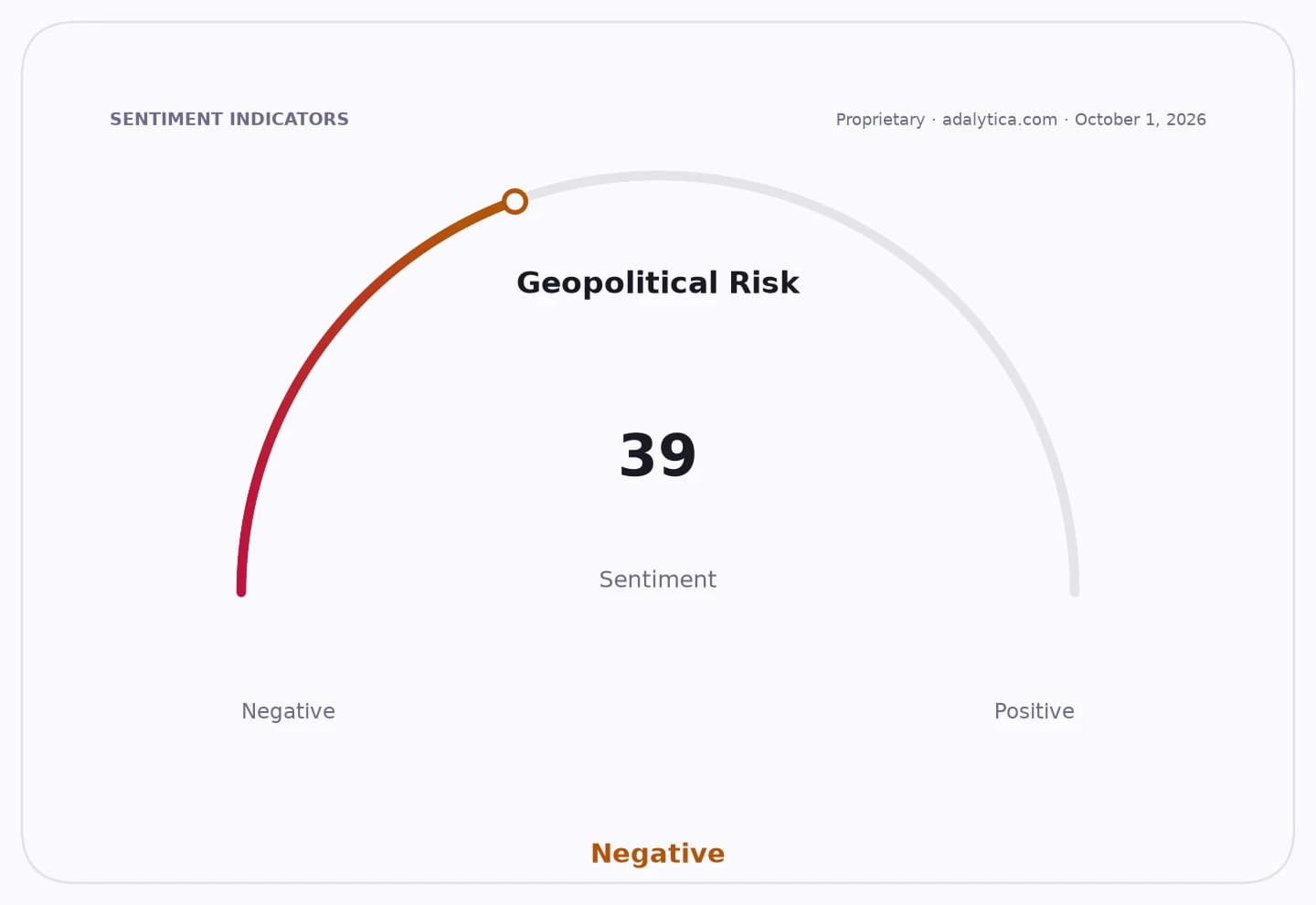
Sentiment IndicatorsⓘProprietary · adalytica.com · October 2, 2026
This is a snapshot — live sentiment, awareness and momentum for 130+ markets update continuously in the dashboard.Open AlphaPulse
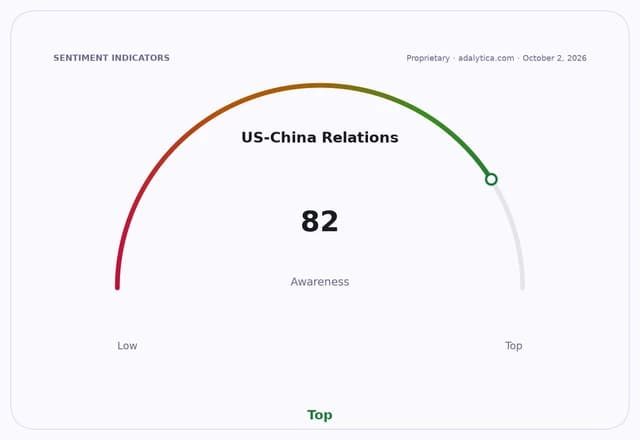
For investors, the timing matters because Taiwan arms sales are not just a geopolitical signal; they support a steady stream of demand for U.S. defense contractors with exposure to missiles, sensors, command systems and air defense. If Washington delays or breaks the package into smaller tranches, it could stretch out the revenue recognition for contractors such as RTX, Lockheed Martin and Northrop Grumman rather than delivering a cleaner one-time boost.
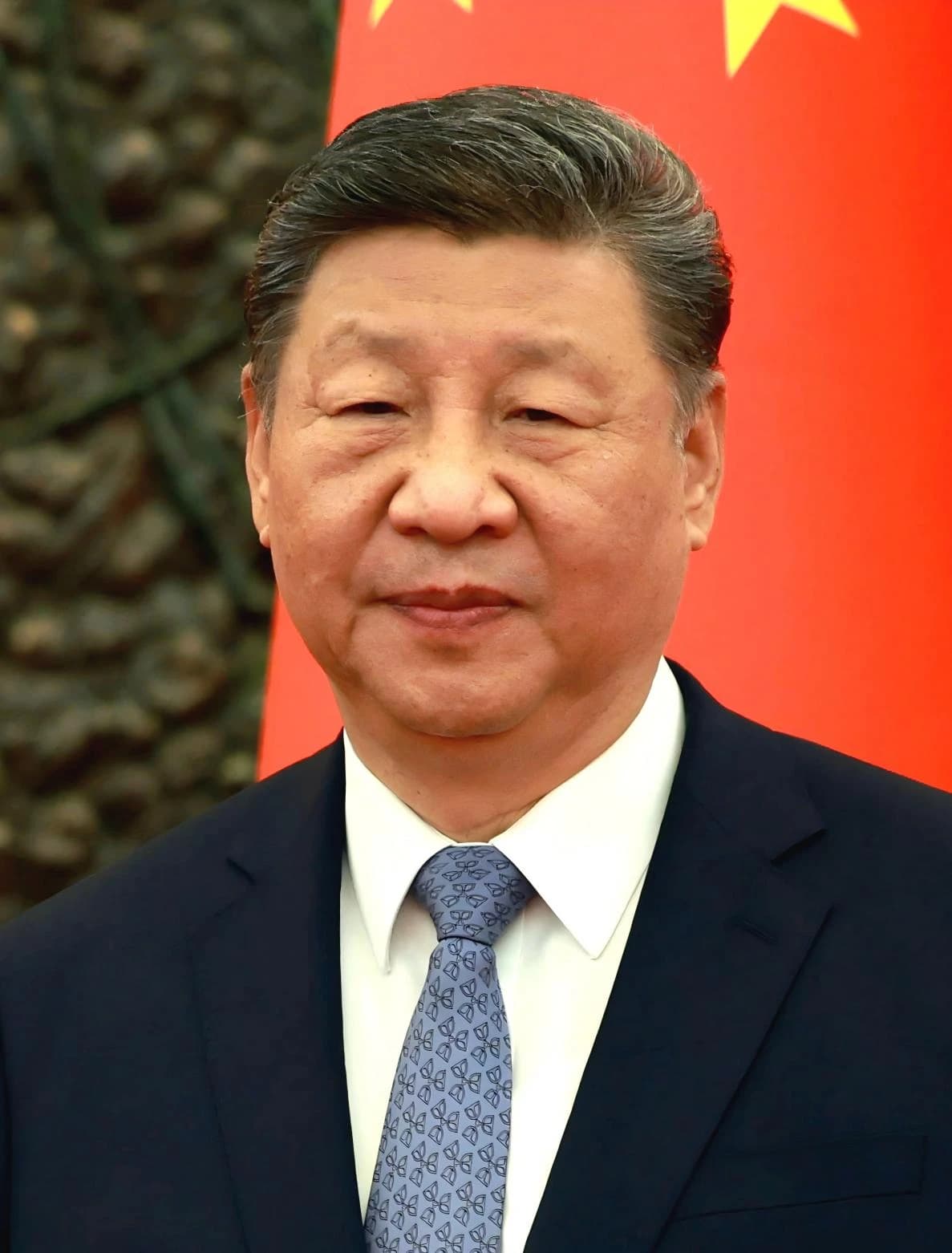
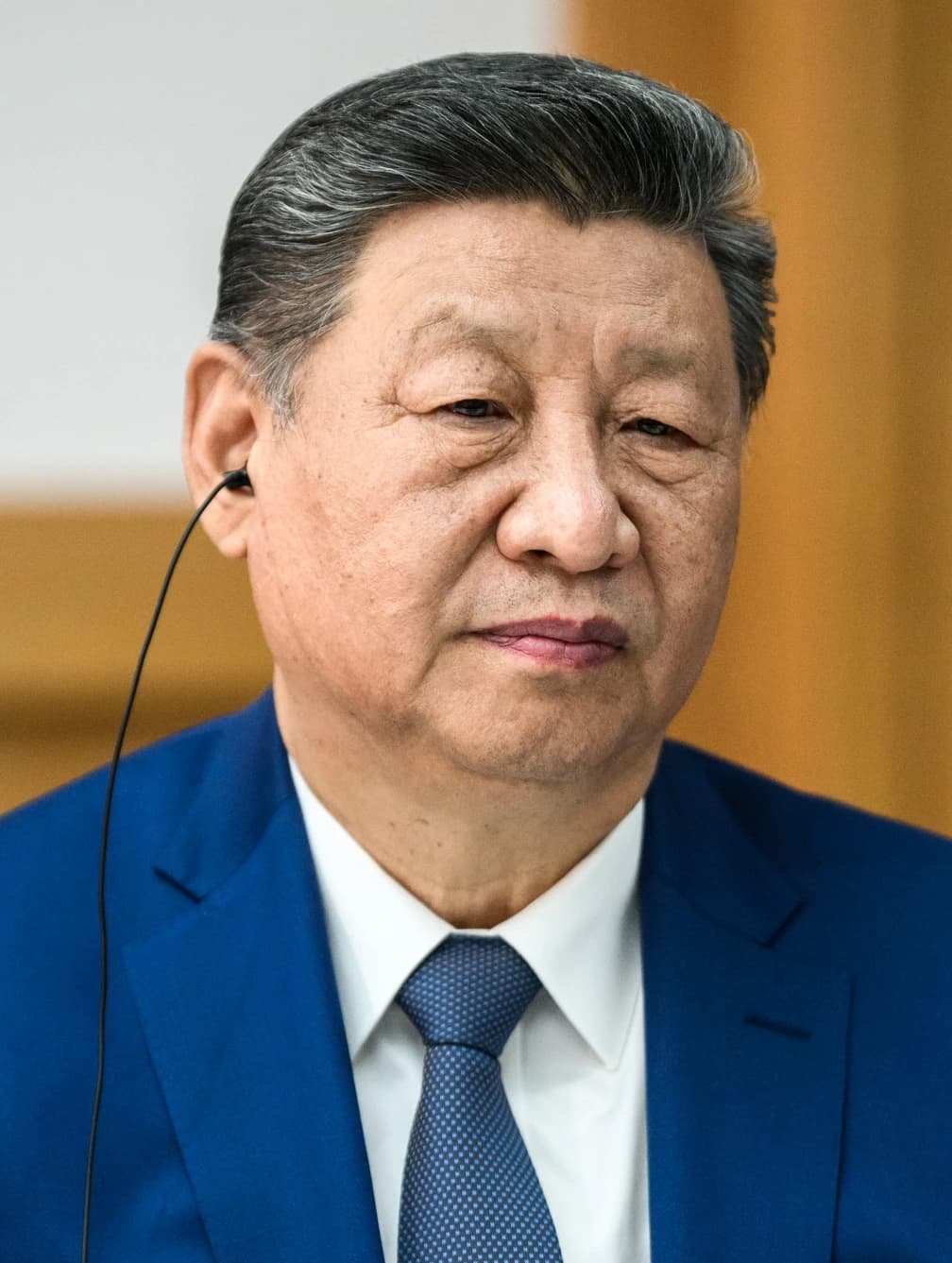
Analysts say Trump’s approach looks different from his first term, when the administration tried to make Taiwan arms sales smaller and more routine to avoid turning every package into a major political fight. This time, the issue appears to be part of the negotiation itself. China is pressing Washington to oppose “Taiwan independence” and handle the issue “prudently,” while the White House has publicly repeated that U.S. policy has not changed.
US-China Relations vs RTXadalytica.com
Explore this data interactively — full history, time series and cross-market comparisons.Open AlphaPulse
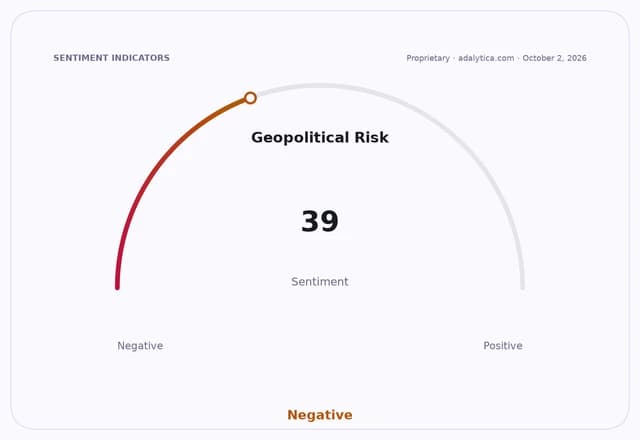
That gap between public language and actual sequencing is what investors should watch. A delay does not mean the sale disappears. It means the U.S. may be treating Taiwan arms as leverage, which can increase uncertainty for defense suppliers even if the eventual outcome is still more spending and more orders. For long-term shareholders, that tends to favor firms with deep backlogs, diversified programs and recurring government demand over companies overly dependent on any single foreign sale.
The broader narrative is straightforward: Trump wants room to maneuver with Xi on trade, war de-escalation and other strategic priorities, and Taiwan has become one of the few pressure points Washington can still control. If the White House waits until late this year or even 2027, the market may need to price in a slower path for new Taiwan business, but not a weaker long-term defense cycle.
For investors, the key takeaway is patience. This is not a trade to chase day by day. It is a reminder that defense spending is driven by geopolitics, not quarterly sentiment, and that any delay in one package does little to change the durable demand behind the sector. Worth watching for long-term holders of major defense names.
| Entity | Gains | Losses |
|---|---|---|
| U.S. defense contractors | ▲eventual orders | ▼near-term timing |
| Taiwan | ▲eventual U.S. support | ▼immediate security certainty |
| Trump administration | ▲leverage with Xi | ▼clarity on policy |
| China | ▲delay in arms sale | ▼pressure from continued U.S. support |