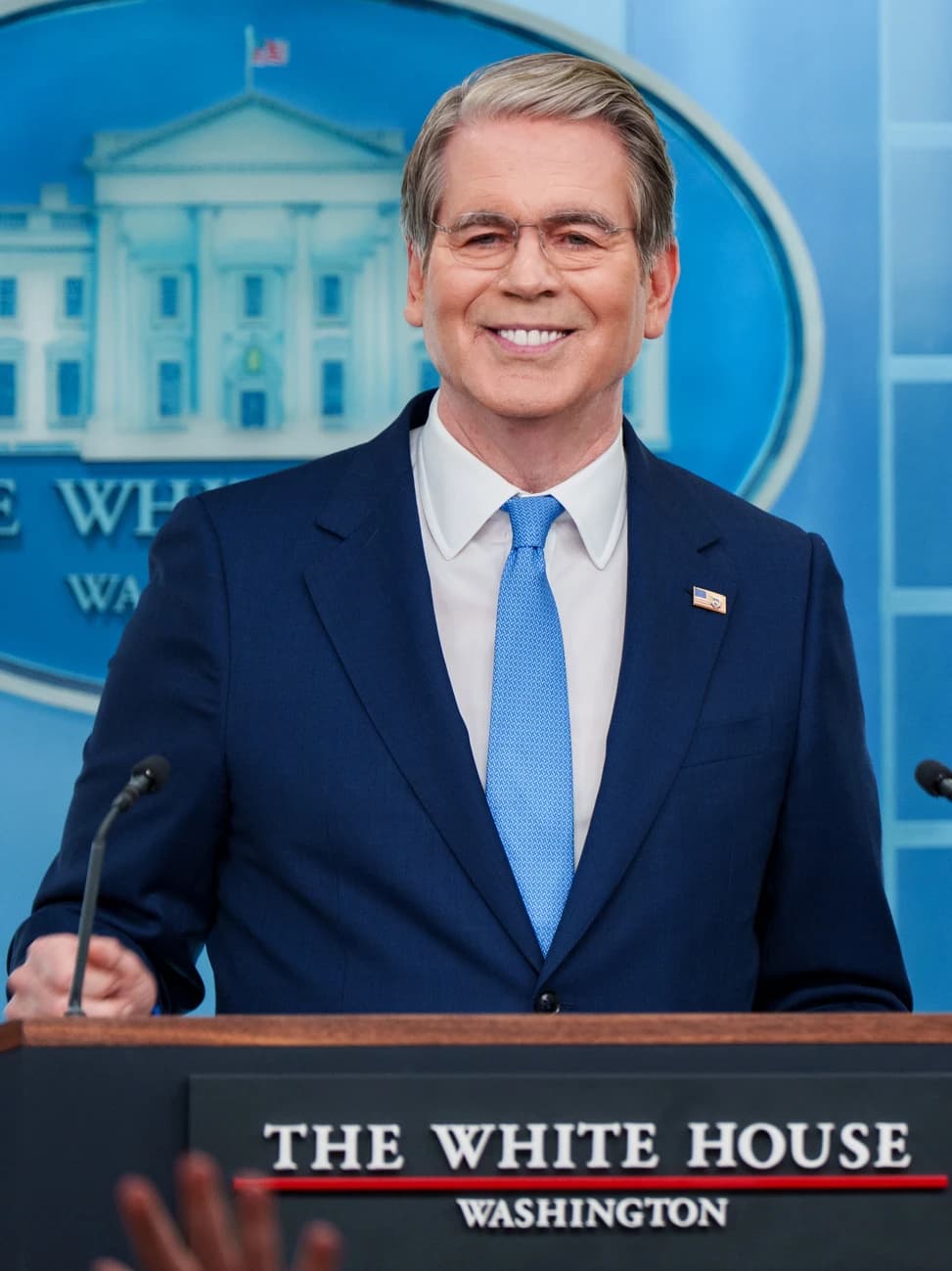
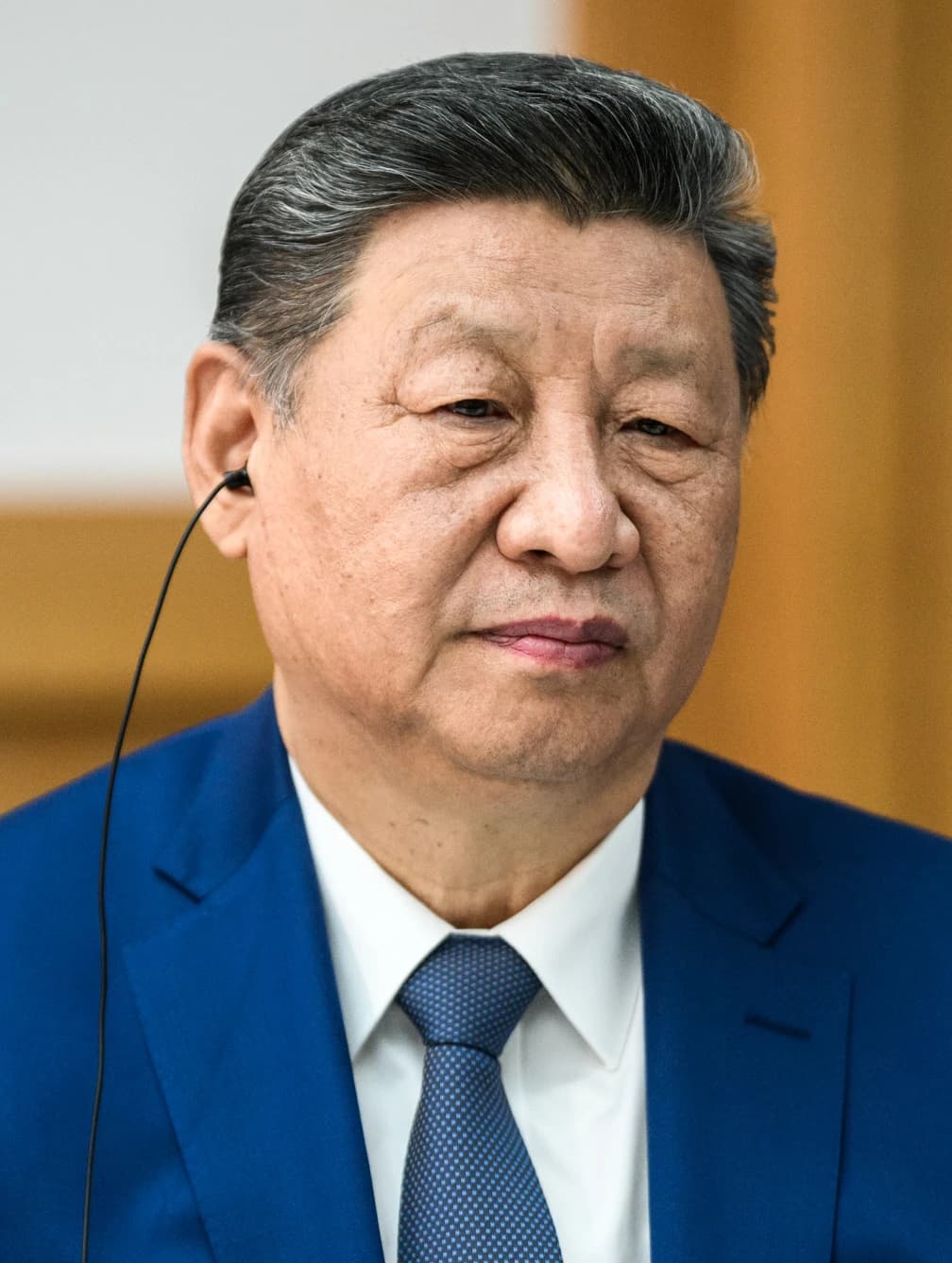
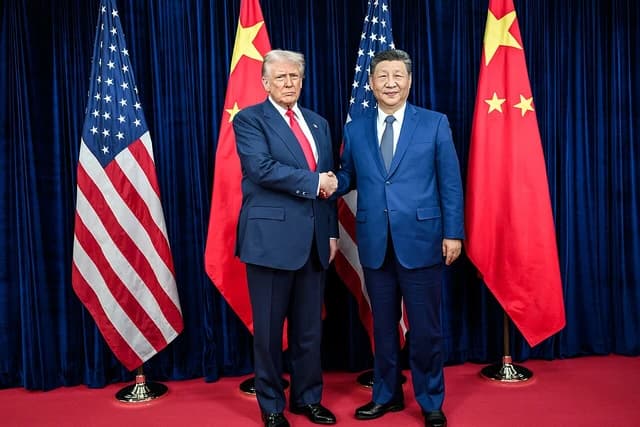
President Donald Trump’s face-to-face meeting with Xi Jinping this week is emerging as a high-stakes test of whether Washington will tighten, not ease, pressure on China — a outcome that could move everything from semiconductor demand to broad emerging-market risk appetite.
Trump Xi Summit Could Tighten China Tech Pressure
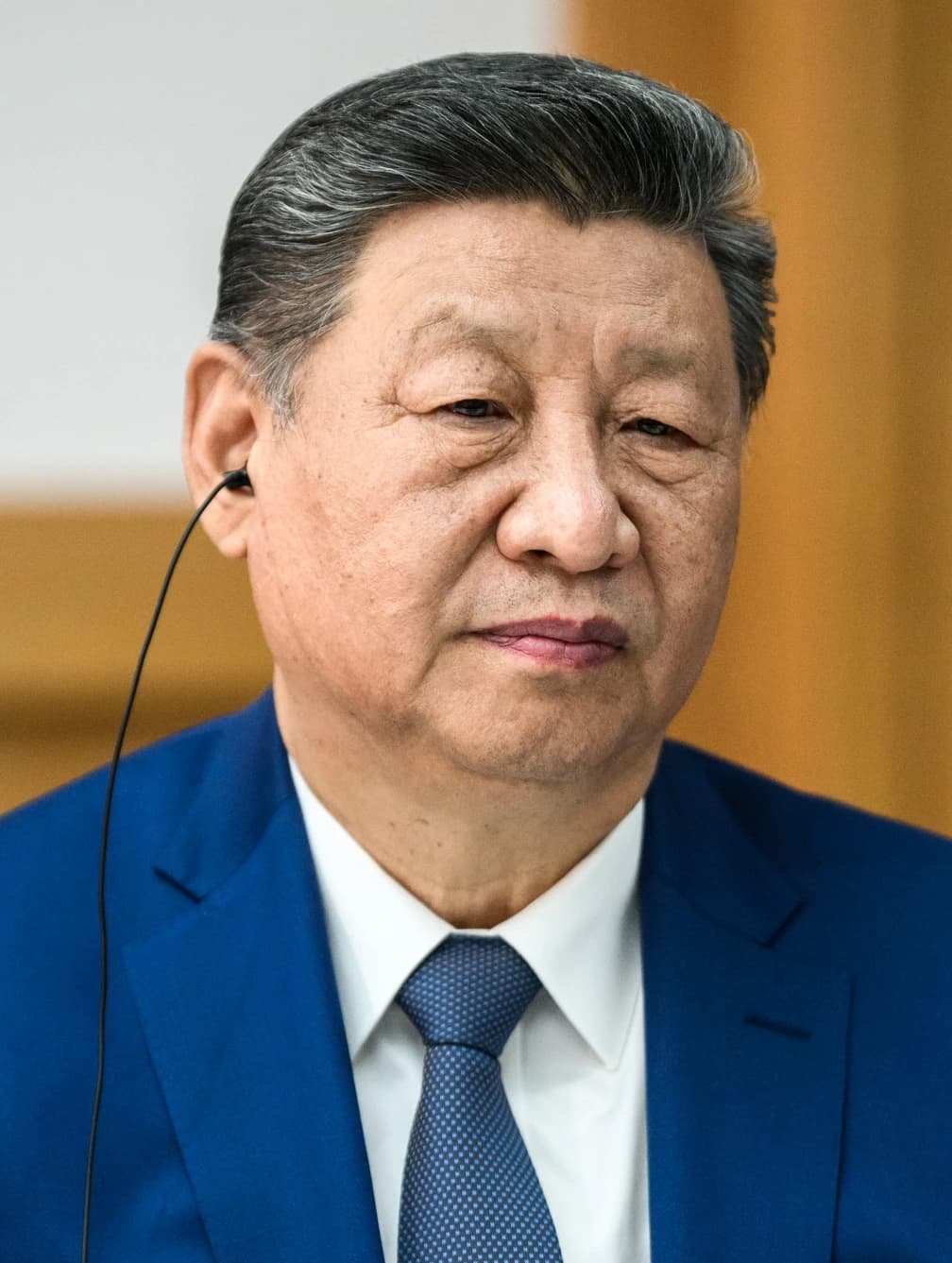
The immediate market issue is not ceremony. It is whether Trump uses the summit to harden export controls, especially on advanced AI chips, at a moment when lawmakers are publicly urging him to stop what they see as a giveaway to Beijing. Senate Majority Leader Chuck Schumer said the White House is “greenlighting” sales of advanced AI chips to China, while Sen. Roger Wicker warned Trump against hosting Xi at all. That political pressure matters because chip access is now one of the most valuable levers in the U.S.-China rivalry, and it directly affects the earnings power of companies such as Nvidia and the wider AI infrastructure supply chain.
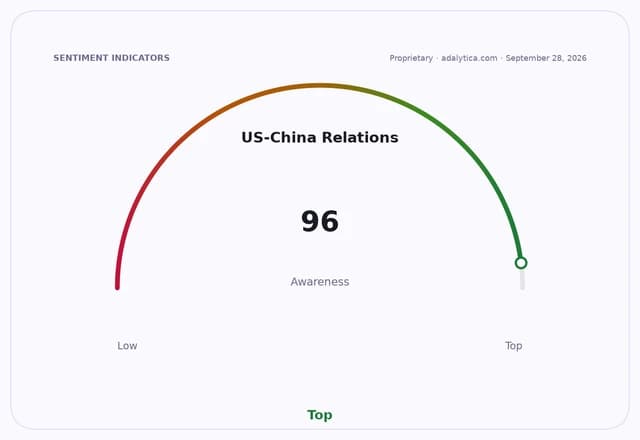
Sentiment IndicatorsⓘProprietary · adalytica.com · September 28, 2026
This is a snapshot — live sentiment, awareness and momentum for 130+ markets update continuously in the dashboard.Open AlphaPulse
Investors should read this as a potential inflection point for the trade truce as well. Washington and Beijing have only recently extended their temporary tariff pause until Jan. 10, keeping a fragile calm in place. If the summit produces no substantive de-escalation — and especially if Trump signals a tougher line on technology exports or trade enforcement — markets may quickly reprice the odds of another round of tariff friction. That would ripple through Chinese equities, multinationals exposed to China demand, and the currency complex.
The stakes are broader than trade. The White House is expected to unveil an AI-specific crisis hotline, a sign that both sides understand how quickly a technology incident could become a geopolitical crisis. Industry leaders including OpenAI chief executive Sam Altman and Nvidia’s Jensen Huang are expected at a White House state dinner, underscoring how deeply the AI race has become embedded in policy. For investors, that reinforces a key thesis: the winners are not just the headline AI platforms, but the suppliers of compute, networking, power and security infrastructure that benefit from prolonged strategic competition.
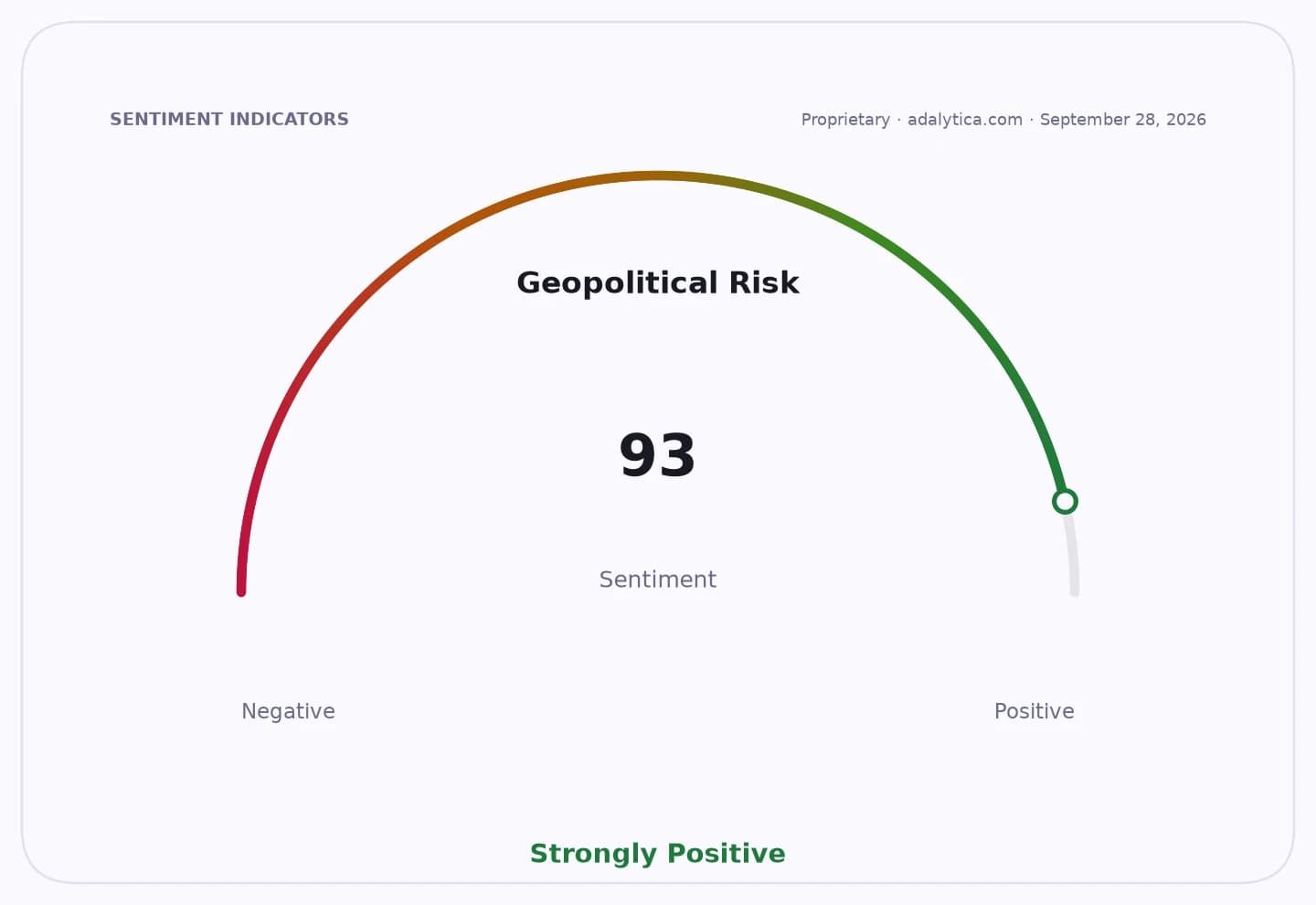
Geopolitical Risk — 30-day sentimentadalytica.com
Explore this data interactively — full history, time series and cross-market comparisons.Open AlphaPulse
China’s role in the Iran conflict adds another layer of pressure. Beijing has criticized new U.S. sanctions on Tehran, and a recent U.S.-China Economic and Security Review Commission report said China has provided economic, technological and diplomatic support that has helped Iran sustain oil exports and obtain dual-use technologies for drones and ballistic missiles. If Trump presses Xi on that issue, the summit could widen beyond trade into sanctions enforcement and energy geopolitics, a mix that tends to support defense names and keep risk premia elevated.
The market response is already visible in the asset tape. Chinese equity ETFs have weakened into the meeting, with the iShares China Large-Cap ETF and the iShares MSCI China ETF both trading below their 50-day moving averages, while the leveraged YINN fund has fallen sharply and sits well under both its 50-day and 200-day moving averages. That technical backdrop suggests traders are not pricing a meaningful détente. By contrast, U.S. stocks remain in risk-on territory, but Adalytica’s US-China relations gauge is flashing extreme greed — a reminder that sentiment can turn fast when policy headlines hit.
For investors, the trade is straightforward: own the picks-and-shovels that benefit from strategic decoupling, not the most directly exposed names that depend on open China access. Semiconductors, AI infrastructure, defense, cyber and domestic manufacturing remain the more resilient themes if Trump leaves the summit with a harder line on Beijing. If instead the meeting produces only symbolic language and no policy shift, the real upside may come from a relief rally in Chinese assets — but that would likely be short-lived unless export controls and tariff threats are clearly softened.
The market underestimates how much of this summit is about leverage, not symbolism. The next move in U.S.-China relations will likely be defined less by who smiles at the cameras than by what happens to chips, tariffs and sanctions afterward. Position for volatility, and stay with the beneficiaries of a colder strategic rivalry.
| Entity | Gains | Losses |
|---|---|---|
| Nvidia and chipmakers | ▲Export-control clarity | ▼China sales growth |
| Defense and cyber stocks | ▲Higher security spending | ▼Lower geopolitical risk premium |
| Chinese equities ETFss | ▲Policy de-escalation | ▼Tougher U.S. stance |
| U.S. multinationals with China exposure | ▲Stable trade truce | ▼Tariff escalation |