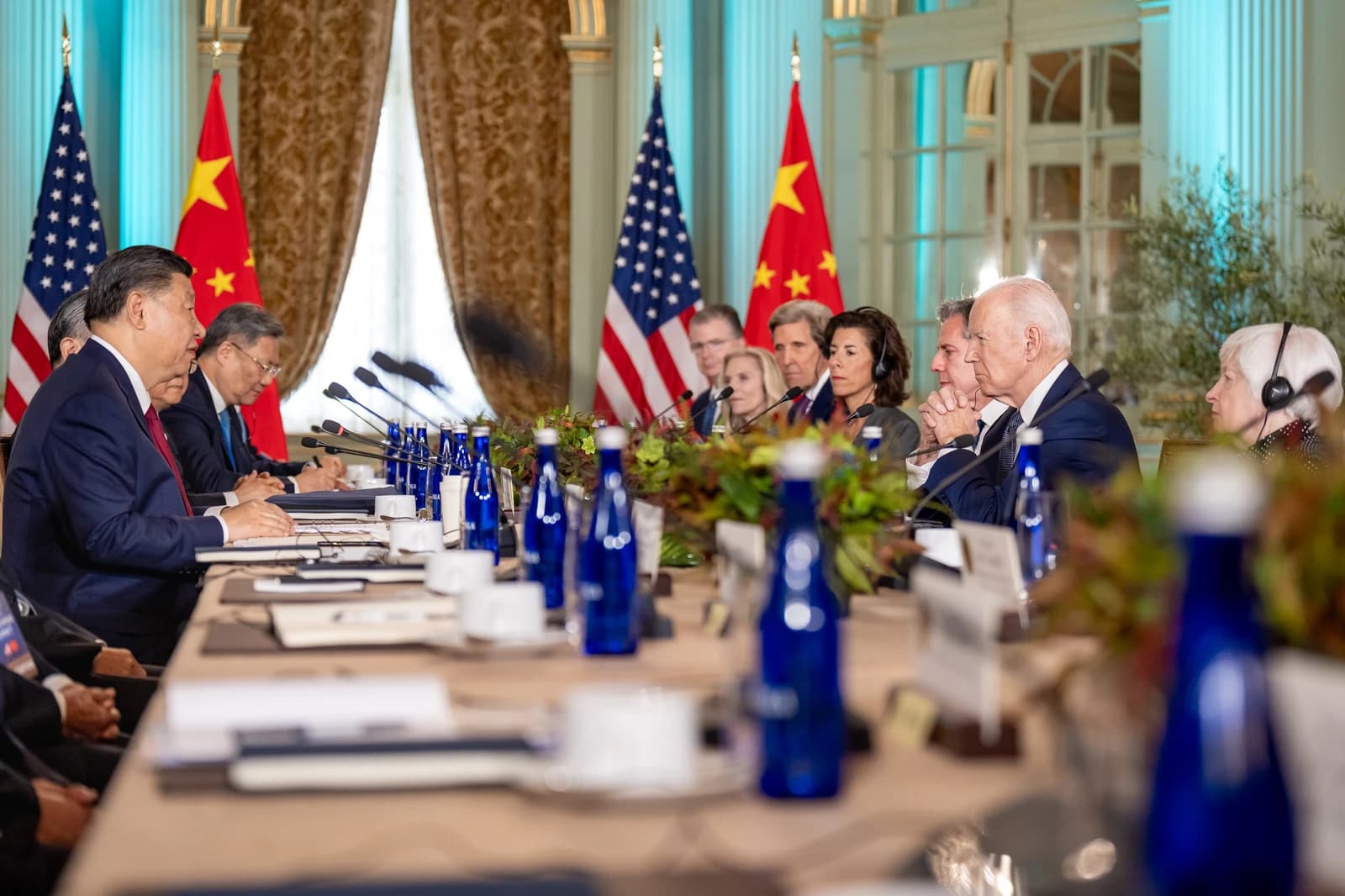
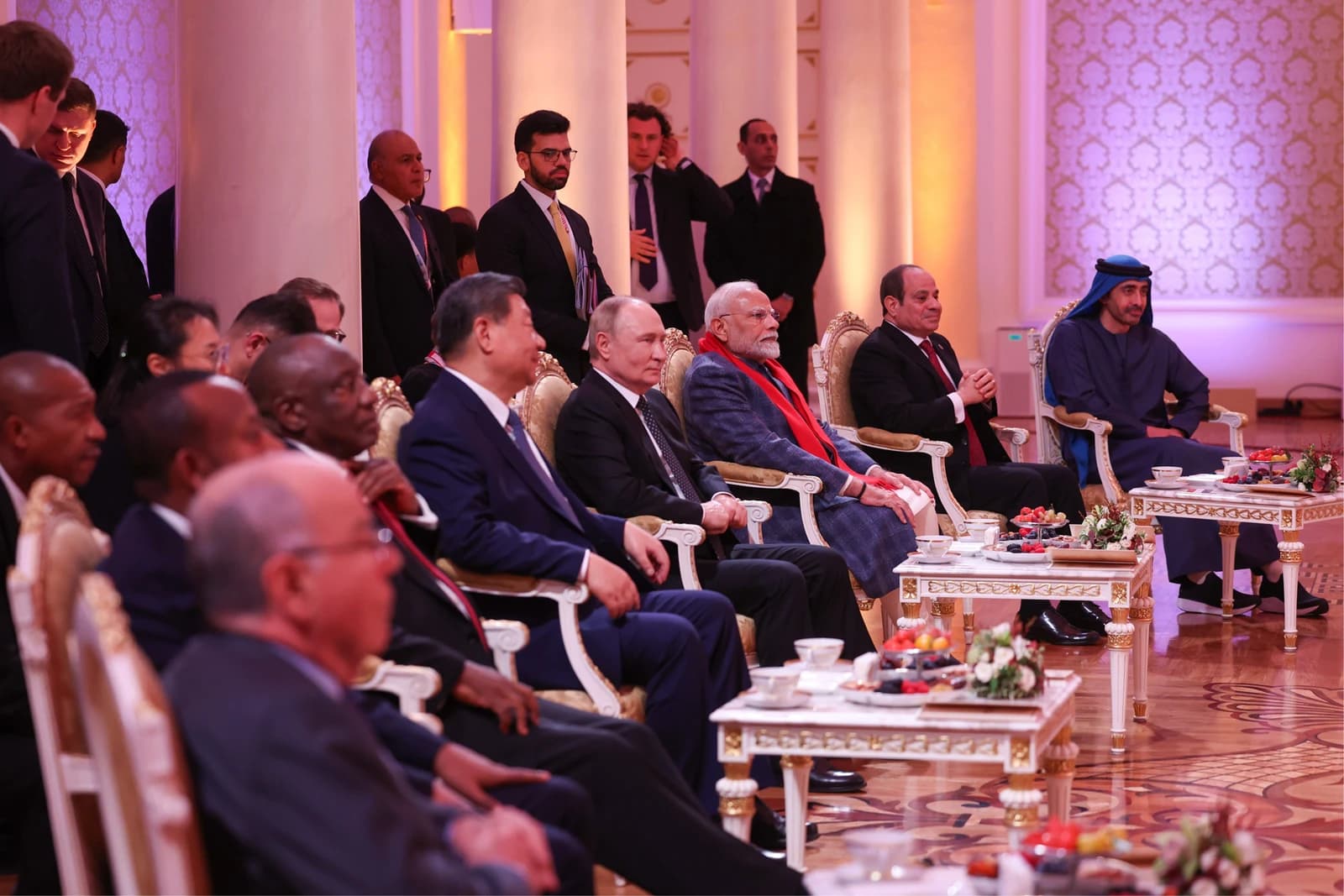
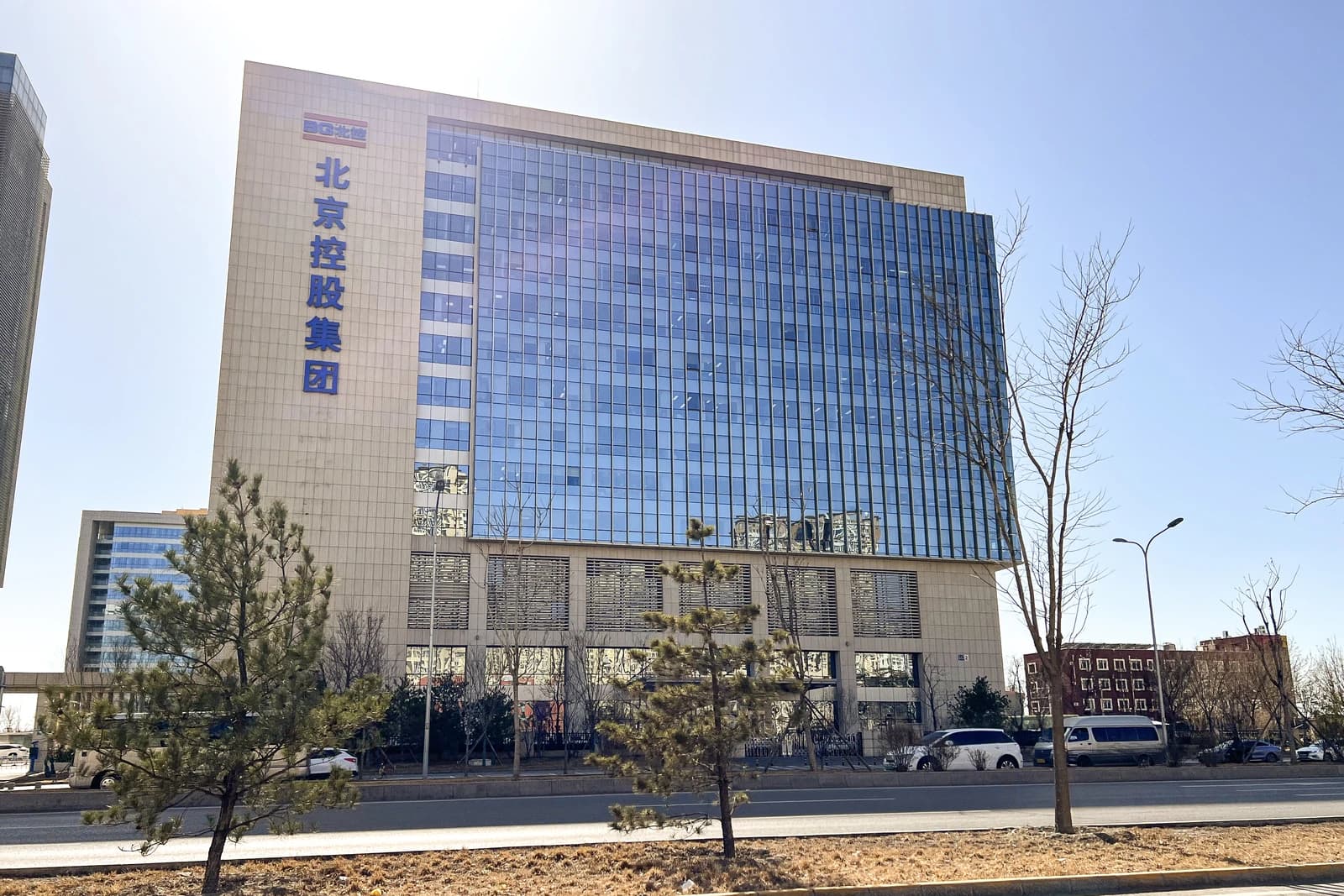
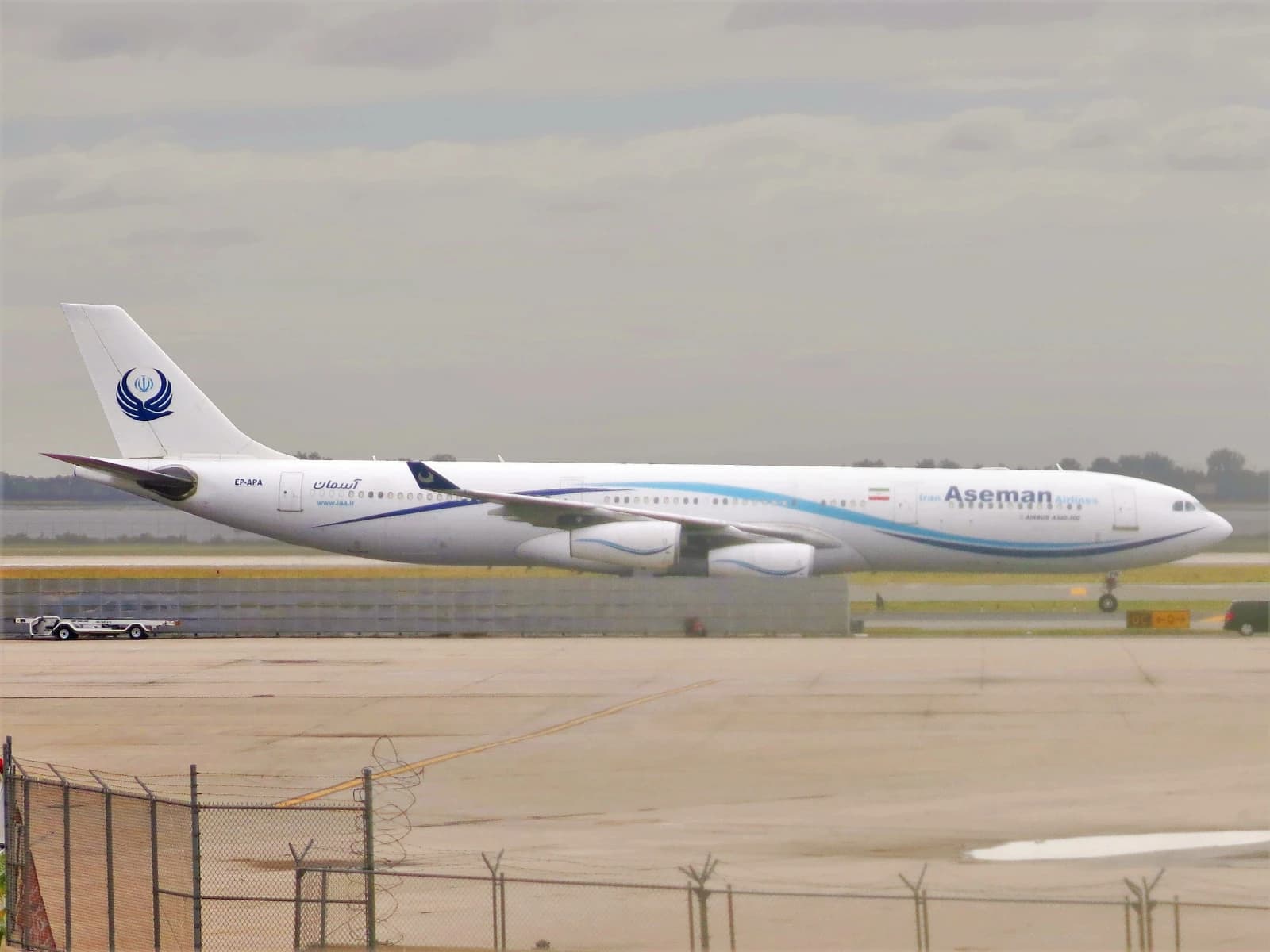
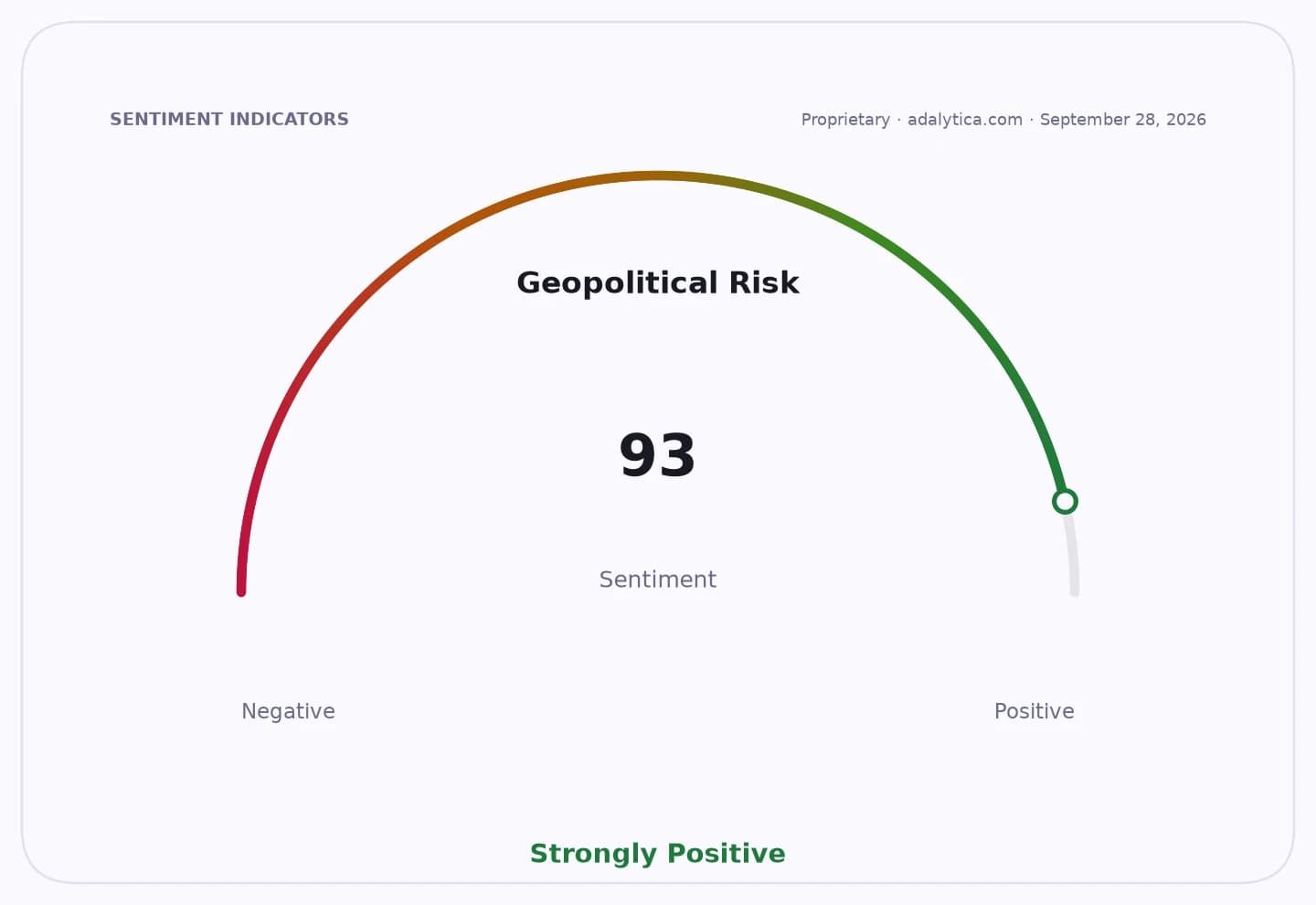
China has rejected fresh US sanctions on Iranian airlines as “illegal,” sharpening a geopolitical clash just as President Xi Jinping prepares to meet Donald Trump, and signaling that Washington’s pressure campaign on Tehran is likely to face resistance from Beijing rather than easy enforcement.
China Rejects US Sanctions on Iranian Airlines
That matters because the fight over Iranian airlines is not really about aircraft. It is about whether the US can keep using the dollar system and allied financial channels to isolate Iran when China, the world’s second-largest economy, is openly challenging the legitimacy of unilateral sanctions. For investors, that raises the odds of a longer-running standoff in energy, shipping and airline logistics, while keeping a risk premium embedded in oil and broader Middle East assets.
Sentiment IndicatorsⓘProprietary · adalytica.com · September 26, 2026
This is a snapshot — live sentiment, awareness and momentum for 130+ markets update continuously in the dashboard.Open AlphaPulse
The timing is especially important. US Treasury Secretary Scott Bessent has said Washington will unleash the “biggest economic attack” on Iran, warning that any plane touching down could be cut off from fuel, landing services, ticketing and the dollar system. Beijing’s public pushback, delivered ahead of the Trump-Xi meeting, suggests China is prepared to test how far the US can extend sanctions enforcement when Chinese institutions and regulators are in the mix.
The economic stakes stretch beyond diplomacy. Iran’s conflict with the US and Israel has already rattled energy markets, with earlier fighting and Iran’s move to close the Strait of Hormuz helping drive a sharp jump in global oil prices. With Brent and WTI still highly sensitive to any escalation, the market is pricing not just the current sanctions package but the possibility of further disruption across the Gulf and the broader Middle East.
For investors, that keeps defense, cyber, energy infrastructure and select tanker and shipping names in focus, while making airlines and consumer transport more exposed to volatility in fuel costs and regional route risk. The airline names in the data, including United, Delta and American, are not direct beneficiaries of this dispute, but the sector remains vulnerable to higher jet-fuel costs and any widening of geopolitical stress in key transit corridors.
The broader narrative is that sanctions are becoming less a clean tool of coercion and more a contest over who controls global financial plumbing. China’s objection does not by itself neutralize US measures against Iran, but it does underline a structural shift: Washington can still pressure smaller actors, yet the bigger the target and the more China is willing to push back, the more leaky the sanctions regime becomes.
That is why the meeting between Trump and Xi matters well beyond trade rhetoric. If the two sides fail to narrow their differences, investors should expect more sanctions-driven headline risk, a firmer floor under crude, and continued upside for geopolitical hedges. The market is still underestimating how quickly a sanctions dispute can turn into a commodity shock — and how many portfolios are still too lightly positioned for that outcome.
| Entity | Gains | Losses |
|---|---|---|
| China | ▲Diplomatic leverage | ▼US sanctions credibility |
| US Treasury | ▲Enforcement pressure | ▼Sanctions compliance gap |
| Iran | ▲Sanctions relief narrative | ▼Airline access and financing |
| Oil producers | ▲Higher risk premium | ▼Oil importers and airlines |