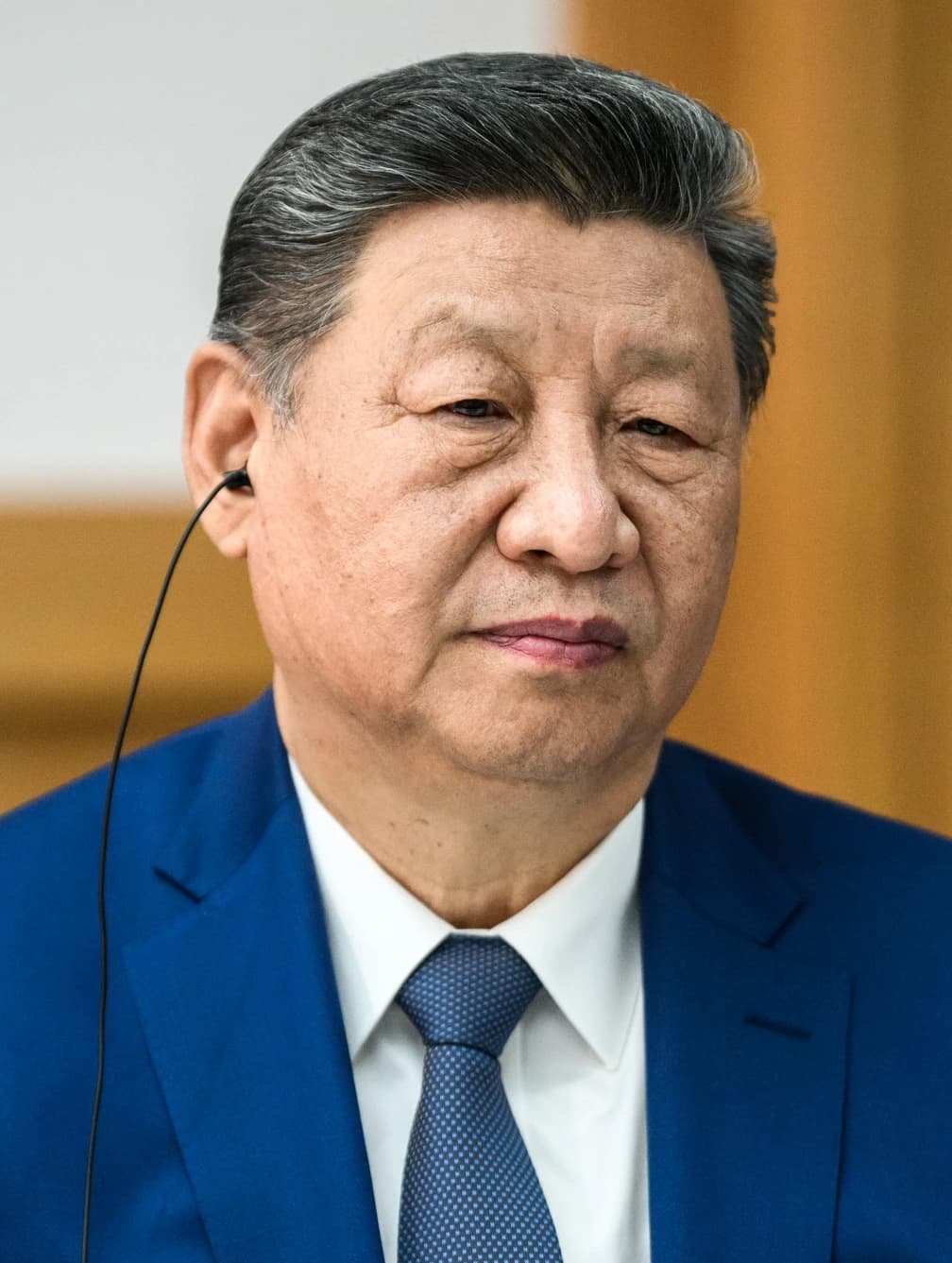
Xi Jinping’s trip to Washington lands at a moment when Beijing has far more leverage over the U.S. than it did when he last met Donald Trump in America in 2017.
China gains leverage in U.S.-China talks
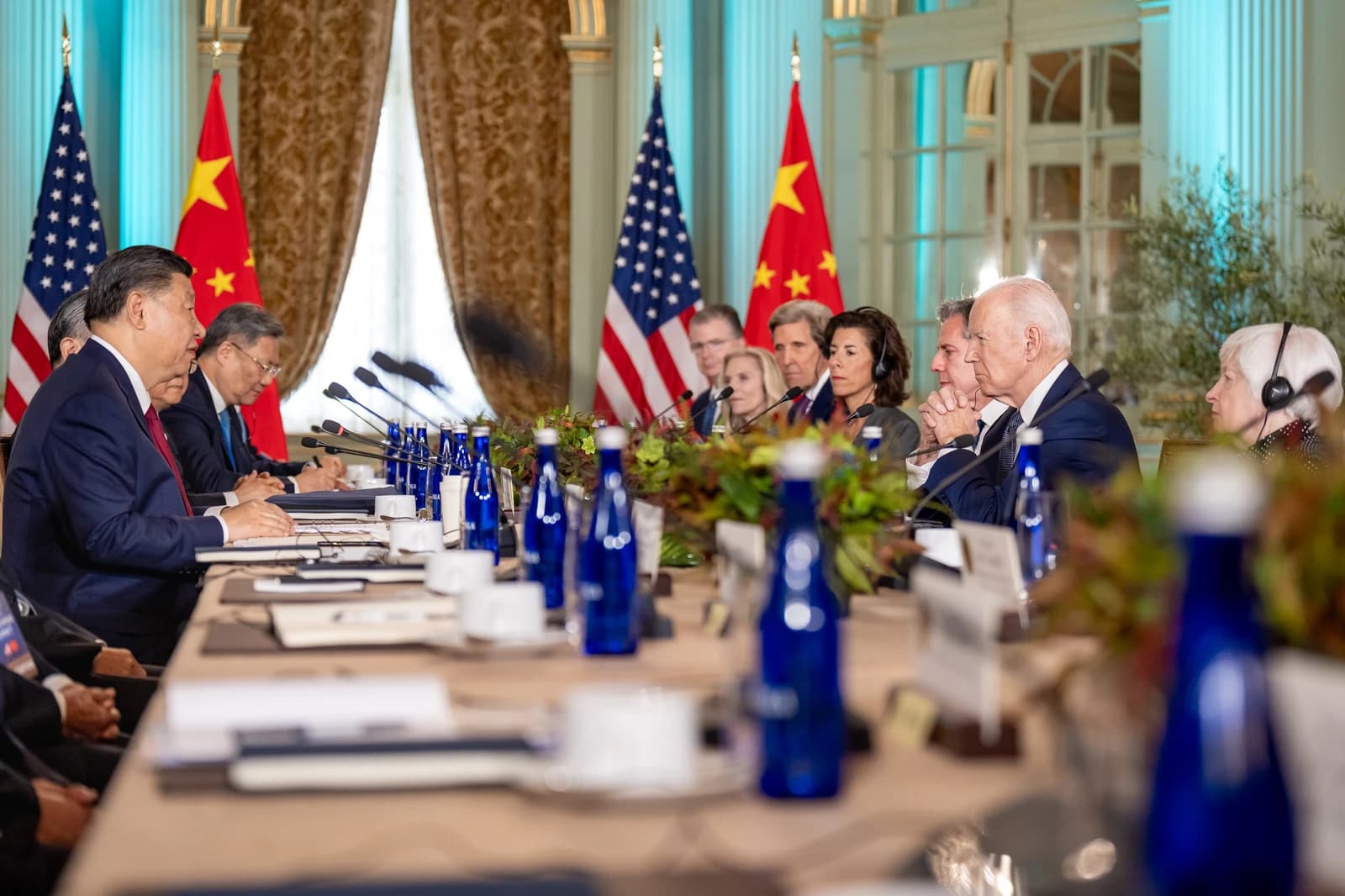
That shift is the central economic fact behind the visit. China is no longer just a manufacturing giant vulnerable to American tariffs and technology curbs; it is now a technological and industrial power with tools to retaliate, diversify and set parts of the agenda. For investors, that means the risk in U.S.-China relations is no longer one-directional. The next phase of the relationship is likely to be defined less by American pressure and more by bargaining between two economies that can now inflict costs on each other.
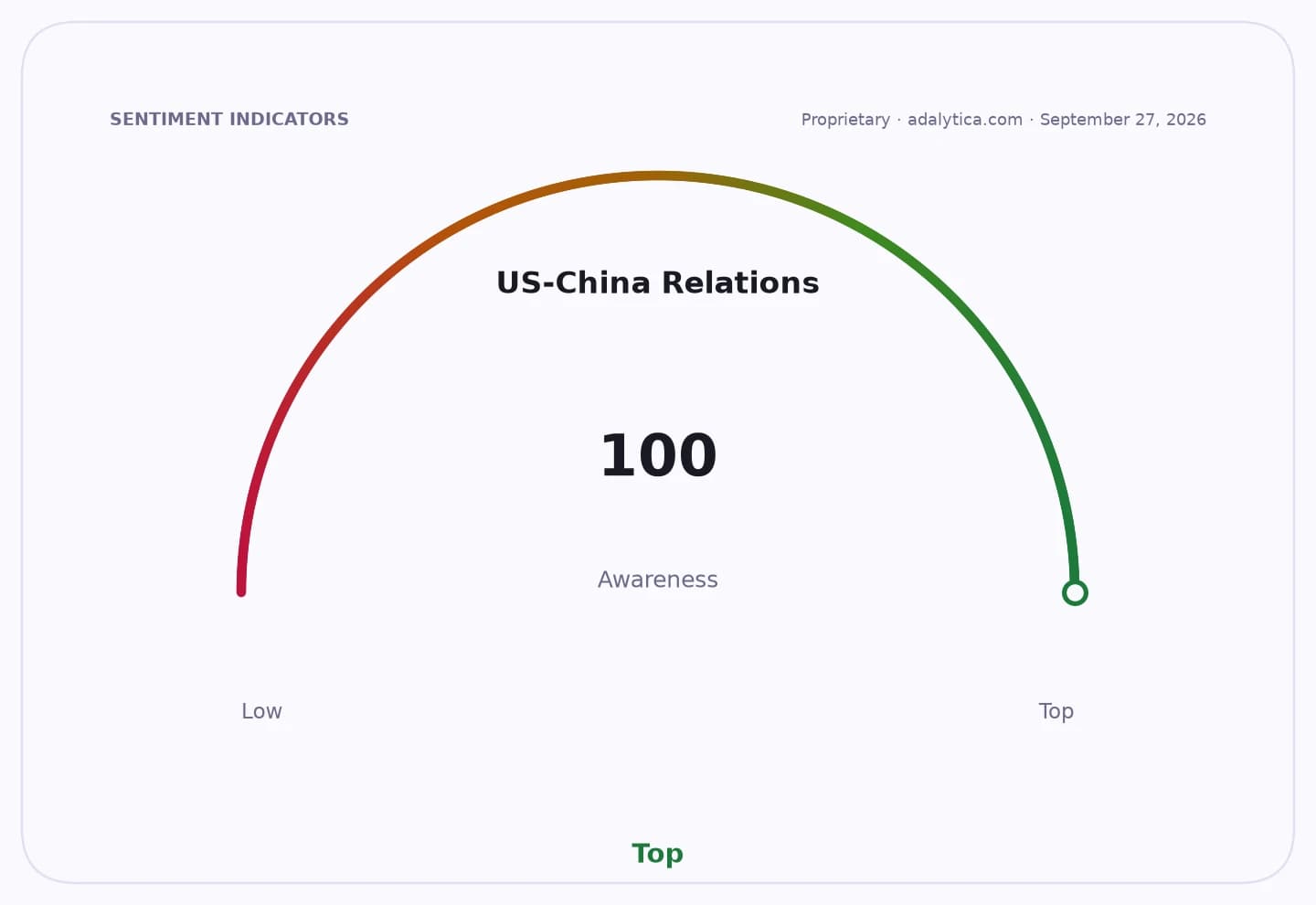
Sentiment IndicatorsⓘProprietary · adalytica.com · September 28, 2026
This is a snapshot — live sentiment, awareness and momentum for 130+ markets update continuously in the dashboard.Open AlphaPulse
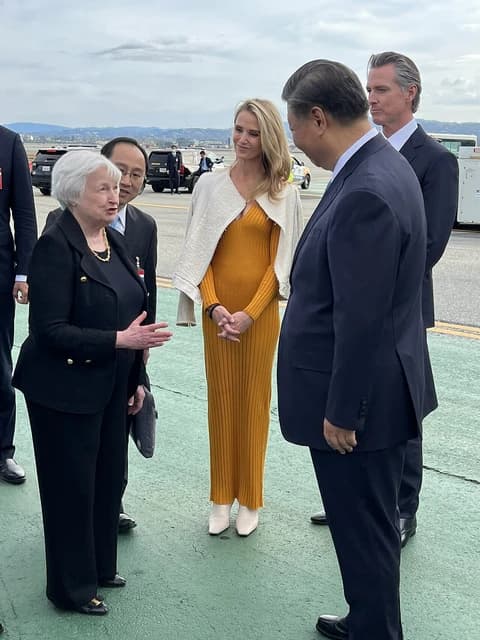
The change is visible across trade, technology and market power. China ran a $1.2 trillion global trade surplus last year, helped by demand for electric vehicles, solar panels and chips. Its control over critical supply chains, especially rare earths, has given Beijing a leverage point that Washington cannot easily neutralize. At the same time, Chinese firms are closing the gap in strategic industries that once depended heavily on the West, from artificial intelligence and memory chips to space launches and robotics.
Huawei’s latest announcement underscores that point. The company said its next-generation Ascend AI chips would arrive earlier than expected next year, a sign that a key bottleneck in China’s AI ambitions is easing despite U.S. restrictions. That matters economically because semiconductors remain the choke point for China’s push into advanced computing, and because progress there would reduce the effectiveness of future export controls. It also matters for markets: any proof that China can keep building around U.S. sanctions strengthens the case for selective exposure to Chinese technology, even if broad geopolitical risk keeps valuations depressed.
The stock market has begun to reflect that changing balance, though unevenly. The FXI China ETF and the broader MCHI fund have both fallen back toward their 50-day moving averages and remain below their 200-day averages, suggesting investors are still discounting China’s growth slowdown and policy uncertainty. FXI closed at 34.24 on Sept. 28, below its 50-day average of 35.21 and 200-day average of 36.16, while MCHI ended at 52.62, also below both trend lines. The technical backdrop is weak, with FXI’s RSI near 41 and MCHI’s around 39, but the longer-term story is not simply bearish China. It is that markets have not yet fully priced the strategic gains Beijing has made even as domestic demand remains soft.
That domestic weakness remains the principal constraint on Xi’s confidence. Youth unemployment has hit record highs, consumer spending is sluggish, local governments are burdened by debt and the property slump still weighs on sentiment. In other words, China’s external position has improved faster than its internal economy. That split helps explain Beijing’s messaging: Xi wants stability with Washington, but not dependence on it. He can approach the talks as a leader of a country that believes it can withstand more pressure than before, even if it still needs time for its economy to regain momentum.
The geopolitical backdrop only adds to that posture. The U.S. is antagonizing allies, pressing countries over ties with Iran and struggling to end wars that are pushing up global uncertainty. Beijing, by contrast, has spent the past year presenting itself as a more reliable power, while Xi has widened China’s diplomatic reach through BRICS, Middle East security proposals and high-profile visits. A recent Pew survey found that, in most of 36 countries, China now has a more positive image than the U.S., with Xi scoring better than Trump on trust. That is not just optics. It supports China’s effort to frame its rise as a global alternative, not a regional challenge.
The most important immediate market implication is that the U.S. and China now have stronger incentives to avoid escalation, even as they remain locked in competition. Beijing’s willingness to threaten tighter rare-earth export controls helped force a trade truce last year, and both sides are likely to extend that pause rather than risk a rupture that would hurt companies, supply chains and global growth. But the danger is that parity itself can be destabilizing. When neither side can easily dominate, each has a reason to test the other’s resolve.
For investors, the message is twofold. First, China remains investable only selectively: firms tied to AI, advanced manufacturing and export substitution may continue to gain strategic support, while sectors exposed to domestic demand and property weakness face a harder road. Second, U.S.-China headlines should increasingly be read as a pricing variable for global supply chains, not just a diplomatic backdrop. Rare earths, semiconductors, EVs, solar, and cloud-linked AI infrastructure are now part of the same geopolitical risk stack.
| Entity | Gains | Losses |
|---|---|---|
| China / Xi Jinping | ▲Greater leverage | ▼Dependence on U.S. |
| U.S. / Trump administration | ▲Lower odds of rupture | ▼Ability to pressure Beijing |
| Chinese tech firms | ▲Policy support | ▼Export-control exposure |
| U.S. multinationals | ▲Possible truce extension | ▼Supply-chain uncertainty |