U.S. companies are not backing away from China; they are planning to put more money to work there, a sign that the world’s two largest economies remain too commercially intertwined for either side to ignore.
U.S. Firms Plan More Reinvestment in China

That is the most important takeaway from the American Chamber of Commerce in South China’s latest survey, which found 95% of respondents remain committed to the Chinese market and three-quarters plan to reinvest this year. For investors, that matters because it suggests the China story is still less about decoupling than adaptation: companies are keeping exposure, but shifting capital toward sales, marketing, talent and research rather than just factory expansion.
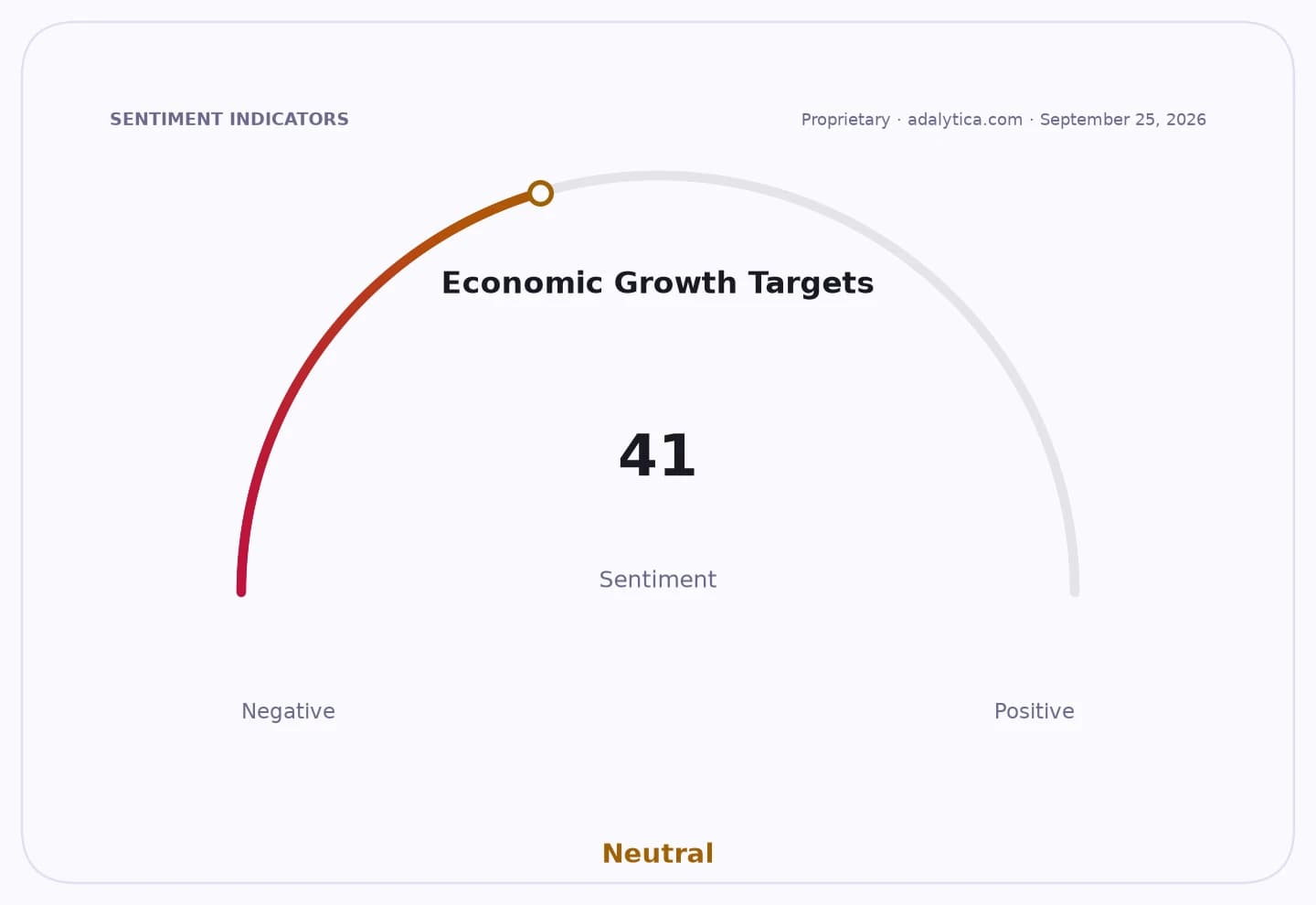
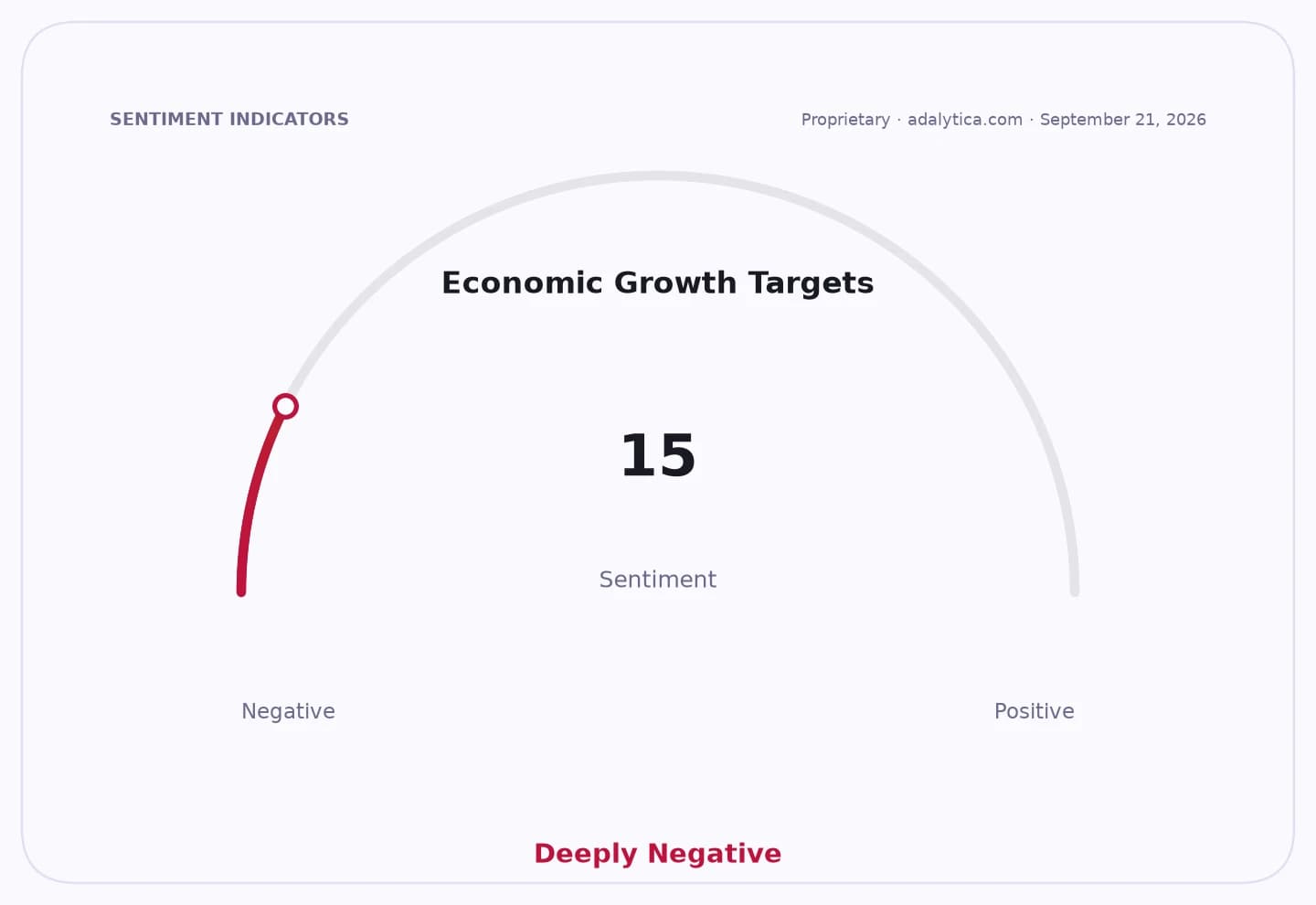
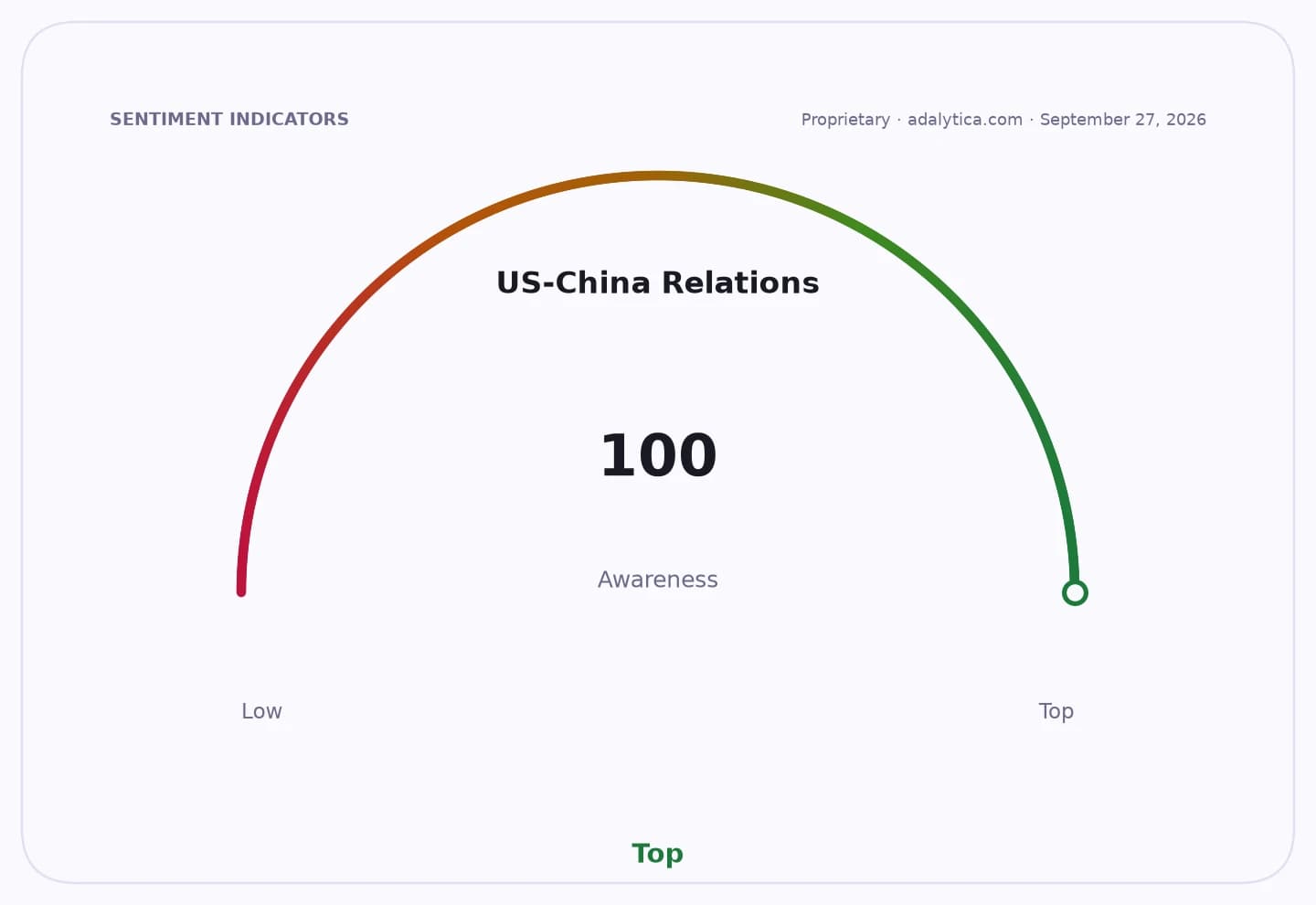
Sentiment IndicatorsⓘProprietary · adalytica.com · September 26, 2026
This is a snapshot — live sentiment, awareness and momentum for 130+ markets update continuously in the dashboard.Open AlphaPulse
The numbers help explain why. The chamber estimates member companies have budgeted $13.79 billion from China profits for reinvestment over the next three to five years, while 91% of U.S. respondents said they would not decouple from China as a direct result of trade tensions. In other words, corporate America is still treating China as a core source of revenue, scale and product development, not simply a low-cost production base.
That is a meaningful economic signal for both countries. China is still the market where global brands can sell at scale, test products and localize technologies, even as domestic competitors in electric vehicles, artificial intelligence, advanced manufacturing and biotechnology become more formidable. For U.S. firms, that competitive pressure is uncomfortable, but it also forces innovation and keeps the market relevant. For China, continued foreign reinvestment supports jobs, services activity and technology transfer at a time when policymakers are eager to stabilize growth and attract capital.
The broader investment picture is still enormous. China says about 84,000 U.S.-invested companies operate there, generating close to $700 billion in annual revenue, and bilateral trade reached 2.76 trillion yuan, or $412.2 billion, in the first eight months of the year. Those figures underscore why trade friction has never translated into a clean break: too many supply chains, customers and profit pools are still connected.
For long-term investors, the message is to watch which businesses can navigate China rather than those that merely depend on it. Consumer companies, industrial suppliers, software names and global brands with local execution can all benefit if tariff talks ease and rules around procurement, standards and data become more predictable. The risk is clear too: policy uncertainty, geopolitical shocks and uneven enforcement can still hit margins and sentiment quickly.
Exchange-traded funds with China exposure reflect that tug-of-war. The iShares China Large-Cap ETF, FXI, remains below its 50-day moving average and well under its 200-day line, while the KraneShares CSI China Internet ETF, KWEB, has also struggled to regain momentum. That tells you market confidence is still tentative even as corporate engagement stays firm. The broader MSCI China ETF, MCHI, is in a similar posture, with technical indicators showing the market has not yet escaped its downtrend.
The real narrative here is not disengagement but persistence. American companies are still showing up, still spending and still looking for ways to grow inside China’s enormous economy. For patient investors, that argues for watching the companies that can monetize cross-border demand over many years, not trading every twist in the tariff headlines.
| Entity | Gains | Losses |
|---|---|---|
| U.S. firms in China | ▲Access to huge market | ▼Policy and trade uncertainty |
| China’s economy | ▲Foreign reinvestment, jobs | ▼Less leverage from decoupling fears |
| U.S. investors in China ETFs | ▲Long-term recovery potential | ▼Weak price momentum, volatility |
| Domestic Chinese rivals | ▲More competition, faster innovation | ▼Foreign brands still retain scale |