China is shifting from passive subsidy to active industrial grooming for its most promising small and medium-sized companies, a move that could determine whether the world’s second-largest economy can sustain growth while upgrading its manufacturing base.
China boosts support for specialized SMEs
The Ministry of Industry and Information Technology said it will ускорate efforts to identify and nurture high-potential SMEs, especially firms using specialized and advanced technologies to develop new products, and will move from waiting for applications to proactively searching for candidates. That sounds administrative, but economically it matters because China is trying to channel credit, policy support and market access toward the companies most likely to generate productivity gains, industrial resilience and future tax revenue.
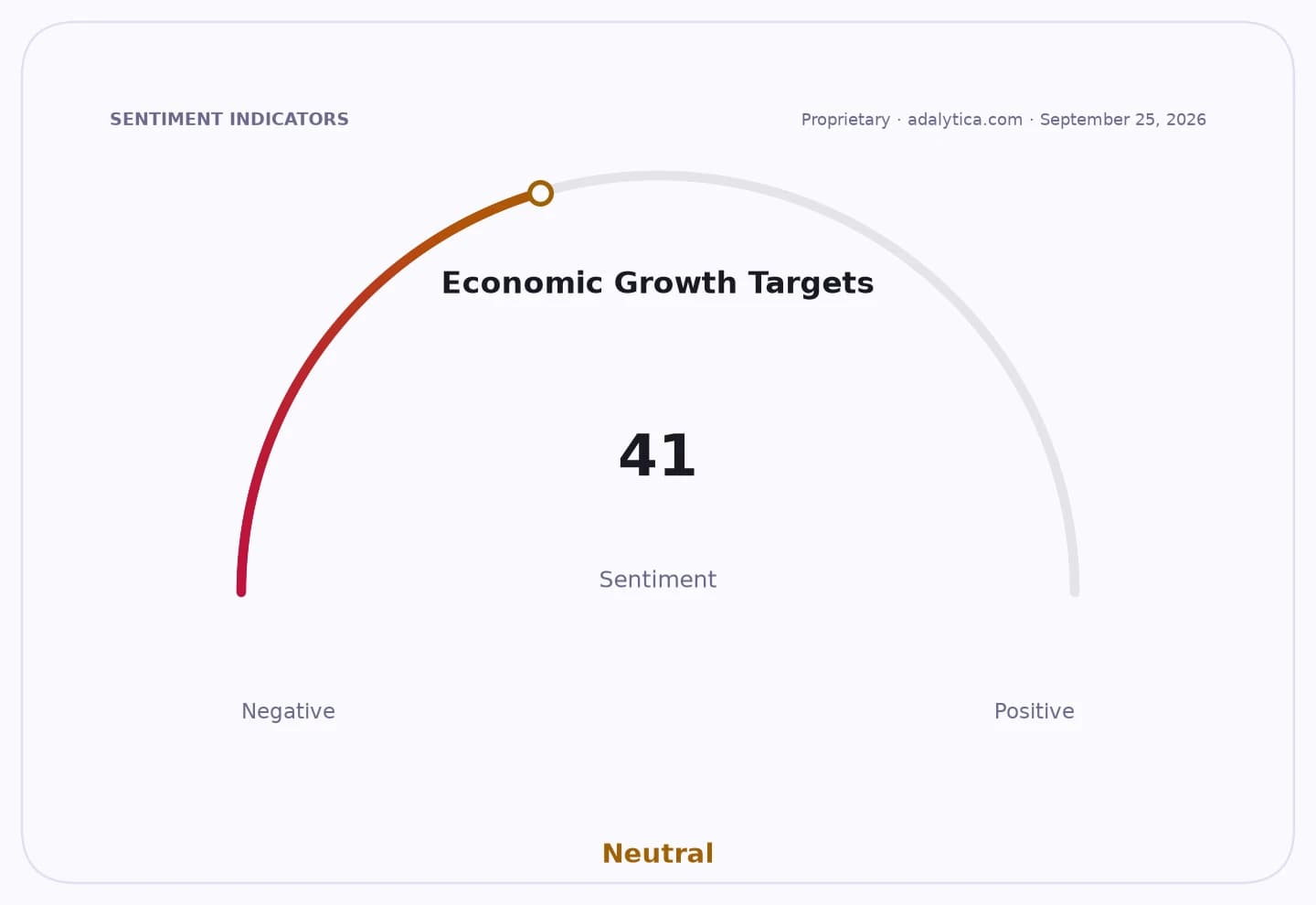
Sentiment IndicatorsⓘProprietary · adalytica.com · September 25, 2026
This is a snapshot — live sentiment, awareness and momentum for 130+ markets update continuously in the dashboard.Open AlphaPulse
This is the kind of policy that can ripple far beyond the SME segment. If Beijing successfully steers support toward innovative smaller firms, it strengthens the supply chains that sit underneath China’s big industrial champions, from advanced manufacturing to digital services. It also gives local governments and state-backed lenders a clearer mandate to back firms that can fill technology gaps and reduce dependence on foreign inputs. In a sluggish growth environment, that is not just development policy; it is a defense of the production engine.
For investors, the message is that China is still willing to use the policy state to support the next layer of national champions, not just the biggest listed names. That is constructive for domestic technology, industrial automation, components, logistics and business services tied to SME upgrading. It also supports the broader case for selectively owning China exposure through vehicles such as FXI, MCHI and KWEB, although those funds remain below their recent highs and their technicals are still mixed, with FXI and MCHI trading under their 200-day moving averages and KWEB still struggling to reclaim its longer-term trend.
The market is still treating China as a slow-growth, policy-dependent story. That may be too blunt. What Beijing is signaling instead is a more targeted capex cycle aimed at small firms with specialized technologies, R&D ambition and supply-chain relevance. That tends to favor the picks-and-shovels of the upgrade: equipment makers, software enablers, industrial intermediaries and the platform companies that can monetize a broader ecosystem of smaller merchants and developers.
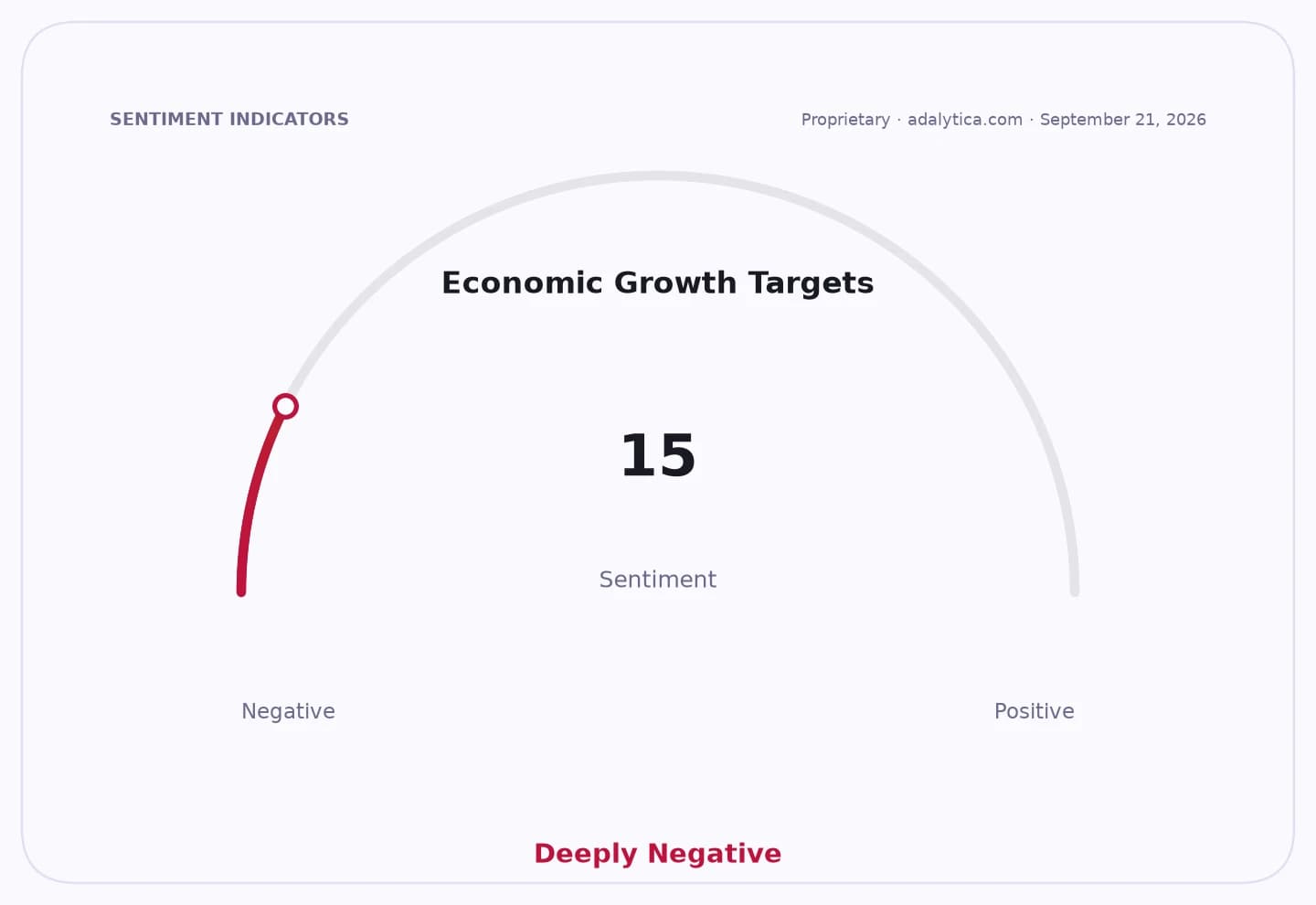
Adalytica’s China economic growth target sentiment remains neutral, but the awareness reading is in extreme fear territory, which is often where policy-driven upside begins to reprice. The yuan signal is also showing extreme greed in awareness, underscoring how quickly positioning can shift when investors sense a more forceful policy backstop.
The key catalyst from here is whether this proactive support turns into measurable financing, procurement and regulatory privileges for a narrower cohort of technology-led SMEs. If it does, the winners will be the companies building the next generation of China’s industrial stack — and the investors willing to buy that theme before consensus catches up.
| Entity | Gains | Losses |
|---|---|---|
| Promising Chinese SMEs | ▲More financing and policy support | ▼Less reliance on waiting for approval |
| Industrial supply-chain vendors | ▲More demand from upgraded firms | ▼Pressure from slower peers |
| FXI / MCHI / KWEB holders | ▲Potential policy-led rerating | ▼Exposure to still-mixed China sentiment |
| Legacy low-productivity firms | ▲Little direct benefit | ▼Loss of capital to favored innovators |