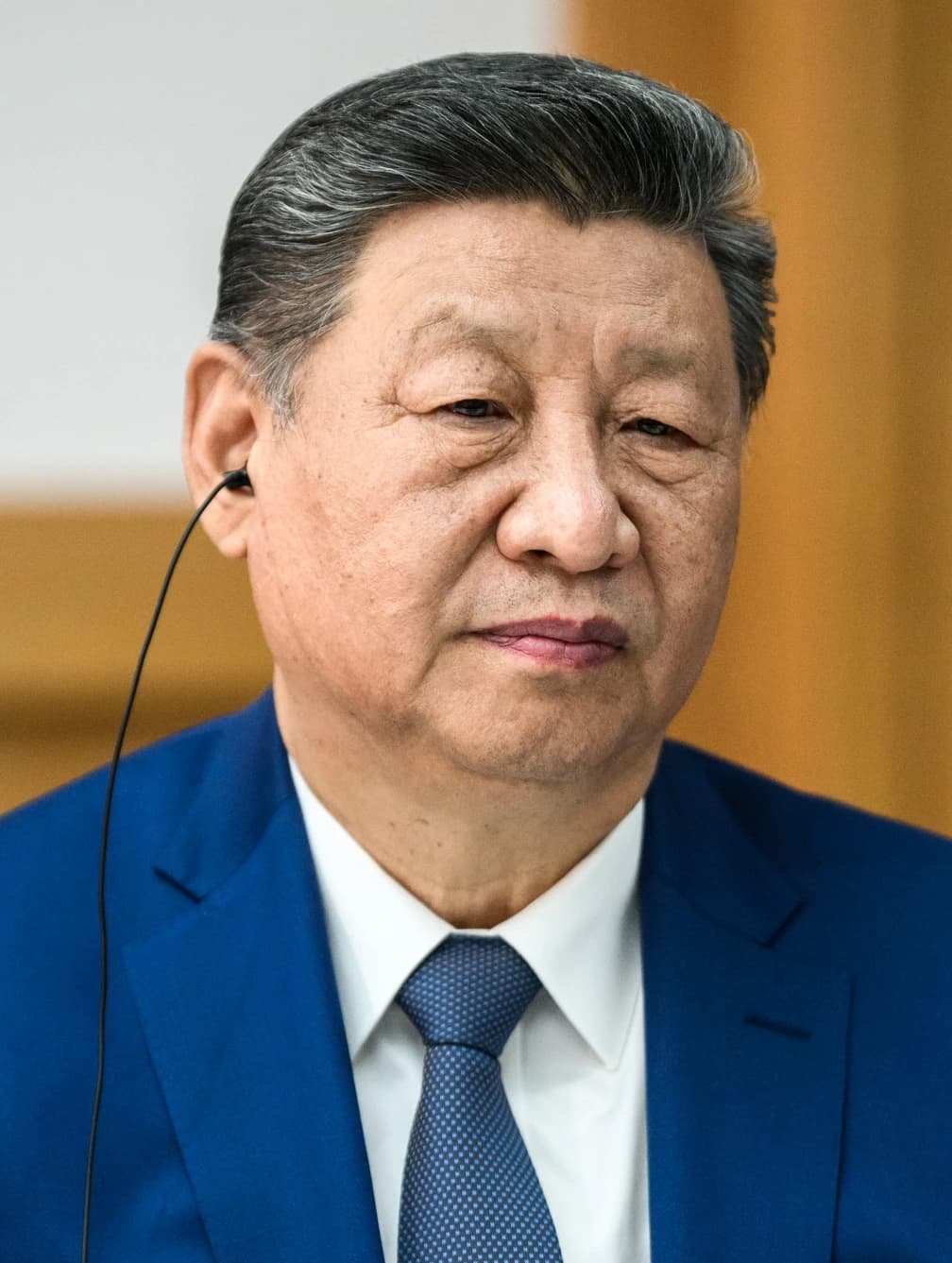
China's Xi Jinping is expected to push President Donald Trump to curb U.S. arms sales to Taiwan this week, putting a fresh geopolitical test on Washington's policy and a potential $14 billion package that has been on hold for months.
Taiwan Arms Sales in Focus as Xi Meets Trump

The stakes are economic as much as diplomatic: any sign the White House is willing to slow or freeze deliveries would ripple through U.S. defense contractors tied to Taiwan, complicate Asia-Pacific security planning and raise the risk premium around one of the world's most sensitive flashpoints.
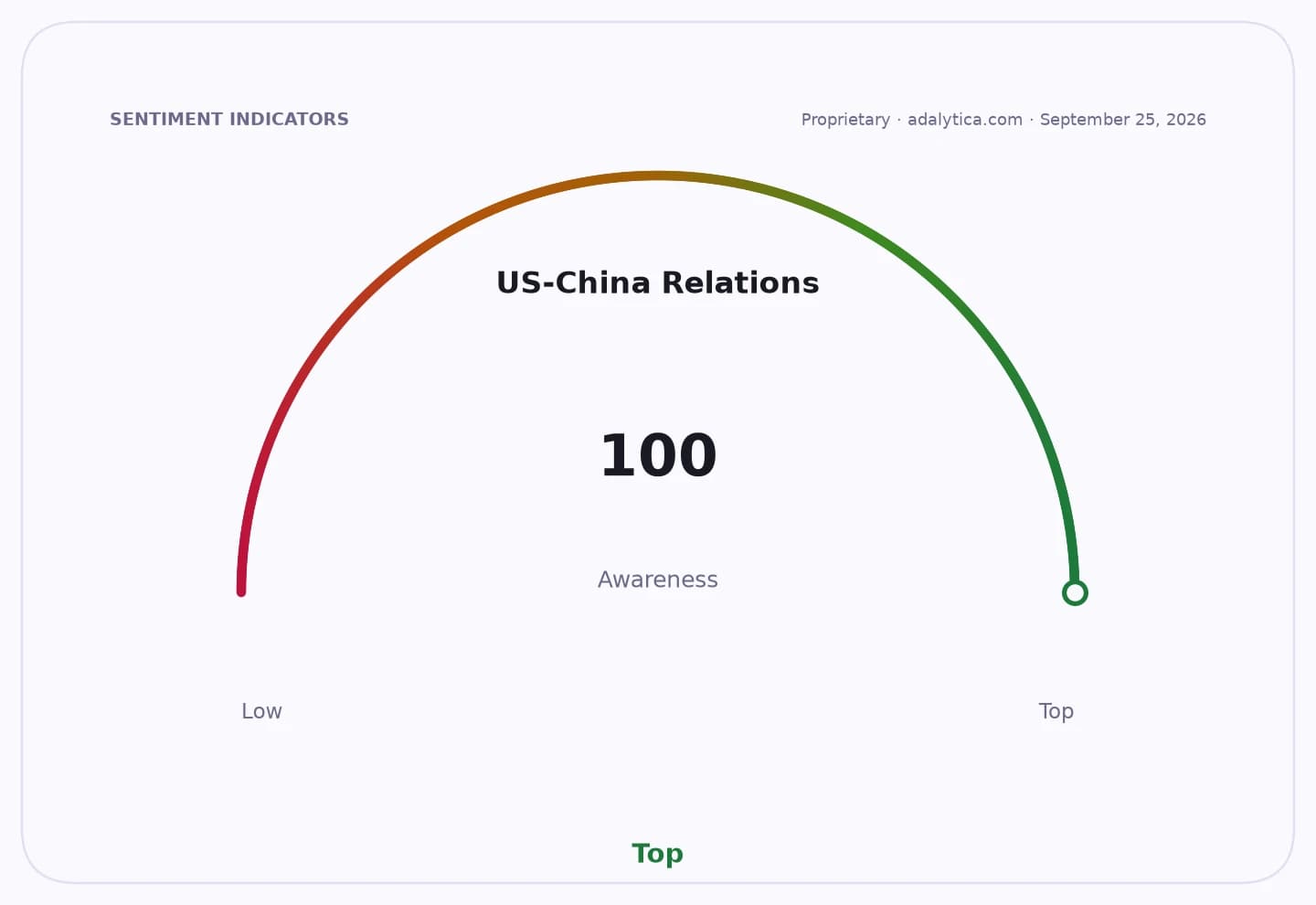
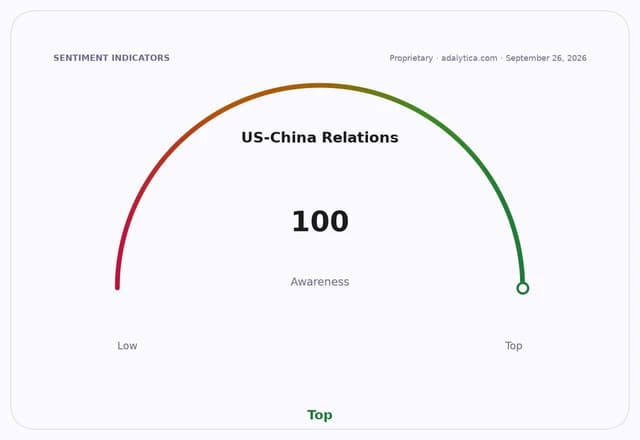
Sentiment IndicatorsⓘProprietary · adalytica.com · September 26, 2026
This is a snapshot — live sentiment, awareness and momentum for 130+ markets update continuously in the dashboard.Open AlphaPulse
According to sources briefed on the talks, Beijing plans to cite the 1982 U.S.-China joint communique and argue that Washington should gradually reduce weapons sales to Taipei. China is also pressing for a stop to arms deliveries already ordered by Taiwan, even as the U.S. law requires it to help the island defend itself.
That tension matters for investors because Taiwan arms sales have become a direct lever in the broader U.S.-China relationship, and defense names such as Lockheed Martin, RTX and Northrop Grumman can move on changes in the pipeline. Lockheed shares have fallen about 15% from a recent high, while RTX is down about 16% from its Aug. 18 peak and Northrop has dropped roughly 32% from its early-year highs, showing how quickly expectations can reset around policy risk.
The White House says Trump will decide on the next arms package in a relatively short time. That comes after the administration approved an $11 billion package in December, the largest on record, while leaving another package worth about $14 billion in limbo. Trump previously described that hold as a "very good negotiating chip," underscoring how Taiwan has become entangled with wider bargaining over trade, Iran and strategic leverage.
Beijing is seeking to cast Taiwan as the source of instability, but U.S. lawmakers from both parties are pressing Trump not to blink. Republicans including Senator Pete Ricketts and Representative John Moolenaar have urged him to keep policy unchanged and reject Chinese objections to security cooperation.
For markets, the immediate focus is less on any single contract than on whether Washington signals continuity or delay. A firm reaffirmation would support U.S. defense exposure and reduce some uncertainty around Indo-Pacific security demand, while any concession to Beijing would likely unsettle Taiwan-related contractors and add a new layer of volatility to already fragile U.S.-China ties.
| Entity | Gains | Losses |
|---|---|---|
| Taiwan | ▲Arms support, deterrence | ▼Pressure from Beijing |
| U.S. defense contractors | ▲Potential orders, visibility | ▼If sales are delayed |
| China | ▲Diplomatic leverage if it succeeds | ▼If Washington holds firm |
| Trump administration | ▲Bargaining chip on broader talks | ▼Policy credibility if it caves |