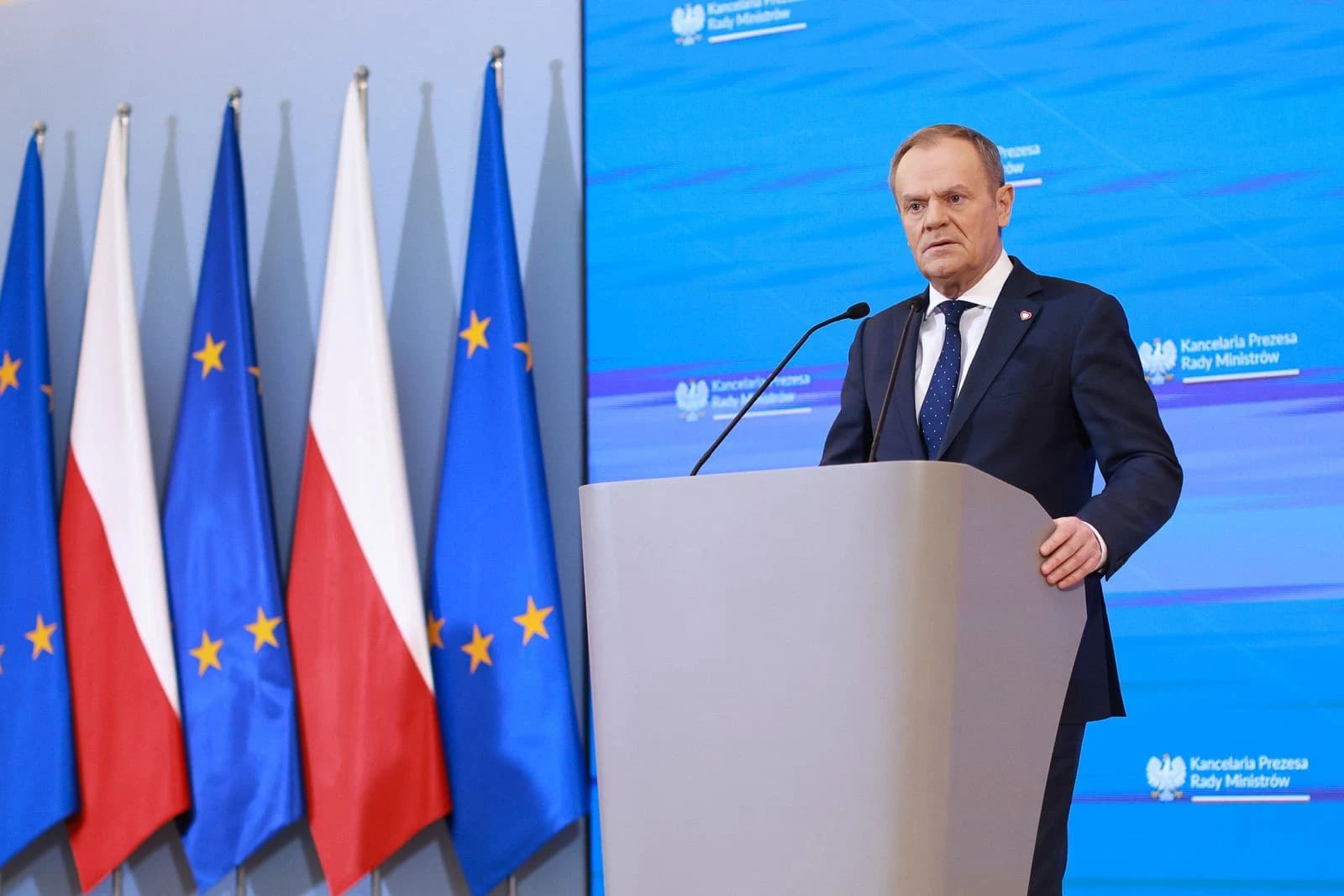
Poland’s president used the UN General Assembly to draw a hard line against Russia, saying Warsaw is “not the one seeking confrontation” even as it expands its military and alliances to deter aggression. For investors, the message is bigger than one speech: Europe’s frontline states are preparing for a longer period of elevated defense spending, tighter security policy and persistent geopolitical risk as the war in Ukraine keeps spilling across the region.
Poland Pushes Defense Spending After UN Speech
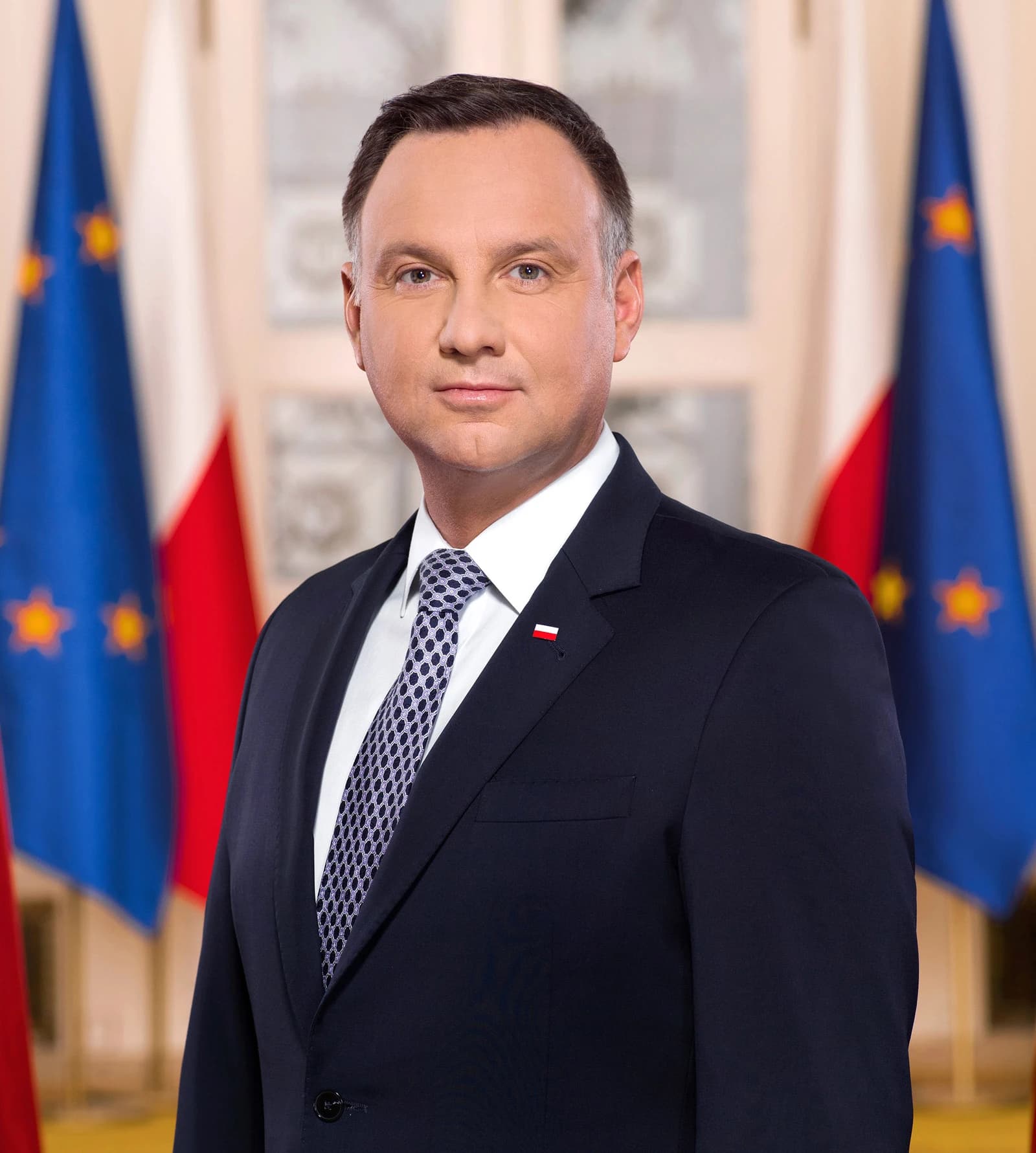
That matters because Poland sits at the center of Europe’s eastern security architecture. Karol Nawrocki said Russia is destabilizing the continent through open aggression, sabotage and hybrid operations, and argued that the absence of accountability only invites more violations. In plain terms, the longer Moscow faces limited costs for aggression, the more expensive it becomes for neighboring countries to protect themselves.
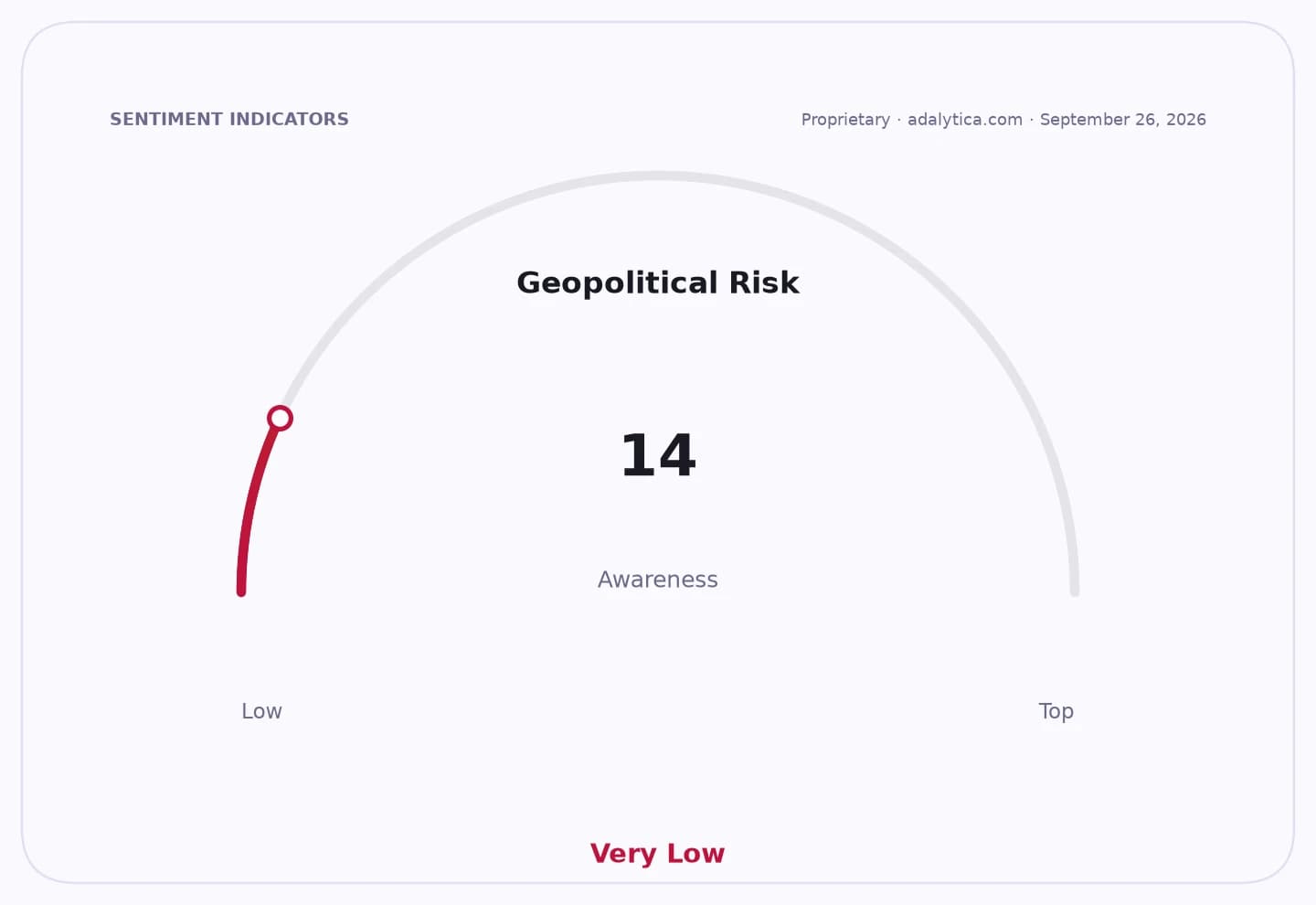
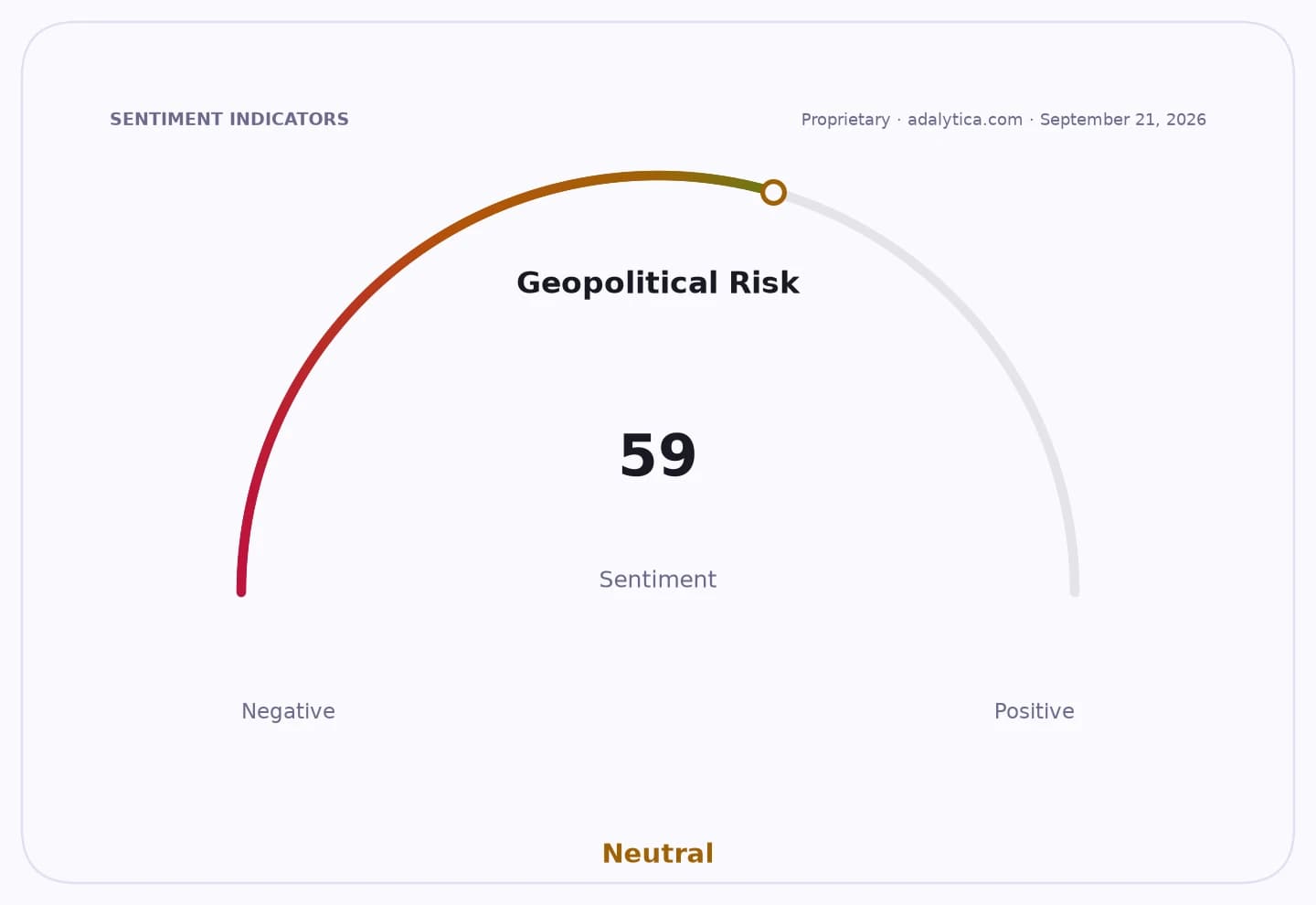
Sentiment IndicatorsⓘProprietary · adalytica.com · September 28, 2026
This is a snapshot — live sentiment, awareness and momentum for 130+ markets update continuously in the dashboard.Open AlphaPulse
For markets, that usually means one thing: more money flowing into defense, surveillance, cyber security, air defense and military modernization. Poland has already been boosting its armed forces, and its leaders are openly framing that buildup as deterrence rather than preparation for conflict. That distinction matters to investors because it points to sustained procurement rather than a short, one-off emergency buy.
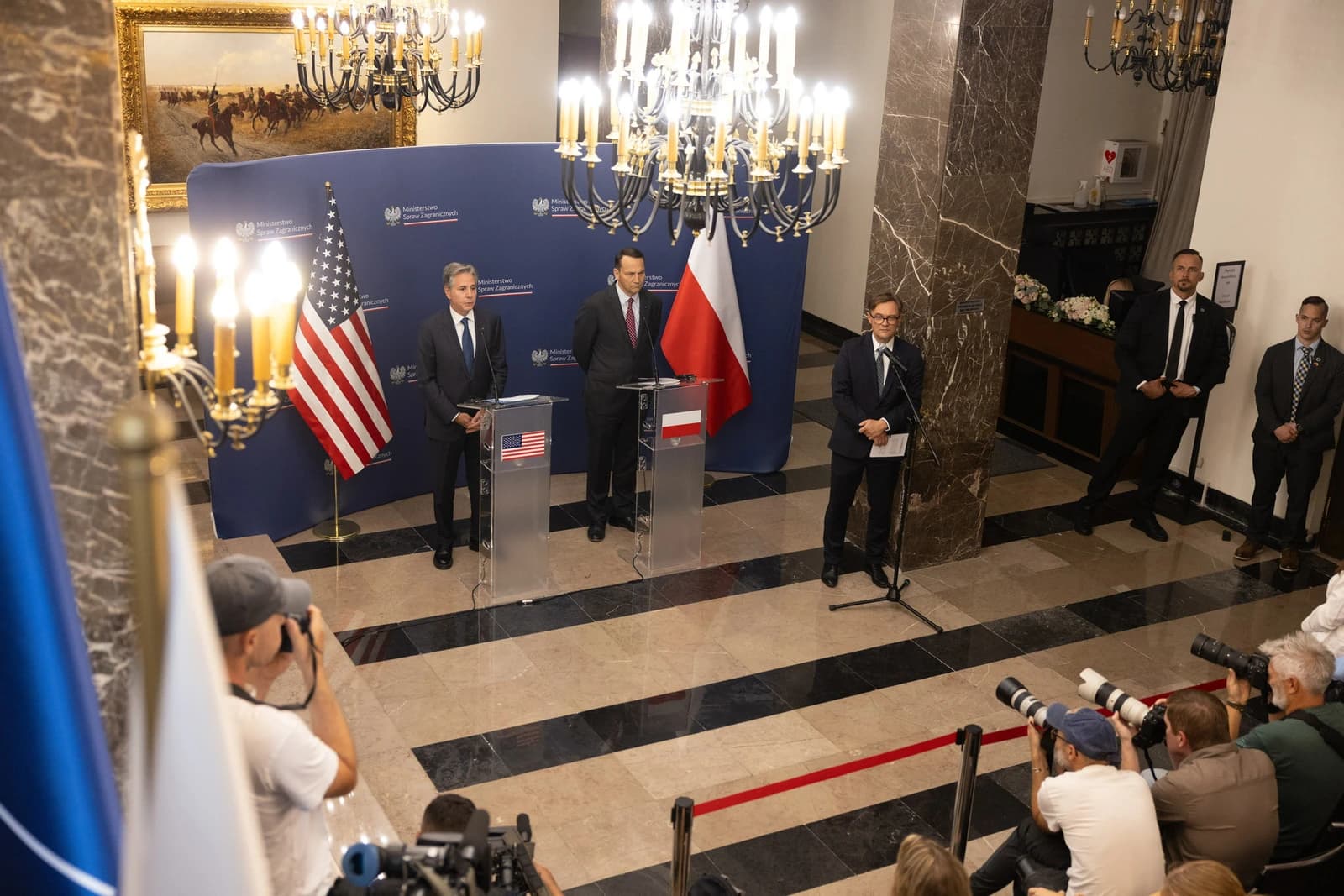
The broader backdrop remains tense. Ukraine’s Volodymyr Zelenskyy warned that Russia must be choked off financially, while other leaders at the UN spent much of the week calling for stronger international institutions and more accountability. At the same time, Washington is still trying to keep channels open with Moscow, including talks involving Russian envoy Kirill Dmitriev and an invitation for Vladimir Putin to attend the G20 in Miami. That mix of confrontation and dialogue suggests the geopolitical premium is not going away soon.
For long-term investors, the key takeaway is that Europe’s defense cycle still looks durable. Even if headlines swing between escalation and diplomacy, frontline countries such as Poland are likely to keep spending on security for years, not quarters. That makes the defense theme worth watching closely, especially for investors who prefer to own the companies and funds that benefit from a world that is rearming rather than trying to time every twist in the news.
| Entity | Gains | Losses |
|---|---|---|
| Polish defense sector | ▲Higher procurement | ▼Budget pressure |
| NATO contractors | ▲Longer order cycle | ▼Peace dividend |
| Russia | ▲Strategic leverage | ▼Diplomatic trust |
| European taxpayers | ▲Security cover | ▼Higher spending burden |