Europe’s latest sanctions move on Russia has exposed a far bigger issue than two billionaires slipping off a blacklist: the bloc’s punitive regime is becoming harder to read, easier to contest and more politically fragile just as pressure on Moscow needs to stay unified.
EU sanctions on Russian oligarchs face scrutiny
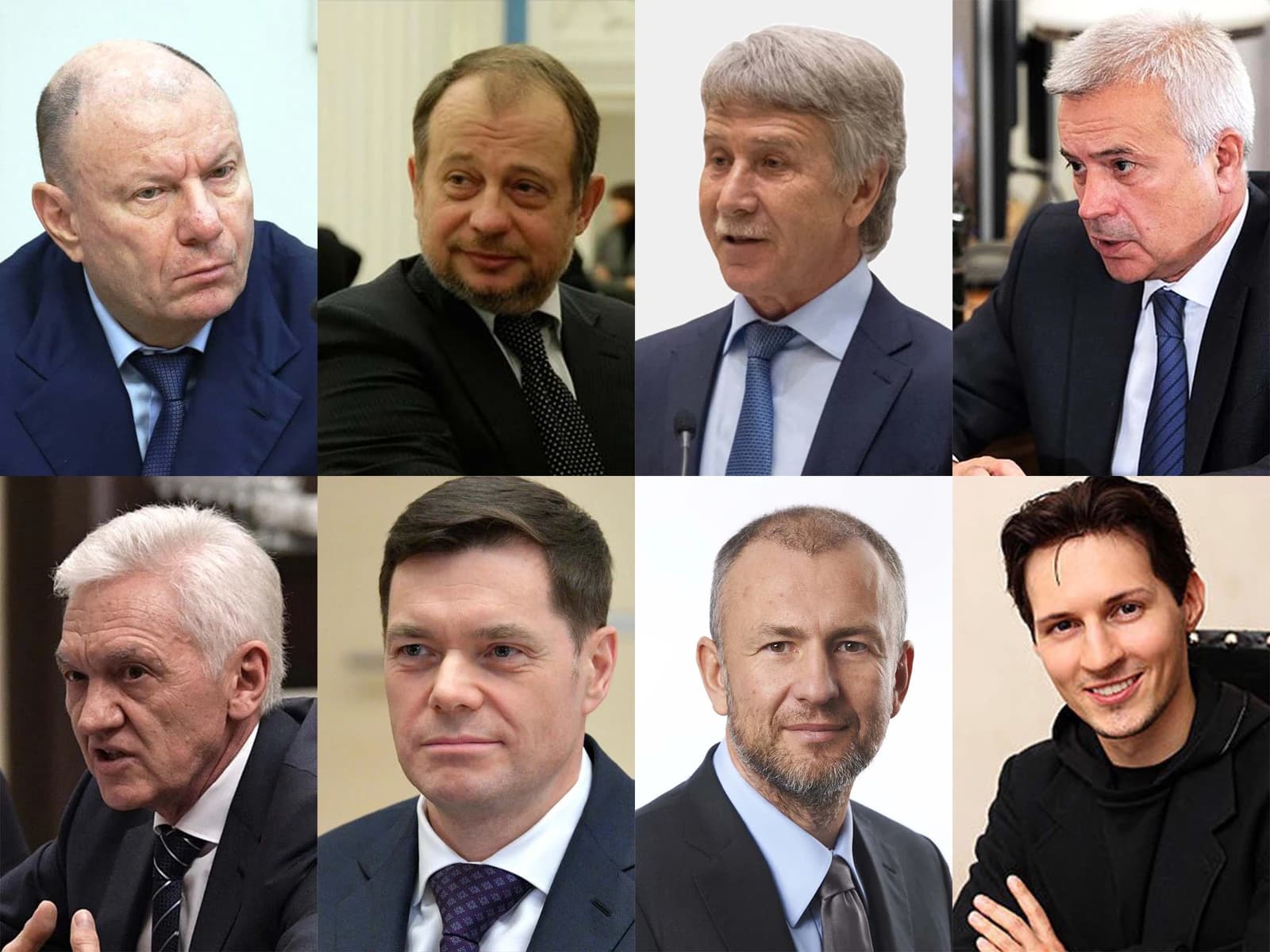
Two Russian oligarchs were freed from EU sanctions at the last minute, according to the report, in a process that remained murky enough to leave even some supporters dissatisfied. That matters because sanctions only work when they are credible, consistent and difficult to game. Once exemptions look opaque, the market’s assumption that Russian capital, assets and proxies will stay locked up becomes less reliable.
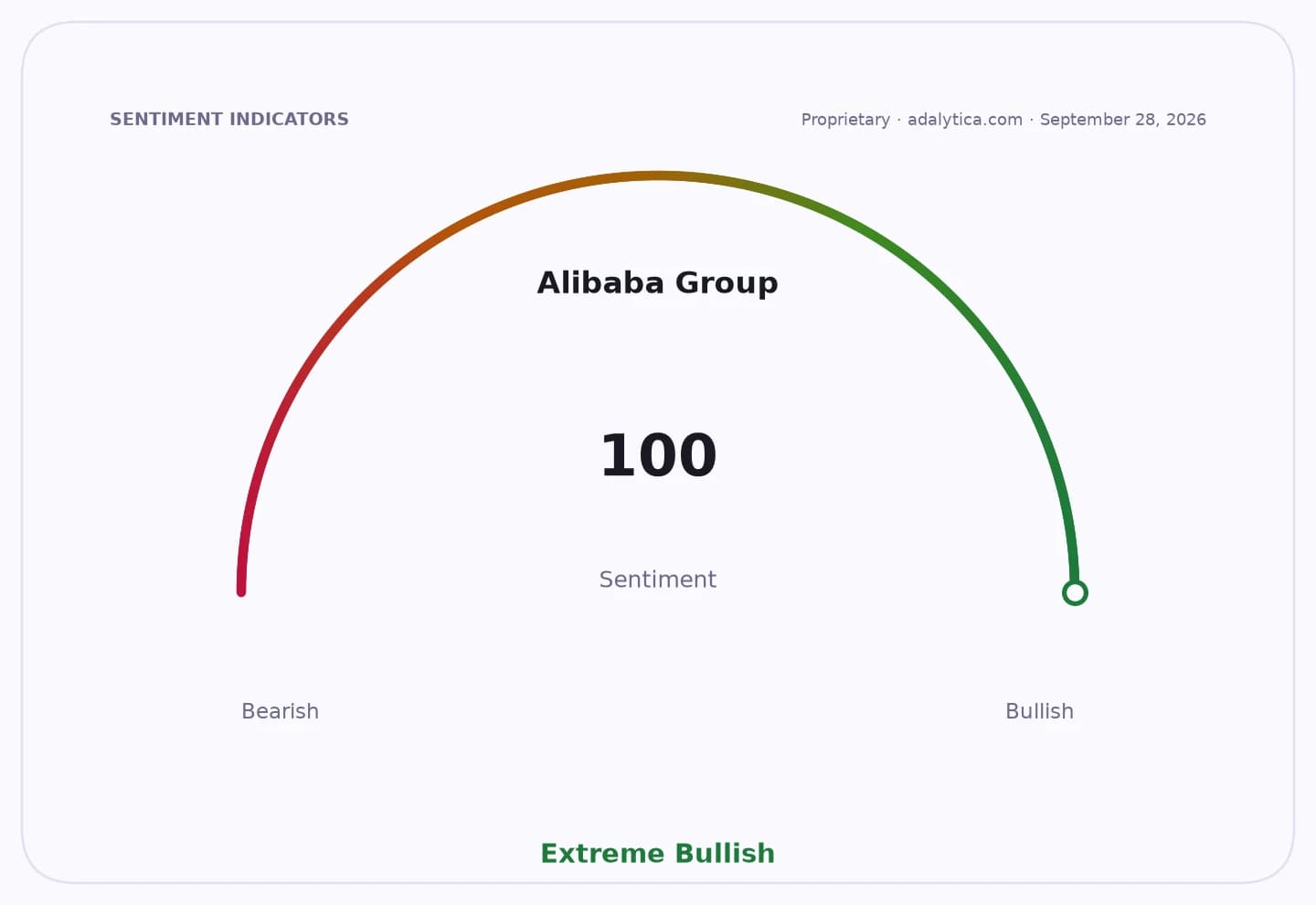
Sentiment IndicatorsⓘProprietary · adalytica.com · September 28, 2026
This is a snapshot — live sentiment, awareness and momentum for 130+ markets update continuously in the dashboard.Open AlphaPulse
For investors, the implication is not just geopolitical noise. Sanctions enforcement shapes everything from European legal risk and banking exposure to the valuation of assets linked to Russia, Ukraine reconstruction, defense, energy and commodities. If enforcement becomes politicized or selective, it raises the probability of more carve-outs, more litigation and more uncertainty over who ultimately gets paid, frozen or released. That is the kind of ambiguity that benefits lawyers and intermediaries, but it is poison for clean risk pricing.
The timing also matters. The broader sanctions backdrop remains hardline, with Washington continuing to tighten pressure on Moscow and the Kremlin warning that new US measures will worsen relations and complicate any path toward a peace deal in Ukraine. The EU move, coming against that backdrop, suggests the Western coalition is still unified on the goal but not necessarily on the execution. When sanctions lists can be revised at the last minute, the market starts to price in discretion rather than doctrine.
Geopolitical Risk — 30-day sentimentadalytica.com
Explore this data interactively — full history, time series and cross-market comparisons.Open AlphaPulse
That has real economic consequences. Europe is still managing the spillover from the war through energy costs, trade disruption and defense spending. Any perception that sanctions enforcement is uneven weakens deterrence and invites Russian counterparties to keep testing the perimeter. It also reinforces the need for investors to favor beneficiaries of a more prolonged standoff: defense contractors, energy security themes, cyber and infrastructure hardening, and commodity producers insulated from Russian supply risk.
The clearest market takeaway is that geopolitical risk is not fading; it is mutating into a more bureaucratic, less transparent form. That usually means higher volatility, more headline-driven rallies and selloffs, and a larger premium on assets that can profit from persistent East-West friction rather than a quick diplomatic thaw. I believe the market underestimates how much this favors defense and energy over any naive “peace dividend” trade.
| Entity | Gains | Losses |
|---|---|---|
| EU institutions | ▲Flexibility | ▼Credibility |
| Russian oligarchs | ▲Asset relief | ▼Sanctions pressure |
| Defense stocks | ▲Higher spending thesis | ▼Peace-dividend hopes |
| Energy producers | ▲Security premium | ▼Supply normalization trade |