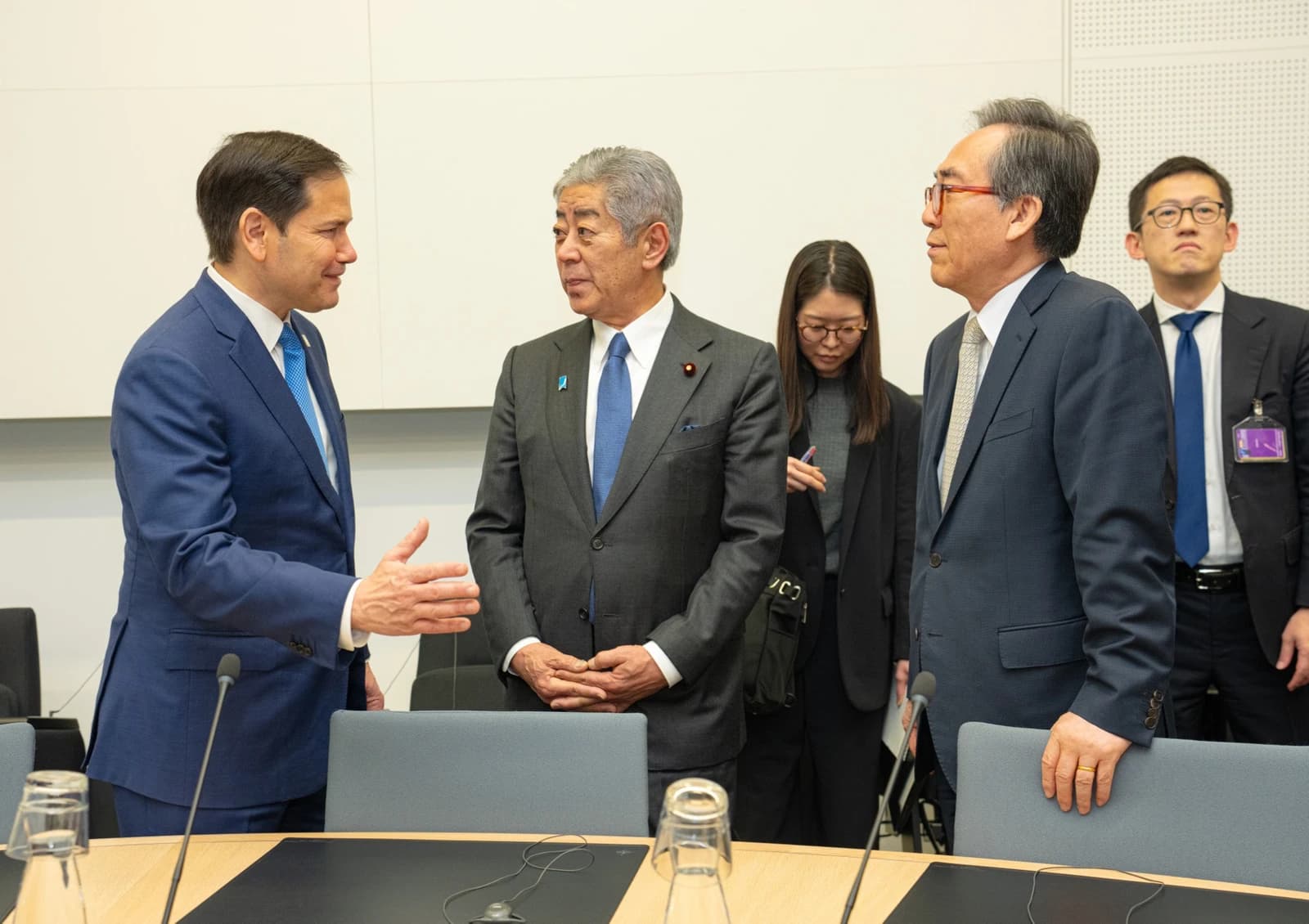
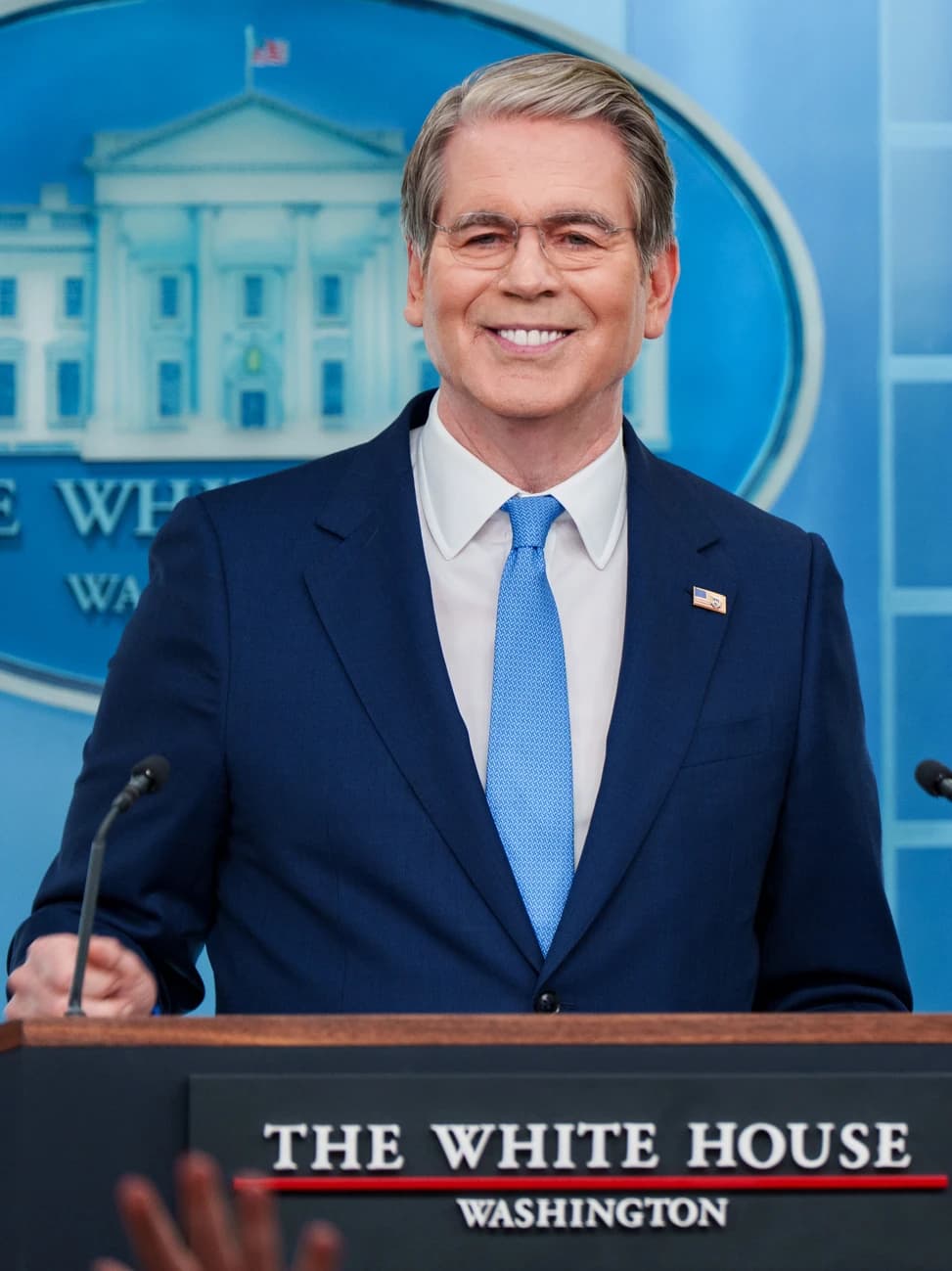
The United States, Japan and South Korea have launched a new economic security consultation mechanism as Washington moves to present a united front on China ahead of President Donald Trump’s planned meeting with Chinese President Xi Jinping.
US Japan South Korea launch economic security talks
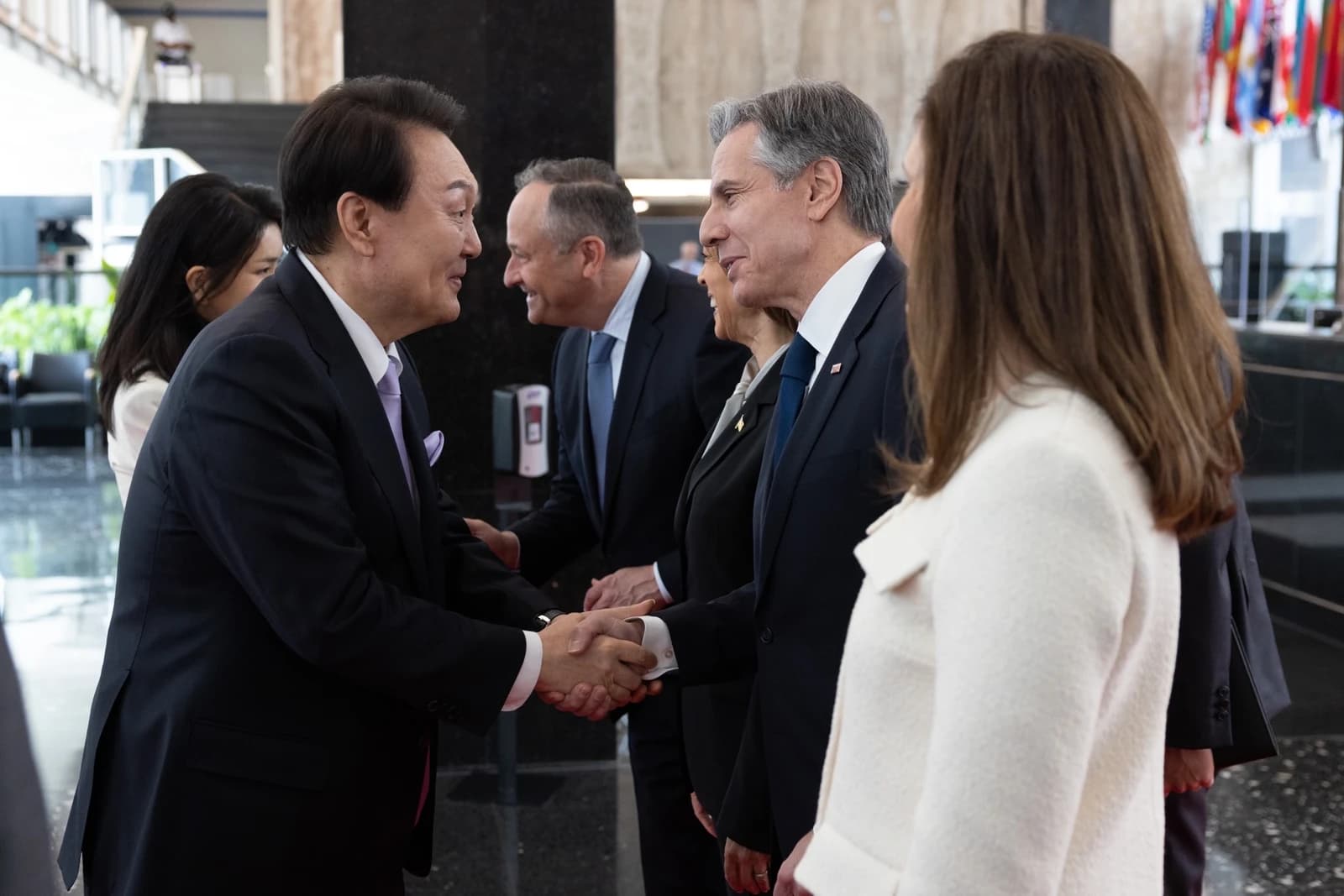
The three allies said they will coordinate more closely on supply-chain resilience, export controls and industrial policy, a sign the Trump administration is trying to harden cooperation with Asian partners before high-stakes talks with Beijing that are expected to touch trade, artificial intelligence and broader strategic competition.
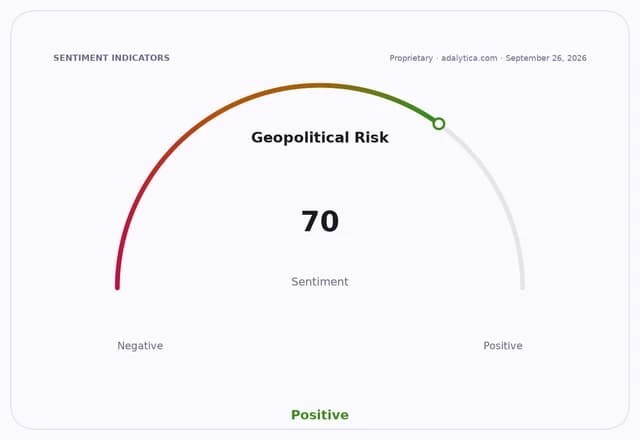
Sentiment IndicatorsⓘProprietary · adalytica.com · September 26, 2026
This is a snapshot — live sentiment, awareness and momentum for 130+ markets update continuously in the dashboard.Open AlphaPulse
Secretary of State Marco Rubio unveiled the initiative with his Japanese and South Korean counterparts on the sidelines of the UN General Assembly in New York, underscoring that the bloc will oppose economic coercion, arbitrary export restrictions and non-market policies that distort industrial capacity and disrupt global supply chains. The statement did not name China, but the target was clear: Beijing’s dominance in processing critical minerals and its export curbs have become a growing concern for the U.S. and its allies.
The timing matters for markets because the Trump-Xi summit comes as Washington and Beijing hold separate economic talks and seek possible deliverables on trade and AI. A less confrontational tone could ease pressure on supply chains and risk assets, but any escalation would add to volatility in sectors exposed to China, from semiconductors to rare earths and electronics manufacturing.
The trilateral framework also deepens coordination in semiconductors and other emerging technologies, including artificial intelligence, quantum computing, digital infrastructure and biotechnology. The three governments said they will strengthen “advanced technology systems and supply chain resilience” and expand cooperation among their national laboratories, a signal that industrial policy is becoming more tightly linked to national security.
For investors, the immediate implication is that U.S. allies are preparing for a more restrictive global tech environment, especially around chips and critical inputs. That is supportive for companies positioned outside China-centric supply chains, but it raises the risk of further export limits, compliance costs and retaliatory moves that could hit hardware makers, chip designers and industrial suppliers.
The statement also stressed freedom of navigation and overflight in the Indo-Pacific, support for peace and stability in the Taiwan Strait and backing for Taiwan’s “meaningful participation” in international bodies. That language keeps geopolitical risk firmly embedded in the trade and technology outlook, even as Treasury Secretary Scott Bessent and U.S. Trade Representative Jamieson Greer continue separate economic discussions with Chinese officials in New York.
The broader message is that Washington is pairing summit diplomacy with alliance-building, not waiting for talks with Beijing to set the terms of engagement. With Trump due to meet Japanese Prime Minister Sanae Takaichi before seeing Xi, the U.S. is signaling that supply chains, energy security and strategic technologies will remain central to the next phase of the China policy debate.
| Entity | Gains | Losses |
|---|---|---|
| US, Japan, South Korea | ▲tighter supply-chain leverage | ▼more policy friction with China |
| China | ▲diplomatic pressure to moderate curbs | ▼less room for export coercion |
| Chip and tech suppliers outside China | ▲clearer alliance support | ▼higher compliance and trade-risk |
| Taiwan Strait stability | ▲stronger deterrence language | ▼greater geopolitical scrutiny |