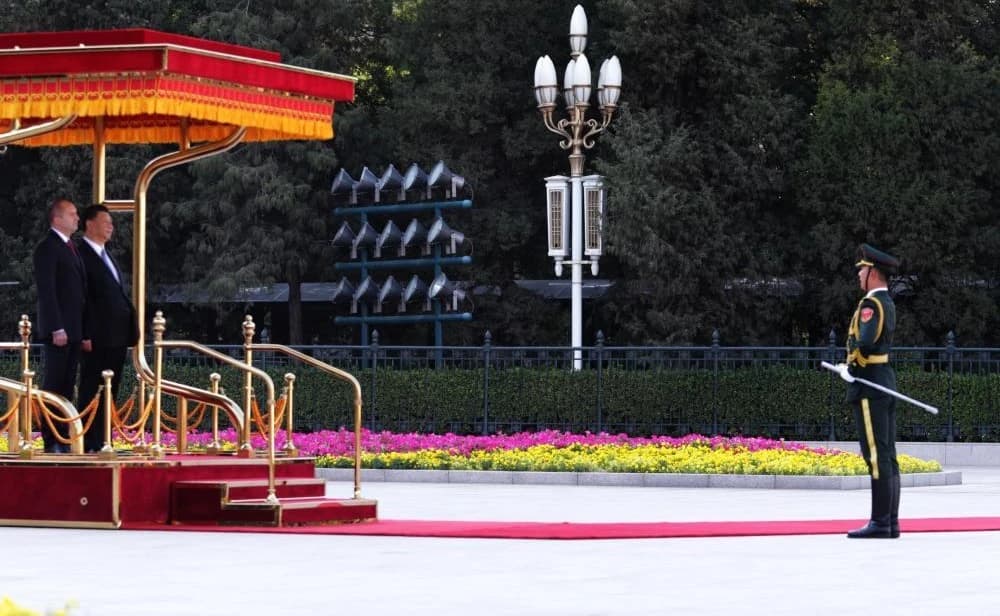
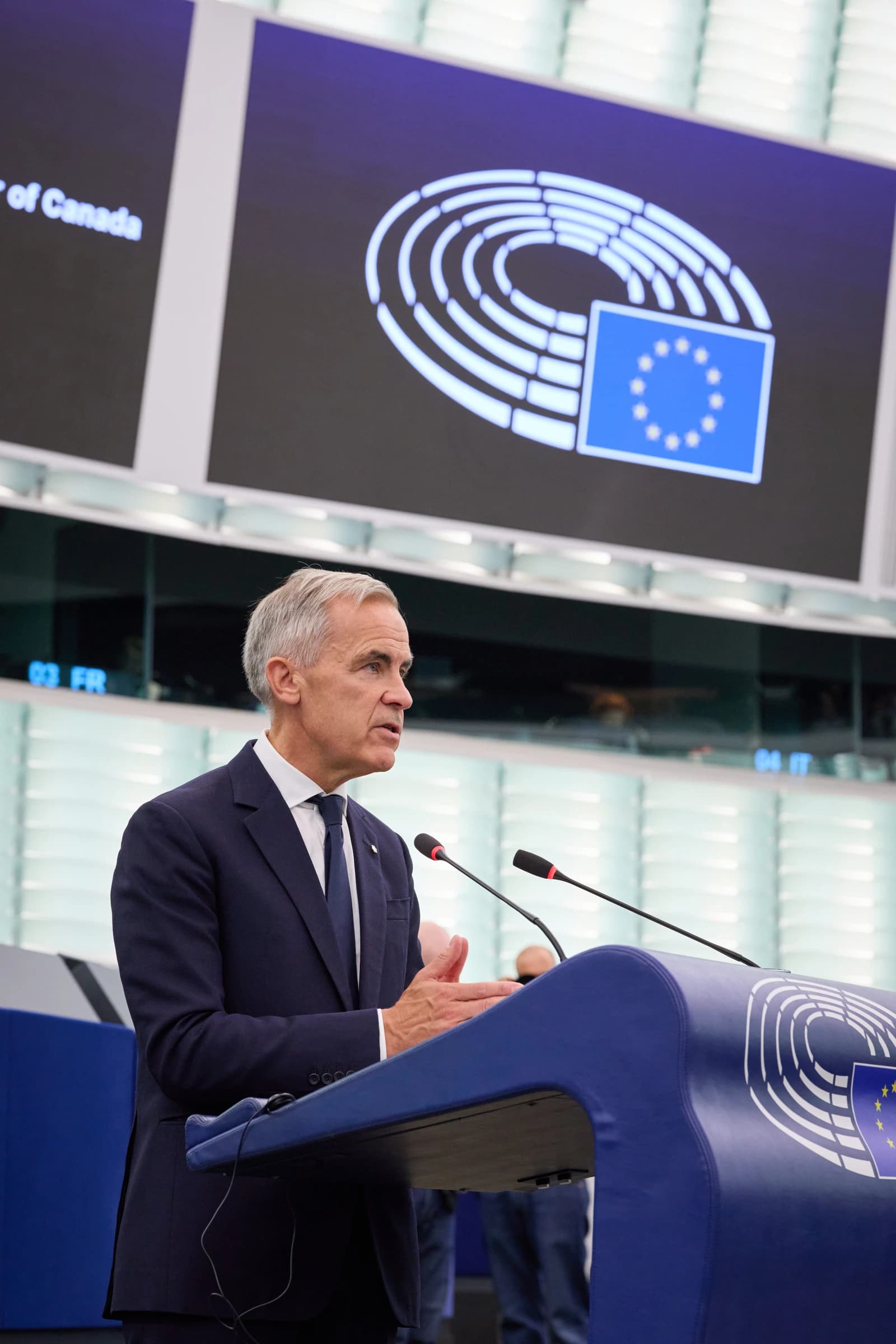
China is trying to head off a deeper trade clash with Europe at a moment when both sides are already bracing for more protectionist pressure. That matters because the European Union is one of China’s most important export markets, and any widening rift could hit everything from industrial supply chains to investor appetite for Chinese and European assets.
China and EU talk to avoid trade war
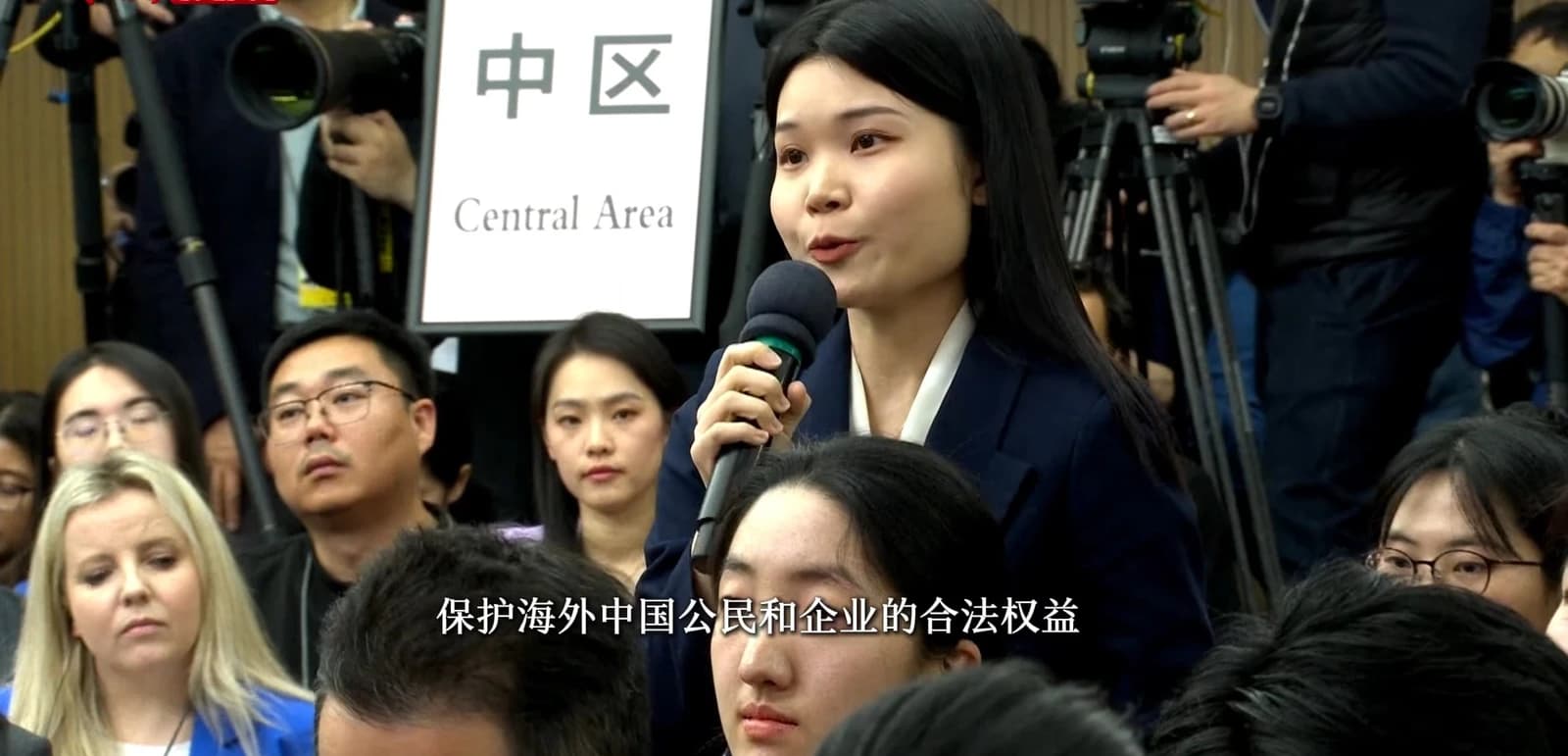
Foreign Minister Wang Yi told his German counterpart Johann Wadephul that China and the EU are “comprehensive strategic partners” and should not fight trade wars, according to Beijing’s foreign ministry. The message was aimed squarely at Berlin, which has emerged as one of the bloc’s sharper critics of Chinese industrial overcapacity and what it sees as an unbalanced trading relationship. Germany said the two ministers agreed that a stable global economy is in China’s, Germany’s and Europe’s interest, while stressing that trade must rest on “fair rules” and a real level playing field.
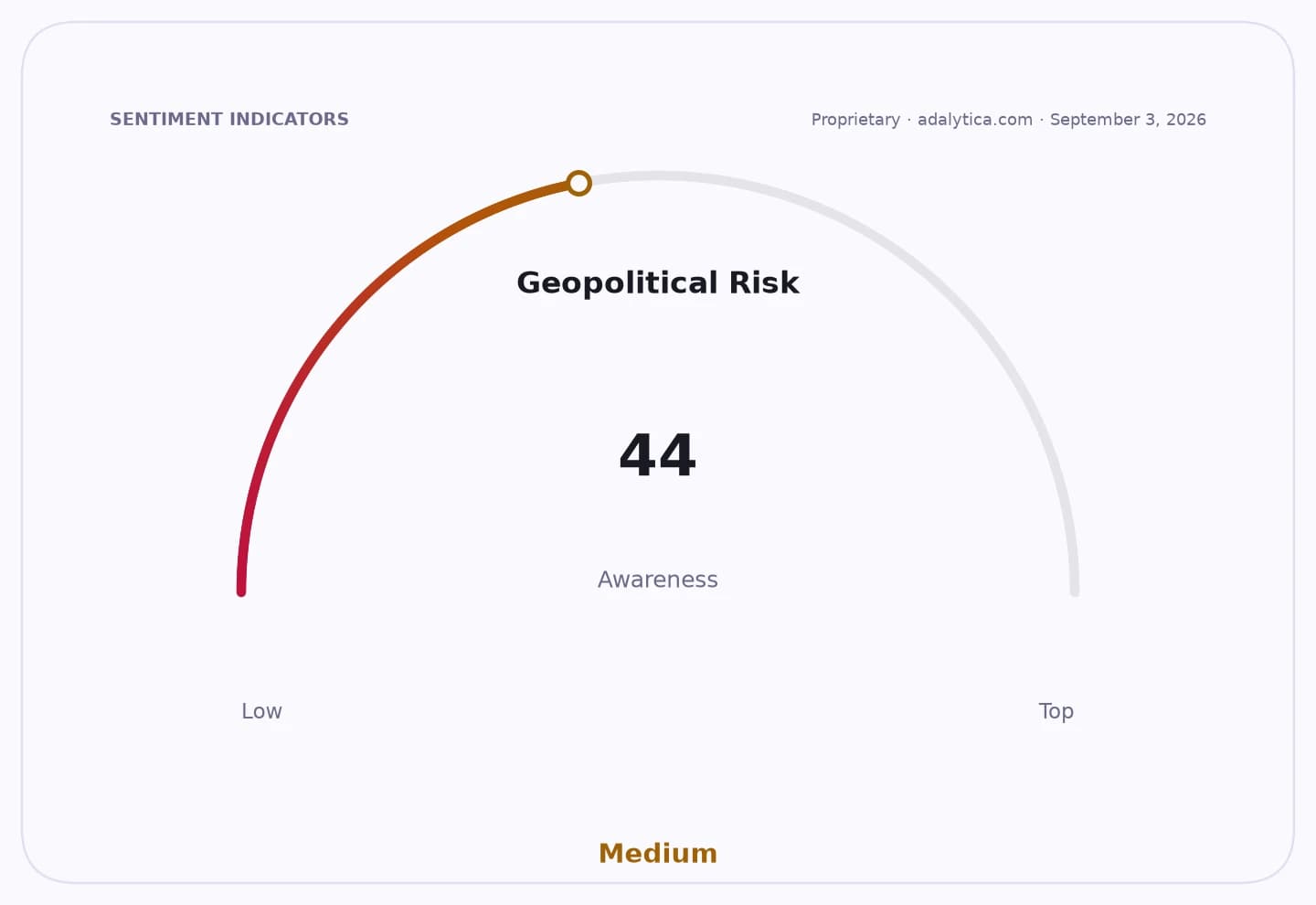
Sentiment IndicatorsⓘProprietary · adalytica.com · September 25, 2026
This is a snapshot — live sentiment, awareness and momentum for 130+ markets update continuously in the dashboard.Open AlphaPulse
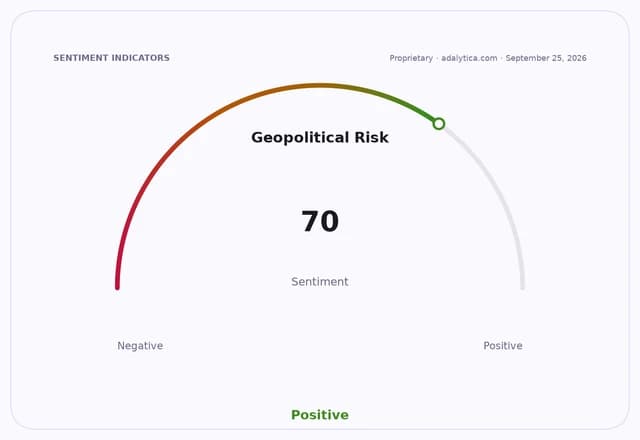
For investors, the significance is straightforward: this is a warning shot against escalation, not a resolution. Europe has already been moving more cautiously toward China as governments weigh the political appeal of tougher trade defenses against the economic cost of retaliation. At the same time, China is pressing its case that dialogue, rather than tariffs, should settle disputes. That leaves room for periodic tensions over cars, industrial goods and technology, but it also suggests both sides still see enough economic value in the relationship to keep negotiating.
The stakes are high because trade friction rarely stays confined to diplomats. It can ripple through exporters, auto suppliers, machinery makers and luxury-goods groups that depend on cross-border demand. It can also affect broader market sentiment toward Chinese equities and Europe-focused funds, especially when investors are already sensitive to global growth and policy risk. In that sense, the latest exchange is less about one phone call than about whether the world’s second- and third-largest economic blocs can keep commercial ties from becoming another front in the global protectionist cycle.
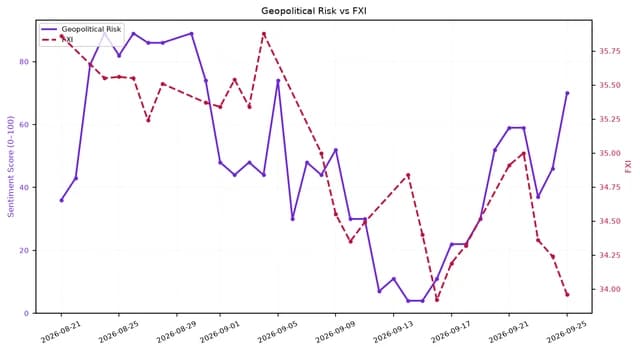
That is especially relevant now, with the US continuing to lean into tariffs and other trade barriers, adding to an already fragile global trading backdrop. Recent trade agreements elsewhere, including the EU’s deal with the Philippines and the Mercosur-Singapore pact, show that governments still want to expand commerce where they can. But the larger story remains the same: in a slower-growth world, countries are increasingly trying to shield domestic industries, and that makes every major bilateral relationship more important.
For long-term investors, the takeaway is not to trade every headline, but to watch whether China and Europe continue to choose managed friction over outright confrontation. If they do, that supports more stable global supply chains and gives multinational companies a better shot at preserving margins and demand. If they don’t, the losers will be the firms caught in the middle.
| Entity | Gains | Losses |
|---|---|---|
| China | ▲Export access, negotiation leverage | ▼Tariff escalation risk |
| EU/Germany | ▲Ability to press for fairer trade | ▼Retaliation from Beijing |
| Exporters/industrial firms | ▲Predictable trade flows | ▼Disrupted supply chains |
| Investors in Chinese/European assets | ▲Lower policy risk | ▼Higher volatility |