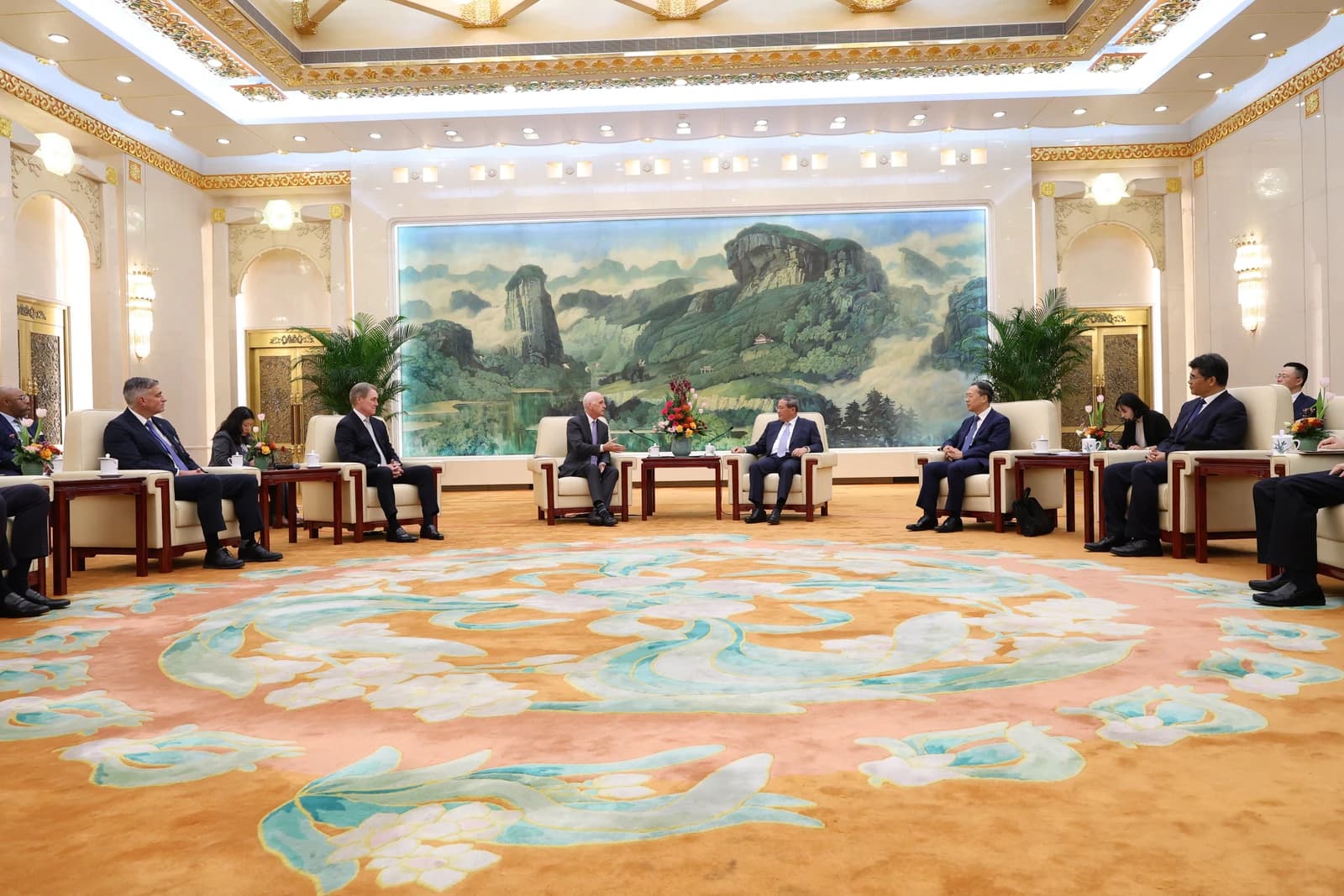
U.S., South Korean and Japanese diplomats used a high-level New York meeting to tighten their security line on North Korea and Taiwan, a signal that the three allies see Asia’s flashpoints as part of the same investment landscape: higher geopolitical risk, more supply-chain defense and more demand for strategic industries.
U.S., South Korea, Japan tighten North Korea, Taiwan ties
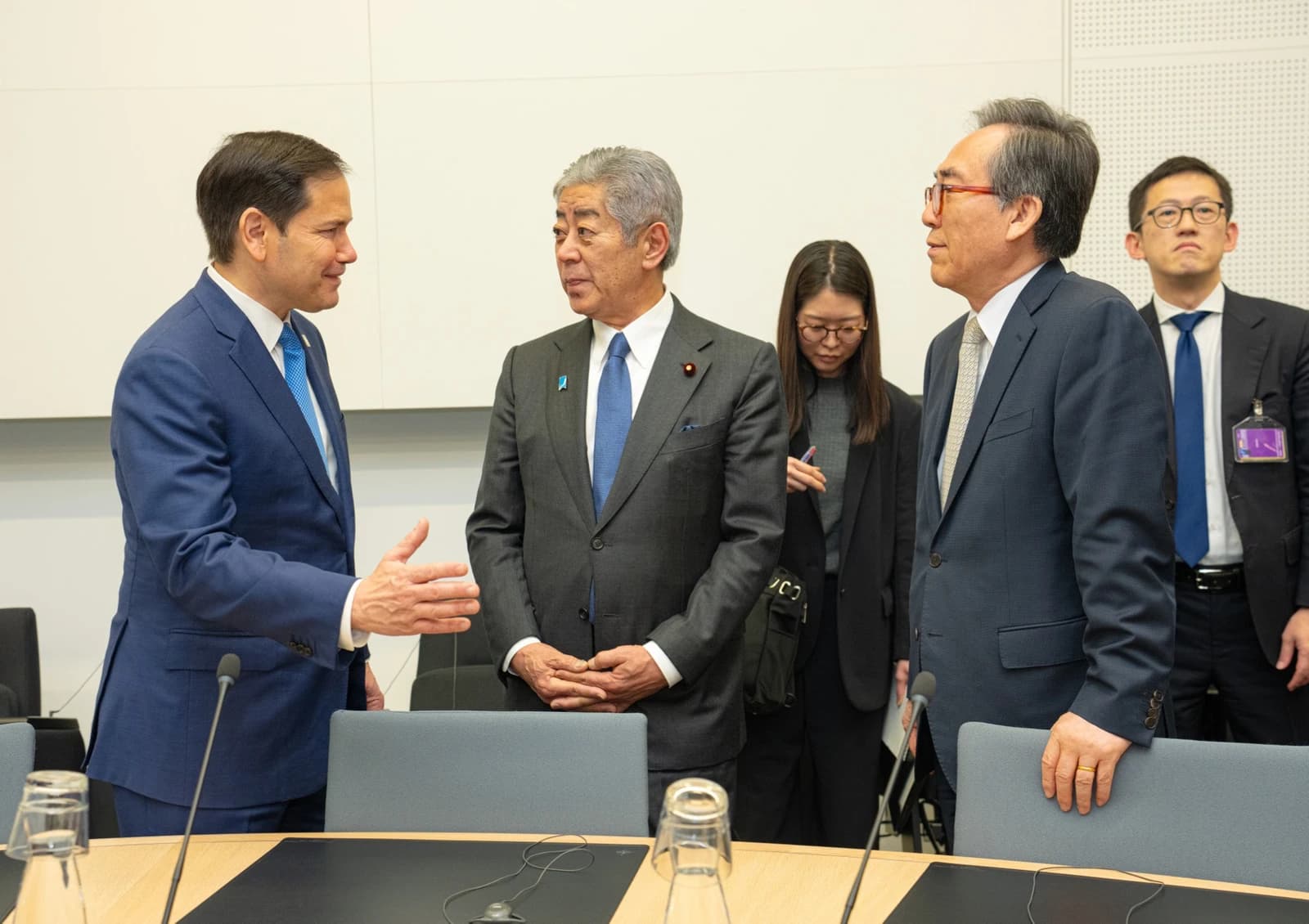
That matters because markets do not price geopolitics in isolation. When Washington, Seoul and Tokyo reinforce their opposition to North Korea’s nuclear program while also warning against any unilateral change to the status quo in the Taiwan Strait, they are implicitly defending the shipping lanes, chip supply chains and industrial networks that underpin global trade. For investors, that means the policy backdrop for semiconductors, defense, energy and logistics is becoming more resilient, but also more security-driven.
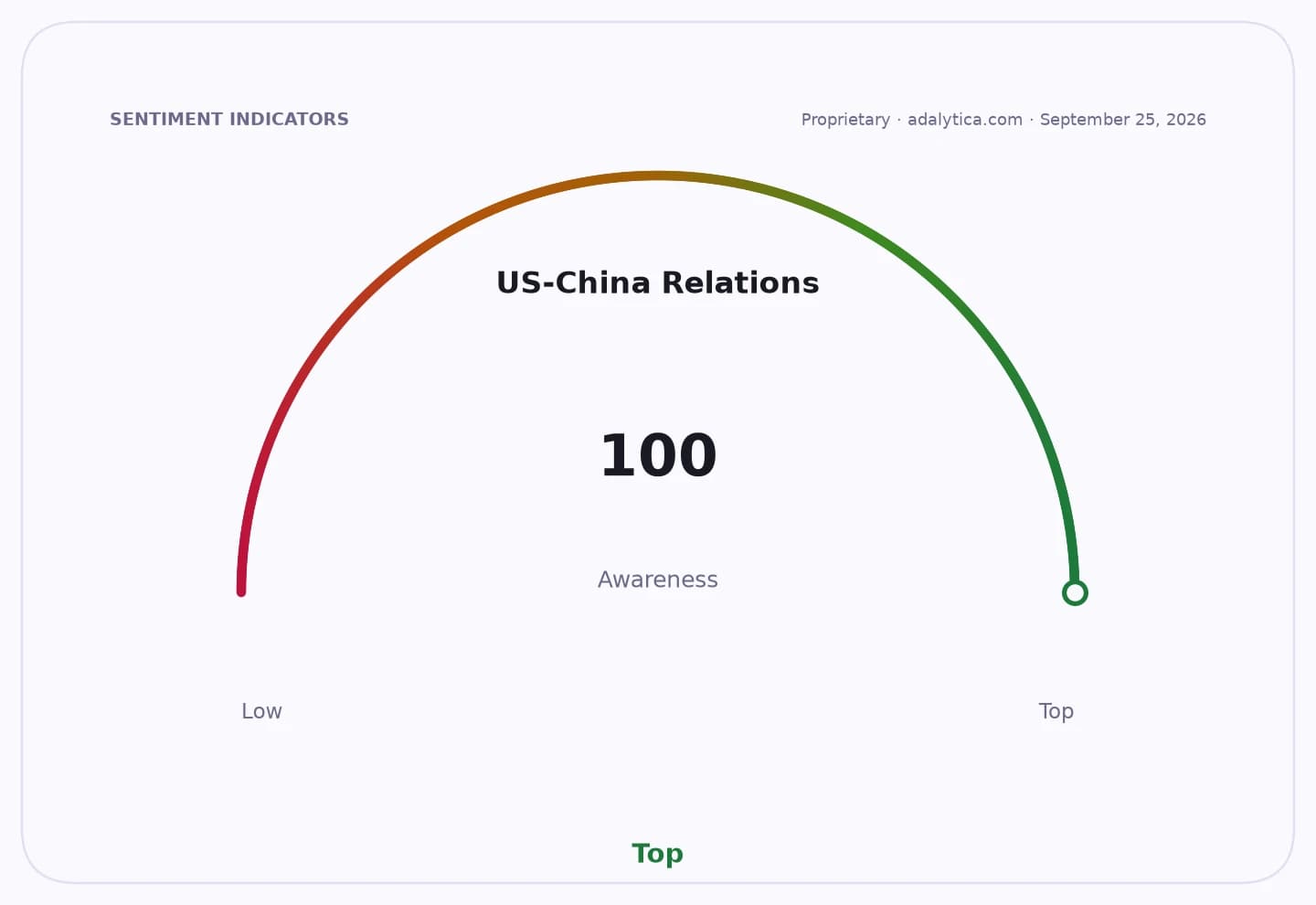
Sentiment IndicatorsⓘProprietary · adalytica.com · September 25, 2026
This is a snapshot — live sentiment, awareness and momentum for 130+ markets update continuously in the dashboard.Open AlphaPulse
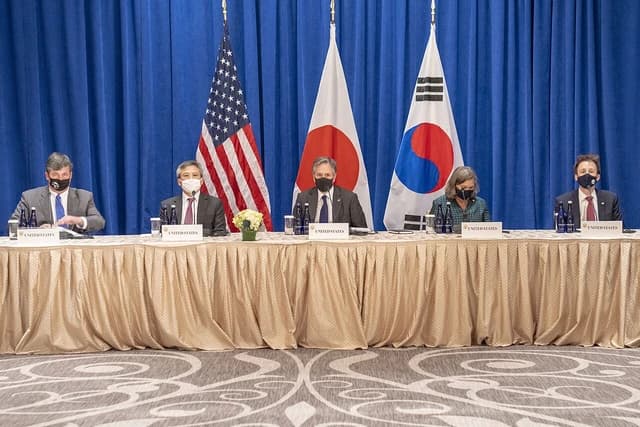
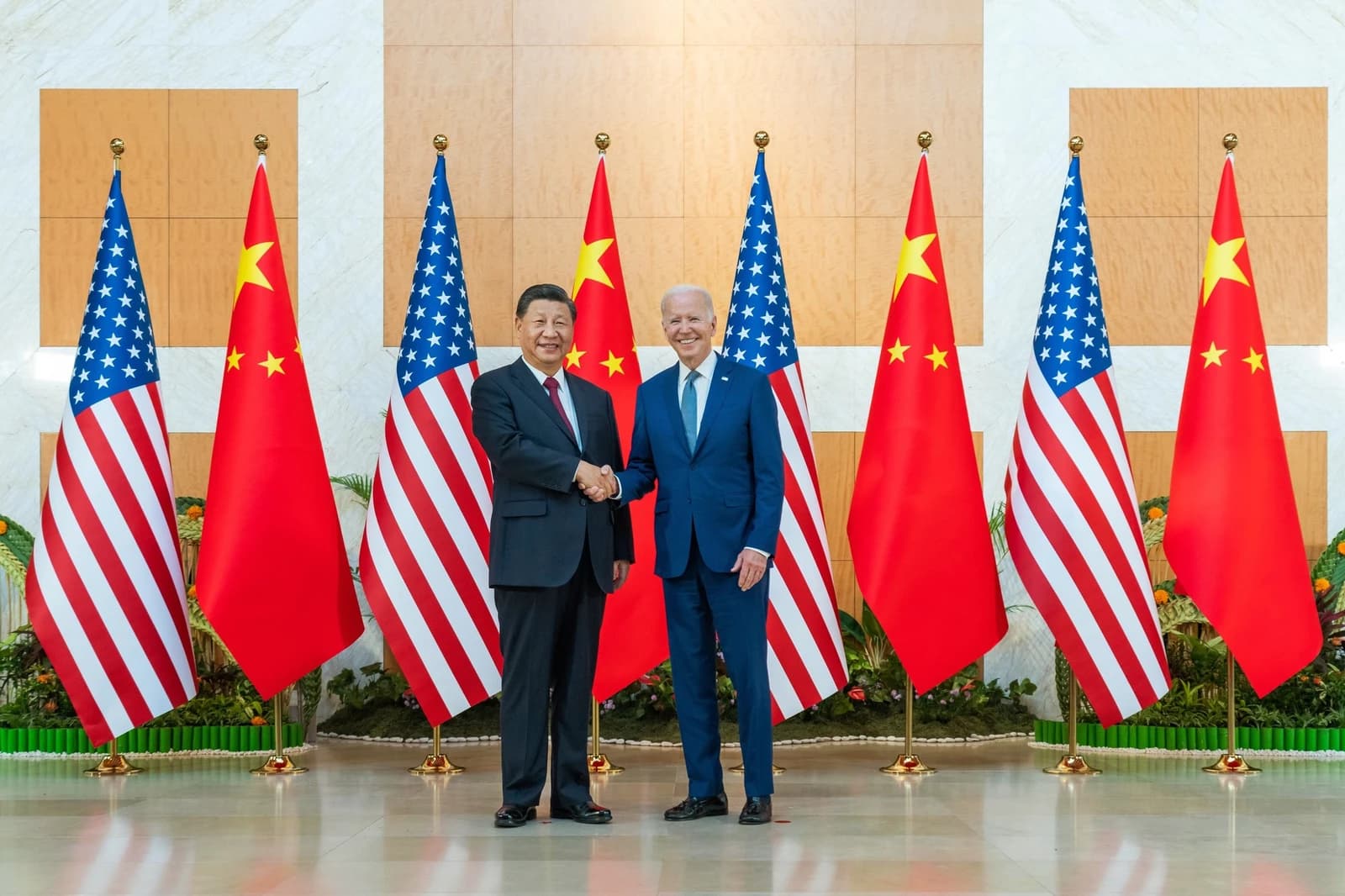
The foreign ministers of South Korea, the United States and Japan met on the sidelines of the U.N. General Assembly and reaffirmed their “firm” commitment to North Korea’s complete denuclearization under U.N. Security Council resolutions, while urging Pyongyang back to dialogue. They also stressed the importance of peace and stability in the Taiwan Strait and opposed any attempt to change the status quo by force or coercion.
Just as important for long-term investors, the three countries broadened the conversation beyond missiles and diplomacy. They said they would strengthen an early-warning system for supply-chain disruptions, accelerate cooperation on energy security and push ahead with a plan to speed deployment of small modular reactors in third countries. They also pledged closer coordination on advanced technologies including artificial intelligence, quantum computing, digital infrastructure and biotechnology.
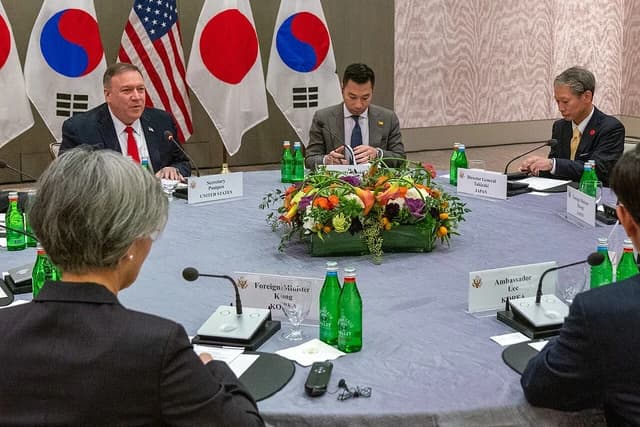
That mix tells you where policy is headed: less dependence on vulnerable supply chains, more emphasis on trusted networks and a stronger state role in strategic sectors. Companies tied to chips, cloud infrastructure, nuclear power, AI and defense are likely to remain on the right side of that trend, while exporters exposed to sanctions, export controls or coercive trade tactics face a less forgiving environment.
The timing is notable. The meeting came during the U.N. General Assembly’s high-level week and marked the third such ministerial in three months, underscoring how quickly the U.S.-Japan-South Korea alignment is becoming institutionalized. In market terms, that kind of repetition matters. It suggests these are not one-off statements, but part of a durable policy framework that could shape trade rules, procurement and industrial policy for years.
That backdrop helps explain why investors have been watching regional risk closely. The iShares MSCI South Korea ETF, EWY, has rebounded strongly from its spring lows and recently traded around $187, well above its 50-day and 200-day moving averages, even after a modest pullback. The iShares MSCI AC Asia ex Japan ETF, AAXJ, has also held up near $118, signaling that investors still want exposure to Asia, but prefer diversified vehicles that can absorb geopolitical swings.
China-linked funds remain more vulnerable to the same tensions. The iShares China Large-Cap ETF, FXI, recently traded around $34, below both its 50-day and 200-day moving averages, with relative strength readings near oversold territory. That divergence is a reminder that diplomatic language about Taiwan and supply chains is not just rhetoric; it can influence capital flows, valuations and the discount investors assign to mainland China exposure.
The bond market backdrop also reinforces the caution. The 10-year U.S. Treasury yield sat near 4.96%, while the 10-year minus 2-year spread was still positive at 0.31 percentage point, suggesting the market is pricing a path that is less about immediate recession and more about persistent policy uncertainty, sticky financing costs and heightened geopolitical risk.
For long-term investors, the right response is not to trade every headline. It is to recognize that Asia’s security architecture is being rewritten in real time, and that the winners are likely to be the companies and funds with resilient supply chains, pricing power and strategic relevance. If you invest for the next three to 10 years, this is exactly the kind of backdrop that rewards diversification, patience and exposure to the sectors governments keep protecting. Worth watching, and worth keeping on the watchlist.
| Entity | Gains | Losses |
|---|---|---|
| U.S., South Korea, Japan | ▲tighter security alignment | ▼diplomatic ambiguity |
| Taiwan, chip supply chains | ▲stronger support | ▼coercive pressure |
| Defense, nuclear, AI sectors | ▲policy tailwinds | ▼strategic uncertainty |
| China-linked equities | ▲little | ▼premium valuations |