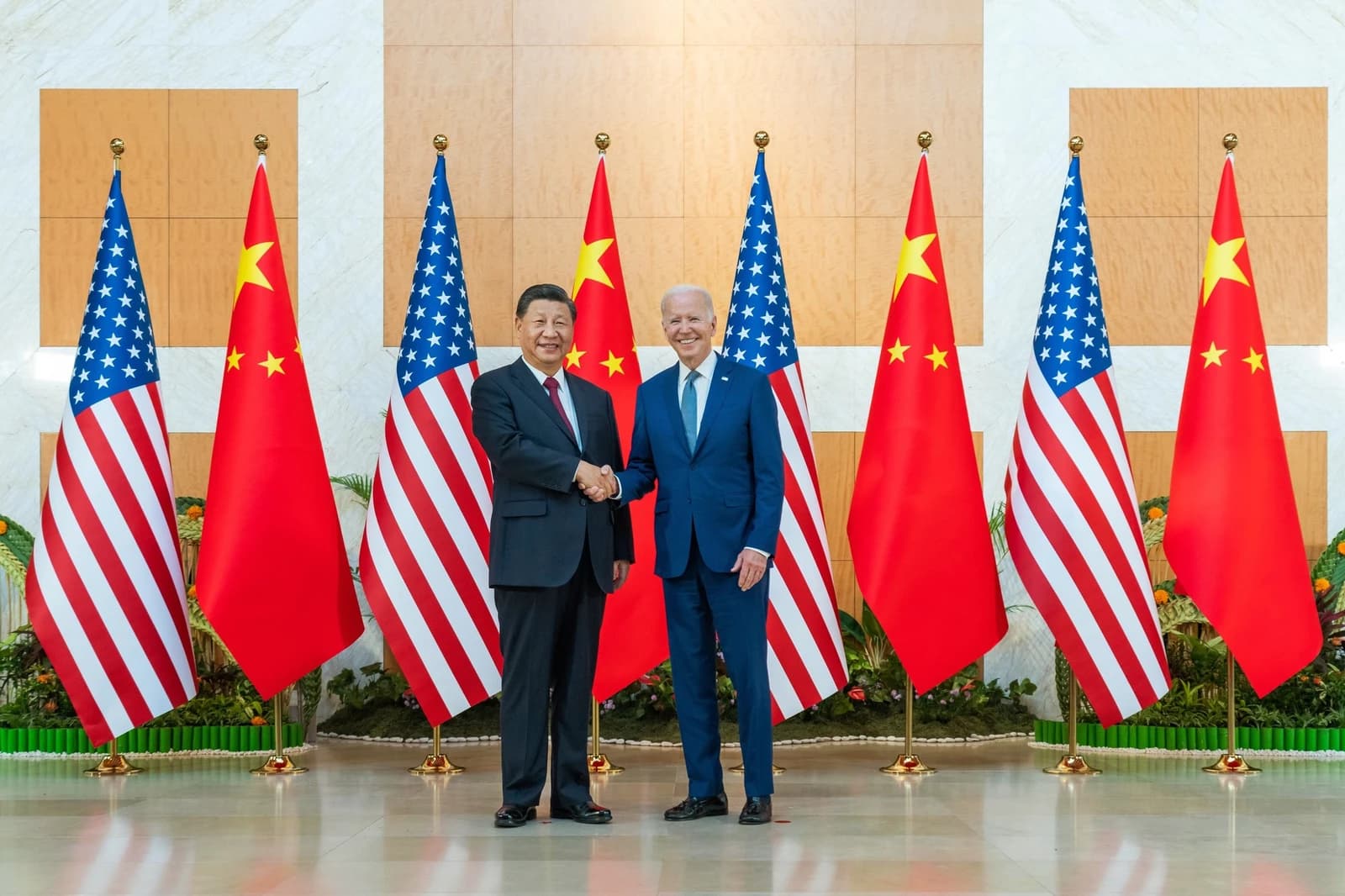
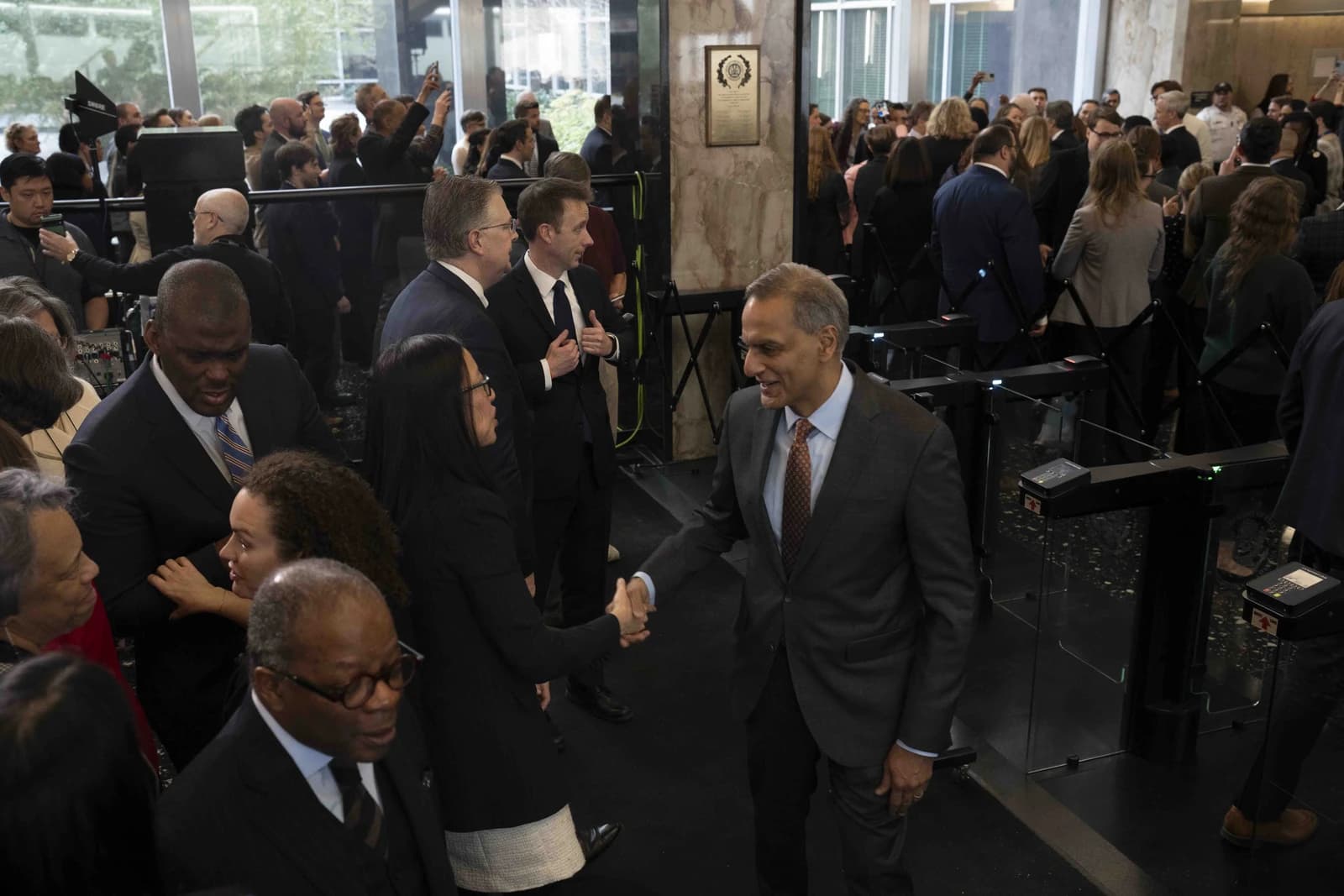
The United States and China are moving to discuss AI, import taxes and rare earths in New York this week, a sign the two largest economies are trying to cool a confrontation that still reaches into chips, magnets and the global AI supply chain.
US-China Talks Cover AI, Tariffs and Rare Earths
That matters because this is no longer just a diplomacy story. It is a pricing story for semiconductors, industrial metals, defense technology and the broader cost of building out artificial intelligence infrastructure. If Washington and Beijing can extend tariff relief and ease rare-earth bottlenecks, it would lower friction across sectors already strained by export controls, supply-chain reordering and heavy capital spending. If they cannot, the cost of compute and advanced manufacturing stays higher for longer.
Sentiment IndicatorsⓘProprietary · adalytica.com · September 21, 2026
This is a snapshot — live sentiment, awareness and momentum for 130+ markets update continuously in the dashboard.Open AlphaPulse

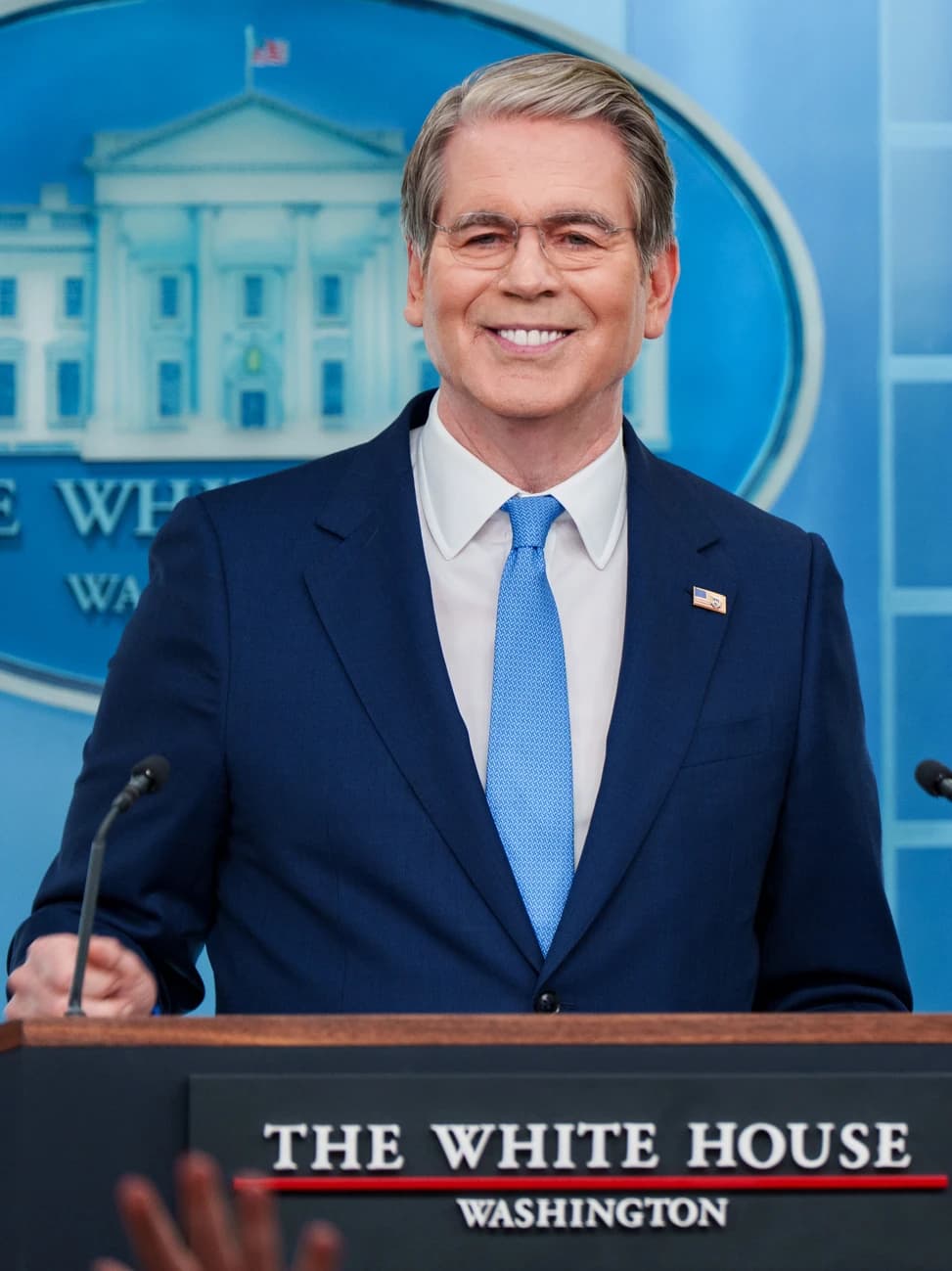
US Treasury Secretary Scott Bessent, Chinese Vice Premier He Lifeng and US Trade Representative Jamieson Greer are due to meet on Sept. 20, with talks potentially running into Sept. 21, according to Reuters sources. Bessent said the sides will discuss AI, including both open-source and closed models, as well as “safety guardrails” around a technology that has become central to economic power and national security. That is an important shift: Washington is treating AI as a bilateral stability issue, not just a trade dispute.
The market should care about the composition of that AI debate. Chinese open-source models are increasingly being adopted by US companies because they can be cheaper than closed systems from OpenAI and Anthropic, which means any agreement on standards or guardrails could shape how quickly enterprises adopt lower-cost AI tools. The bigger point is that both countries know the AI race is now tied to industrial capacity, energy use and semiconductor supply, not just software.
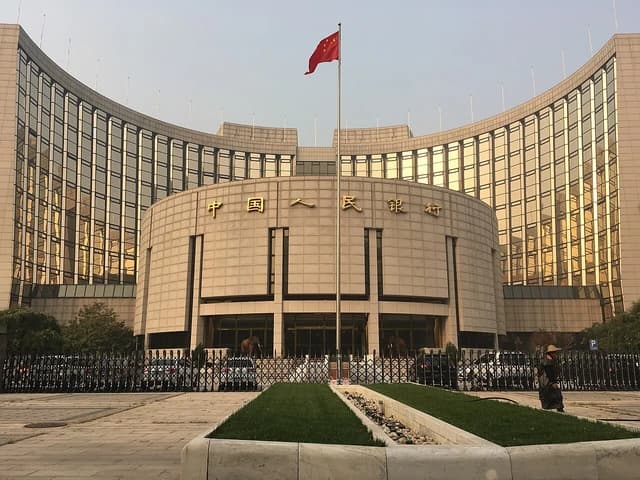
Rare earths are the other critical pressure point. Beijing’s tighter controls on magnets and strategic minerals last year exposed how vulnerable US manufacturers remain to Chinese leverage in materials used in electric vehicles, defense systems and AI hardware. That is why companies such as MP Materials have become strategic assets, even after a volatile year in the stock. MP shares have fallen to about $112.92 from a 2026 peak above $214, but the company still sits at the center of the Western effort to build a non-Chinese rare-earth supply chain. A thaw in trade could help sentiment, but the real investment case remains the same: governments and manufacturers need domestic or allied supply, whatever happens in the talks.
The tariff piece is equally important for investors. Any extension of the current import-tax truce beyond its Nov. 10 expiry would reduce the risk of another escalation into supply chains, especially for technology, industrials and capital goods. That helps explain why chip-equipment names and advanced manufacturers remain sensitive to each headline out of New York. Taiwan Semiconductor Manufacturing Co. is already trading near record territory again, with its shares around $445.14 and sitting above both its 50-day and 200-day moving averages, while US suppliers exposed to China remain highly leveraged to a calmer policy backdrop.
A constructive outcome would also support broader risk appetite. The dollar is flashing “Extreme Greed” in Adalytica’s trade-signal snapshot, while AI-related sentiment has improved even as the broader market remains cautious. That combination tells you investors are willing to buy the theme, but not yet prepared to price in a durable easing of geopolitical friction. In other words, the market is still discounting the possibility that Washington and Beijing can manage the relationship without breaking the economic linkages that power AI investment.
For investors, the asymmetric opportunity is not in chasing headlines but in owning the toll roads of the AI and strategic-minerals buildout. That includes the chip equipment ecosystem, the foundry leaders, and the rare-earth and magnet supply chain. The talks may produce a short-term lift in the most China-sensitive names, but the bigger multi-year thesis is unchanged: AI requires compute, compute requires chips, and chips require materials and equipment that Washington cannot easily decouple from Beijing overnight.
| Entity | Gains | Losses |
|---|---|---|
| TSMC / chipmakers | ▲Less trade friction | ▼Geopolitical premium fades |
| MP Materials / rare-earth suppliers | ▲Strategic relevance | ▼Tariff-truce easing may cap urgency |
| US tech buyers / AI users | ▲Lower input costs | ▼Dependence on China-linked supply stays |
| China exporters / US importers | ▲Tariff relief | ▼Hard bargaining if talks stall |