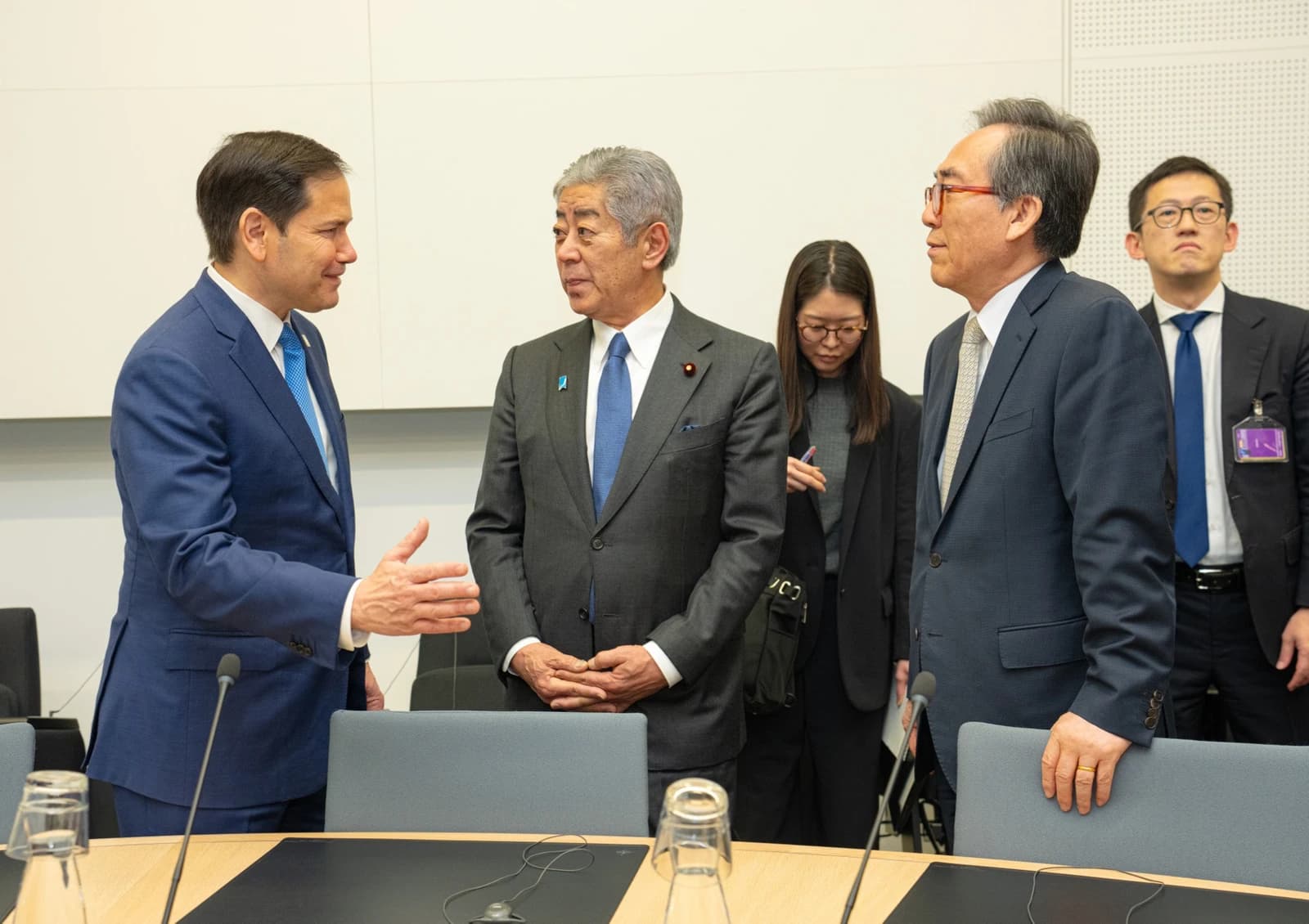
NATO and Japan moved to deepen military cooperation this week, a step that underscores how the war in Ukraine and rising tensions in the Indo-Pacific are pushing alliances to widen beyond their traditional theaters.
NATO and Japan Expand Defense Cooperation

The immediate significance is strategic, but the economic consequences are becoming harder to ignore. In a world where security policy is increasingly shaping industrial policy, the closer NATO-Japan alignment points to more spending on cyber defense, space systems, drones, artificial intelligence and joint military readiness — all areas where Western defense contractors, suppliers and technology firms stand to benefit.
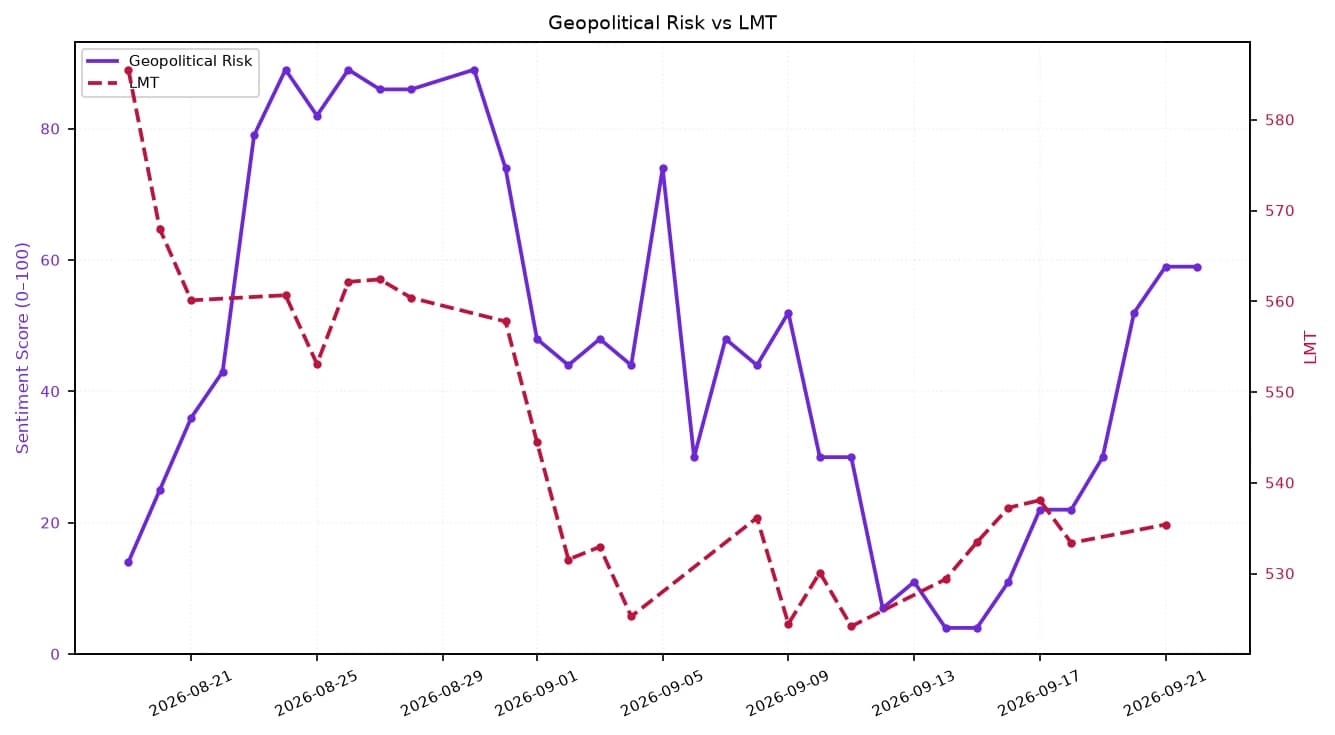
Sentiment IndicatorsⓘProprietary · adalytica.com · September 25, 2026
This is a snapshot — live sentiment, awareness and momentum for 130+ markets update continuously in the dashboard.Open AlphaPulse
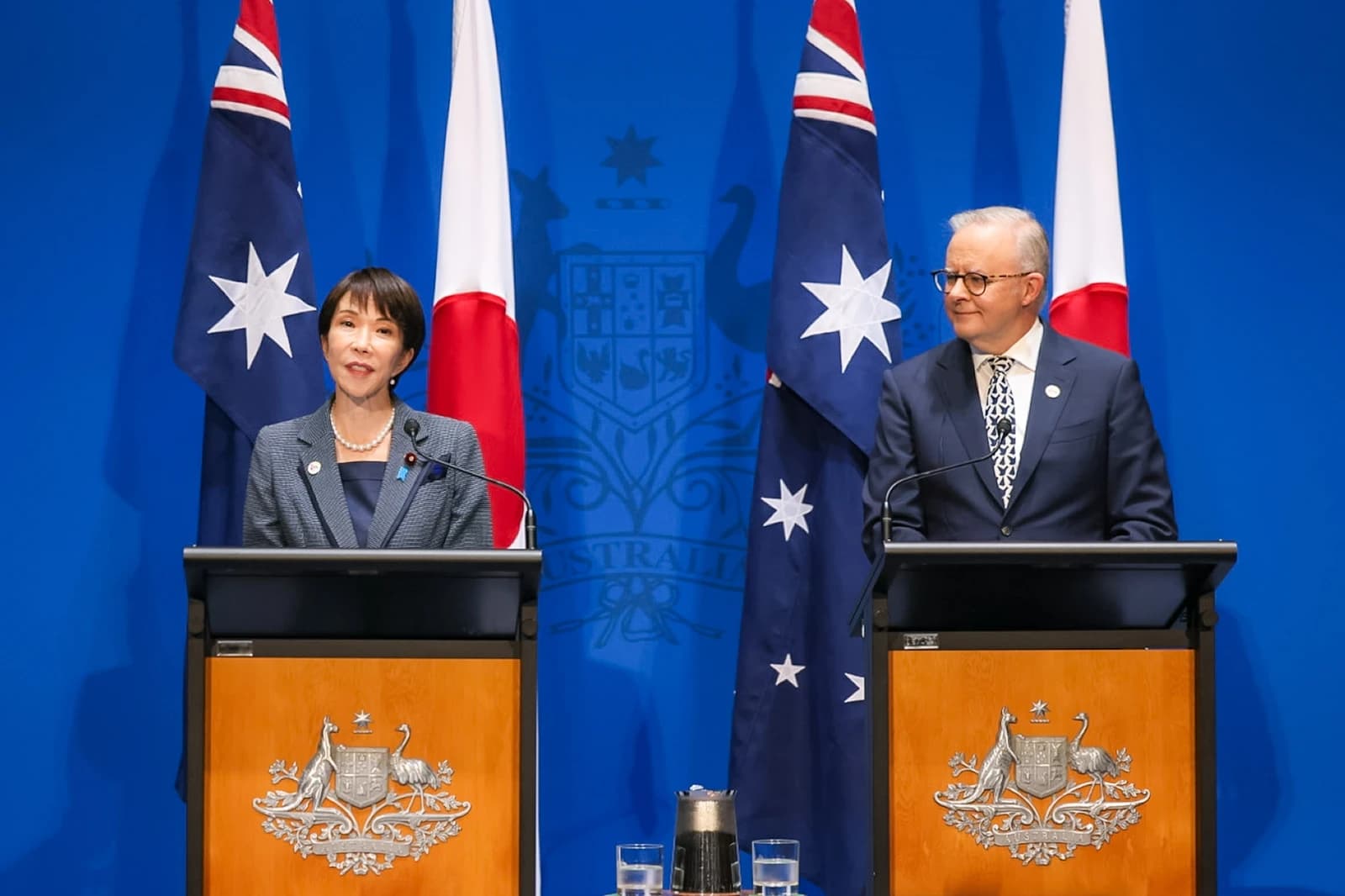
NATO Secretary-General Mark Rutte and Japanese Prime Minister Shigeru Ishiba agreed to expand cooperation during Rutte’s first visit to Japan since taking office, pledging more joint exercises and closer coordination on defense industrial capacity. They also said the two sides would work more closely in cyber defense, space, advanced technologies, drones and AI, signaling a partnership that is no longer limited to diplomacy but increasingly tied to procurement and capability building.
The timing matters because the leaders framed the relationship as a response to a broader security crisis. Ishiba warned that Russia’s aggression in Ukraine could embolden similar behavior in the Indo-Pacific, while Rutte accused China of expanding military power and pursuing destabilizing activity. Both also condemned military ties between Russia and North Korea and raised concerns about Chinese support for Russia’s defense industry.
For investors, the message is straightforward: allied rearmament is becoming more global, more persistent and more technology-intensive. That is constructive for prime contractors such as Lockheed Martin, Northrop Grumman and RTX, as well as for a wider supply chain that includes cybersecurity, satellite, command-and-control and autonomous systems providers. It also reinforces the case for longer-cycle defense budgets in the US, Europe and Japan, where governments are looking to harden deterrence rather than merely replenish inventories.
The market has already begun to reflect that thesis. Shares of Lockheed Martin, Northrop Grumman and RTX have all been volatile, but the broader defense trade remains supported by expectations of sustained procurement and higher allied spending. Northrop and RTX, in particular, remain exposed to space, missiles, sensors and integrated air and missile defense — categories that fit squarely within the cooperation agenda outlined by Tokyo and NATO.
The agreement also has a second-order effect on industrial policy. Japan’s willingness to work with NATO on security assistance for Ukraine, within the limits of its pacifist constitution, suggests Tokyo is becoming a more active participant in the Western security architecture without fully abandoning legal restraints that still shape its military posture. That creates opportunities for equipment makers and training providers while also limiting the speed and scope of some programs.
Adalytica’s Global Stability Sentiment gauge remains in neutral territory, but with awareness in fear, reflecting how quickly geopolitical risk is being repriced across markets. The bigger lesson for investors is that defense demand is no longer being driven only by isolated conflicts. It is being reinforced by an emerging alignment among NATO, Japan and other US allies that sees China, North Korea and Russia as interconnected risks rather than separate problems.
If that view holds, the next catalyst will be concrete follow-through: more joint exercises, procurement partnerships and industrial agreements that turn diplomatic language into orders, revenue and backlog.
| Entity | Gains | Losses |
|---|---|---|
| NATO and Japan | ▲Deeper security coordination | ▼Strategic ambiguity |
| Defense contractors | ▲Higher procurement demand | ▼Peacetime budget discipline |
| China, Russia, North Korea | ▲Pressure and scrutiny | ▼Diplomatic room to maneuver |
| Investors in defense and cyber | ▲Longer spending cycle | ▼Risk-off trade rotation |