US Secretary of State Marco Rubio said direct communication between Washington and Beijing remains essential, while signaling that future U.S. weapons sales to Taiwan may have to compete with American military demand and industrial capacity.
Rubio Says Taiwan Arms Sales Must Balance U.S. Needs
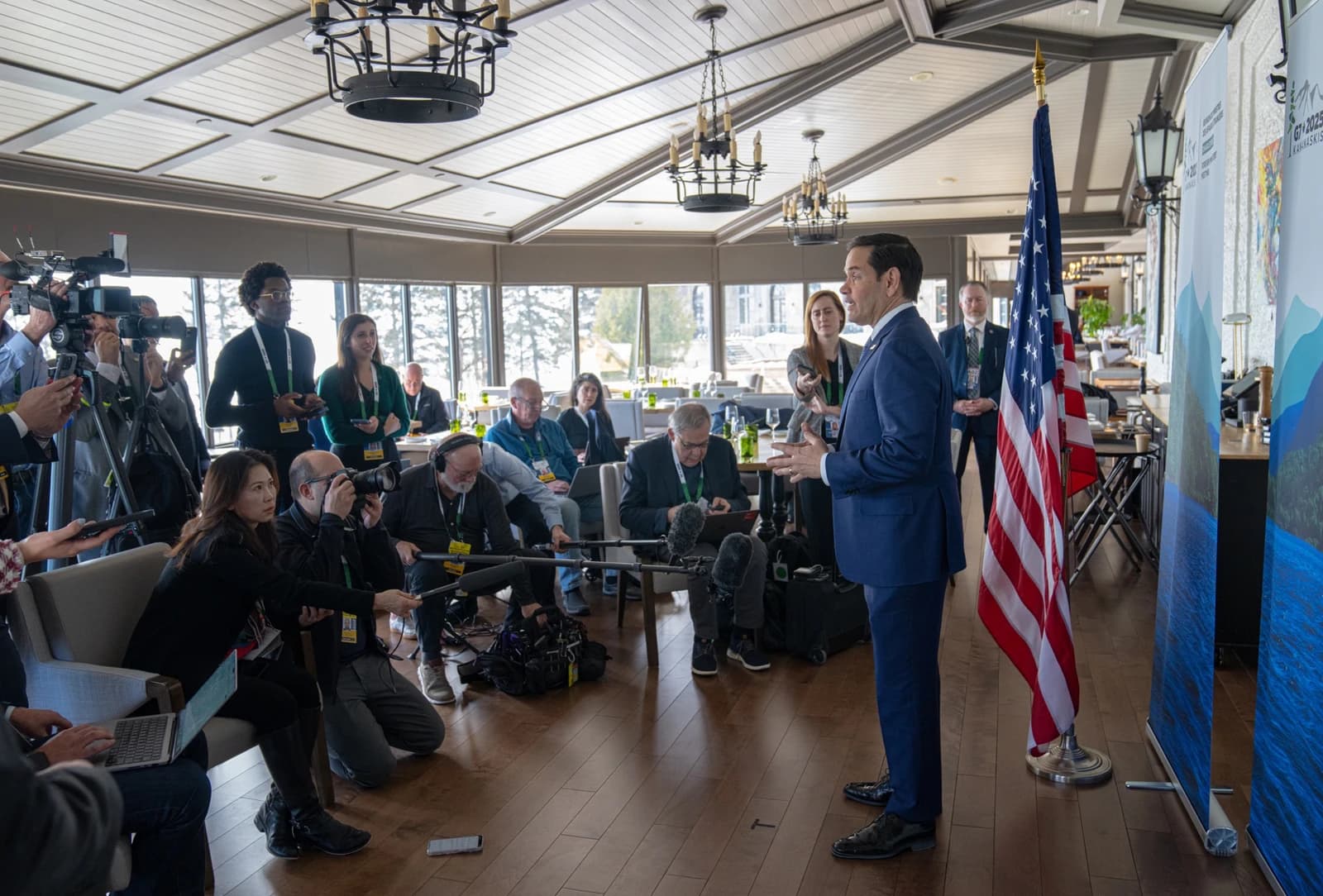
His comments point to a more transactional approach to one of the most sensitive flashpoints in U.S.-China relations: Taiwan’s defense ties with Washington. For investors, that matters because any delay, reduction or reprioritization of arms deliveries can ripple through aerospace and defense supply chains, while also shaping the diplomatic backdrop for a broader U.S.-China thaw or rupture.
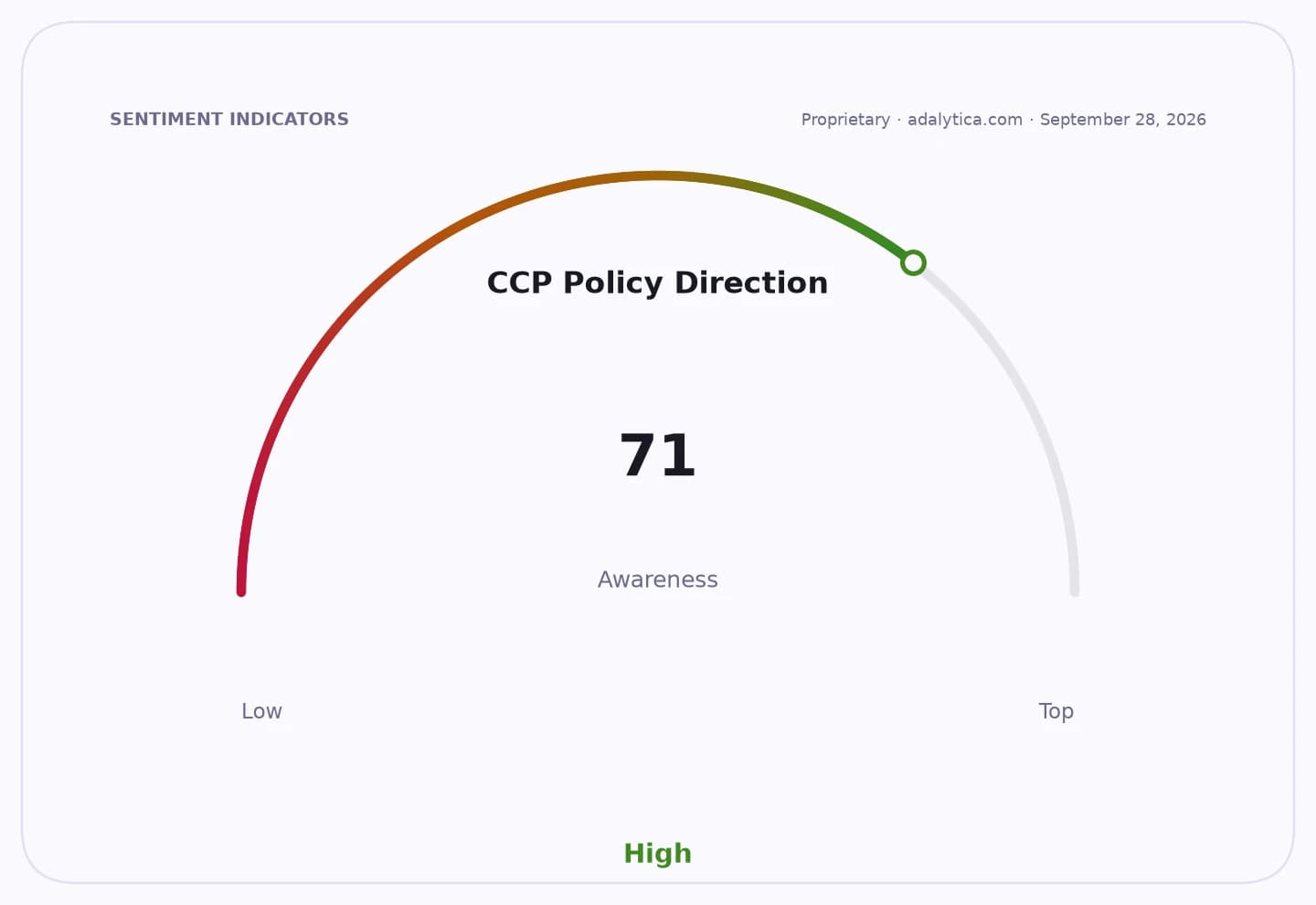
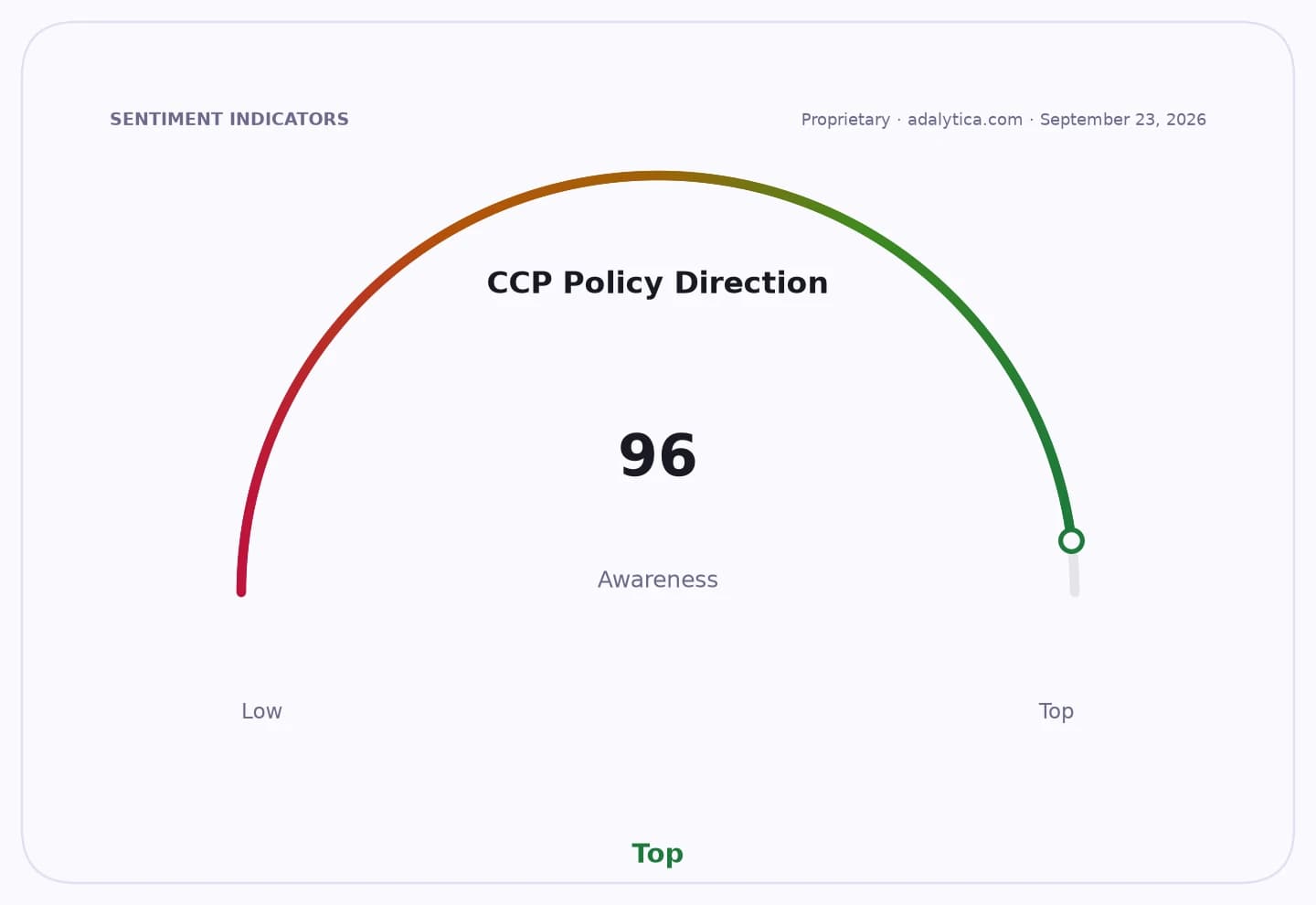
Sentiment IndicatorsⓘProprietary · adalytica.com · September 28, 2026
This is a snapshot — live sentiment, awareness and momentum for 130+ markets update continuously in the dashboard.Open AlphaPulse
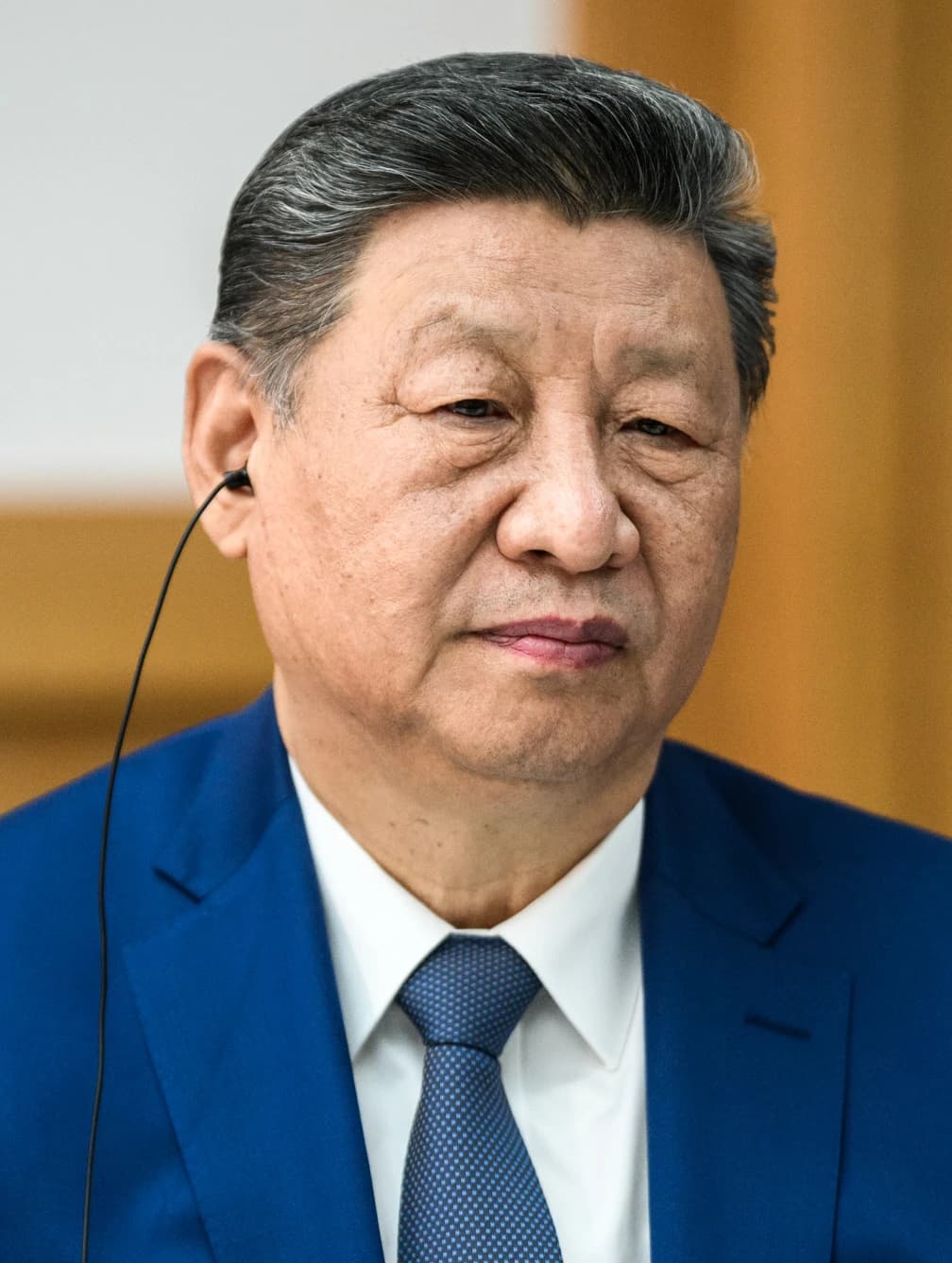
Speaking at the UN in New York, Rubio called it “unreasonable and irresponsible” to suggest the world’s two biggest economies should not engage at the highest level. He said President Donald Trump could meet Chinese President Xi Jinping at upcoming summits in Asia and in the U.S., underscoring that the administration still sees leader-to-leader contact as a stabilizing mechanism even amid deep strategic rivalry.
The more market-relevant part of Rubio’s remarks was his description of Taiwan arms sales as a balancing act. “When we sell, it has to be balanced with our needs elsewhere in the world and our ability to sell,” he said, adding that some systems may be needed by the United States itself. That language suggests the White House is weighing not just geopolitics, but depleted inventories, industrial throughput and competing demands from conflicts in Europe and the Middle East.
Geopolitical Risk — 30-day sentimentadalytica.com
Explore this data interactively — full history, time series and cross-market comparisons.Open AlphaPulse
The implication is that Taiwan’s pipeline of U.S. weapons could remain vulnerable to scheduling slippage, even if formal support for the island stays intact. Reuters has reported that U.S. arms sales to Taiwan have effectively been on hold since May after Trump’s China visit, and that the administration may avoid fresh announcements until later in the year to avoid provoking Xi before summit diplomacy.
That creates a two-sided market setup. For Lockheed Martin, RTX and Northrop Grumman, any sustained freeze would defer revenue recognition and push out orders tied to missile defense, sensors and other systems associated with Taiwan. But it could also preserve scarce production capacity for higher-priority U.S. or allied requirements, a point that would support margins and backlog discipline if Pentagon replenishment orders stay strong.
The broader geopolitical read is that Washington is trying to reduce friction with Beijing without abandoning Taiwan’s deterrence. Rubio’s emphasis on communication lowers the odds of miscalculation, but his remarks on weapons sales also hint that the Taiwan issue may be managed more cautiously if the administration is seeking a larger deal with China. That keeps the near-term focus on the Trump-Xi meeting calendar and on whether arms decisions are delayed, bundled or quietly deprioritized.
For investors, the key question is whether the current pause is temporary diplomacy or the start of a more durable reordering of U.S. export priorities. If the White House keeps Taiwan sales in reserve, defense contractors tied to foreign military sales may see timing risk rise even as strategic demand remains intact. If talks with Xi break down, the opposite is true: Taiwan-related orders could reemerge quickly, along with a sharper premium for regional defense names.
| Entity | Gains | Losses |
|---|---|---|
| US administration | ▲Diplomatic flexibility | ▼Near-term clarity |
| China | ▲Leverage in talks | ▼Less certainty on Taiwan |
| Taiwan | ▲Potential de-escalation | ▼Arms-delivery delays |
| Lockheed Martin / RTX / Northrop Grumman | ▲Possible replenishment orders later | ▼Near-term sales timing risk |