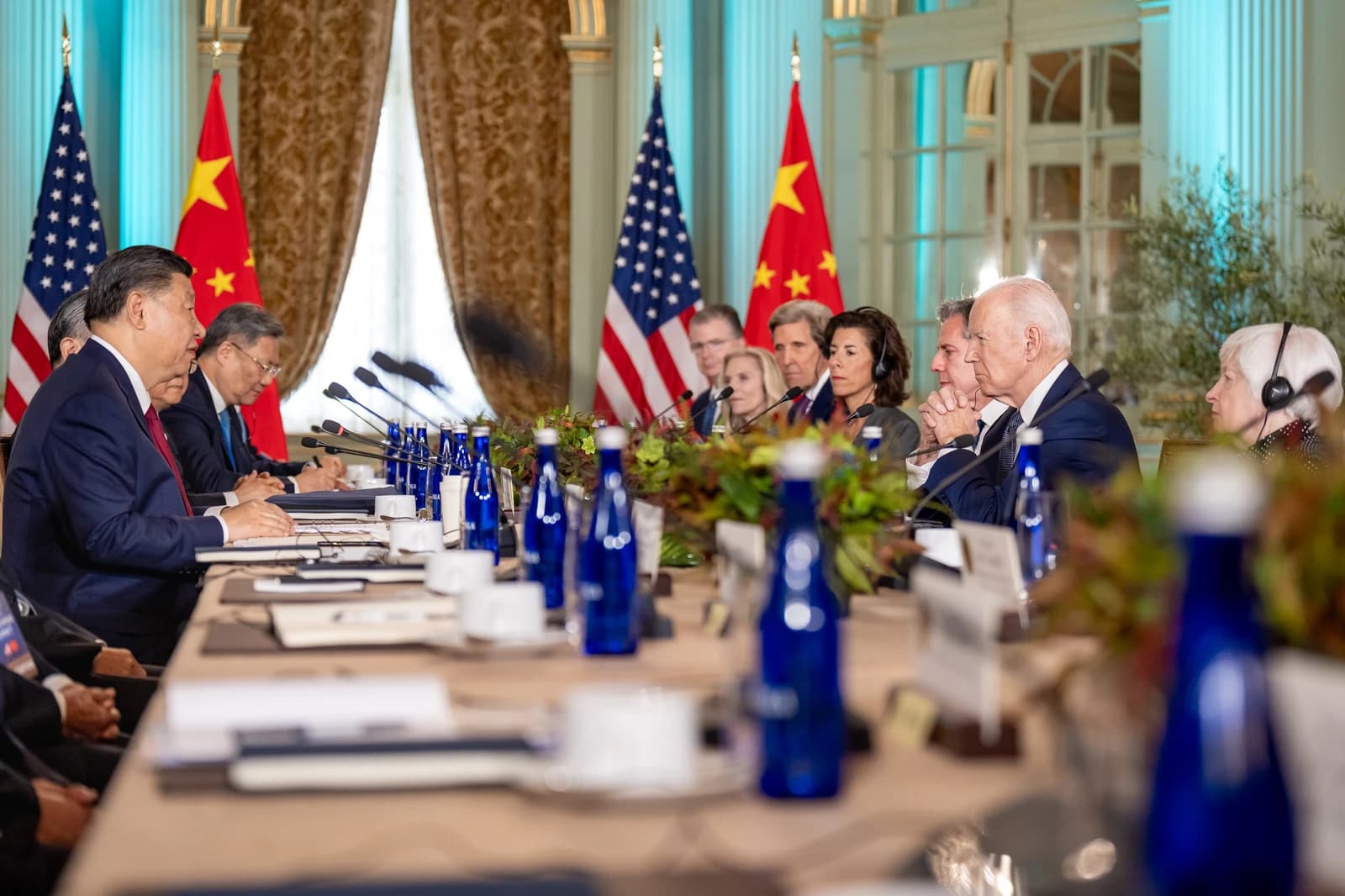
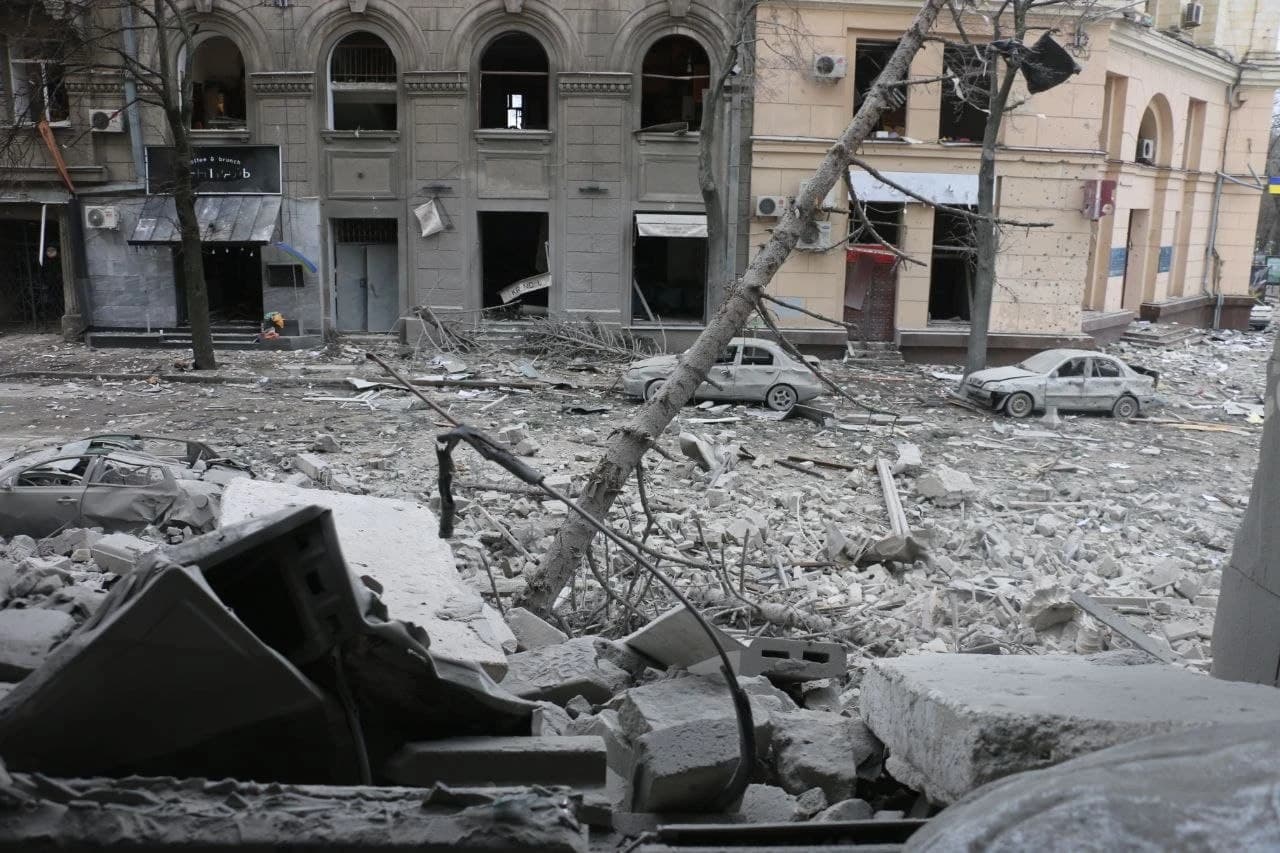
China now has more intercontinental ballistic missile launchers than the United States or Russia, underscoring the scale and pace of Beijing’s military expansion as Washington prepares for a high-stakes meeting between Donald Trump and Xi Jinping.
China missile launchers outnumber US and Russia
That shift matters because launcher count is not just a hardware metric: it reflects how quickly China is building the ability to sustain a larger, more survivable nuclear force. Analysts cited in the underlying reporting said some Chinese silo fields already appear to be loaded, while satellite imagery points to a broader program that is expanding across at least seven key sites. Together, the evidence suggests Beijing is moving from a smaller deterrent posture toward one designed to absorb a first strike and still retaliate.
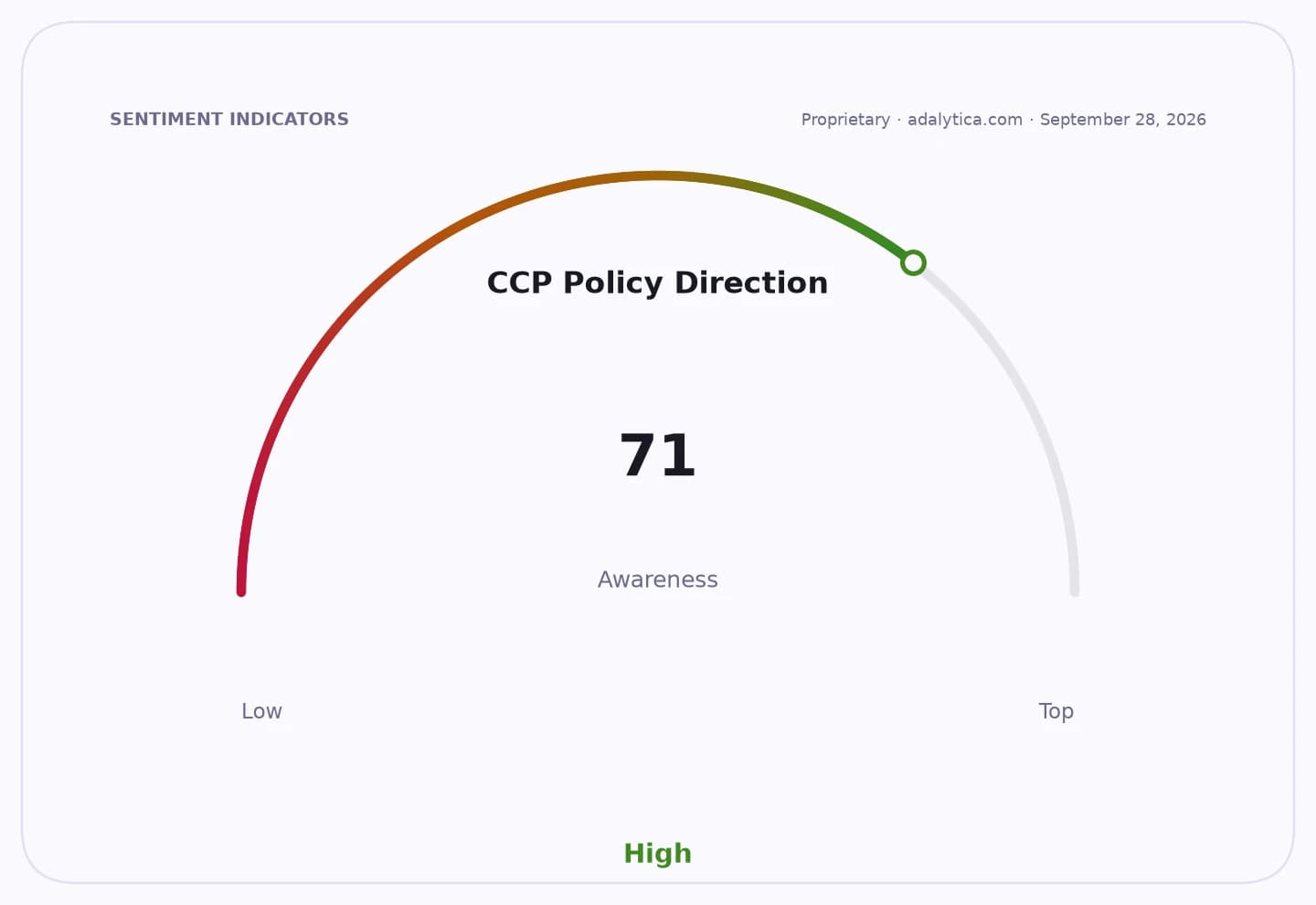
Sentiment IndicatorsⓘProprietary · adalytica.com · September 28, 2026
This is a snapshot — live sentiment, awareness and momentum for 130+ markets update continuously in the dashboard.Open AlphaPulse
For investors, the implication is that the strategic competition between the US and China is becoming more capital-intensive and more persistent. A larger Chinese nuclear and missile footprint increases pressure on the Pentagon to fund missile defense, survivable deterrents, command-and-control systems and space-based surveillance. That has long been supportive for defense contractors tied to strategic systems, missile warning and hardened infrastructure, even as it raises the risk of more volatile policy and procurement cycles.
The numbers behind the buildout are striking. SIPRI estimates China’s warhead stockpile has more than doubled under Xi Jinping to 620 by January, with projections of 1,500 by 2035. That would still trail the US and Russia in total warheads, but it narrows the gap sharply. The more immediate concern is the launcher base: if more silos are being paired with nuclear-capable missiles, China’s second-strike capacity becomes more credible, and that changes the deterrence calculus in the Indo-Pacific and beyond.
The expansion also arrives as Trump is pressing for any new arms control talks with Russia to include China, a demand Beijing has repeatedly resisted. The White House has also signaled it wants to re-open US nuclear testing on a “like-for-like” basis, a move experts warn could further erode arms control guardrails. In parallel, Australia and other middle powers are warning that the post-1945 order is fraying, a sign that the broader geopolitical backdrop is shifting toward more open great-power competition.
For defense stocks, the long-term read-through is positive for companies exposed to strategic deterrence, missile systems and nuclear modernization, including Lockheed Martin, Northrop Grumman and RTX. Their shares have already reflected that theme in recent months, but the latest Chinese data keeps the investment case intact: the deterrence cycle is not ending soon, and the US is unlikely to reduce spending while Beijing continues to expand its arsenal.
The bear case is that this becomes a more destabilizing arms race, with higher risks of testing, countermeasures and export-control escalation. But the market’s base case is likely to remain unchanged for now: rising strategic tension means higher defense budgets, more procurement urgency and a longer runway for firms tied to nuclear and missile programs.
| Entity | Gains | Losses |
|---|---|---|
| China | ▲stronger deterrent posture | ▼lower strategic surprise |
| US defense contractors | ▲more missile and nuclear spending | ▼greater arms-race volatility |
| Russia | ▲relative parity erodes | ▼nuclear status diluted |
| Global arms control regime | ▲renewed focus on deterrence talks | ▼further pressure from mistrust |