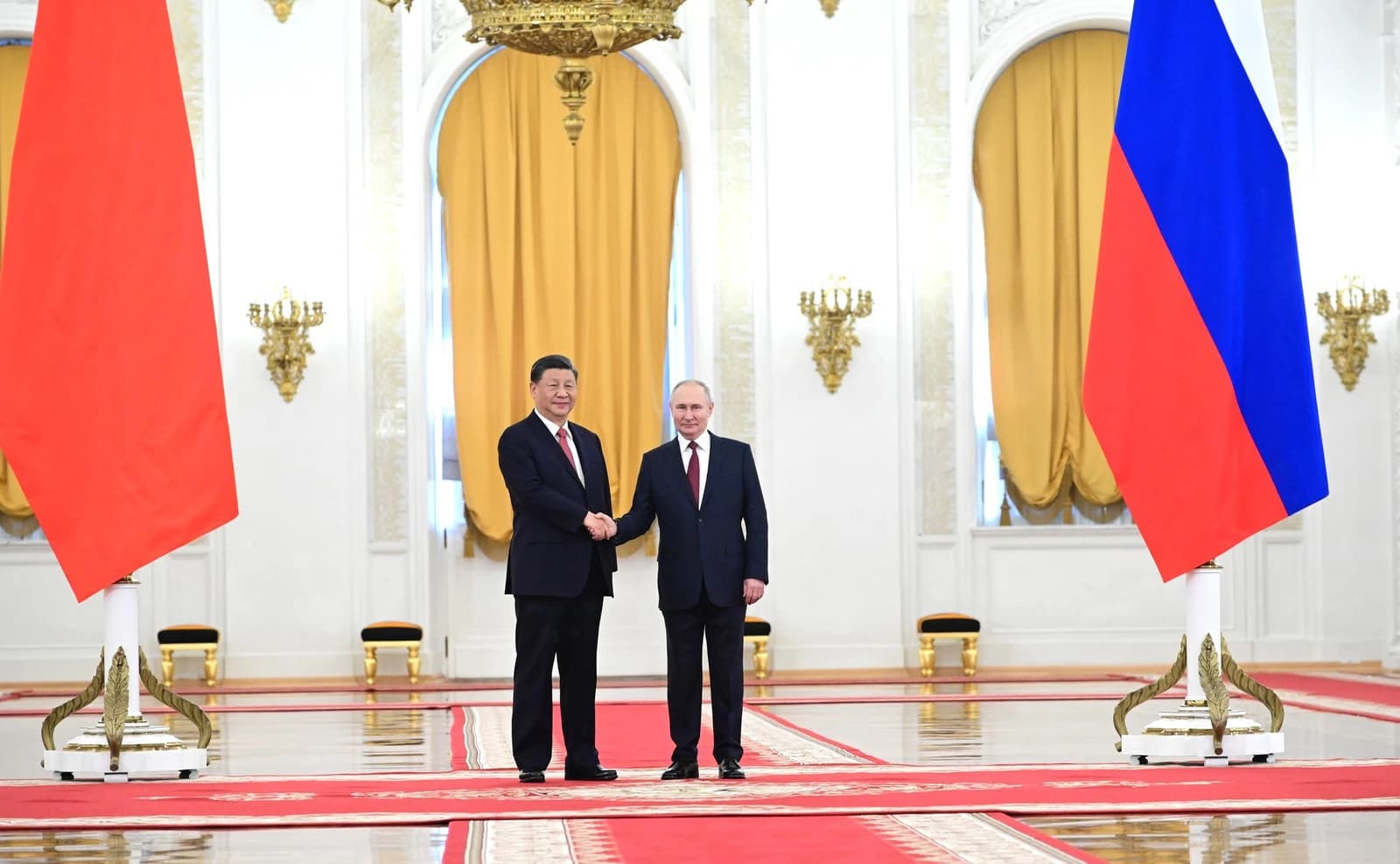
China’s refusal to pressure Russia more forcefully is helping keep Vladimir Putin’s war machine running, and that makes Beijing one of the most important outside actors in the Ukraine conflict.
China role in Russia war keeps geopolitical risk high
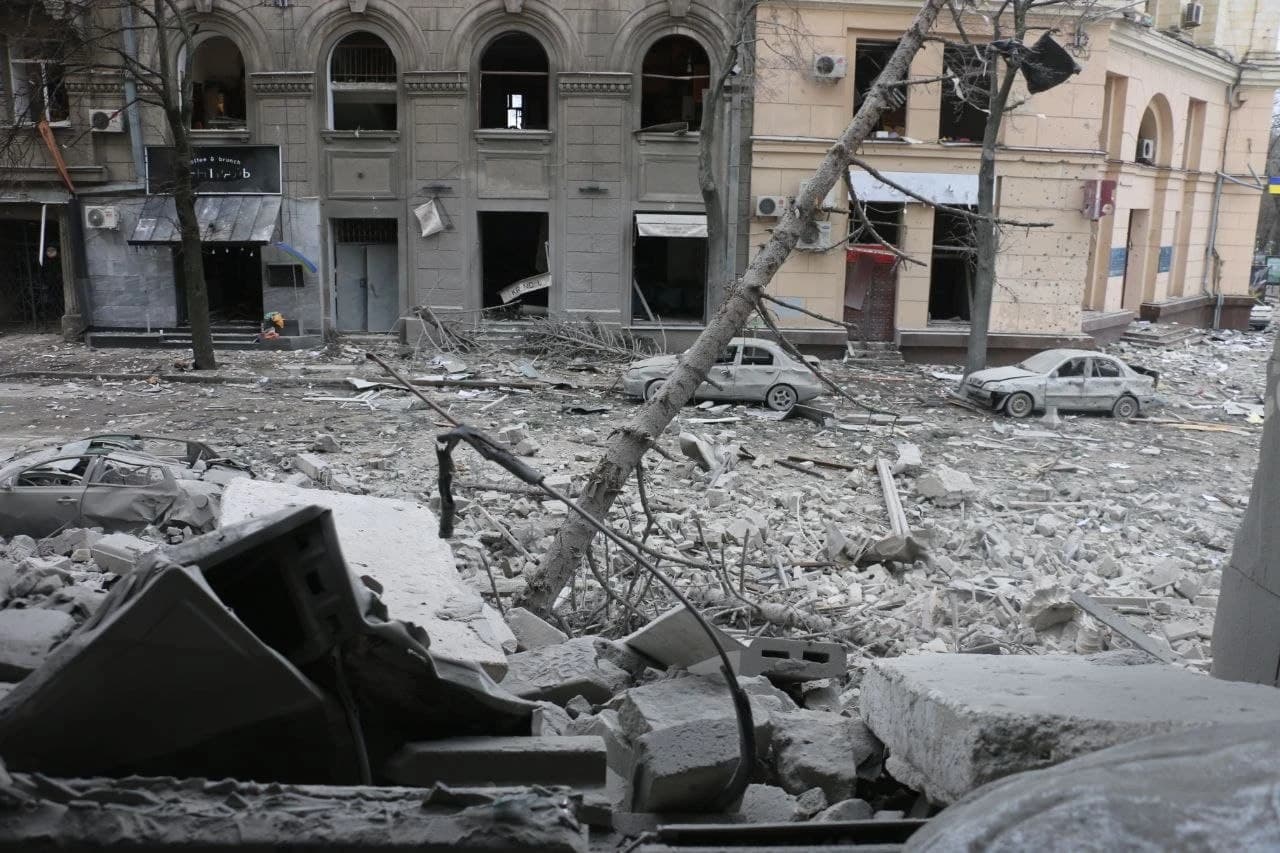
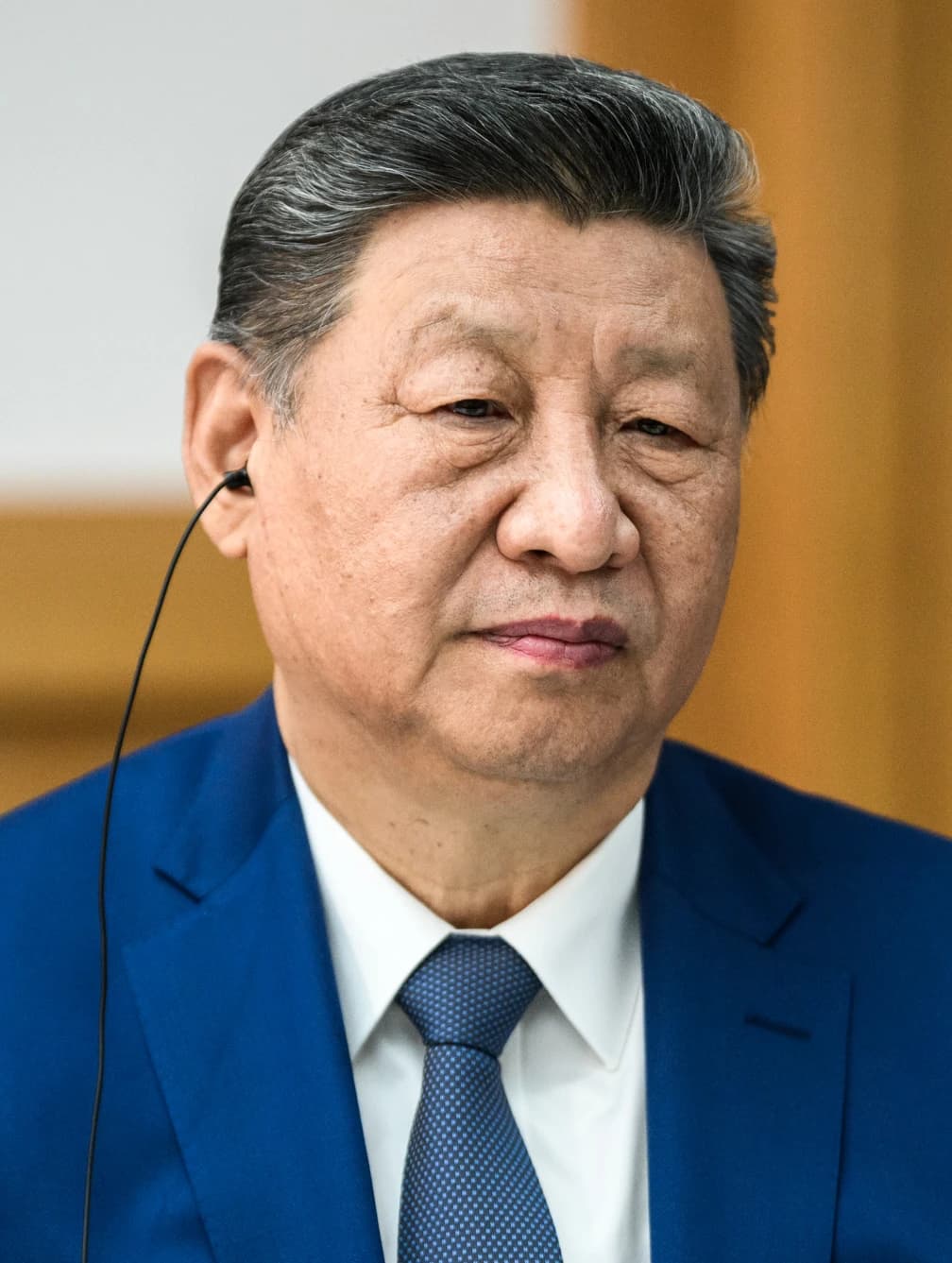
President Volodymyr Zelensky said in an interview with Japan’s NHK that he sees no sign China is using its leverage to help end the war, even as Russian forces remain dependent on Chinese-made components and equipment. That matters because sanctions have already made Russia more reliant on alternative supply chains, shadow logistics and third-country workarounds. If Beijing chose to squeeze harder, Moscow would face another serious constraint on a war economy that is already under strain.
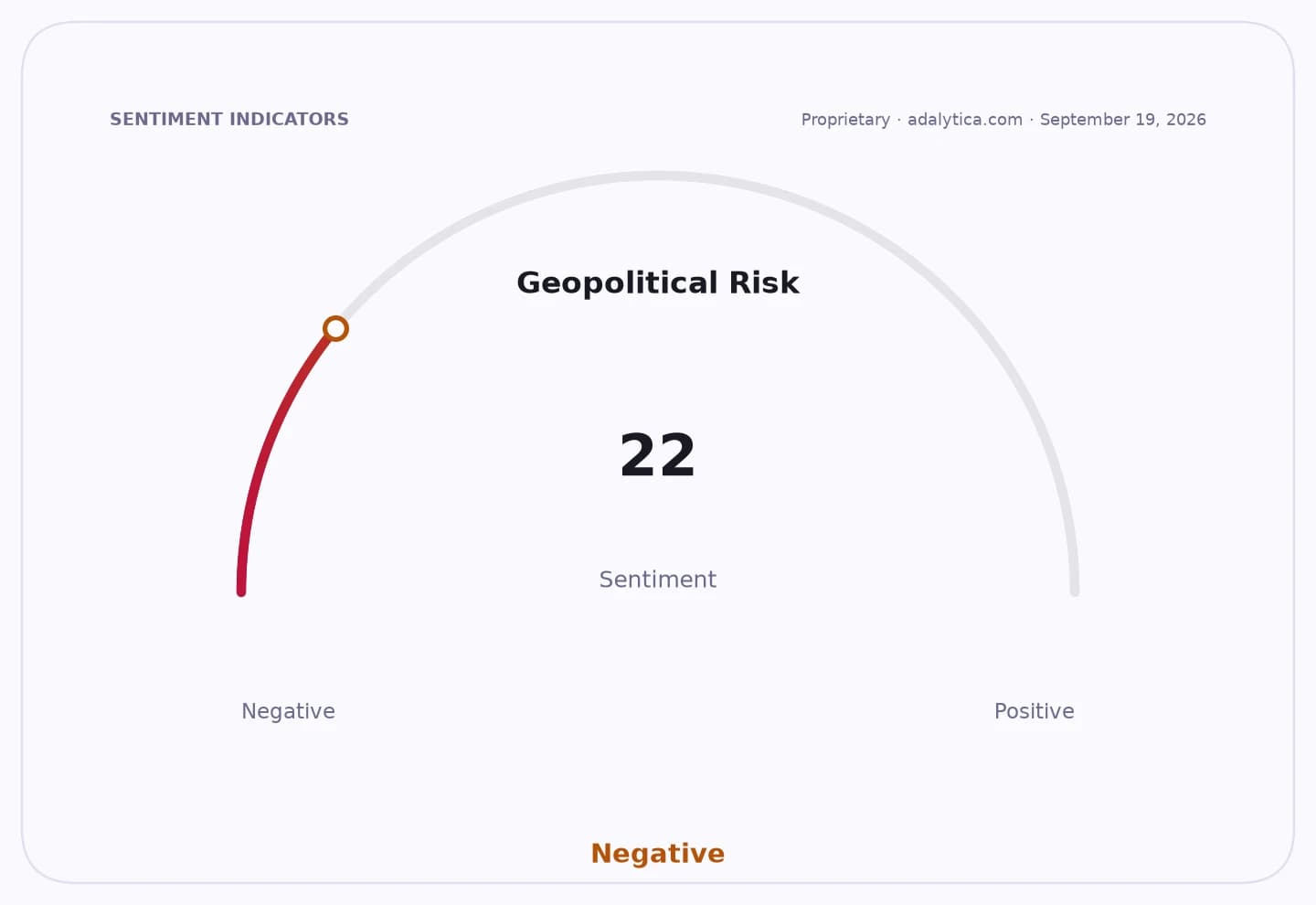
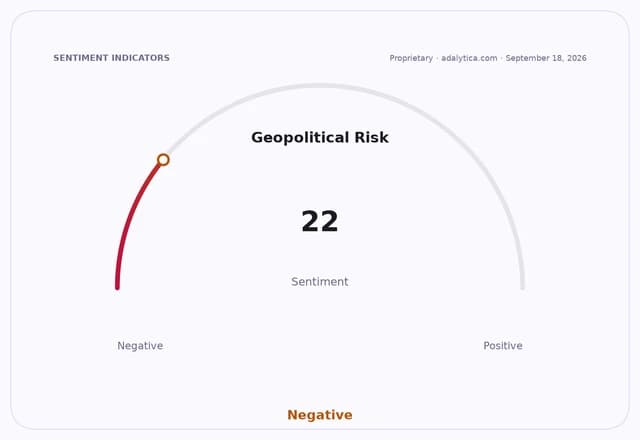
Sentiment IndicatorsⓘProprietary · adalytica.com · September 18, 2026
This is a snapshot — live sentiment, awareness and momentum for 130+ markets update continuously in the dashboard.Open AlphaPulse
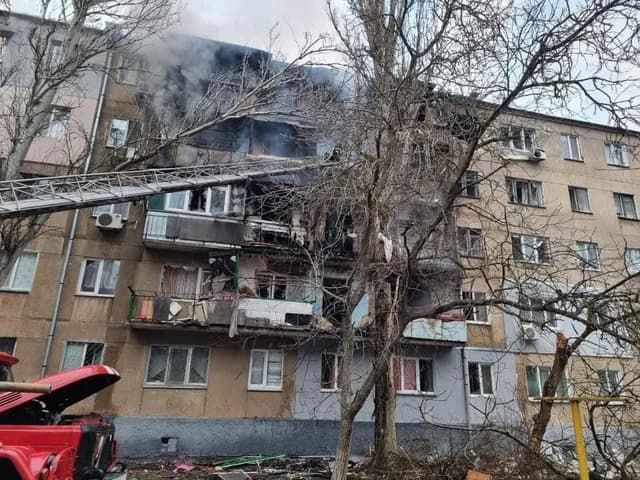
Zelensky’s comments also sharpen the question investors have been asking since the war began: how far will China go in backing Russia short of direct military support? Kyiv says it has not found Chinese rockets on the battlefield, but it has seen evidence of North Korean munitions and continues to believe Chinese parts are flowing into Russia, possibly with technical specialists attached. That puts Beijing in the uncomfortable middle ground between professed neutrality and practical assistance.
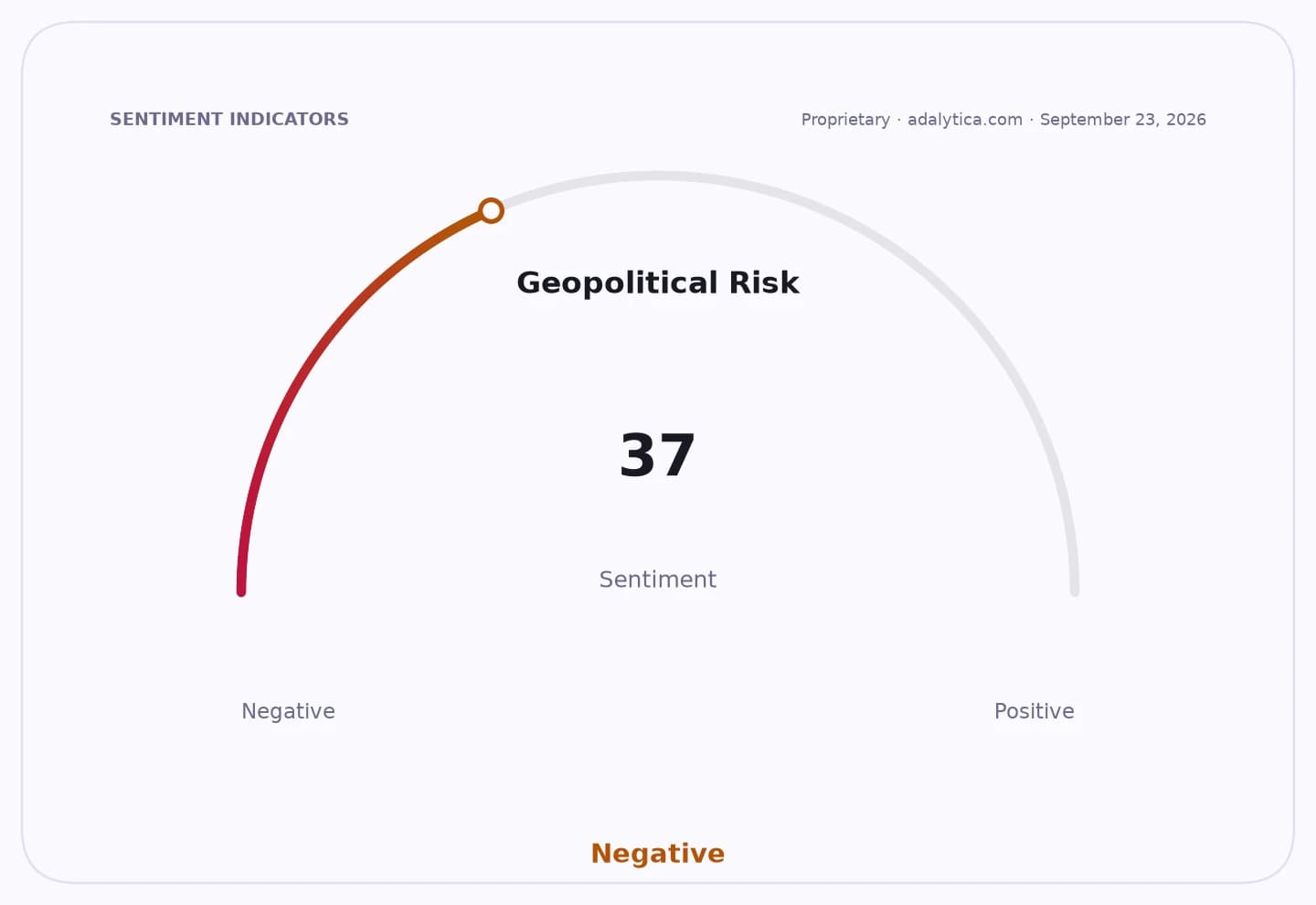
For markets, the immediate read-through is less about one interview than about the durability of geopolitical risk. Trade, sanctions and defense spending all become harder to handicap when major powers stop pretending they are fully separate from the conflict. The Adalytica US-China Relations Sentiment gauge remains neutral, but global stability sentiment sits in fear territory, underscoring how fragile the backdrop remains. Investors in Chinese stocks, European defense names and commodities should assume the war’s supply-chain effects are not fading anytime soon.
China’s role matters economically because it can alter the cost and availability of key inputs Russia still needs, from industrial equipment to drone-related components. It also matters diplomatically because any sign of tighter Chinese enforcement could increase pressure on Moscow to negotiate, while continued tolerance would suggest the war is still being sustained by a wider bloc of permissive partners.
For long-term investors, the lesson is simple: geopolitical alliances are now part of the valuation story. China’s stance does not just influence the battlefield, it affects sanctions credibility, defense demand, energy markets and the resilience of global supply chains. That makes the Ukraine war another reason to favor diversified portfolios and to watch companies and funds exposed to defense, industrial components and geopolitical volatility.
| Entity | Gains | Losses |
|---|---|---|
| Russia | ▲access to Chinese inputs | ▼greater dependence on Beijing |
| Ukraine | ▲diplomatic pressure on China | ▼weaker odds of rapid peace |
| China | ▲leverage over Moscow | ▼reputational risk |
| Defense stocks | ▲sustained demand | ▼peace dividend hopes |