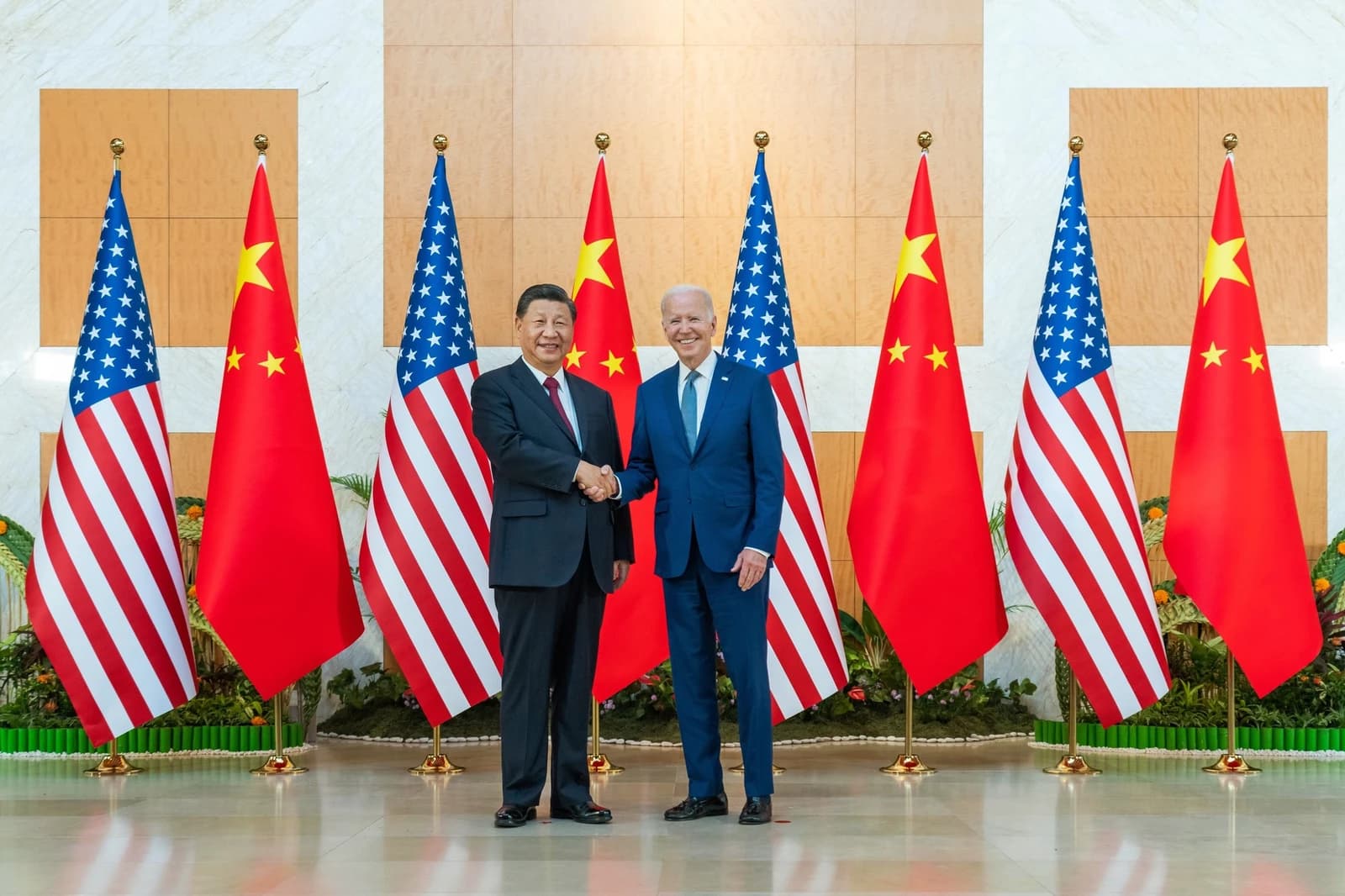
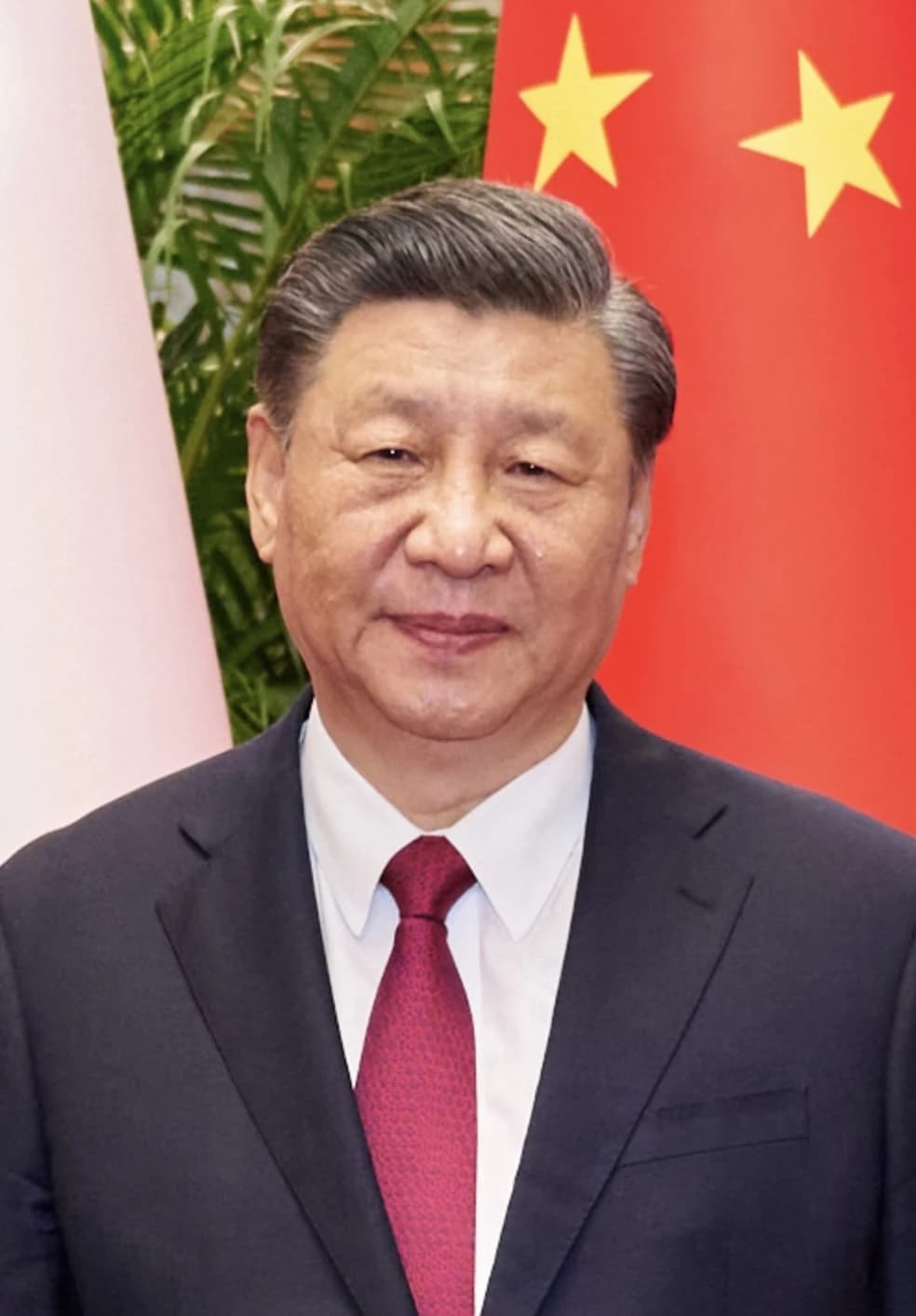
China is signaling it wants to steady relations with the US before Xi Jinping meets Donald Trump in Washington this week, a move that matters because the two economies remain the main swing factor for global trade, corporate planning and risk sentiment.
China, US Signal Stability Before Xi-Trump Meeting
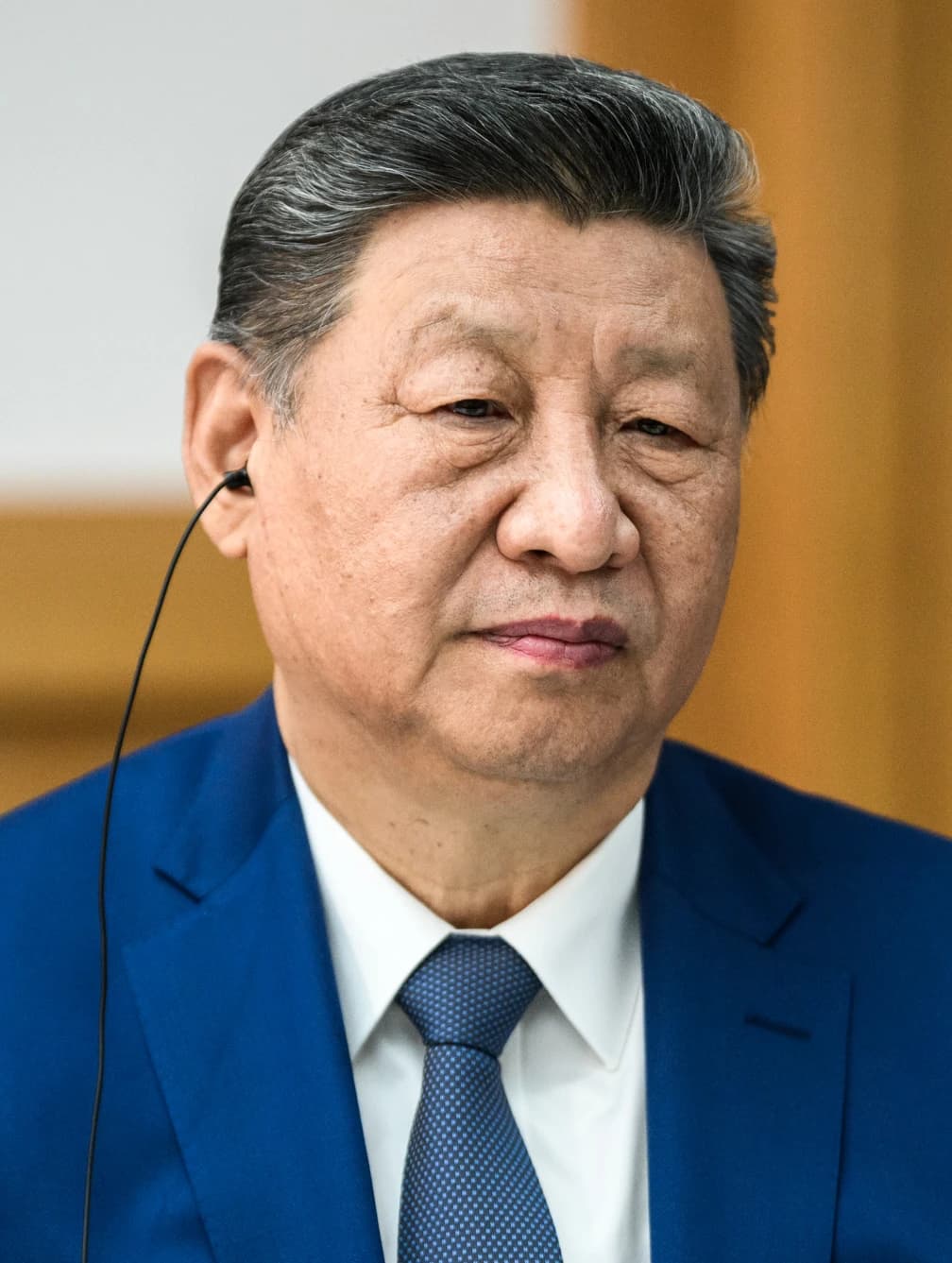
Beijing’s call for “strategic stability” — alongside a pledge to deepen dialogue, cooperation and proper handling of differences — suggests both sides want to lower the temperature after months of tariff threats and policy friction. That reduces the immediate odds of another escalation in the trade war, which would hit exporters, raise input costs for importers and add volatility to already fragile global growth expectations.
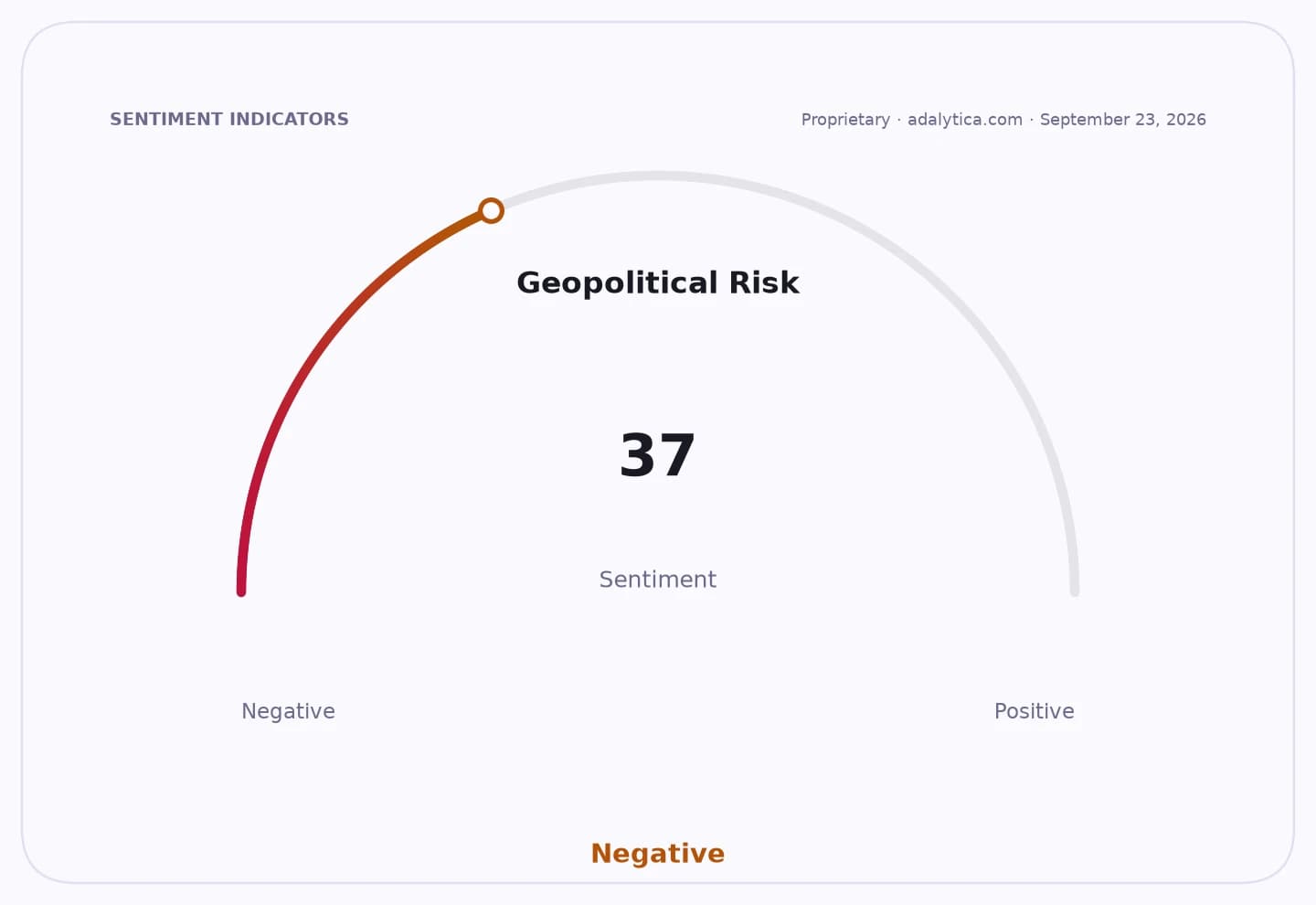
Sentiment IndicatorsⓘProprietary · adalytica.com · September 25, 2026
This is a snapshot — live sentiment, awareness and momentum for 130+ markets update continuously in the dashboard.Open AlphaPulse
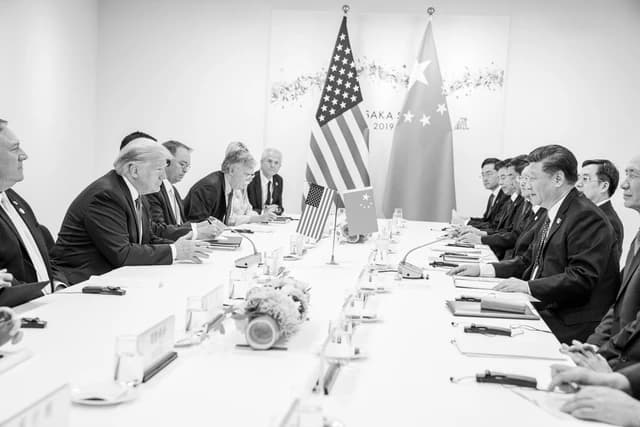
The timing is important. Xi is due to land on Wednesday at a military airfield near Washington, with Trump planning to greet him personally and a White House meeting set for Thursday. The optics point to a summit designed less for symbolism than for damage control: both leaders need to show they can manage a relationship that has widened beyond tariffs to artificial intelligence, Iran and the war in Ukraine.
For markets, the meeting is primarily about whether the two sides can convert diplomatic language into a durable framework. Any sign of a partial trade understanding would support Chinese equities and risk assets more broadly. The FXI China ETF has already slipped to 34.36, below its 50-day moving average of 35.19 and its 200-day average of 36.24, leaving it technically weaker than the broader market. The SPY, by contrast, remains well above its 50-day and 200-day averages, underscoring how much US stocks have been insulated from direct tariff risk so far.
Geopolitical Risk — 30-day sentimentadalytica.com
Explore this data interactively — full history, time series and cross-market comparisons.Open AlphaPulse
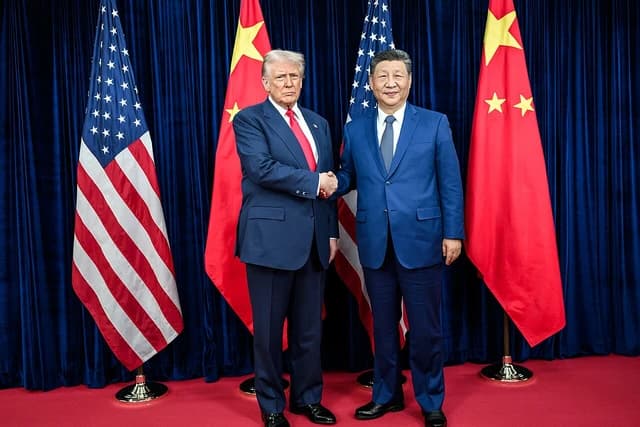
Currency moves also show investors are bracing for a meaningful policy outcome. The dollar-tracking UUP fund rose to 28.65, near its recent range highs, reflecting continued demand for safe-haven exposure and expectations that the US enters the talks from a position of relative strength. If the summit eases tariff pressure, that bid could unwind; if it disappoints, the dollar could stay supported as global investors seek shelter.
The bigger economic issue is not whether the summit produces a sweeping reset — that is unlikely — but whether it prevents a worsening of a relationship that remains central to supply chains, industrial pricing and capital spending. China’s emphasis on stability suggests Beijing sees value in buying time, especially as it tries to protect growth and preserve access to US markets and technology. Washington, meanwhile, has an incentive to show it can extract concessions without triggering a broader shock to inflation or corporate margins.
Adalytica’s US–China Relations Sentiment gauge sits at 100, while its China CCP Policy Direction reading is at 96, indicating that expectations for a breakthrough are elevated even if the underlying relationship remains brittle. Global Stability Sentiment, however, has fallen to 37 from 59 a day earlier, a reminder that investors still see the geopolitical backdrop as unstable.
The immediate test is whether Trump and Xi can set guardrails around tariffs and strategic competition. If they do, the benefit should fall to multinationals, commodity exporters and Asian manufacturers that have lived with policy whiplash. If not, the losers are likely to be the same groups, along with markets that have been leaning on the hope that the world’s two largest economies can at least manage their rivalry.
| Entity | Gains | Losses |
|---|---|---|
| Multinationals | ▲Clearer trade rules | ▼Tariff uncertainty |
| Chinese exporters | ▲Lower US market risk | ▼Retaliatory pressure |
| US importers | ▲More stable supply costs | ▼Higher landed costs |
| Risk assets | ▲Better sentiment | ▼Geopolitical volatility |