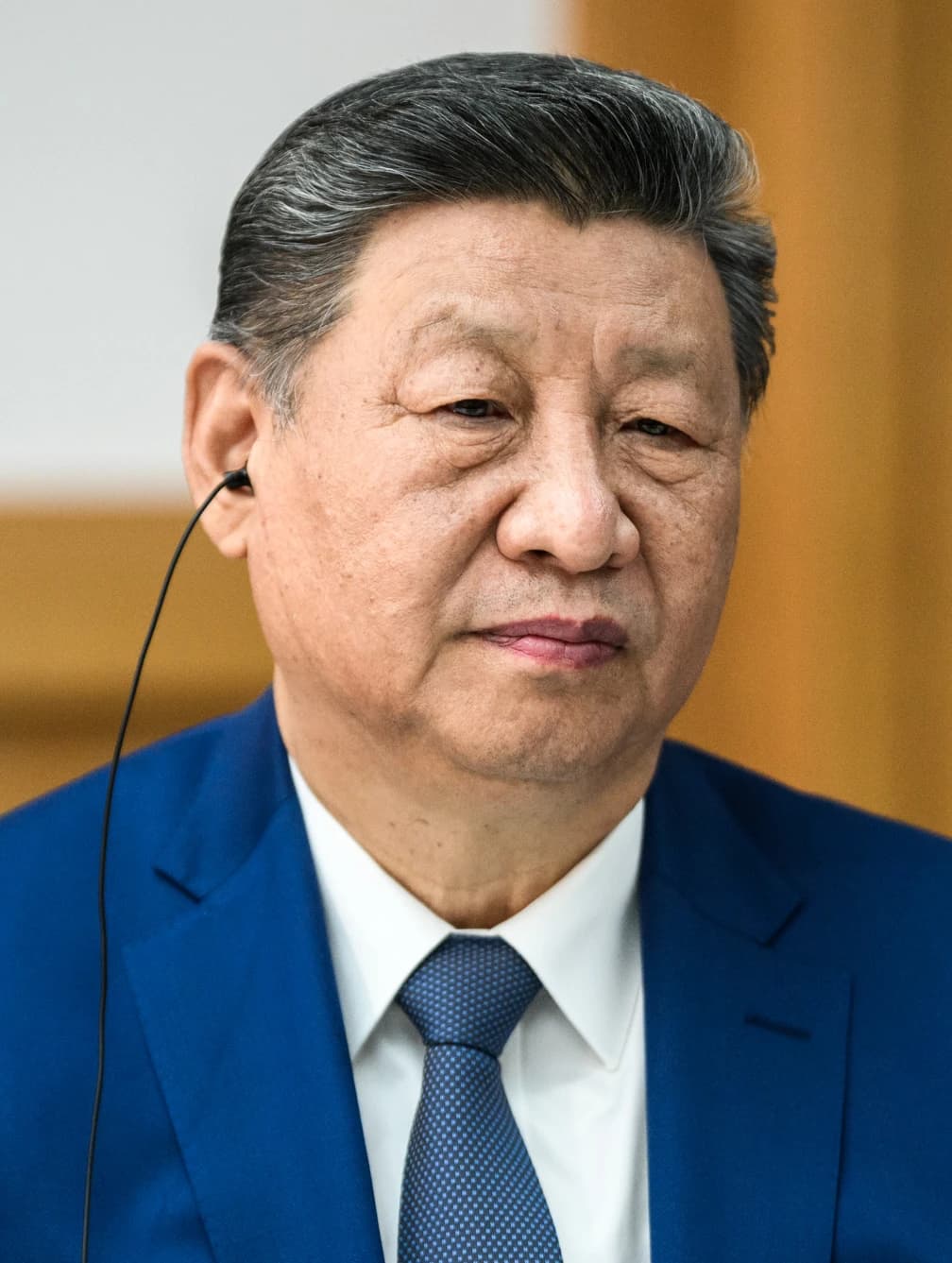
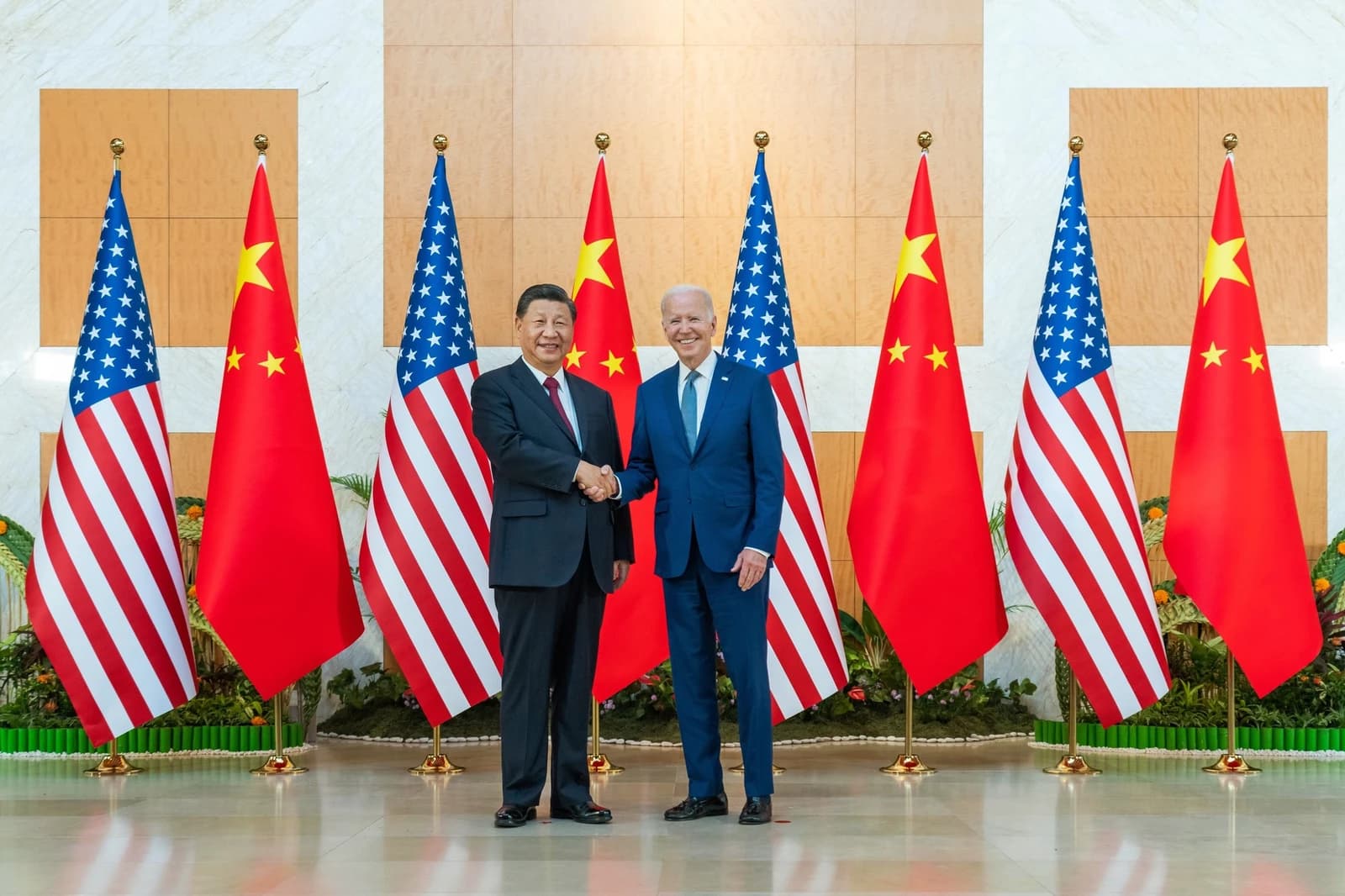
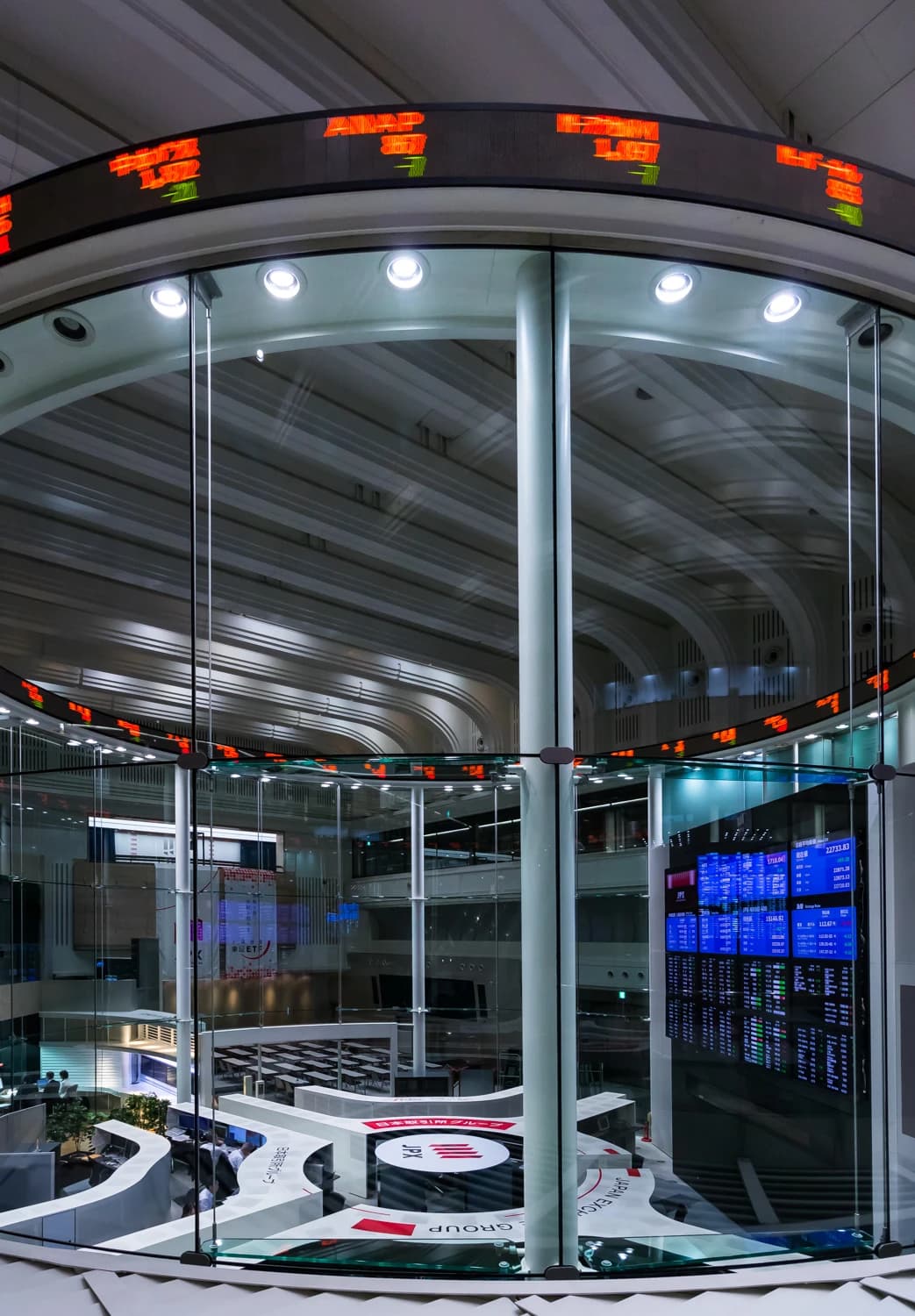
China and Hong Kong equities climbed on Monday as investors positioned for a Trump-Xi meeting that could extend the fragile US-China trade truce, with technology and property shares leading gains.
China stocks rise on Trump-Xi meeting hopes
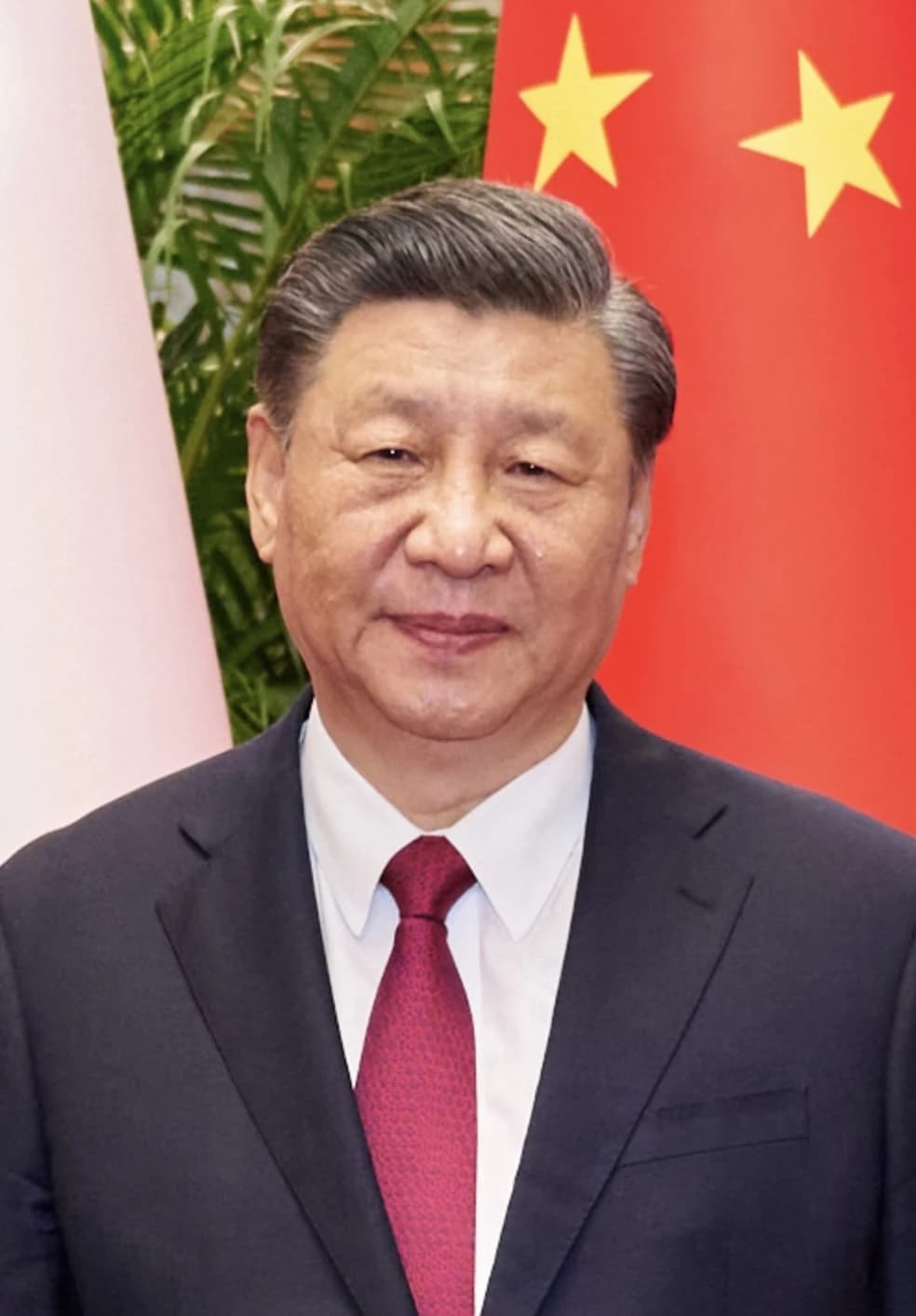
The move matters because the market is trading less on domestic earnings and more on whether the summit lowers the risk of fresh tariffs, export controls or other disruptions to a relationship that still dominates supply chains, capital flows and regional growth expectations. A détente would support Chinese risk assets, while any hint of renewed confrontation would hit sectors most exposed to cross-border commerce, semiconductors and global demand.
Sentiment IndicatorsⓘProprietary · adalytica.com · September 24, 2026
This is a snapshot — live sentiment, awareness and momentum for 130+ markets update continuously in the dashboard.Open AlphaPulse

The MSCI China proxy, the iShares China Large-Cap ETF, has been stuck below its 50-day moving average at $35.19 and its 200-day moving average at $36.24, underscoring how cautious positioning has been even before the meeting. The fund closed at $34.36 in the latest session, with momentum still muted as the relative strength index sat at 41 and the MACD remained below its signal line.
The broader China internet complex showed a similar pattern. The KraneShares CSI China Internet ETF closed at $24.85, below both its 50-day average of $26.56 and its 200-day average of $29.53, reflecting how investors have been reluctant to chase rallies without clearer policy visibility. The benchmark iShares MSCI China ETF fared better at $33.59, roughly in line with its 200-day average, but still below the 50-day level, indicating a market that is stabilizing rather than breaking decisively higher.
US-China Relations — 30-day sentimentadalytica.com
Explore this data interactively — full history, time series and cross-market comparisons.Open AlphaPulse
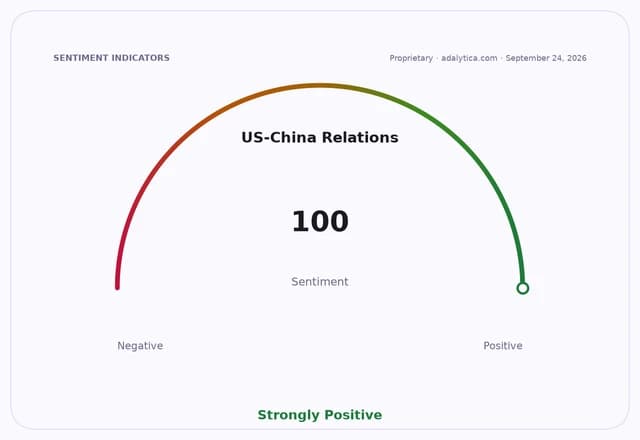
Mainland shares were firmer too. The Xtrackers Harvest CSI 300 China A-Shares ETF closed at $33.59, near its 200-day average of $34.21 and just under its 50-day average of $34.31, a sign that domestic investors are also waiting for confirmation that external pressure will ease. That fits with the latest Adalytica US-China Relations Sentiment reading at an extreme-greed 100, showing how quickly traders have moved to price in a constructive outcome ahead of the summit.
Still, the bull case rests on more than headline optimism. If Washington and Beijing agree to preserve the truce, Chinese tech, exporters and internet platforms would get breathing room on trade, chips and operating costs, while Hong Kong listings could benefit from lower policy volatility. The bear case is that expectations are already elevated: any disappointment could unwind the recent bid in China shares quickly, especially in the higher-beta names that have rallied on talk of de-escalation.
For investors, the key question is not whether the market can bounce on summit hopes, but whether diplomacy can create enough policy certainty to support a sustained re-rating. Until then, China stocks remain a geopolitical trade as much as an earnings story.
| Entity | Gains | Losses |
|---|---|---|
| China tech shares | ▲Lower trade risk | ▼A failed summit |
| Hong Kong-listed equities | ▲Better sentiment | ▼Policy disappointment |
| US-China exporters | ▲Truce extension | ▼New tariffs or controls |
| Short-term longs | ▲Summit optimism | ▼Elevated event risk |