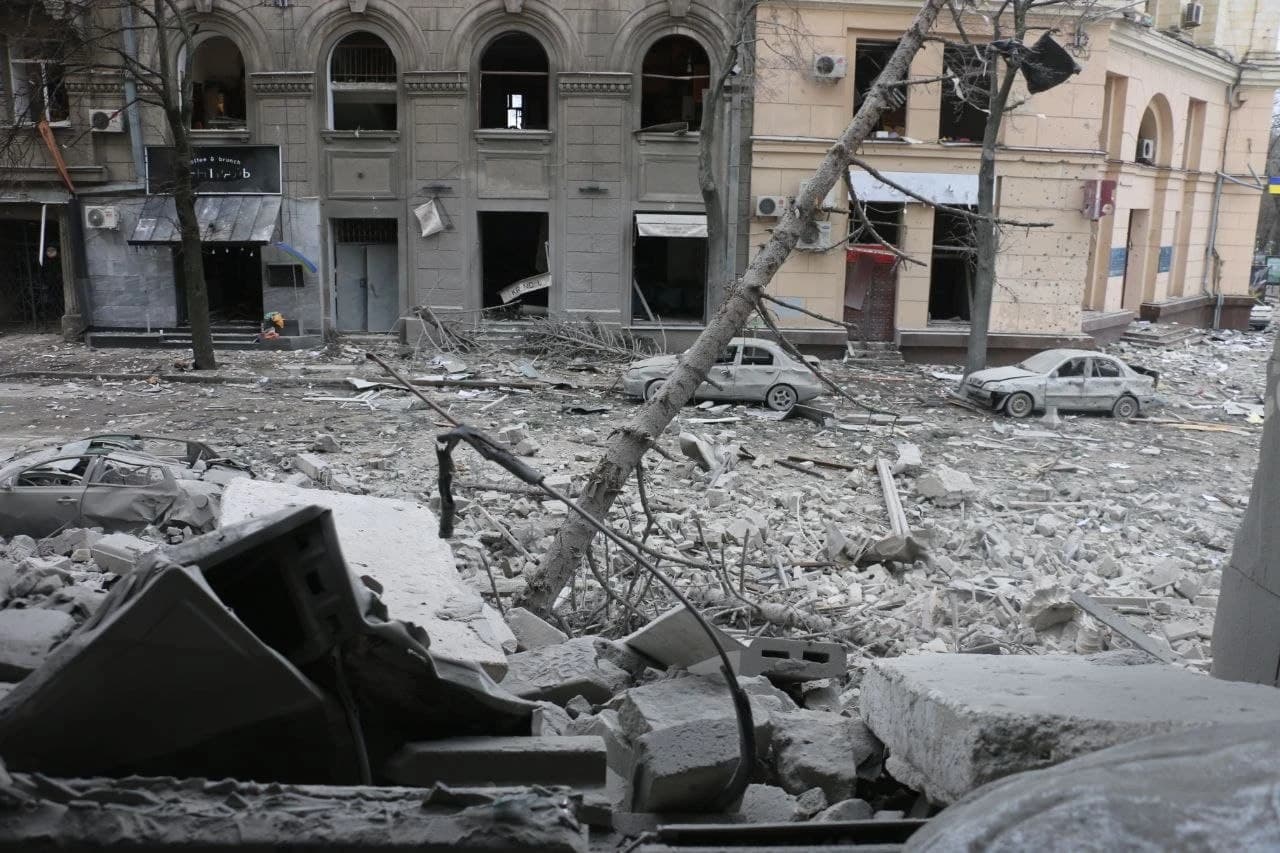
Ukraine’s war is increasingly becoming a test of global supply chains, military technology and great-power alignment, and President Volodymyr Zelensky’s latest charge that China is effectively leaning toward Moscow sharpens that divide.
Ukraine Says China Is Backing Russia
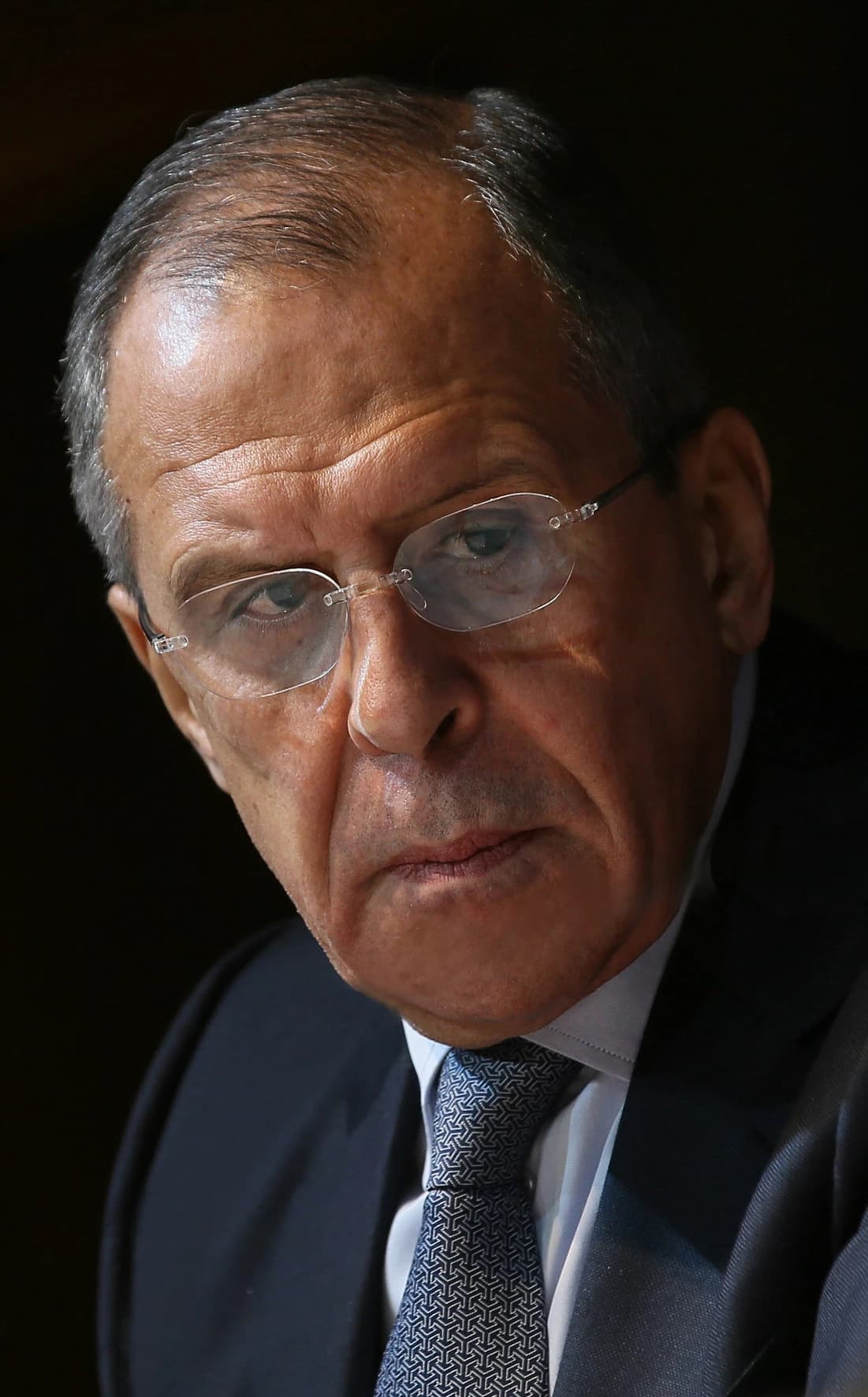
In an interview with Japan’s NHK, Zelensky said it was “a shame” China was not on Ukraine’s side and argued Beijing has enough leverage to push Vladimir Putin toward negotiations but has chosen not to use it. That matters because the conflict is no longer only about battlefield momentum in eastern Ukraine — it is about whether Russia can keep accessing the technology, components and diplomatic cover needed to sustain a long war.
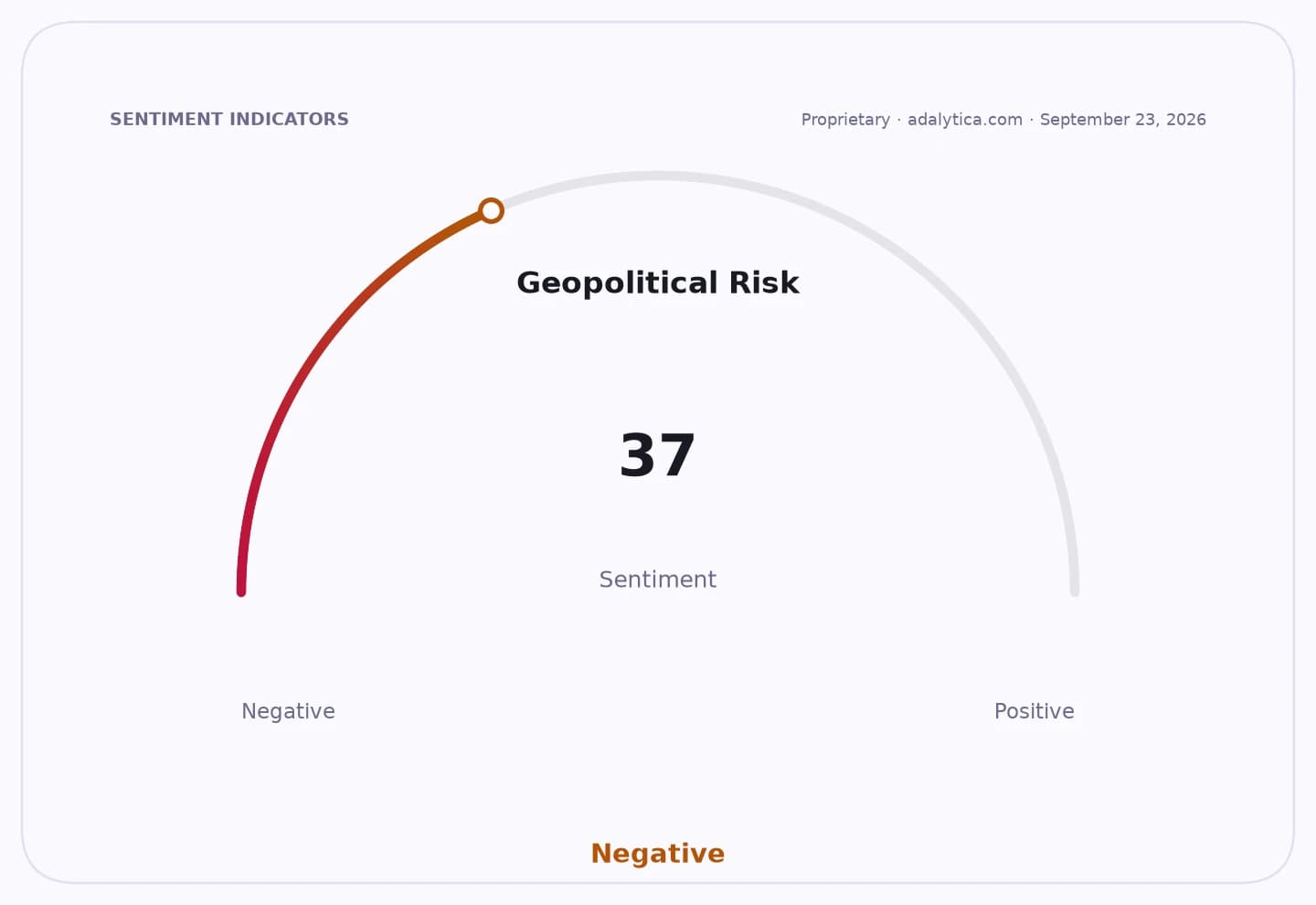
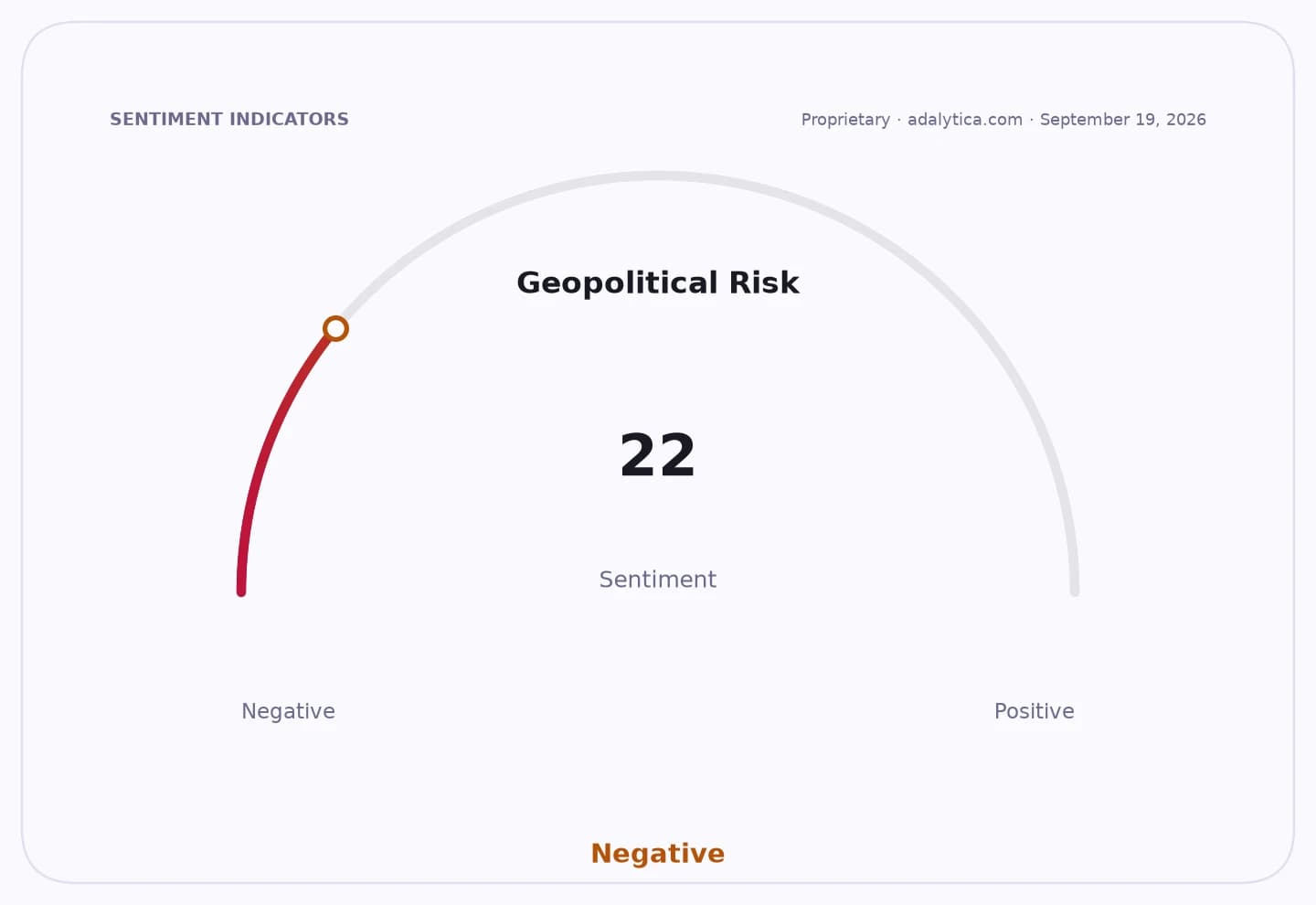
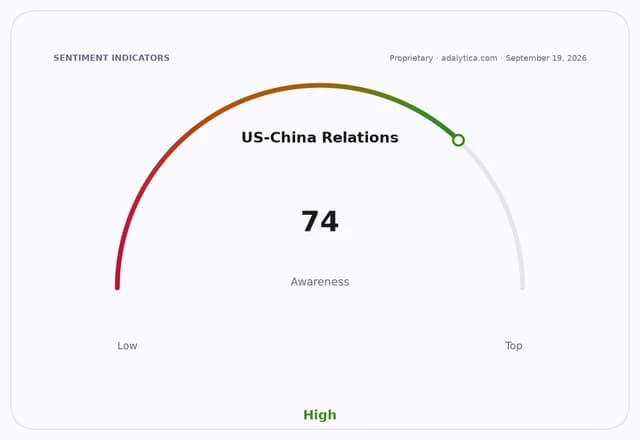
Sentiment IndicatorsⓘProprietary · adalytica.com · September 19, 2026
This is a snapshot — live sentiment, awareness and momentum for 130+ markets update continuously in the dashboard.Open AlphaPulse
Zelensky’s comments also point to the real economic fault line investors should watch: the flow of dual-use technology and industrial inputs into Russia. Kyiv has repeatedly warned that Chinese components are showing up in Russian weapons systems, including drones, even if Beijing denies backing the war and says it strictly controls exports. Ukraine says it has identified Chinese-made technology and equipment feeding Russia’s defense supply chain, and Kyiv Post reported in August that Chinese parts, including small turbojet engines, helped Moscow build faster Shahed-style attack drones that are harder to intercept.
That is why the story matters beyond diplomacy. If China continues to tolerate — directly or indirectly — the movement of industrial goods and expertise into Russia, it prolongs the war, extends sanctions pressure and keeps Europe’s security risk elevated. It also deepens the strategic case for defense spending, drone warfare, air defense and electronic warfare, all areas where capital is likely to keep flowing for years.
For investors, the implication is twofold. First, geopolitical fragmentation remains a secular tailwind for defense contractors, drone makers, cybersecurity firms and suppliers of components tied to munitions and surveillance systems. Second, it reinforces the need to own assets that benefit from risk aversion and supply-chain stress. Gold, reflected in the rally in GLD, remains a classic hedge when political risk and sanctions tension rise, while crude, tracked by USO, stays sensitive to any escalation that threatens shipping, energy security or sanctions enforcement.
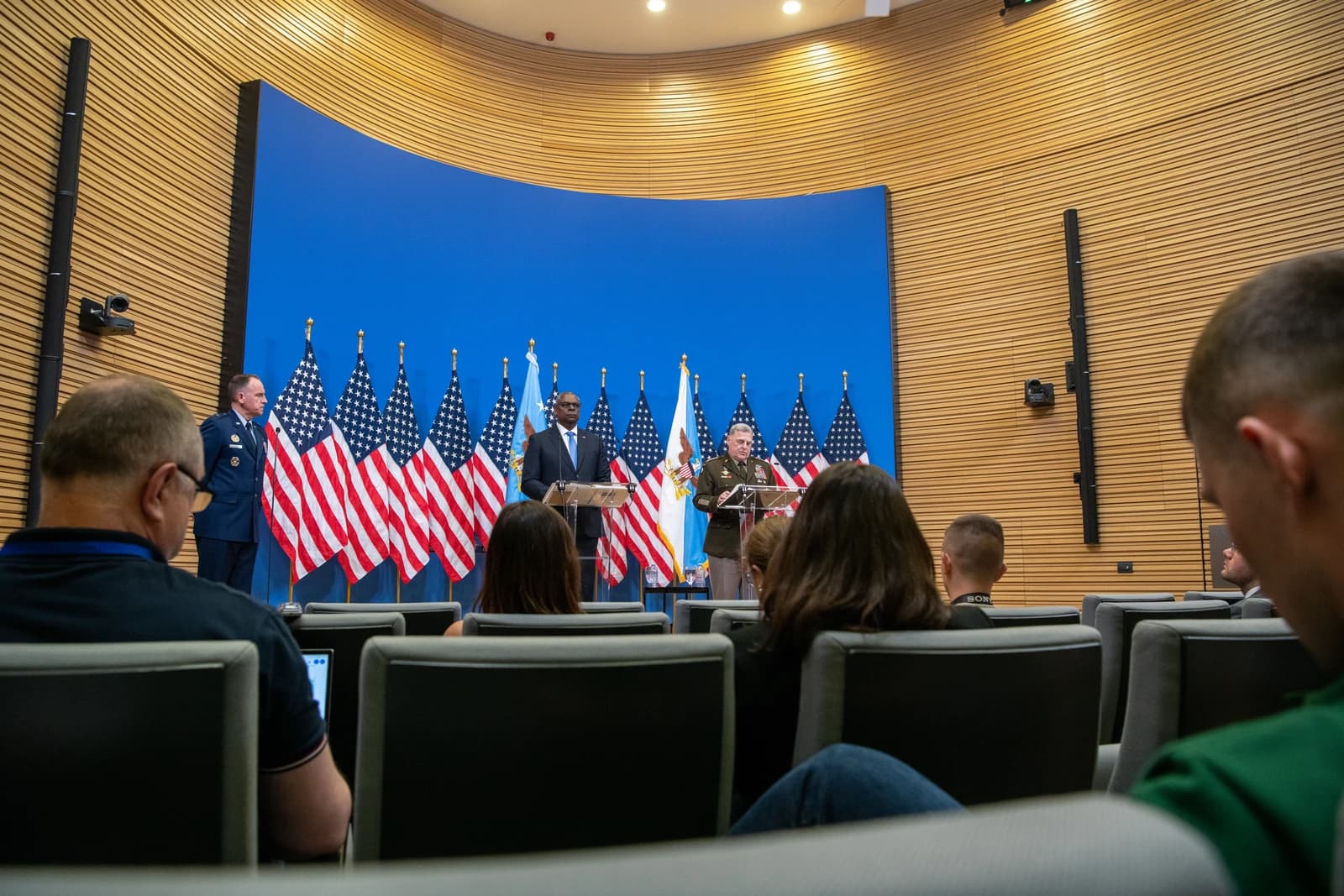
The market is also underestimating the second-order effect of Zelensky’s push for closer ties with Japan. He said Ukraine wants deeper cooperation in military technology, including drones, air defense, cybersecurity and maritime surveillance, and argued more than 70% of Ukraine’s defense industry is privately owned. That opens a clear investable theme: the next phase of the war may reward firms and funds exposed to dual-use tech, autonomous systems and allied rearmament rather than legacy heavy industry alone.
China’s refusal to pressure Moscow is not just a diplomatic disappointment for Kyiv. It is a signal that the war’s industrial and technological backbone is becoming more global, more durable and more expensive to unwind. I believe that keeps the upside skewed toward defense, drones, cyber and hard-asset hedges, and away from any market narrative built on a quick peace dividend.
| Entity | Gains | Losses |
|---|---|---|
| Defense contractors | ▲Higher rearmament demand | ▼Peace-dividend expectations |
| Drone and cyber firms | ▲Faster procurement cycles | ▼Legacy weapons-only players |
| Gold holders / GLD | ▲Safe-haven inflows | ▼Risk-on capital |
| Russia / China alignment | ▲Prolonged strategic leverage | ▼Diplomatic trust with the West |