The U.S. is widening its economic campaign against Iran by targeting the country’s aviation network, a move that could cut Iranian airlines off from dollar-based payments and choke off support from foreign suppliers.
U.S. Targets Iran Aviation With New Sanctions
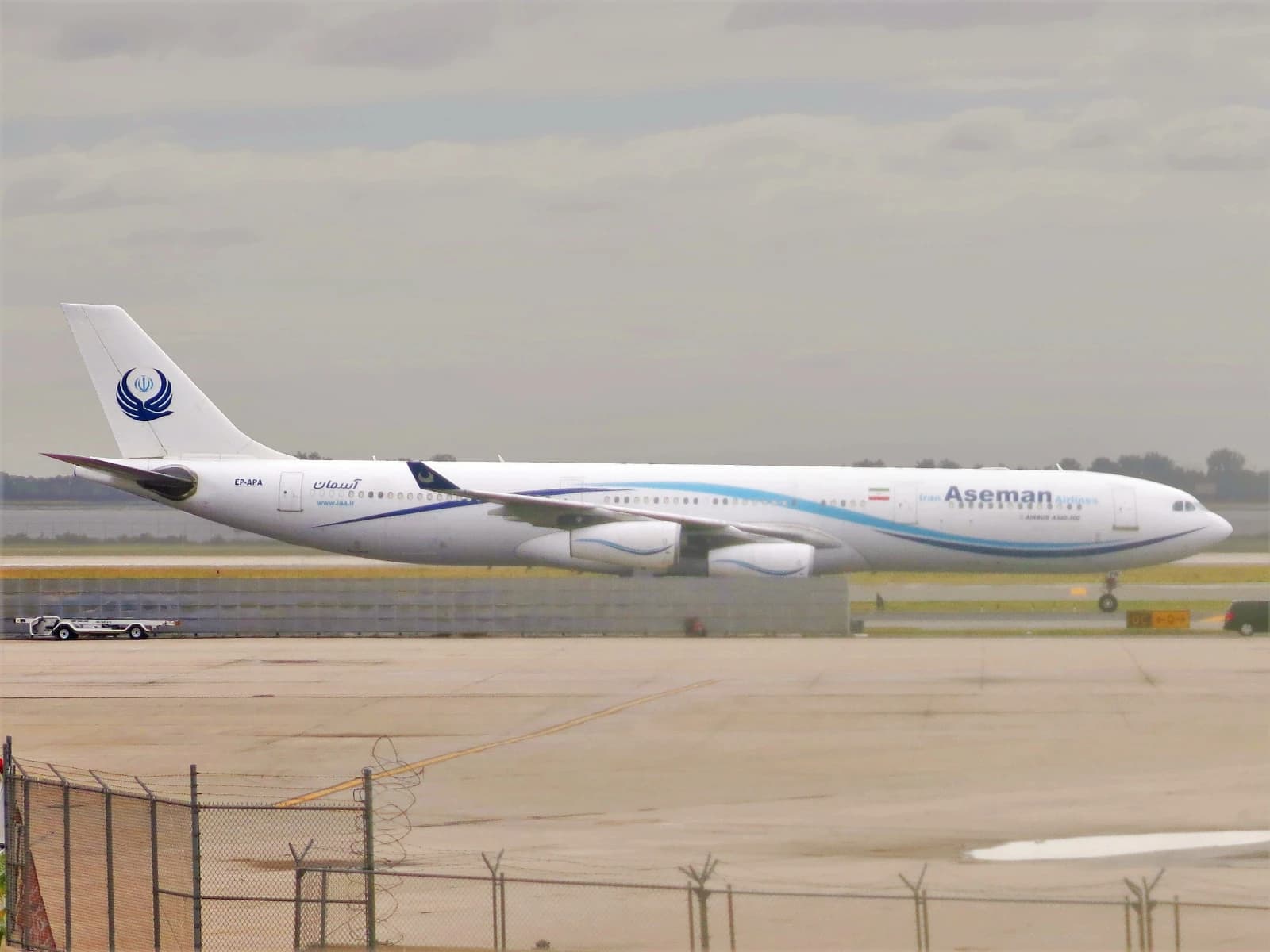
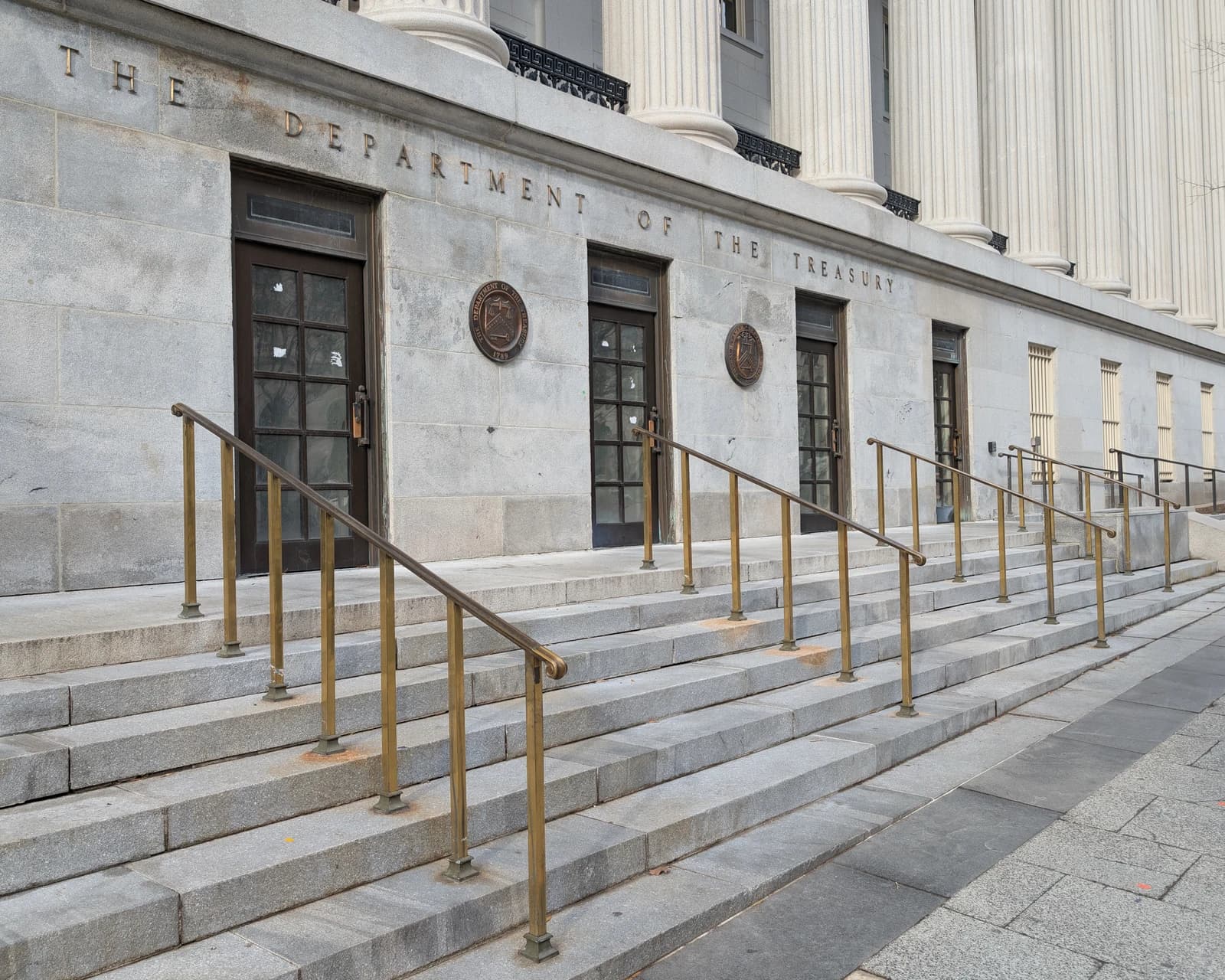
Treasury Secretary Scott Bessent said Washington will impose new sanctions starting Sept. 23 aimed at Iran’s civilian aviation system worldwide, including international hubs serving Iranian aircraft and foreign operators that provide fuel, airport services or ticketing. He said the measures could deny those counterparties access to U.S. banking and USD settlement, raising the cost of doing business with Tehran.
Sentiment IndicatorsⓘProprietary · adalytica.com · September 25, 2026
This is a snapshot — live sentiment, awareness and momentum for 130+ markets update continuously in the dashboard.Open AlphaPulse
The action matters because aviation is one of the few channels Iran still uses to keep commercial links alive despite broader sanctions on its financial system. If foreign airports, fuel providers and ticket sellers step back, Iran faces not just higher operating costs but a narrower ability to move people, cargo and hard currency across borders.
The ripple effects are already visible in the Gulf. The United Arab Emirates has suspended all flights operated by Iranian airlines, and Oman has also halted Iranian flights, showing how quickly U.S. sanctions pressure can push regional partners to tighten restrictions.
For investors, the move reinforces a risk-off backdrop across Middle East-linked transport, energy and currency markets. The U.S. dollar has remained firm, while oil and airline shares are likely to stay sensitive to any escalation that disrupts shipping routes, sanctions enforcement or regional air traffic.
Airlines with exposure to the region, aviation service providers and payment intermediaries face the immediate compliance risk. Boeing and other suppliers to commercial carriers also remain exposed to a broader sanctions environment that can complicate aircraft deliveries, spare parts logistics and customer financing.
The sanctions are part of Washington’s broader strategy to intensify economic pressure on Tehran amid heightened regional tensions and continued disruption around the Strait of Hormuz. With the Treasury warning that third-party financial intermediaries are also in its sights, the next market catalyst is whether more Gulf states or international airports follow the UAE and Oman in cutting off Iranian carriers.
| Entity | Gains | Losses |
|---|---|---|
| U.S. Treasury | ▲More leverage on Iran | ▼Higher enforcement burden |
| Iran’s aviation sector | ▲— | ▼Dollar access and routes |
| UAE and Oman | ▲Alignment with Washington | ▼Lost traffic and fees |
| Foreign airlines/service providers | ▲Reduced sanctions risk if they comply | ▼Revenue from Iran-linked business |