The United States has denied visas to the media team accompanying Iranian President Masoud Pezeshkian to New York, sharpening a week of wrangling over who from Tehran can get into the country for the UN General Assembly and who cannot.
US denies visas to Iranian president's media team

The move matters because it adds another layer of friction to already fragile US-Iran relations at a moment when Washington is balancing its obligation as UN host against longstanding security and foreign-policy restrictions on Iranian officials. The Iranian president is still expected to travel, but without the press staff that would normally help manage his public messaging on one of the world’s biggest diplomatic stages.
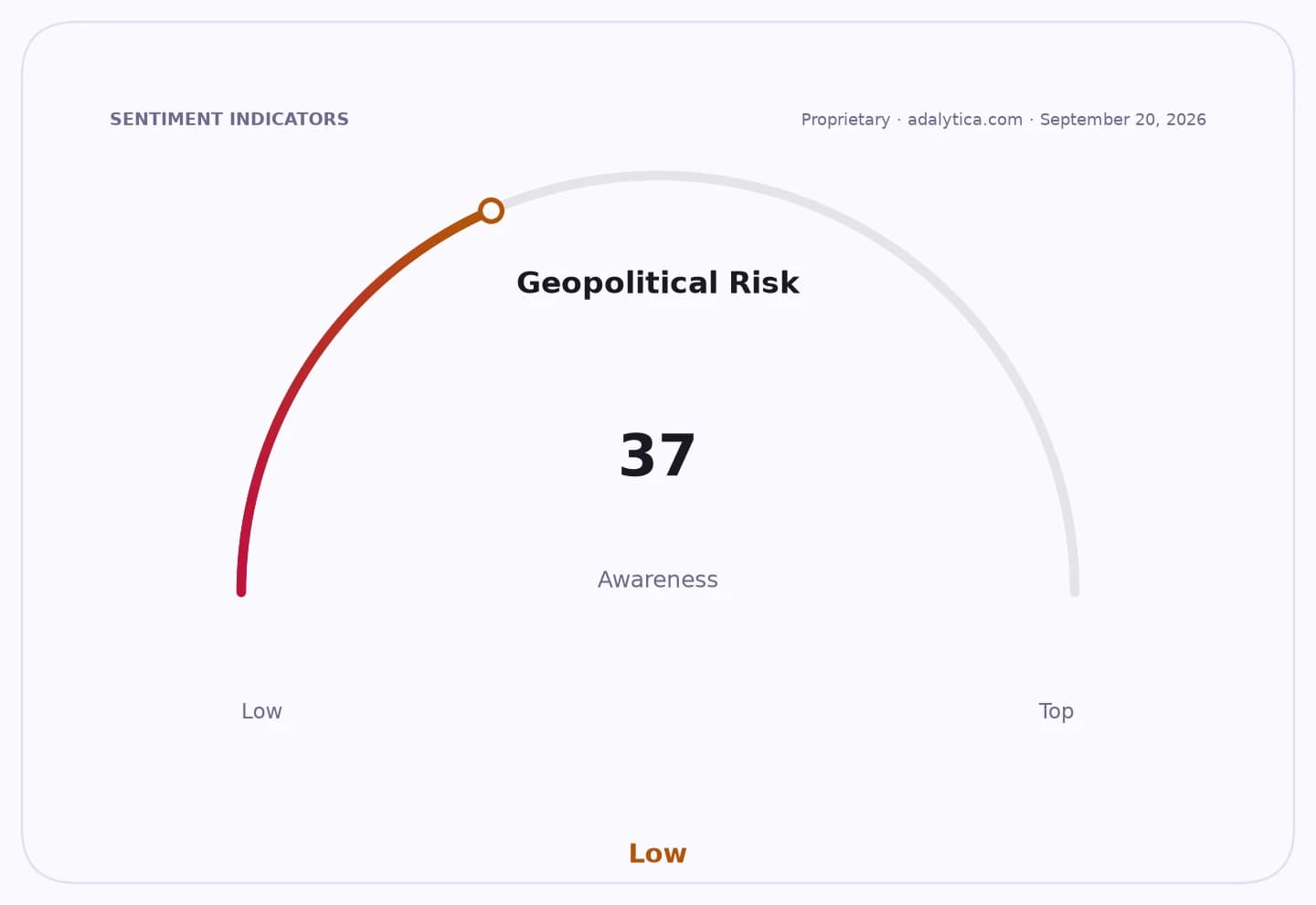
Sentiment IndicatorsⓘProprietary · adalytica.com · September 25, 2026
This is a snapshot — live sentiment, awareness and momentum for 130+ markets update continuously in the dashboard.Open AlphaPulse
Washington said last week it would allow a “main delegation” from Iran, including Pezeshkian and Foreign Minister Abbas Araghchi, to attend the meetings in line with its commitments under the UN headquarters agreement. But US officials also said the delegation would remain under prior restrictions, including limits on shopping for luxury goods and movement around New York.
Those constraints are not new, but they are economically and politically relevant because they signal how closely the US is still willing to police the Iranian presence even while permitting formal participation at the UN. For investors, the immediate market impact is limited, yet the episode feeds into the broader geopolitical risk premium that can affect oil prices, risk assets and dollar flows whenever tensions between Washington and Tehran rise.
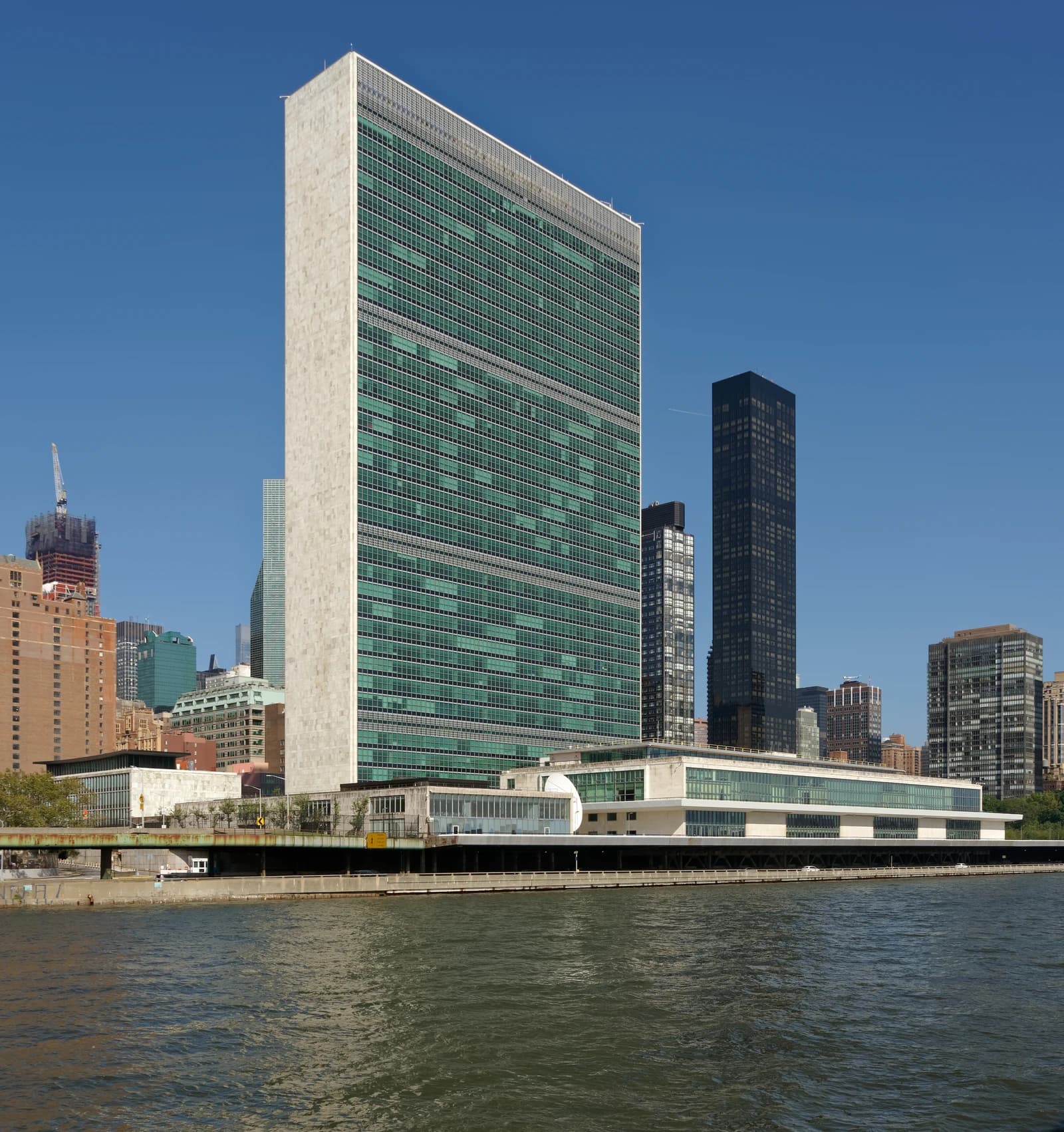
The context also underscores a familiar split in US diplomacy: the host country cannot easily block participation at the UN, but it can narrow the terms of access. Under the 1947 headquarters agreement, the US generally must admit foreign diplomats to UN headquarters in New York, though it says it can deny visas on security, terrorism or foreign-policy grounds.
For markets, the main read-through is indirect. Any escalation in US-Iran friction can keep energy traders alert to supply disruptions and raise demand for haven assets, while also complicating the diplomacy around sanctions, regional conflict and nuclear talks. The next catalyst is Pezeshkian’s appearance in New York and whether the restrictions remain limited to travel and media access or broaden into a more overt confrontation at the UN.
| Entity | Gains | Losses |
|---|---|---|
| US State Department | ▲Tightens control | ▼Draws diplomatic criticism |
| Iranian presidency | ▲Gets UN access | ▼Loses media support |
| Oil bulls | ▲Geopolitical risk premium | ▼— |
| Global stability | ▲— | ▼Higher tensions |