Mexico’s Cuba solidarity bloc is condemning Washington’s effort to sway the United Nations vote on the island, sharpening a diplomatic fight that could again leave the U.S. isolated and underline how little leverage it has left on the issue.
Mexico Cuba bloc condemns U.S. UN vote pressure

The dispute matters because the annual UN resolution on the U.S. embargo has become one of the clearest barometers of America’s standing in Latin America and the wider developing world. If the White House is seen using sanctions threats, tariff promises and other pressure tactics to stop governments from backing Havana, it risks turning a routine diplomatic defeat into a bigger political backlash.
Sentiment IndicatorsⓘProprietary · adalytica.com · October 23, 2026
This is a snapshot — live sentiment, awareness and momentum for 130+ markets update continuously in the dashboard.Open AlphaPulse

That is exactly the narrative emerging from Mexico, where Cuban resident groups and local solidarity organizations accused Secretary of State Marco Rubio of practicing what they called “diplomacy of blackmail.” They said Washington is trying to block sovereign governments from voting freely on the resolution, which is expected later this month, and denounced the use of the UN itself for a U.S.-sponsored event portraying “Free Cuba.”
The group’s language is blunt, but the economics behind the politics are real. Cuba has endured more than six decades of U.S. restrictions, and advocates say the tightening of sanctions, energy constraints and terrorism-designation pressure has deepened shortages of food, medicine and fuel on the island. For investors, that means the issue is not about a near-term market catalyst so much as the durability of U.S. policy risk in the region and the possibility of more friction with Mexico and other Latin American governments that resist Washington’s approach.
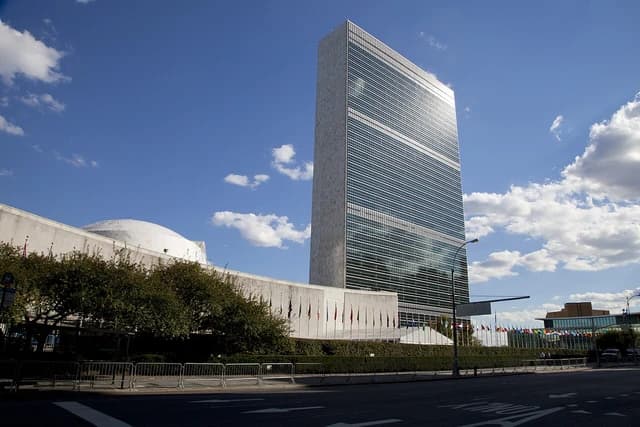
The annual vote is usually lopsided. Last year, the General Assembly backed the anti-blockade resolution with 165 votes in favor, a reminder that most of the world still rejects the embargo and its extraterritorial reach. If that pattern holds, the United States would face another symbolic loss at the UN — and potentially more diplomatic damage if pressure tactics are seen as the reason.
For markets, the immediate impact is limited, but the broader signal is worth watching. A harder line from Washington can affect sentiment around Mexico-U.S. relations at the margin, especially when it intersects with trade, migration and regional security. It also feeds a wider picture of policy unpredictability that can weigh on cross-border capital flows, even if it does not change earnings forecasts overnight.
The likely outcome is another noisy but familiar showdown in New York, with Cuba supporters framing the U.S. as isolated and Washington trying to keep allies from drifting. For long-term investors, the key takeaway is simple: geopolitical flareups matter most when they spill into trade, sanctions and regional alliances, so this is one to keep on the watchlist rather than trade around.
| Entity | Gains | Losses |
|---|---|---|
| Cuba | ▲Diplomatic sympathy | ▼Little immediate relief |
| US State Department | ▲Hardline messaging | ▼International backlash |
| Mexico and allies | ▲Sovereignty credentials | ▼Friction with Washington |
| Global investors | ▲Clarity on policy risk | ▼More regional uncertainty |