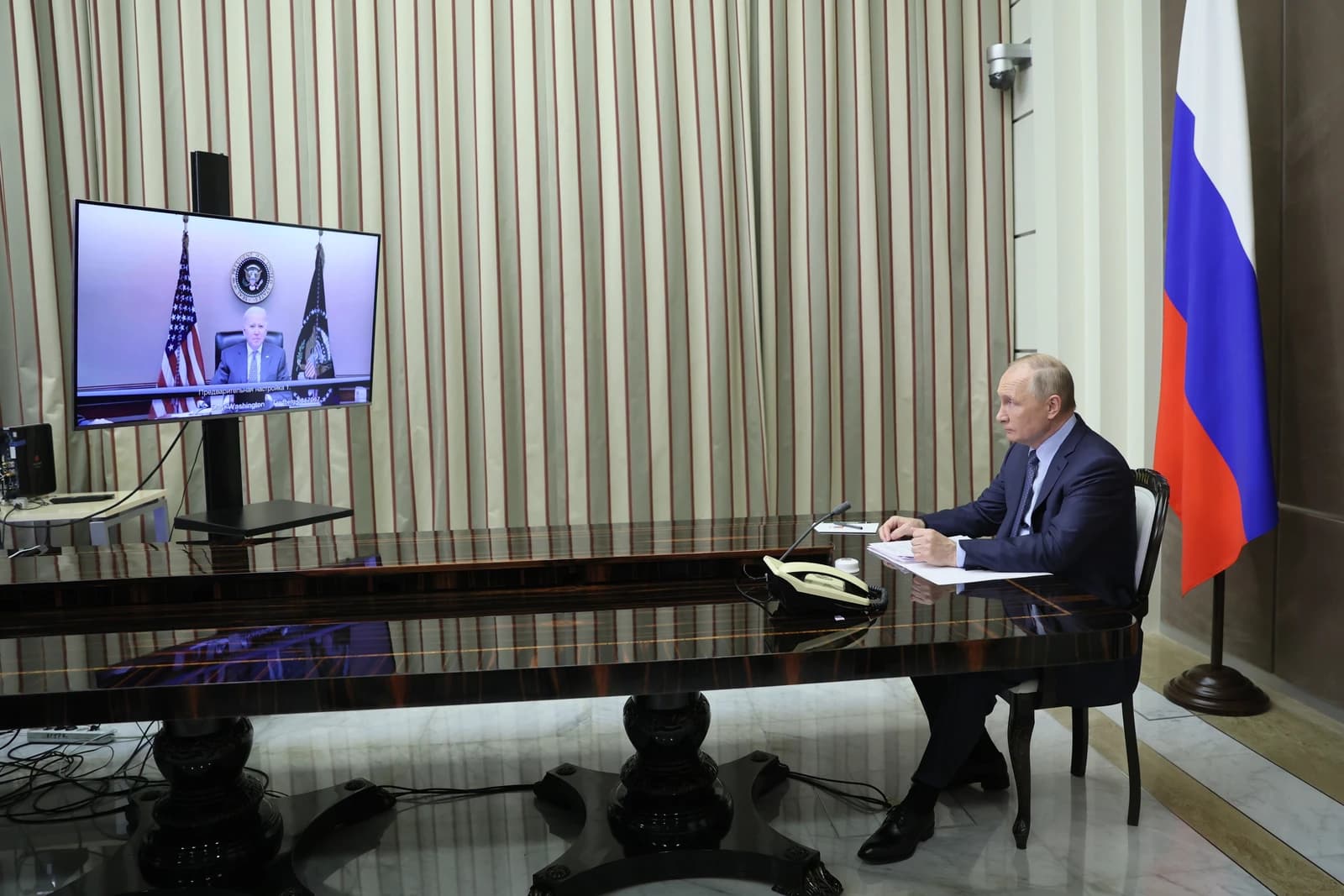
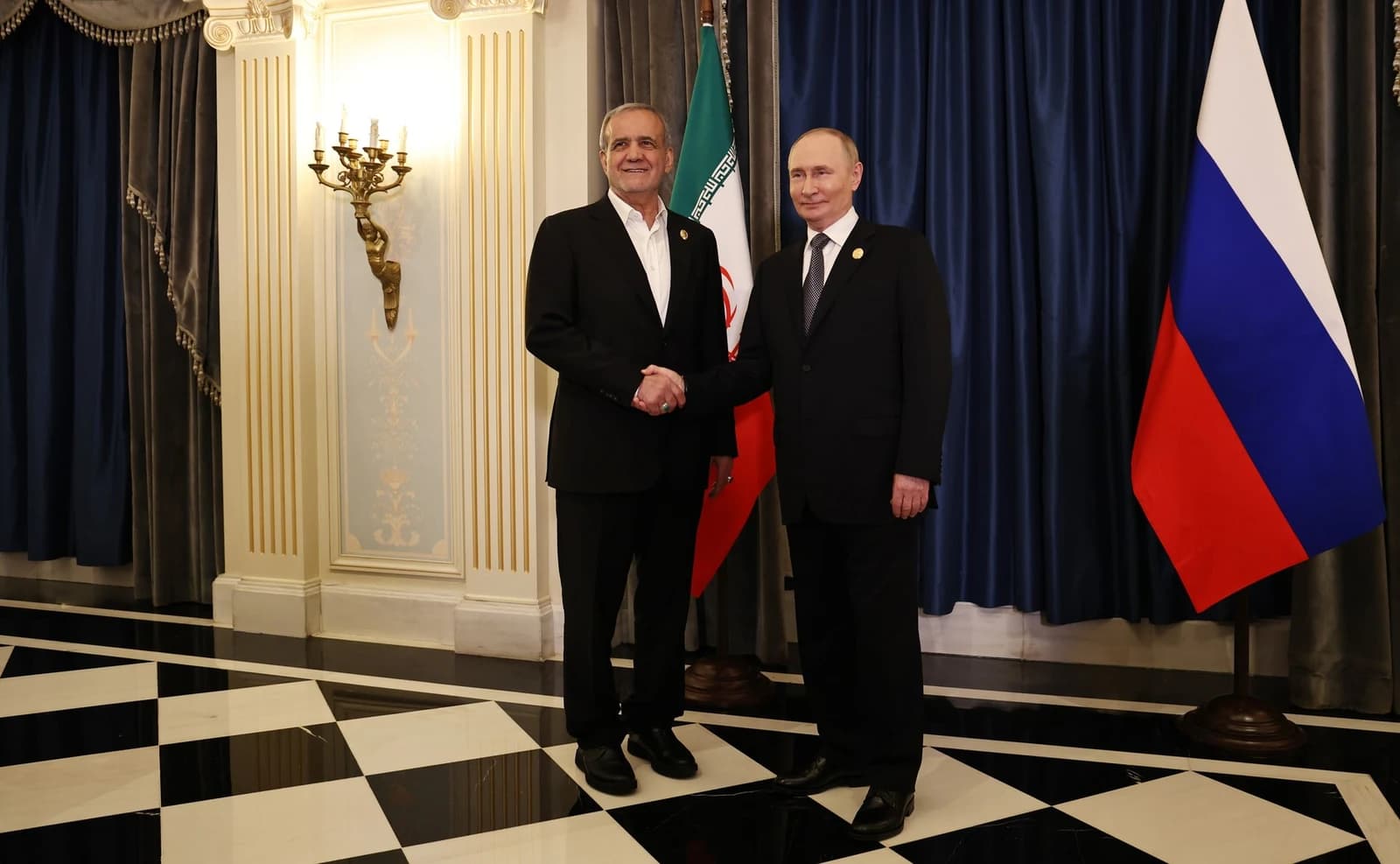
Trump’s decision to waive the most aggressive penalties in the Graham-Blumenthal sanctions bill removes an immediate economic threat to Russia and its oil trade, while reinforcing a market message that Washington is not yet prepared to weaponize energy restrictions at full scale.
Trump Waives Russia Sanctions Penalties
The move matters first because the bill, as described, would have sharply escalated duties on Russian goods and on imports from the top buyers and facilitators of Russian crude and natural gas. A 500% tariff on Russian goods and 100% levies on the largest importers of Russian energy would have represented a major escalation in secondary sanctions risk, with spillover effects for global trade flows, shipping, refining margins and payment channels. By waiving those provisions — along with the monitoring clause intended to track compliance — Trump effectively blunts the near-term sanction premium that had been hanging over Russian exports and the broader energy complex.
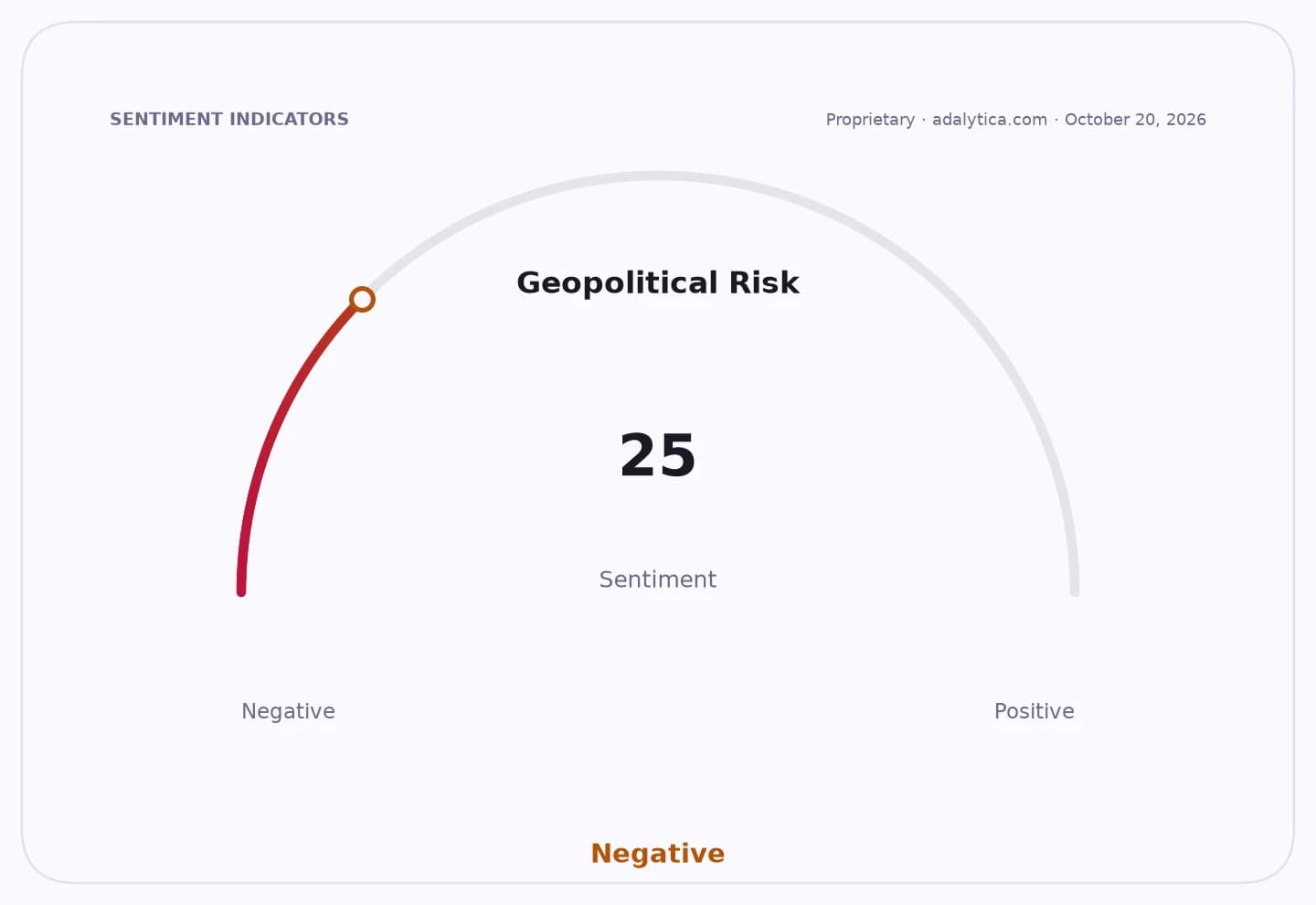
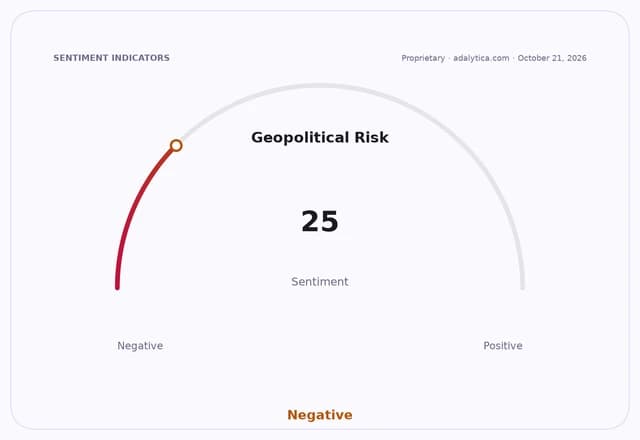
Sentiment IndicatorsⓘProprietary · adalytica.com · October 21, 2026
This is a snapshot — live sentiment, awareness and momentum for 130+ markets update continuously in the dashboard.Open AlphaPulse
For investors, the most direct implication is for oil, energy equities and currencies tied to geopolitical stress. US Oil Fund LP, tracked by USO, remains elevated at 160.61 after a powerful run that has left it well above its 50-day and 200-day moving averages, with RSI readings still stretched at 73.9, suggesting the market has already priced in significant geopolitical tightness. At the same time, the global stability gauge in Adalytica’s data sits at “Fear,” with awareness at “Extreme Fear,” underscoring how sensitive markets remain to Russia-related headlines even when sanctions are delayed rather than imposed.
The dollar is also in focus. UUP, the Invesco DB US Dollar Index Bullish Fund, is trading at 28.90, near its recent highs and above both its 50-day and 200-day moving averages, reflecting lingering demand for safe assets and the dollar’s role as the default hedge when geopolitical risk rises. But the fund’s momentum has cooled from earlier peaks, which suggests traders are still weighing whether Washington’s softer stance on Russia will ease the risk premium or simply prolong uncertainty.
The broader narrative is that Trump is using the threat of sanctions as a political instrument rather than an automatic enforcement mechanism. That makes the bill economically important even in waiver form: it signals that Russia’s energy exports remain protected for now, but also that the US retains a powerful secondary-sanctions framework that could be deployed against buyers, shippers or intermediaries if policy changes. That ambiguity matters for market participants because it preserves volatility in oil, shipping and emerging-market currencies tied to Russian commodity flows.
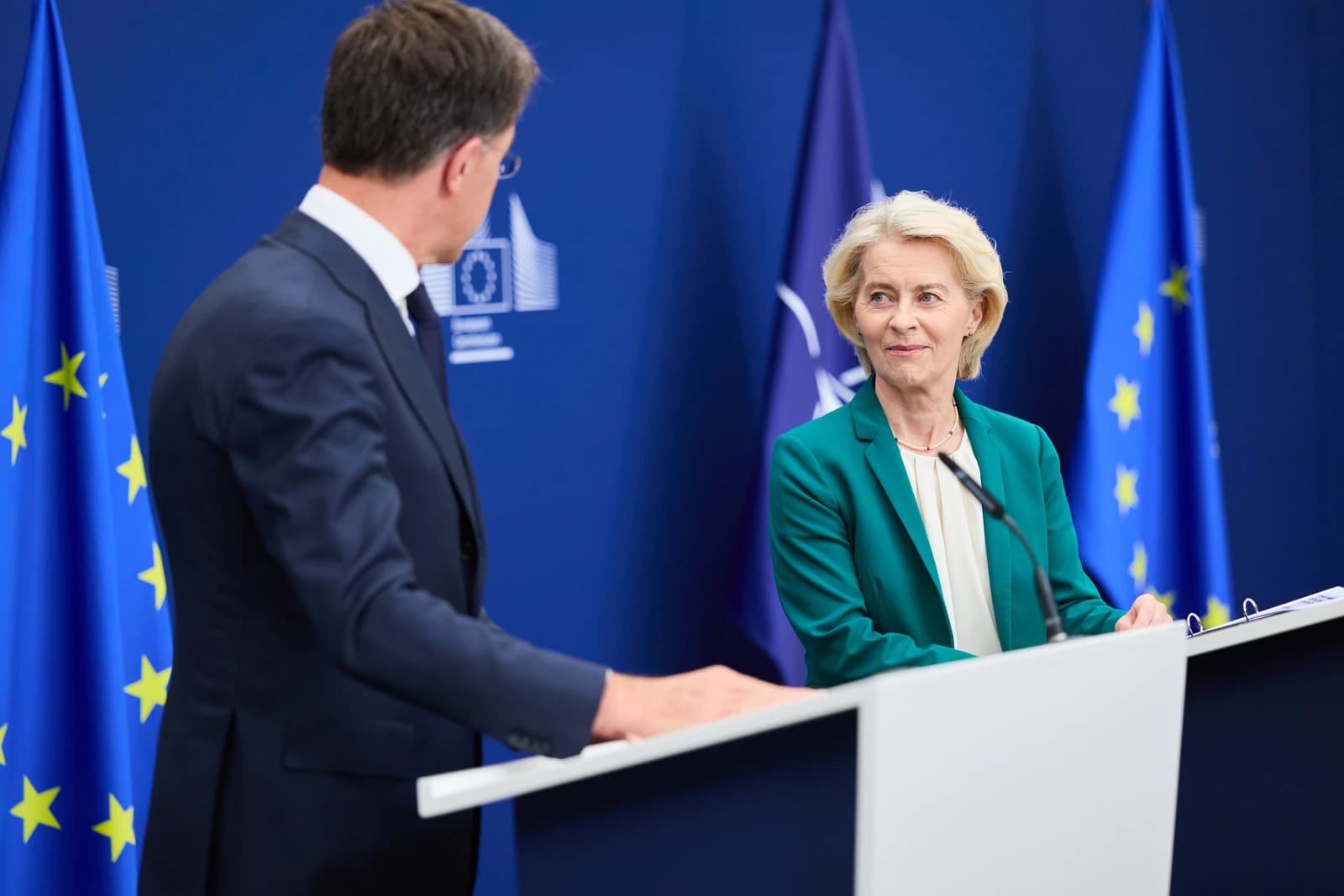
Ukraine and its European backers are the clear losers if the waiver becomes a pattern. Russia gains breathing room, while buyers of Russian crude avoid immediate disruption. The bull case for risk assets is that the absence of new sanctions removes an inflationary shock and reduces the chance of a forced squeeze in energy supply. The bear case is that the policy uncertainty itself keeps traders defensive, leaving oil prices supported and the dollar underpinned whenever the White House revisits the issue.
For now, the key watchpoint is whether Congress or a future administration attempts to reassert control over sanctions policy. If the waiver stands, it weakens the credibility of hard-line enforcement and lowers the odds of an immediate trade shock. If it is reversed, the market could quickly reprice Russian energy flows, with the sharpest impact likely on oil, freight and European importers exposed to a fresh round of secondary sanctions.
| Entity | Gains | Losses |
|---|---|---|
| Russia | ▲sanctions relief | ▼less pressure on exports |
| Oil importers | ▲lower disruption risk | ▼less leverage over Moscow |
| USO holders | ▲support from risk premium | ▼upside capped if tensions fade |
| Ukraine / EU hawks | ▲little to gain | ▼weaker sanctions pressure |