The European Union will keep sanctions on Russia in place until Moscow ends the war in Ukraine, sharpening pressure on the Kremlin as Washington weighs a more cautious approach to new penalties.
EU keeps Russia sanctions until war ends
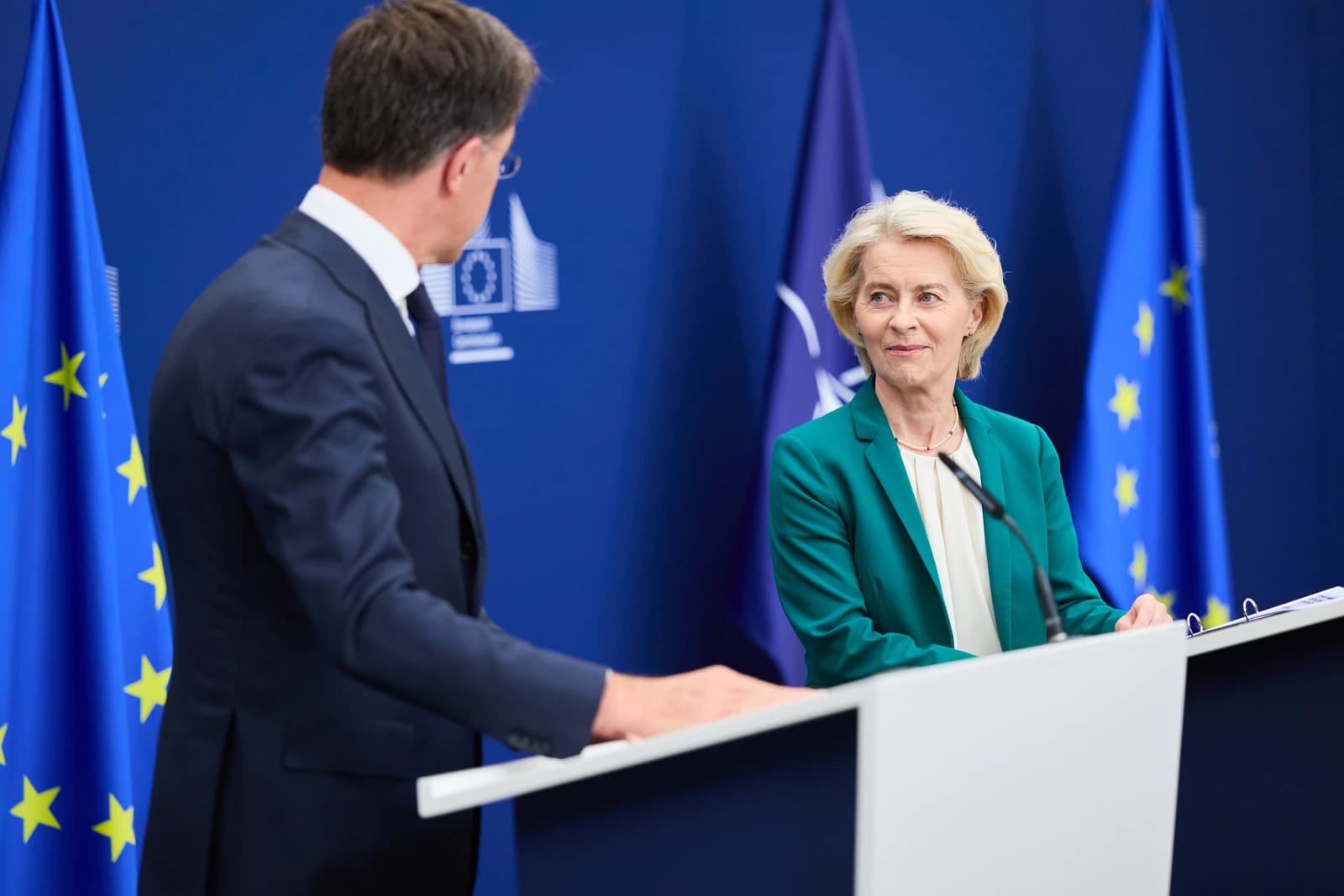
European Commission President Ursula von der Leyen said the bloc is already preparing its 22nd sanctions package and rejected any notion of easing restrictions while the conflict continues. “We will not lift any sanctions unless Russia ends the war,” she said in Brussels alongside European Council President Antonio Costa and Ukrainian President Volodymyr Zelensky.
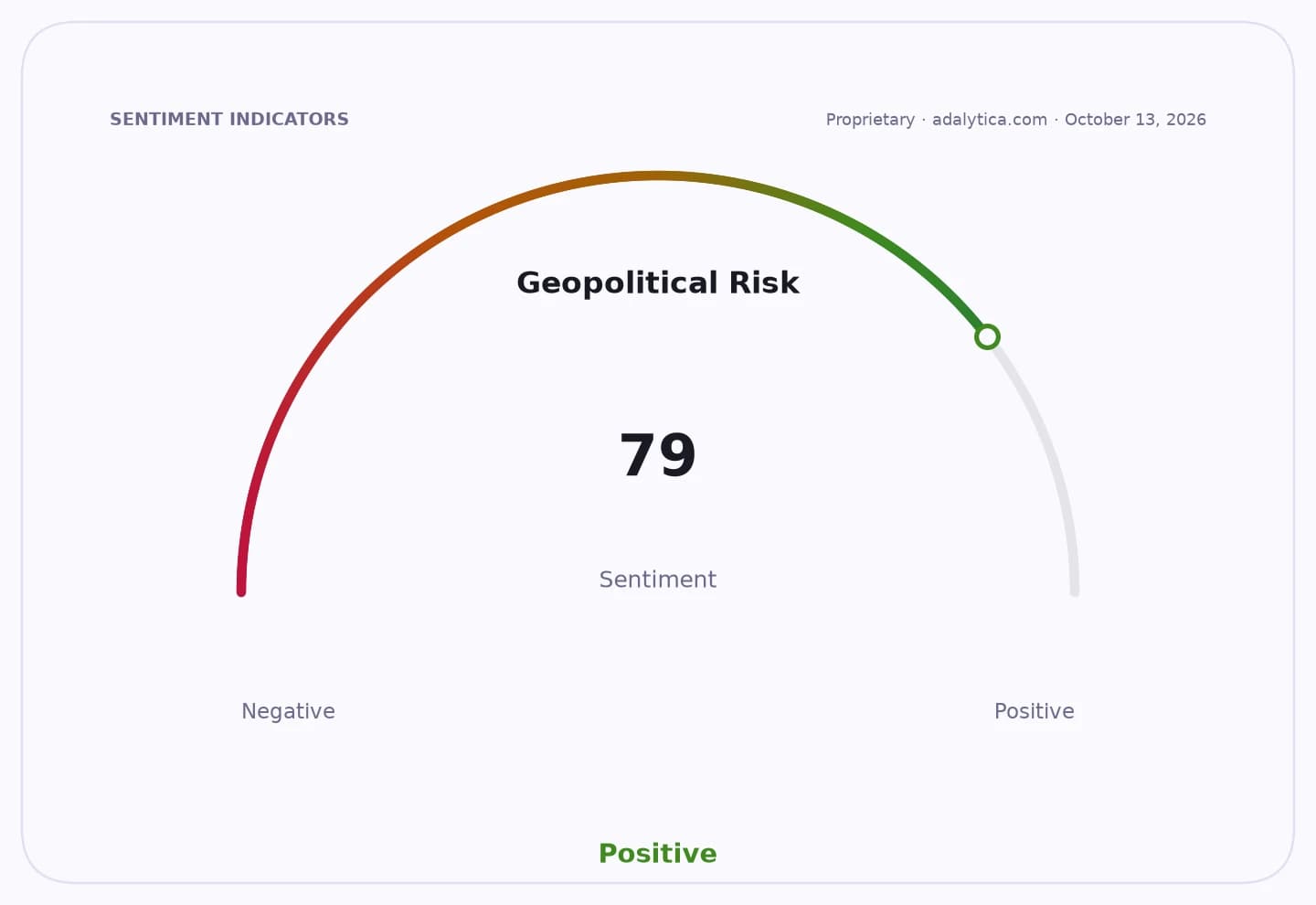
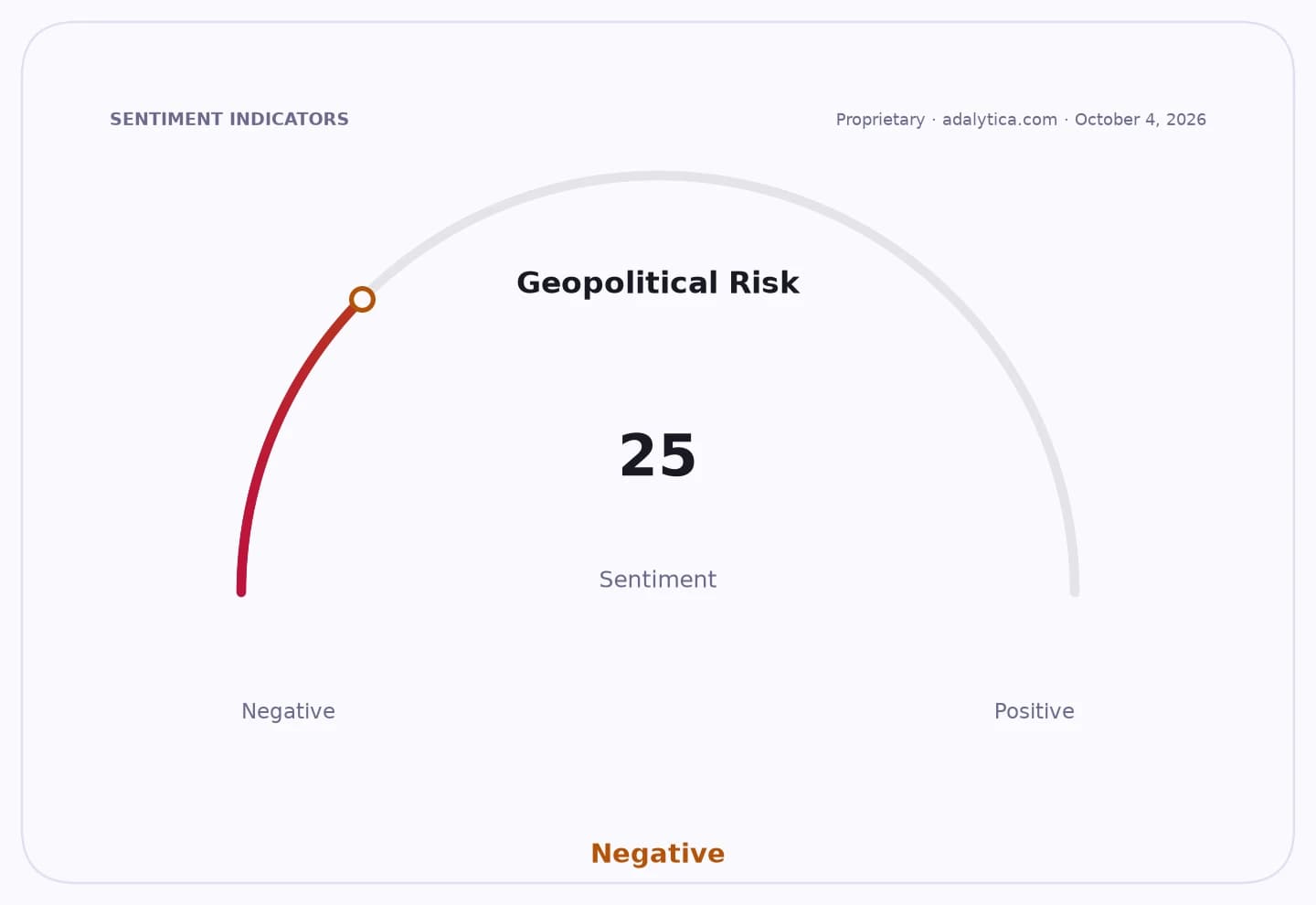
Sentiment IndicatorsⓘProprietary · adalytica.com · October 20, 2026
This is a snapshot — live sentiment, awareness and momentum for 130+ markets update continuously in the dashboard.Open AlphaPulse
The stance matters economically because sanctions continue to constrain Russia’s access to capital, technology and trade routes, while forcing Europe to absorb a prolonged energy and security burden. It also underscores that Brussels sees sanctions as leverage, not bargaining chips, even after Donald Trump suggested a temporary “energy ceasefire” between Russia and Ukraine.
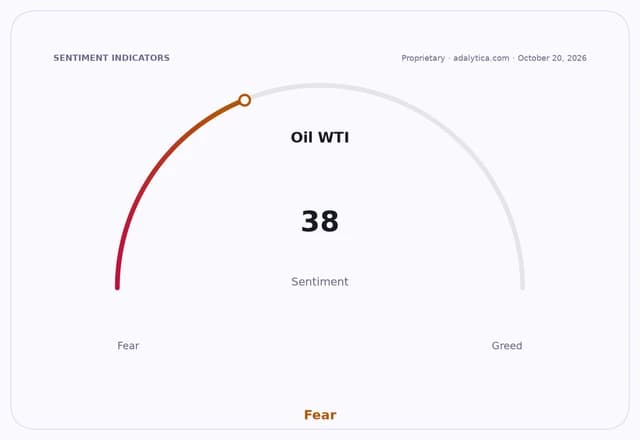
Markets are already pricing in the risk that the war stays entrenched. Global stability sentiment tracked by Adalytica jumped to 68 from 7 a day earlier, but awareness remains at “Extreme Fear,” while euro trade sentiment plunged to 1, suggesting investors remain wary of escalation and policy inconsistency. Brent-linked crude exposure has stayed elevated, with the US oil ETF USO rising to 160.81 on Oct. 19 from 157.31 two sessions earlier, and WTI at 102.53 for Oct. 15, reflecting persistent supply-risk premiums.
Geopolitical Risk — 30-day sentimentadalytica.com
Explore this data interactively — full history, time series and cross-market comparisons.Open AlphaPulse
Energy shares are benefiting from that backdrop. The XLE energy ETF closed at 67.80 on Oct. 19, near recent highs and above both its 50-day and 200-day moving averages, while its RSI reading of 79.9 points to stretched but still strong momentum. For investors, that means sanctions headlines can continue to support oil and gas stocks even as they add volatility to Europe’s growth outlook and import bill.
Costa echoed von der Leyen, saying the EU is not “at a time to withdraw support” from Ukraine and should instead intensify aid and pressure on Moscow. Leaders are also set to discuss Ukraine’s winter preparations and financing needs for 2026 and 2027, signaling that the war’s fiscal cost for Europe is set to continue.
| Entity | Gains | Losses |
|---|---|---|
| EU energy producers | ▲Higher crude and gas prices | ▼Policy uncertainty |
| Russian economy | ▲None | ▼Sanctions, export limits |
| Ukraine | ▲Continued EU support | ▼Ongoing war pressure |
| Oil investors | ▲Geopolitical risk premium | ▼Volatility if talks stall |