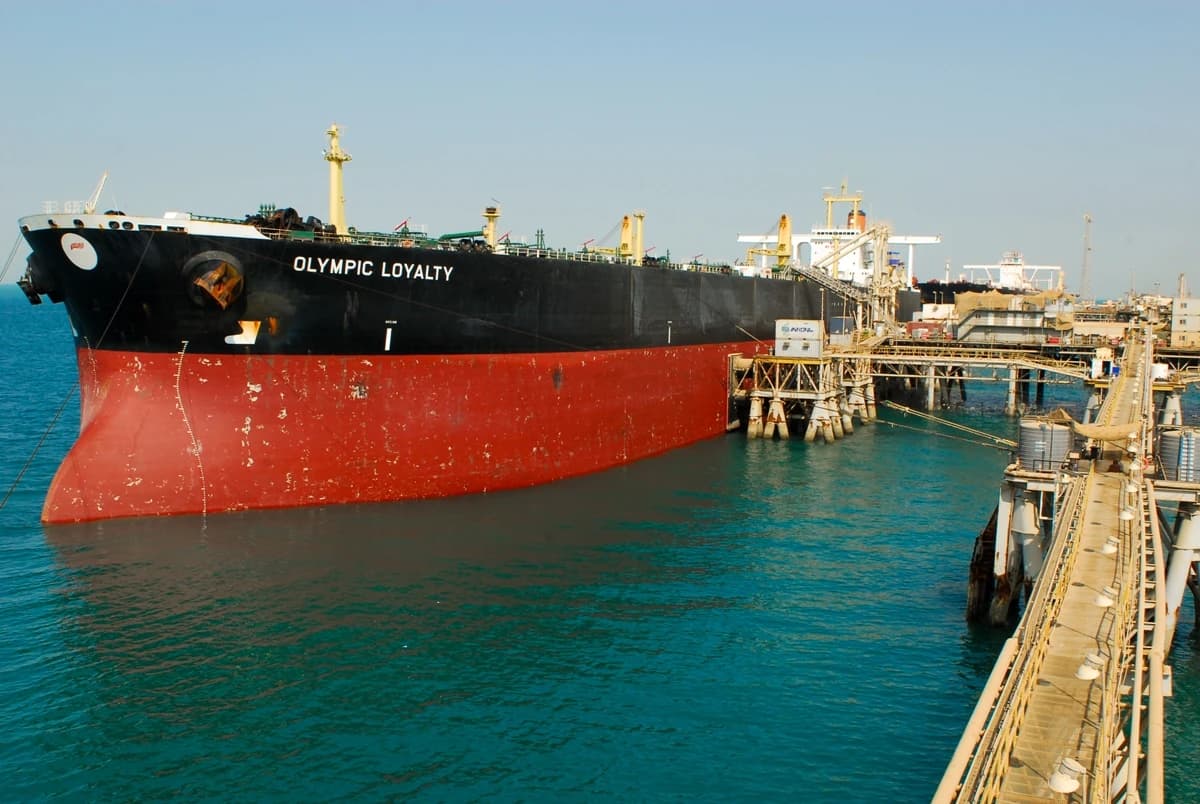
Oil markets are entering a more fragile phase as Middle East tensions, U.S. sanctions policy and a 2.2 billion-barrel drawdown in global inventories collide to keep crude volatile even after prices slipped from five-month highs.
Oil prices, sanctions and Middle East tensions
The Energy Forum’s discussion of the future of oil markets comes as traders weigh whether supply disruptions in the Middle East will offset the easing effect of Washington’s decision to delay some Russia sanctions. That policy shift helped crude retreat by nearly 1%, underscoring how quickly geopolitical risk premiums can unwind when sanctions relief eases supply fears.
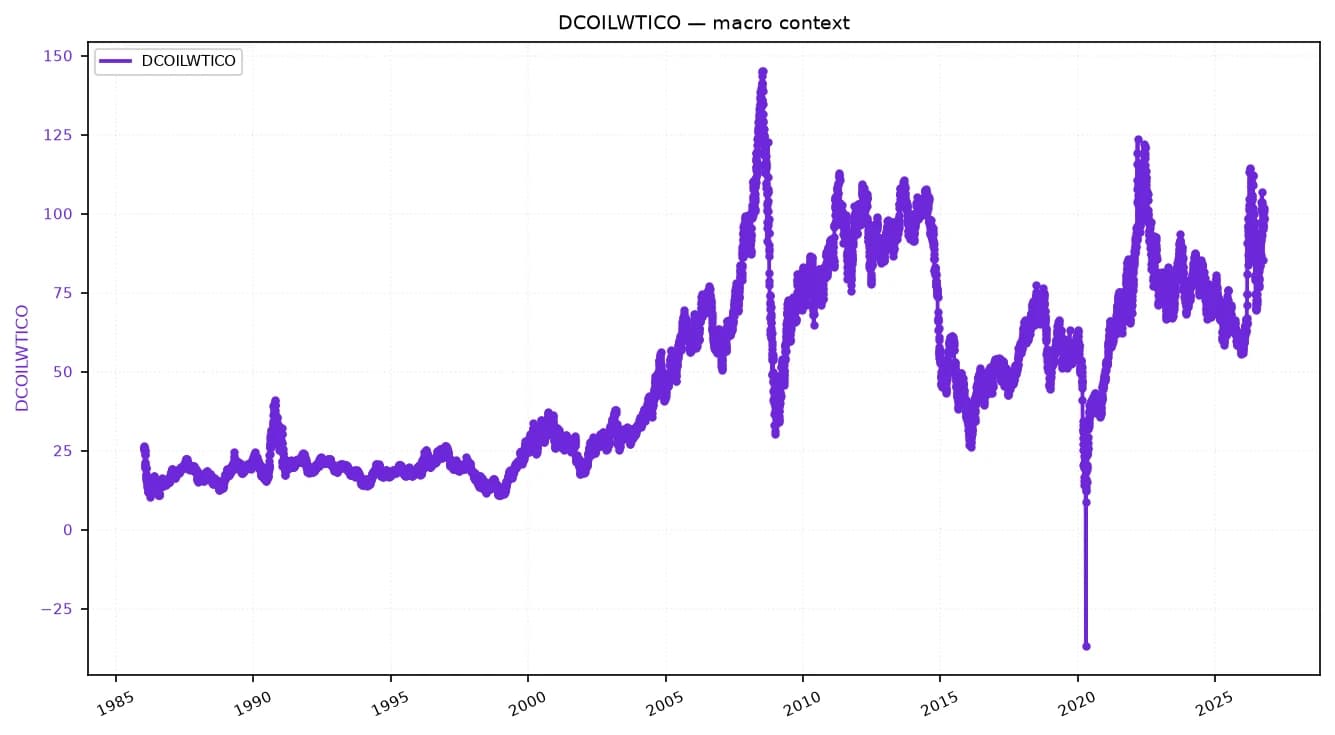
Benchmark WTI futures were trading around $100.95 a barrel on Oct. 20, after briefly pushing to $103.66 two days earlier, while West Texas Intermediate remains well above its 50-day and 200-day moving averages. The move has kept energy shares supported, with the Energy Select Sector SPDR ETF up to $67.80 on Oct. 19 and the VanEck Oil Services ETF at $385.12, though both have begun to lose momentum from recent highs.
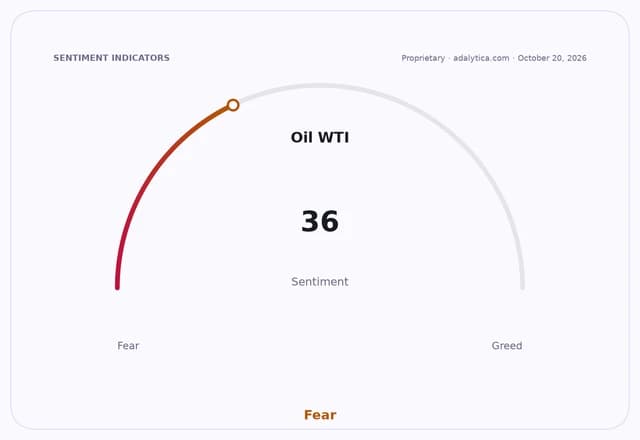
The backdrop is a market still constrained by the loss of 2.2 billion barrels from global oil stocks, a draw that leaves little room for error if conflict broadens or exports are disrupted. Adalytica’s Oil WTI Trade Signals snapshot shows neutral sentiment, but the 7-day change has fallen sharply, pointing to caution rather than conviction among market participants.
DCOILWTICO vs DGS10 — macro contextadalytica.com
Explore this data interactively — full history, time series and cross-market comparisons.Open AlphaPulse
For investors, the key issue is not just direction but duration: a crude market above $100 can lift producers’ cash flow and service companies’ margins, but it also raises input costs and inflation risk for refiners, airlines and consumers. Chevron, ConocoPhillips and other upstream producers remain better positioned than fuel-heavy users if prices stay elevated, while refiners and importers face margin pressure if crude remains stubbornly expensive.
The longer-term narrative is one of a market balancing OPEC+ discipline, sanctions risk and episodic conflict against uneven demand and policy-driven supply relief. Until one of those forces breaks decisively, oil is likely to stay range-bound but highly sensitive to headlines, with investors watching any new move on Iran, Russia or shipping lanes in the Middle East.
| Entity | Gains | Losses |
|---|---|---|
| Oil producers | ▲Higher realized prices | ▼Demand risks if prices spike too far |
| Refiners and airlines | ▲Lower crude prices | ▼Margin pressure from expensive feedstock |
| Energy ETFs and oil services | ▲Sector outperformance | ▼Pullbacks if geopolitical premium fades |
| Consumers/importers | ▲Cheaper fuel if sanctions ease | ▼Higher costs if Middle East risks intensify |