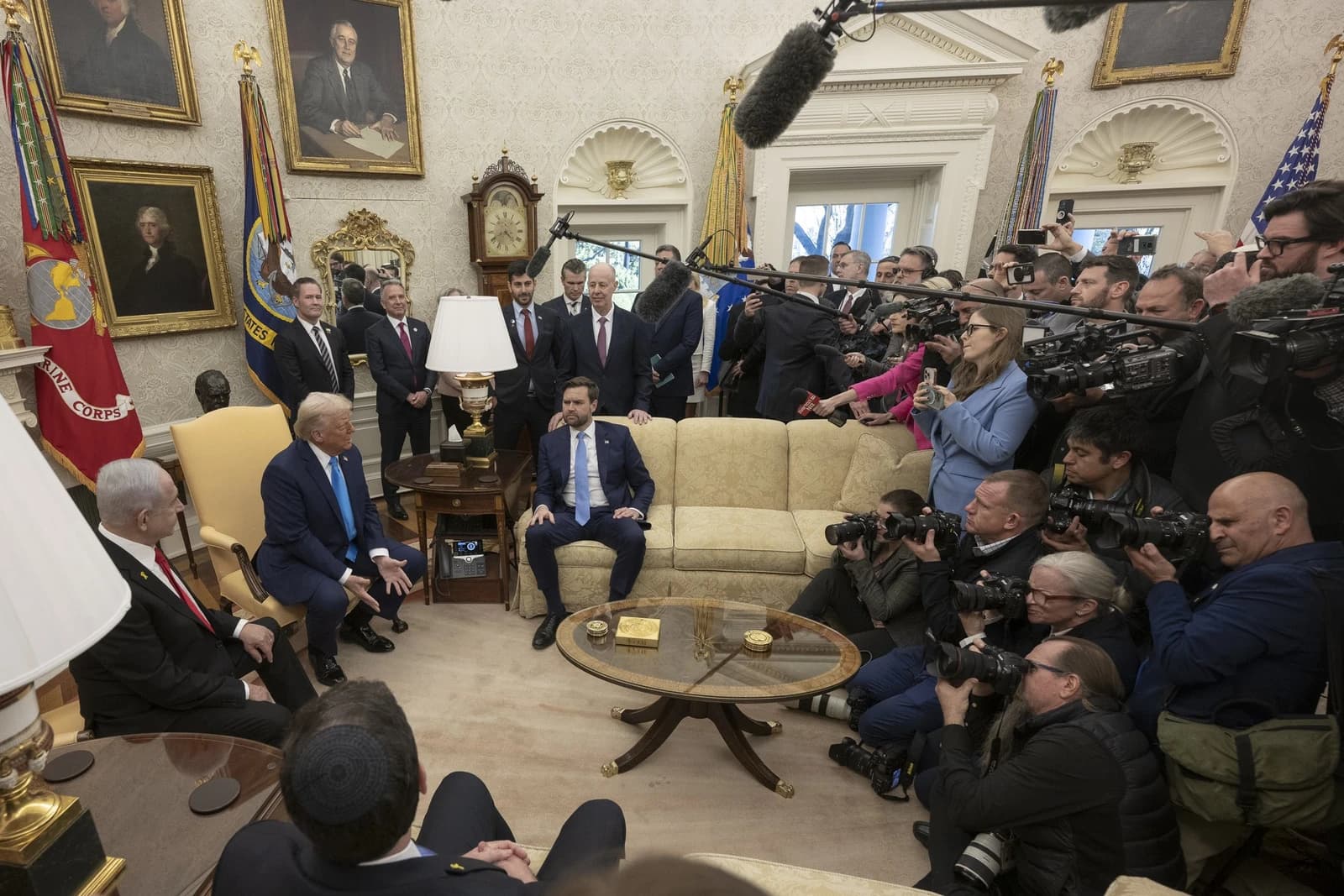
Trump’s remark that Iran is “a failed state” and “does not have an economy” lands in the middle of already fragile Middle East markets, keeping geopolitics firmly embedded in the oil trade and the broader risk backdrop for investors.
Oil, XLE, Lockheed Gain on Iran Tension
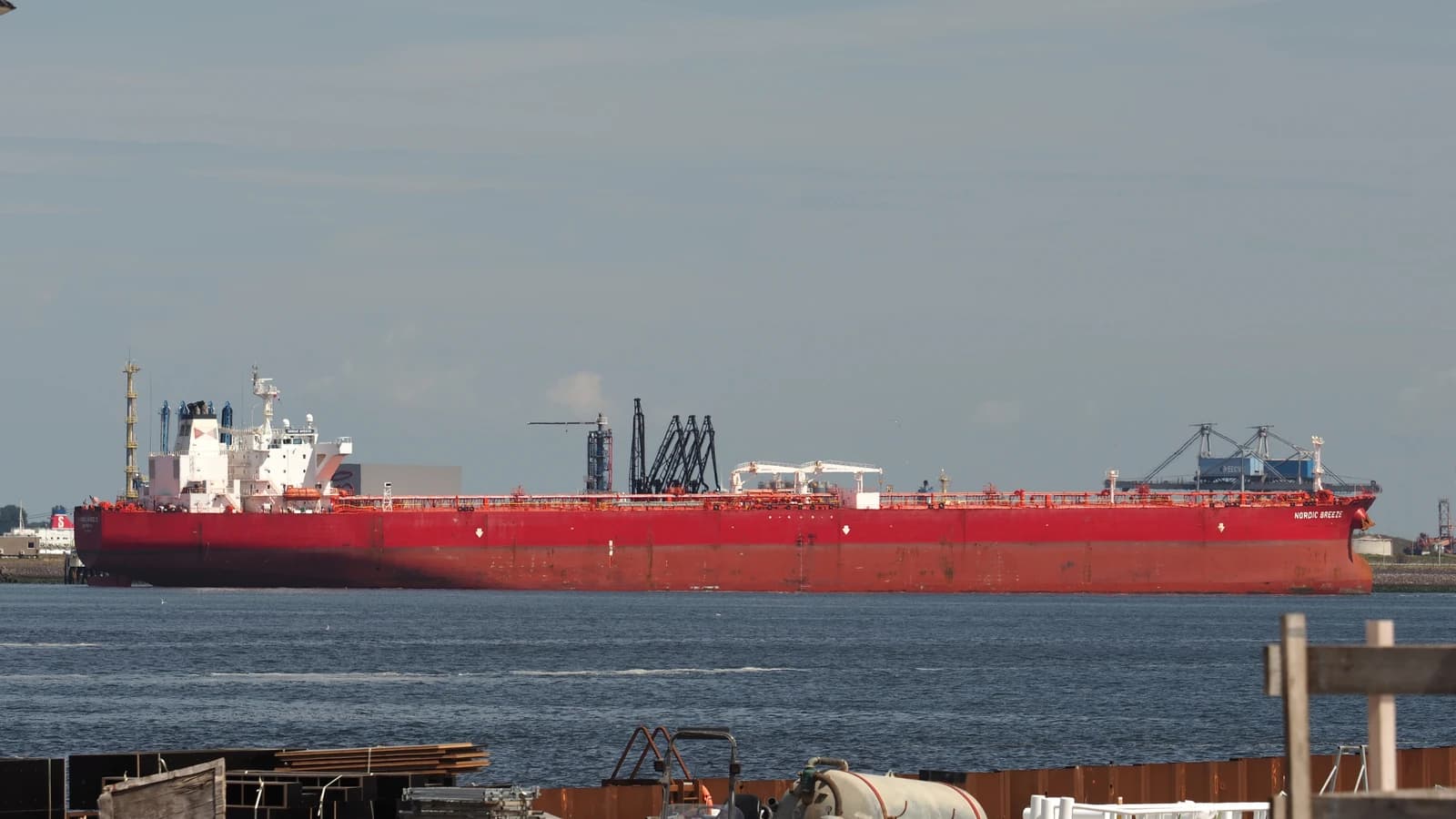
The immediate economic issue is not the rhetoric itself but what it implies for sanctions, military risk and flows through the Strait of Hormuz, where any escalation can quickly ripple into crude prices, shipping costs and inflation expectations. That matters because energy remains a key input for global growth and a persistent variable in central-bank policy.
Sentiment IndicatorsⓘProprietary · adalytica.com · October 14, 2026
This is a snapshot — live sentiment, awareness and momentum for 130+ markets update continuously in the dashboard.Open AlphaPulse
USO, the United States Oil Fund, has been trading at elevated levels, closing at $151.03 on Oct. 12 after reaching as high as $161.86 in mid-September. The fund remains well above its 50-day moving average of $139.60 and 200-day average of $117.52, while RSI readings at 57.9 suggest momentum has cooled from extreme levels but stays constructive.
Energy equities have reflected the same tension. The Energy Select Sector SPDR Fund, XLE, finished at $66.01, near its 52-week highs and above both its 50-day average of $62.55 and 200-day average of $56.52. That leaves integrated producers, refiners and oilfield service names exposed to any further spike in crude, while airlines, transport operators and other fuel-sensitive sectors would face renewed margin pressure.
The defense trade is also in focus. Lockheed Martin shares ended at $511.88, below their 200-day moving average of $558.11 but off recent lows, underscoring how geopolitical flare-ups can revive demand for defense contractors even when the broader equity market is not pricing a full-blown conflict.
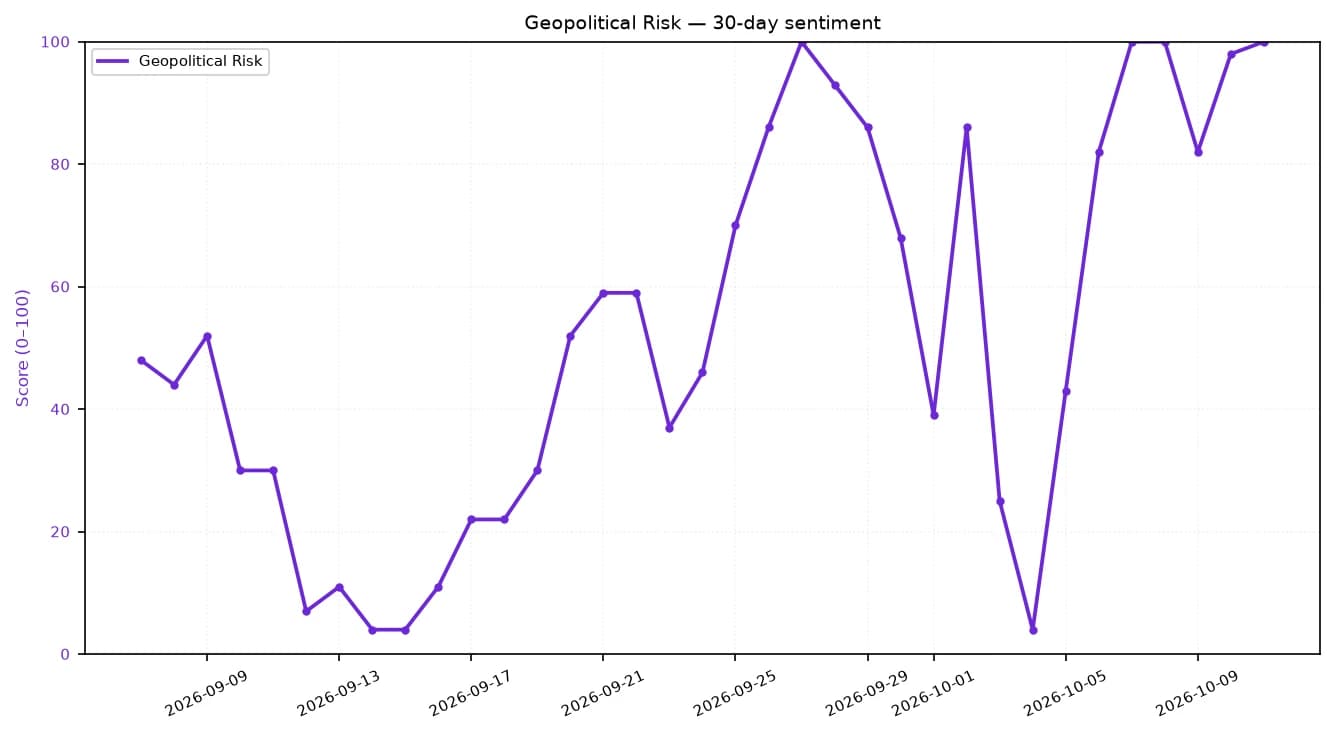
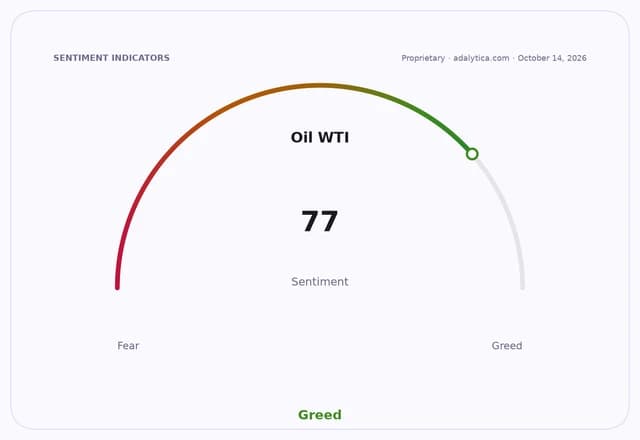
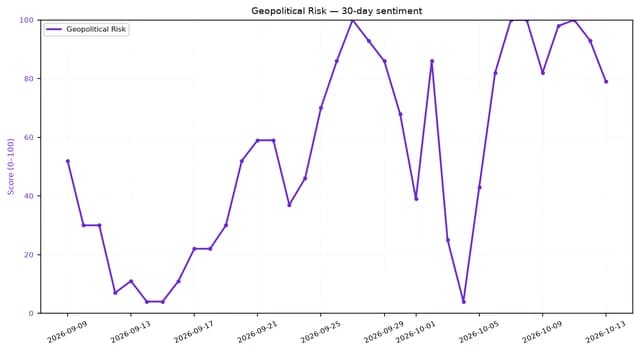
Adalytica’s Global Stability Sentiment gauge sits at 79, labeled “Greed,” even as its awareness reading is at 7, or “Extreme Fear,” a split that suggests markets are underweighting the tail risk of a sharper escalation. Adalytica’s oil trade signals show similar tension, with sentiment at 77 and awareness at 8, indicating traders remain biased toward higher prices but wary of abrupt reversals.
For investors, the message is straightforward: any move from war talk to actual disruption in Iranian exports, Gulf shipping or sanctions enforcement would hit oil-linked assets first and then spread into inflation-sensitive parts of the market. The next catalysts are U.S. policy signals, any new sanctions steps and developments in Gulf diplomacy or military posture.
| Entity | Gains | Losses |
|---|---|---|
| Oil producers | ▲Higher crude prices | ▼Demand destruction risk |
| XLE energy stocks | ▲Margin support | ▼Policy de-escalation |
| Defense contractors | ▲Budget and conflict bids | ▼Risk-off profit taking |
| Fuel users/importers | ▲Lower oil only if tensions ease | ▼Higher input costs |