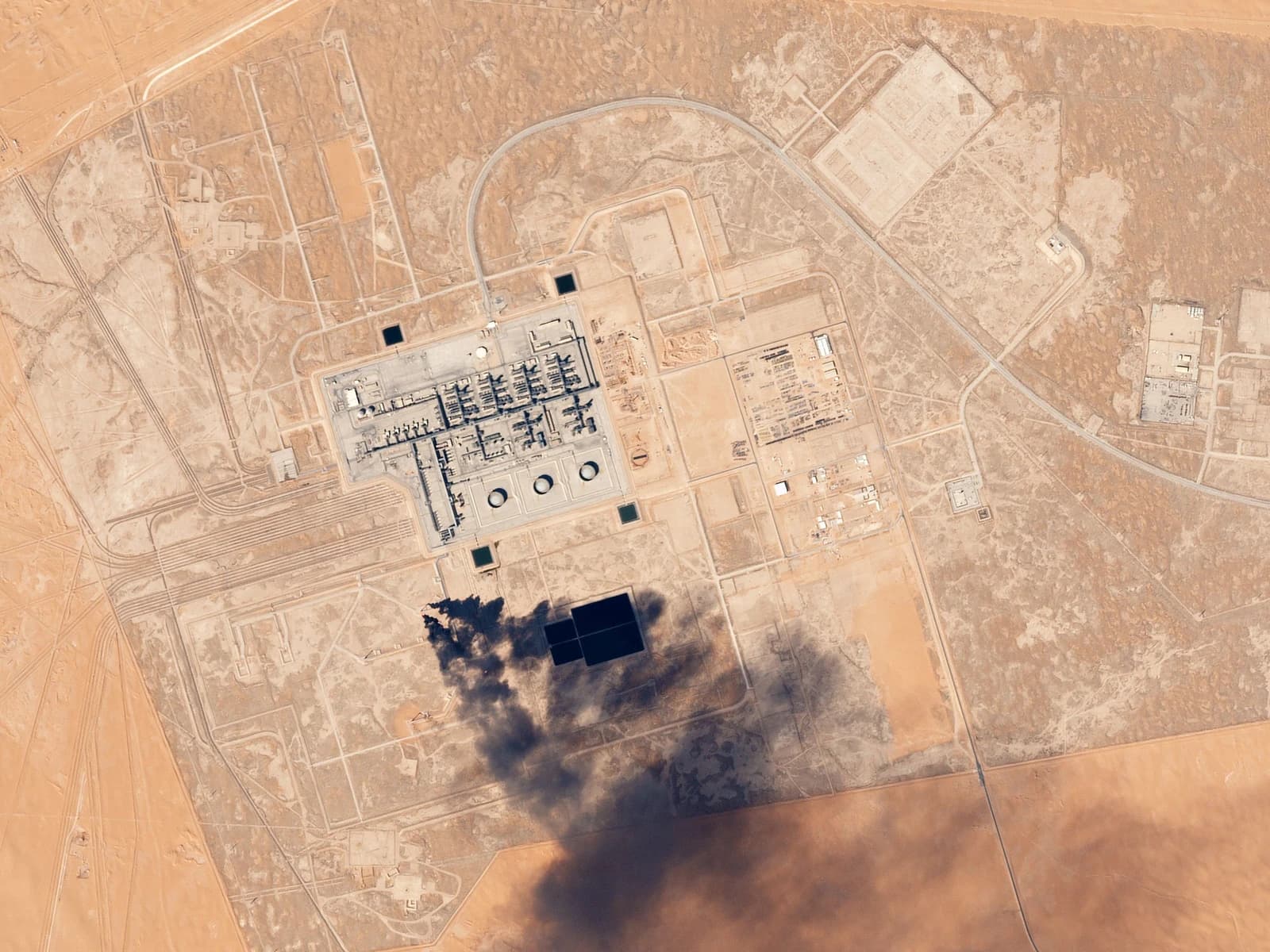
An attack near Saudi Aramco facilities is a reminder that Middle East security risk can still move energy markets fast, and this time investors have a clear signal that the conflict around Yemen is again threatening the infrastructure that underpins global oil supply.
Saudi Aramco attack risk lifts oil market concerns
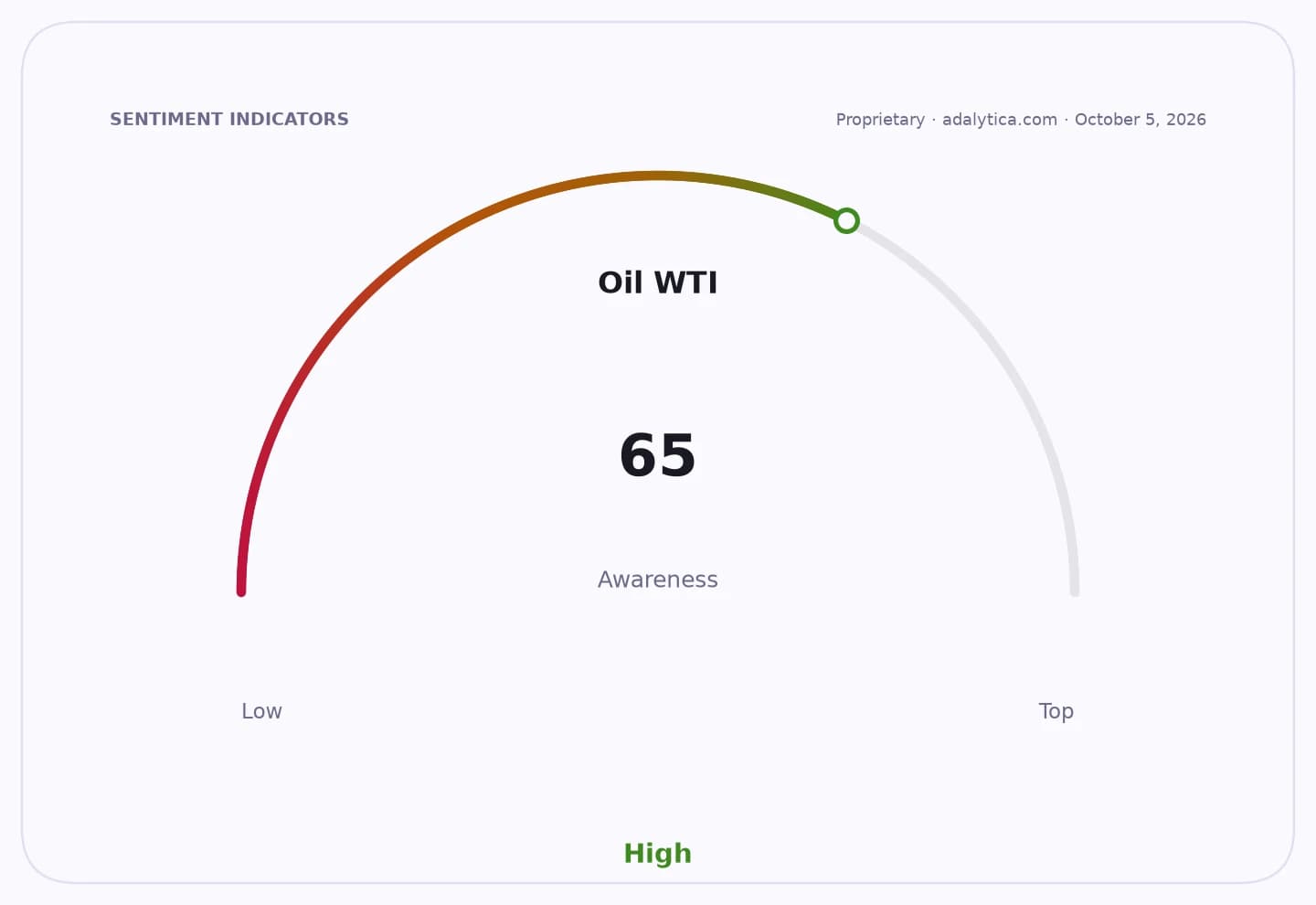
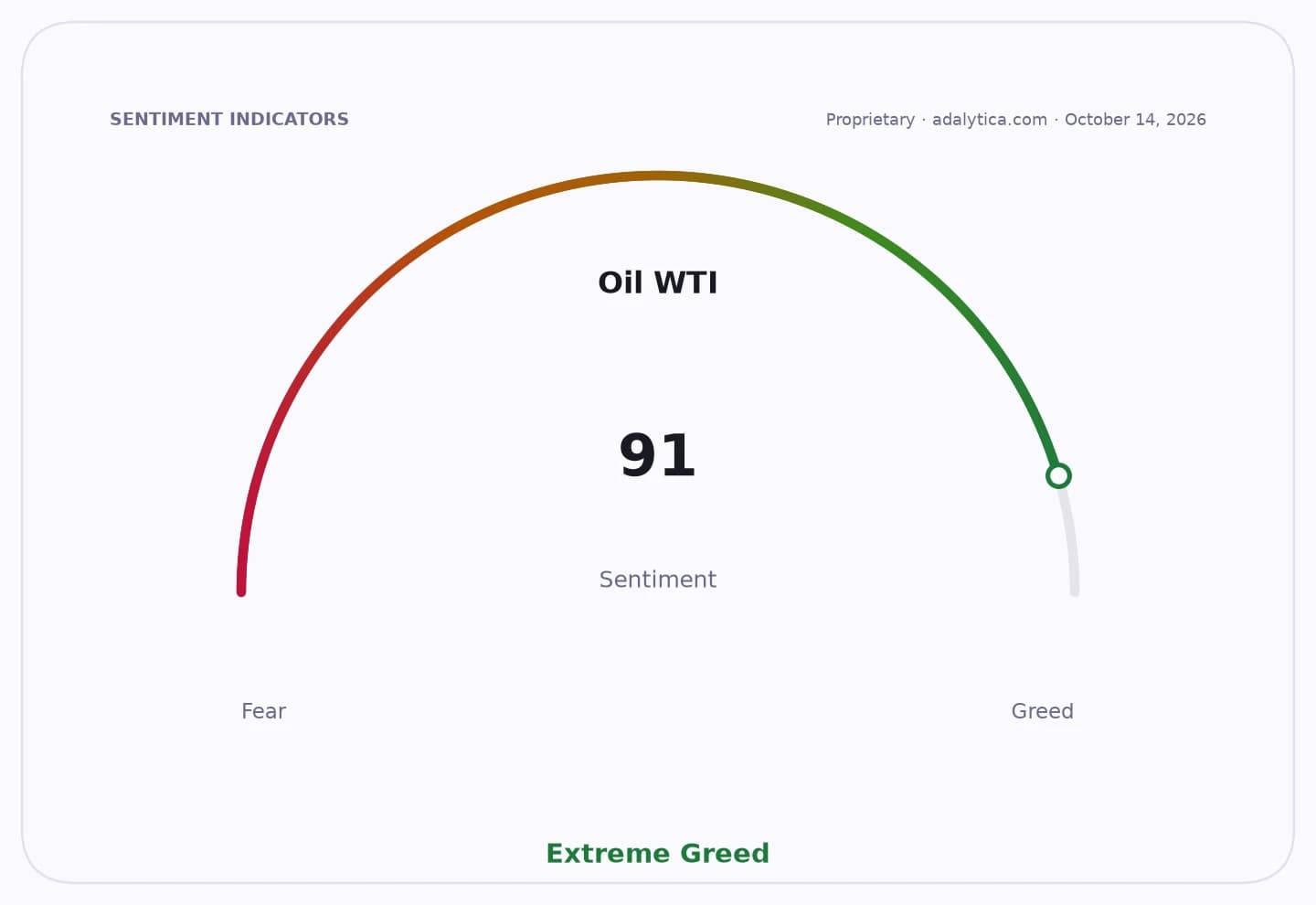
The immediate market significance is simple: when drones, missiles or retaliatory strikes get close to Saudi energy assets, crude traders start pricing in disruption, even if the physical damage proves limited. Brent and WTI have already been volatile this year, and the latest flare-up adds another layer of geopolitical premium to a market that has been struggling to reconcile tight supply with slowing demand growth. Adalytica’s Oil WTI Trade Signals snapshot showed sentiment at 84, or “Greed,” while awareness sat at “Extreme Fear,” a combination that reflects how quickly traders rush toward oil exposure when the region turns tense.
Sentiment IndicatorsⓘProprietary · adalytica.com · October 14, 2026
This is a snapshot — live sentiment, awareness and momentum for 130+ markets update continuously in the dashboard.Open AlphaPulse
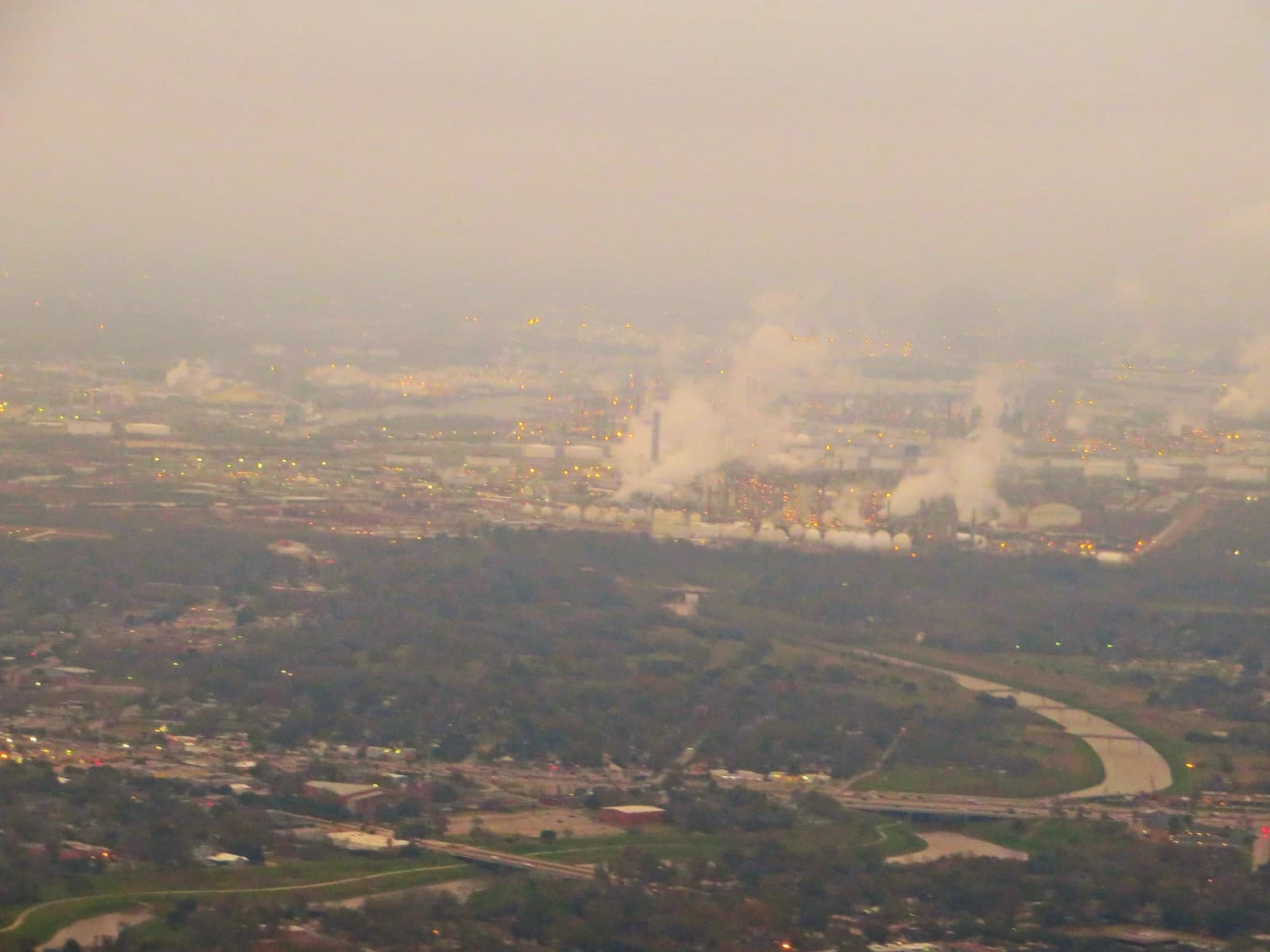
That matters because Saudi Arabia remains the swing producer that anchors spare capacity in the oil system. Any threat to Aramco’s facilities, export routes or nearby infrastructure raises the odds of higher insurance costs, shipping delays and more defensive inventory buying by refiners. Even without a direct hit on production, the mere prospect of disruption can push energy prices higher, feeding into transport costs, petrochemical margins and inflation expectations around the world.
For investors, the short-term winners are obvious: integrated producers such as Exxon Mobil and Occidental Petroleum, along with oil-linked funds, tend to benefit when crude spikes. Exxon shares have climbed to around $174.67, while Occidental has rallied to about $61.65, showing how quickly the sector can re-rate when geopolitical risk returns. Producers with strong balance sheets and low lifting costs can use these bursts to strengthen free cash flow, buy back stock and protect dividends.
Oil WTI — 30-day sentimentadalytica.com
Explore this data interactively — full history, time series and cross-market comparisons.Open AlphaPulse
The losers are just as clear. Airlines, refiners, chemical companies and transport-heavy businesses face higher input costs if oil sustains even a modest move higher. Consumers ultimately do too, because energy feeds through to gasoline, freight and broader inflation. That is why the story is bigger than one blaze or one counterstrike: it is about the fragility of the oil supply chain in a region that still matters far more than most investors would like to admit.
The broader setup also argues for patience, not panic. Geopolitical spikes can fade quickly if strikes remain contained, but repeated attacks on Saudi-linked infrastructure tend to leave a lasting mark on risk premiums. Investors building long-term portfolios should not chase every headline, but they should understand that conflict risk can make energy holdings a useful diversifier when the rest of the market is trying to ignore inflation. For now, Aramco’s blaze and the coalition response are worth watching closely, especially if the rhetoric turns into a sustained campaign around critical oil assets.
| Entity | Gains | Losses |
|---|---|---|
| Oil producers | ▲Higher crude prices | ▼Refiners and consumers |
| Exxon Mobil, Occidental | ▲Stronger cash flow | ▼Higher market volatility |
| Saudi Arabia / Aramco security | ▲Deterrence of attacks | ▼Physical infrastructure risk |
| Airlines, transport, chemicals | ▲— | ▼Higher fuel costs |