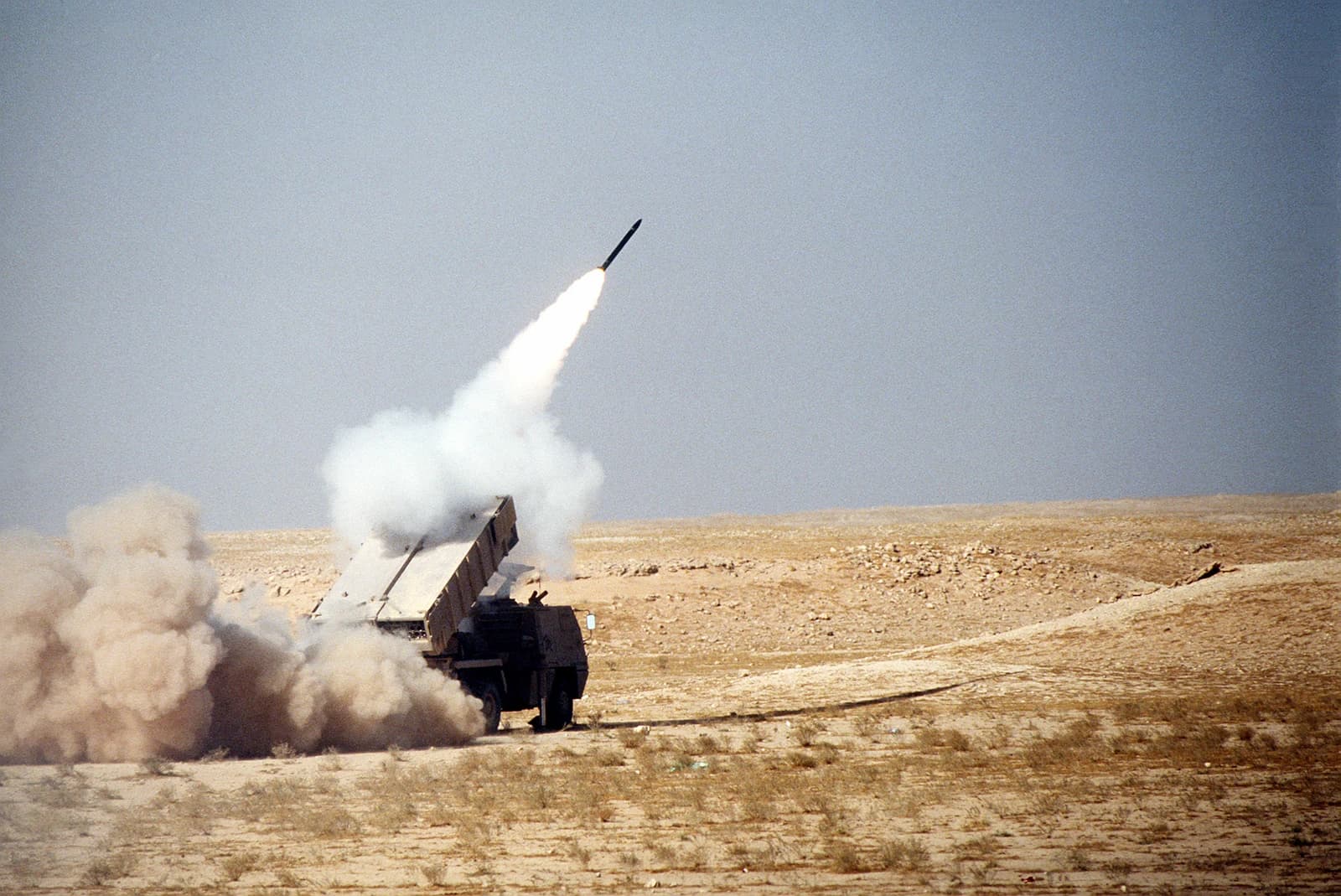
Flames and smoke reported at a Saudi Aramco facility renewed market focus on the vulnerability of the kingdom’s oil infrastructure, a flashpoint that can move crude prices and raise the geopolitical risk premium on energy assets almost immediately.
Saudi Aramco Facility Fire Raises Oil Supply Risk
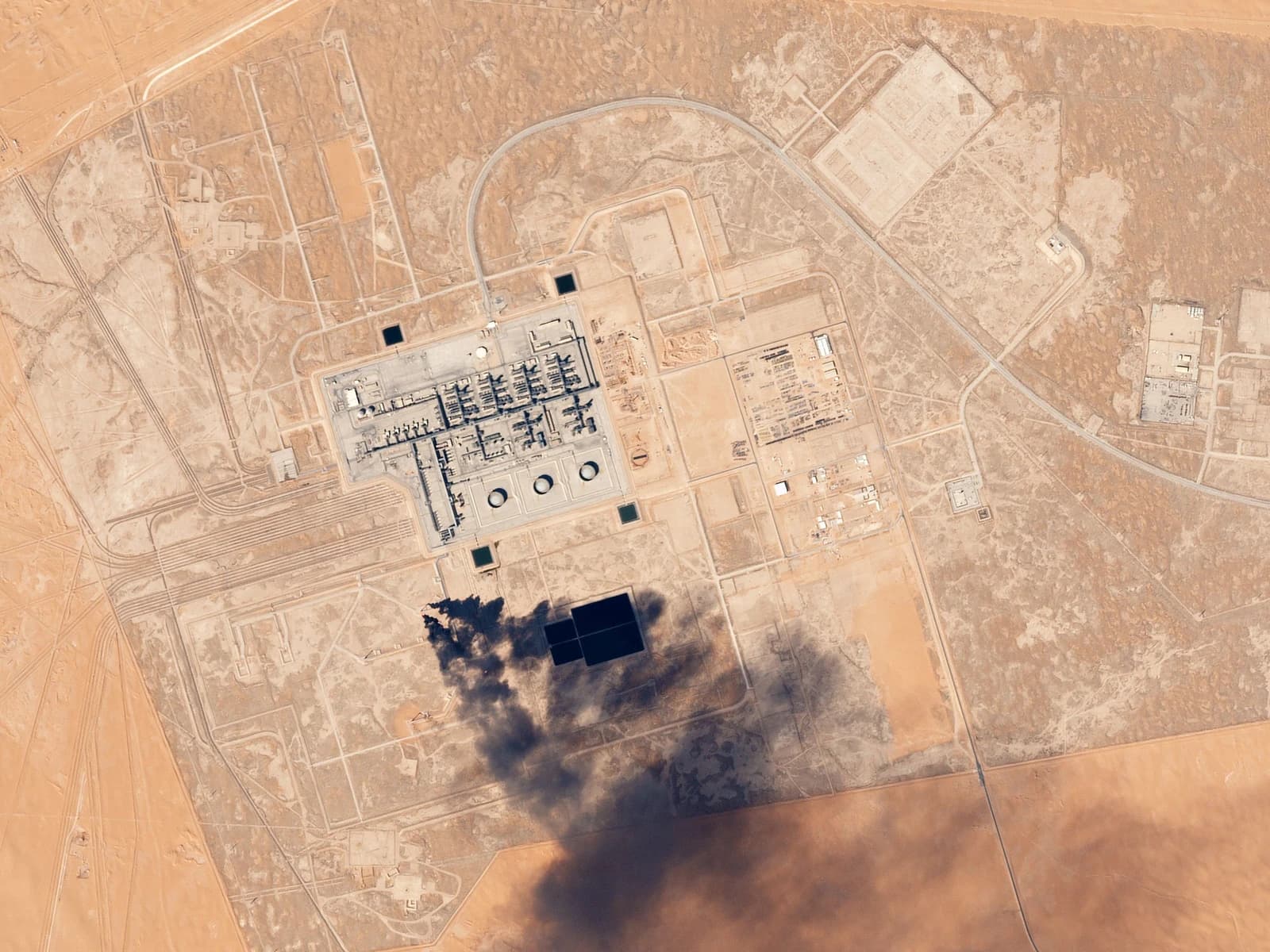
The incident matters because Saudi Arabia remains the OPEC+ producer with the clearest ability to influence global supply if outages spread or exports are disrupted. Aramco is the backbone of the Saudi economy and one of the world’s largest listed companies, so even unconfirmed reports of damage at its facilities tend to feed directly into crude benchmarks, tanker markets and equity sentiment toward energy producers.
Sentiment IndicatorsⓘProprietary · adalytica.com · October 3, 2026
This is a snapshot — live sentiment, awareness and momentum for 130+ markets update continuously in the dashboard.Open AlphaPulse
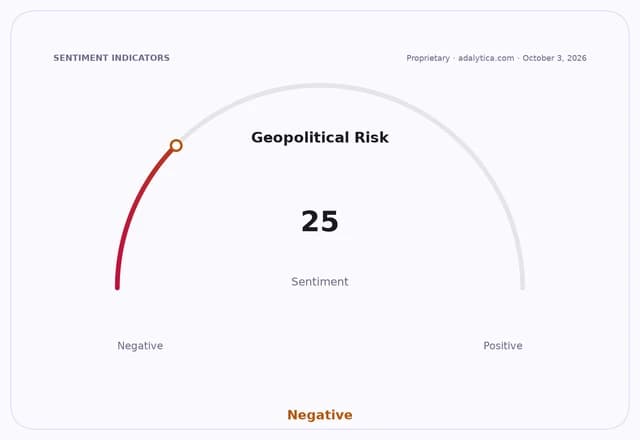
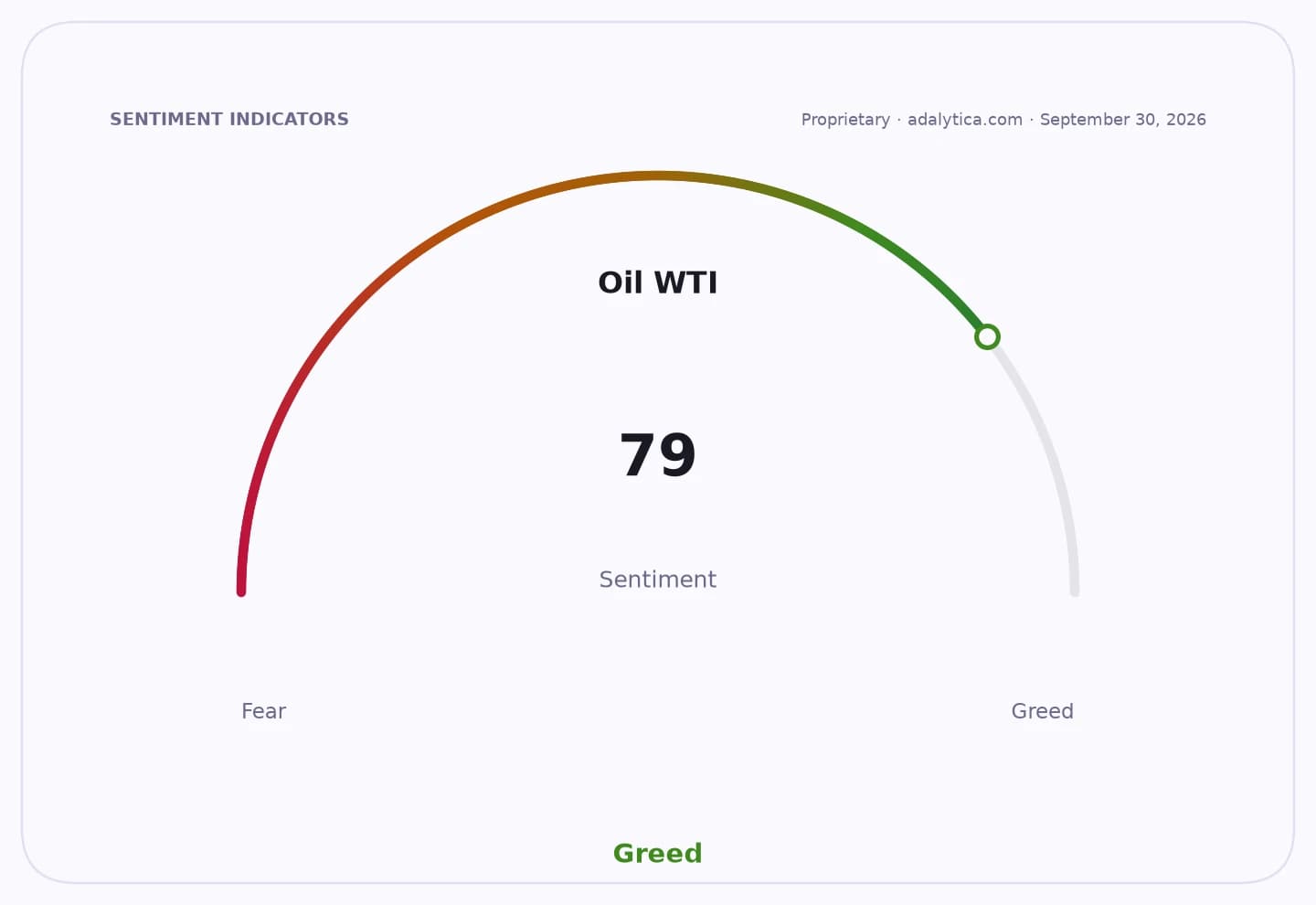
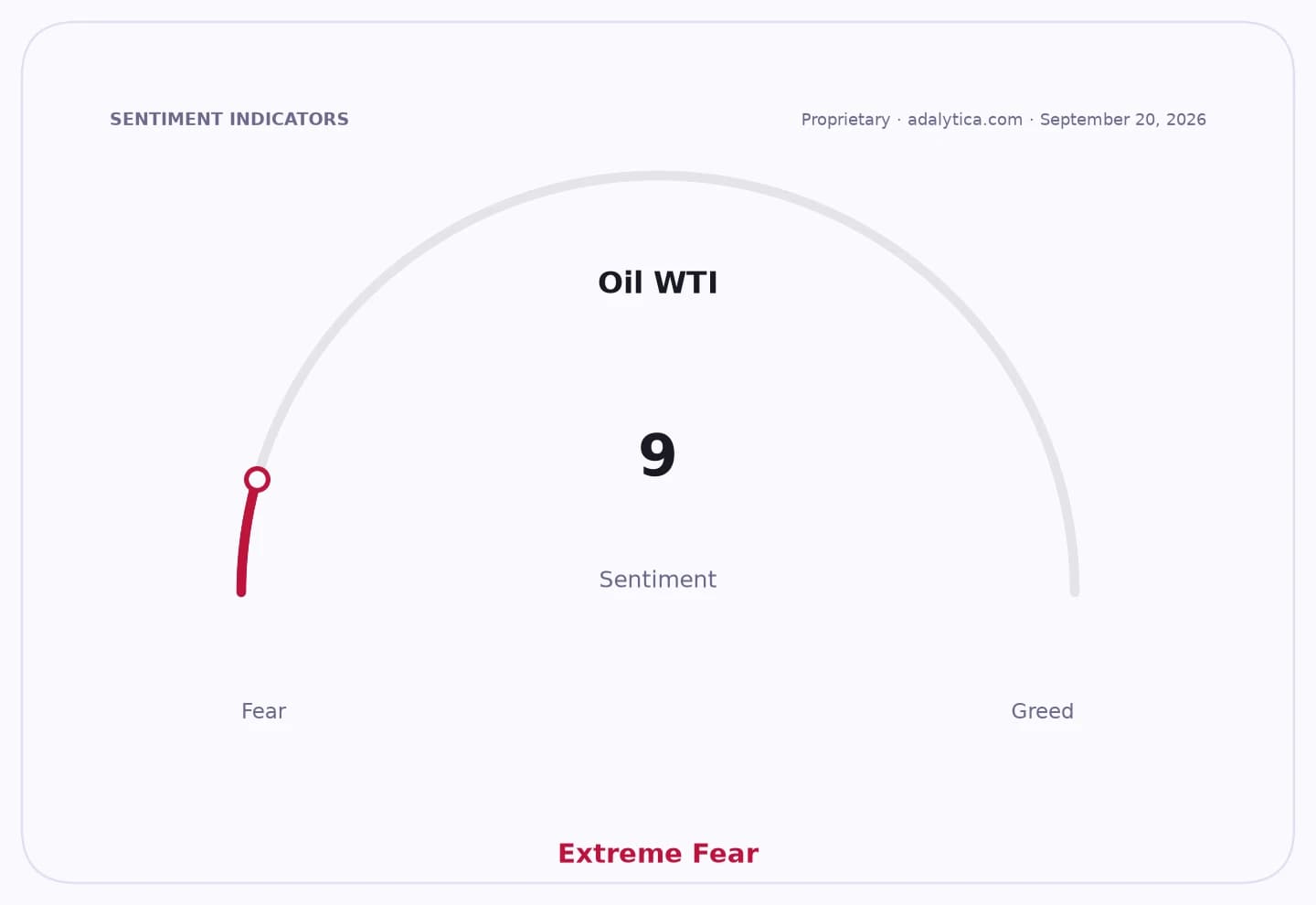
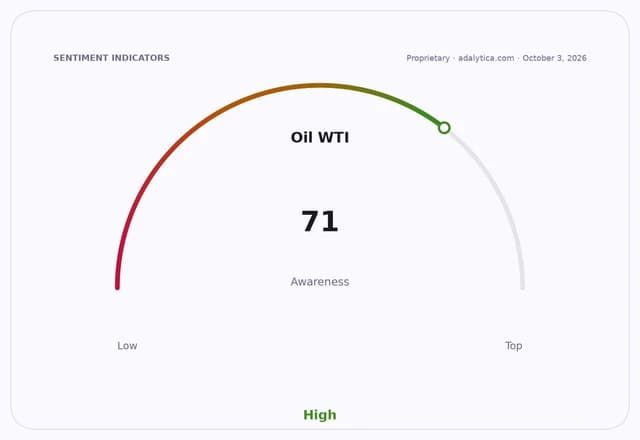
In trading terms, the backdrop is already sensitive. Brent and WTI have been volatile, with WTI recently around $91 a barrel, well above levels that typically reflect a calm supply outlook. Adalytica’s oil trade signal showed “neutral” sentiment but elevated awareness, while its global stability gauge sat in “fear,” underscoring how quickly the market is pricing geopolitical stress rather than fundamental oversupply. Aramco shares on Saudi markets were little changed in the latest session, but the stock had already slipped below its 50-day moving average, a technical sign that investors were becoming more cautious even before the latest fire report.
The economic stakes extend beyond one facility. Saudi Arabia’s role as a swing supplier means any confirmed production or export interruption can tighten physical markets, support refining margins and reverberate through shipping, insurance and petrochemical chains. If the damage is limited, the event may fade as another reminder of residual conflict risk. If it proves more serious, it could complicate Riyadh’s efforts to keep output stable while defending revenue and managing OPEC+ commitments.
The story also fits a broader pattern: Houthi forces in Yemen have repeatedly threatened or struck Saudi energy and transport assets, including facilities in Yanbu, Najran and tankers in the Red Sea, making Aramco a recurring target in a conflict that has spilled into global energy pricing. That keeps a geopolitical floor under crude even when the macro picture is mixed and US Treasury yields remain elevated.
For investors, the immediate question is whether the fire was an isolated operational accident or part of a larger security event with production consequences. Energy equities, oil-linked currencies and shipping names are likely to stay sensitive to any confirmation from Saudi authorities. If supply is unaffected, the premium could unwind quickly; if not, crude could test higher levels and reinforce the case for owning integrated producers and hedging against further Middle East disruption.
| Entity | Gains | Losses |
|---|---|---|
| Oil producers | ▲Higher crude prices | ▼Demand concerns if disruptions persist |
| Saudi Arabia / Aramco | ▲Sympathy support for pricing power if output holds | ▼Security costs, outage risk |
| Energy investors | ▲Hedge value, higher oil-linked returns | ▼Volatility, headline risk |
| Importers / refiners | ▲None | ▼Higher feedstock and freight costs |