Saudi Aramco has stepped in to manage deliveries directly to Asian refiners after Middle East security risks and shipper caution threatened to disrupt crude flows into the region’s biggest consuming markets.
Saudi Aramco Takes Over Asia Crude Deliveries
The move matters because it is not just a trading accommodation: it is a sign that physical oil logistics are being re-routed around geopolitical stress at a time when supply is already tight and buyers are hunting for barrels wherever they can find them. Saudi Arabia’s decision to sell 100 million barrels to customers in India, China, Japan and South Korea — roughly a day of global demand — gives Asian refiners a buffer against disruption even as tensions around the Strait of Hormuz keep insurance and freight risks elevated.
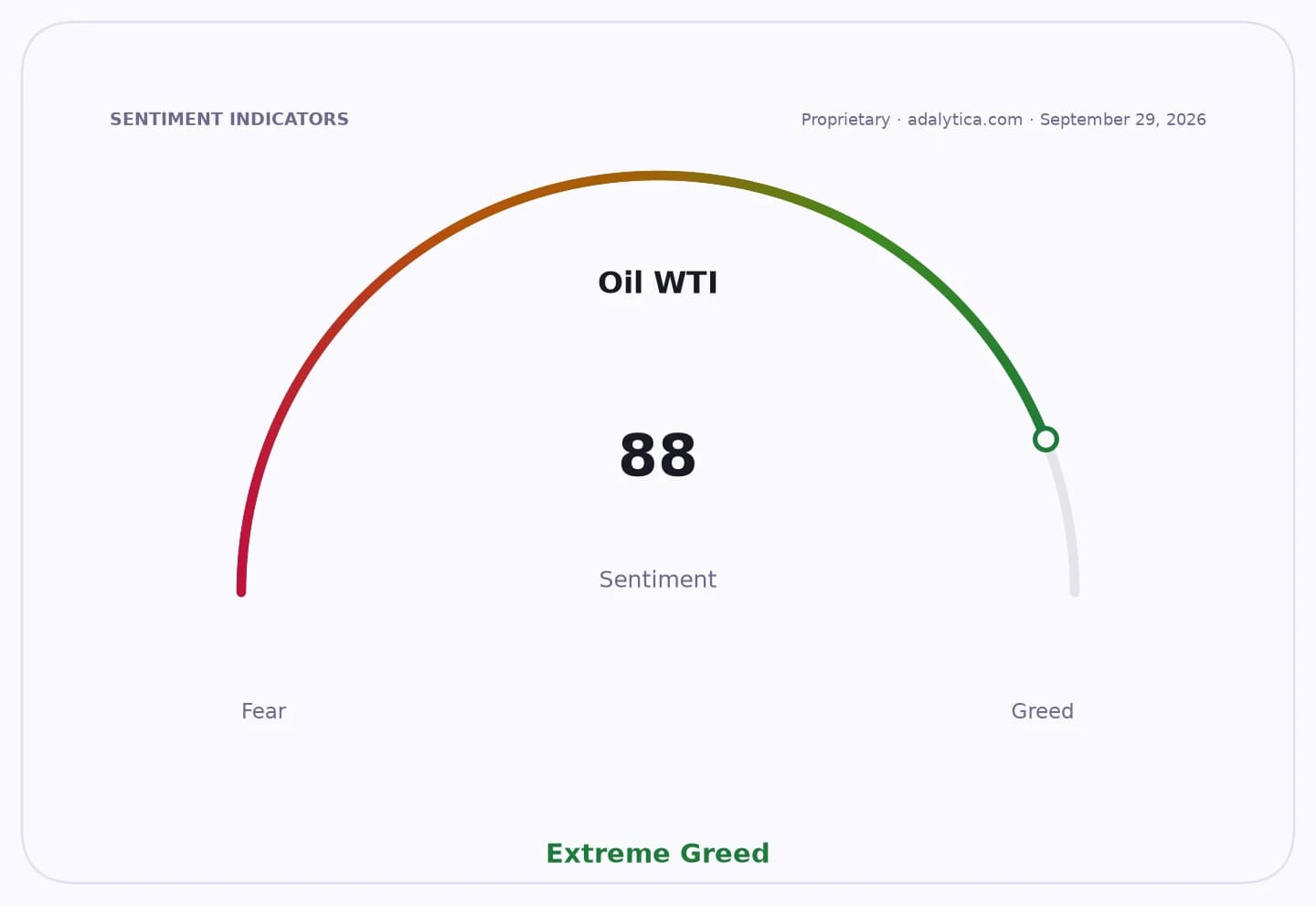
Sentiment IndicatorsⓘProprietary · adalytica.com · September 30, 2026
This is a snapshot — live sentiment, awareness and momentum for 130+ markets update continuously in the dashboard.Open AlphaPulse
The cargoes, scheduled for October and November delivery, include purchases by state-backed Chinese refiners and processors in India, Japan and South Korea. Aramco’s willingness to take on transport responsibility is notable because refiners have been reluctant to send their own ships into the Gulf amid conflict fears. That leaves the Saudi producer effectively underwriting the delivery chain, reducing the chance that physical barrels get stranded even if freight markets remain nervous.
The backdrop is a broader scramble for non-Iranian crude. U.S. sanctions have sharply curtailed Iranian supply, while rising political risk has pushed some buyers away from Russian barrels, intensifying competition for crude from the Middle East, Africa and Latin America. Iraq’s state marketer SOMO and traders including Vitol, TotalEnergies and Trafigura are also active in the Gulf, underscoring how supply chains are being reassembled to keep Asian fuel systems supplied.
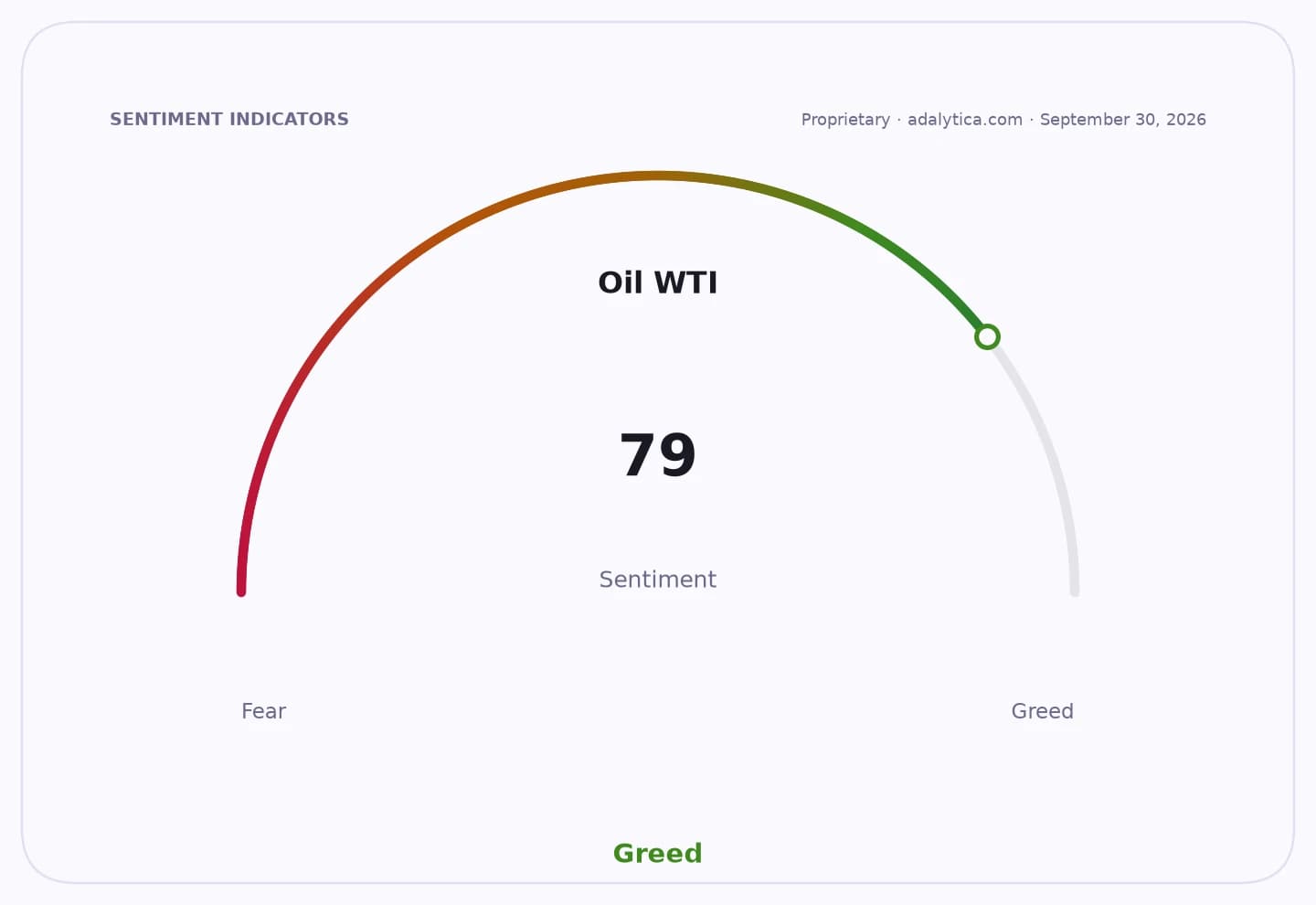
For investors, the story cuts both ways. A successful flow of Saudi crude into Asia helps refiners secure feedstock and limits the risk of a near-term supply shock that could further inflate diesel and gasoline prices. But it also reinforces a bullish floor under oil, because elevated geopolitical risk and higher logistics costs tend to support crude benchmarks and tanker rates. USO’s recent strength and the sharp rise in oil sentiment tracked by Adalytica underscore how quickly the market prices in Middle East disruption, even as WTI has remained volatile.
Saudi Arabia, for its part, benefits from preserving market share and reinforcing its role as the swing supplier to Asia. The bear case is that any renewed escalation in the Gulf could still interrupt shipping lanes, especially through Hormuz, where the physical route for these barrels will pass. If that happens, the current arrangement may prove only a temporary fix rather than a durable solution.
For now, the key message for energy markets is that Saudi Arabia is not waiting for shipping confidence to recover on its own. By taking logistics into its own hands, Aramco is trying to ensure Asian refiners get the crude they need — and signaling that in a crisis, delivery capability is becoming as important as production capacity.
| Entity | Gains | Losses |
|---|---|---|
| Saudi Aramco | ▲Preserves Asian sales | ▼Bears logistics risk |
| Asian refiners | ▲Secured crude supply | ▼Higher freight uncertainty |
| Oil bulls | ▲Stronger price floor | ▼Limited downside relief |
| Shippers/refiners without own fleets | ▲Fewer delivery delays | ▼Less bargaining power |