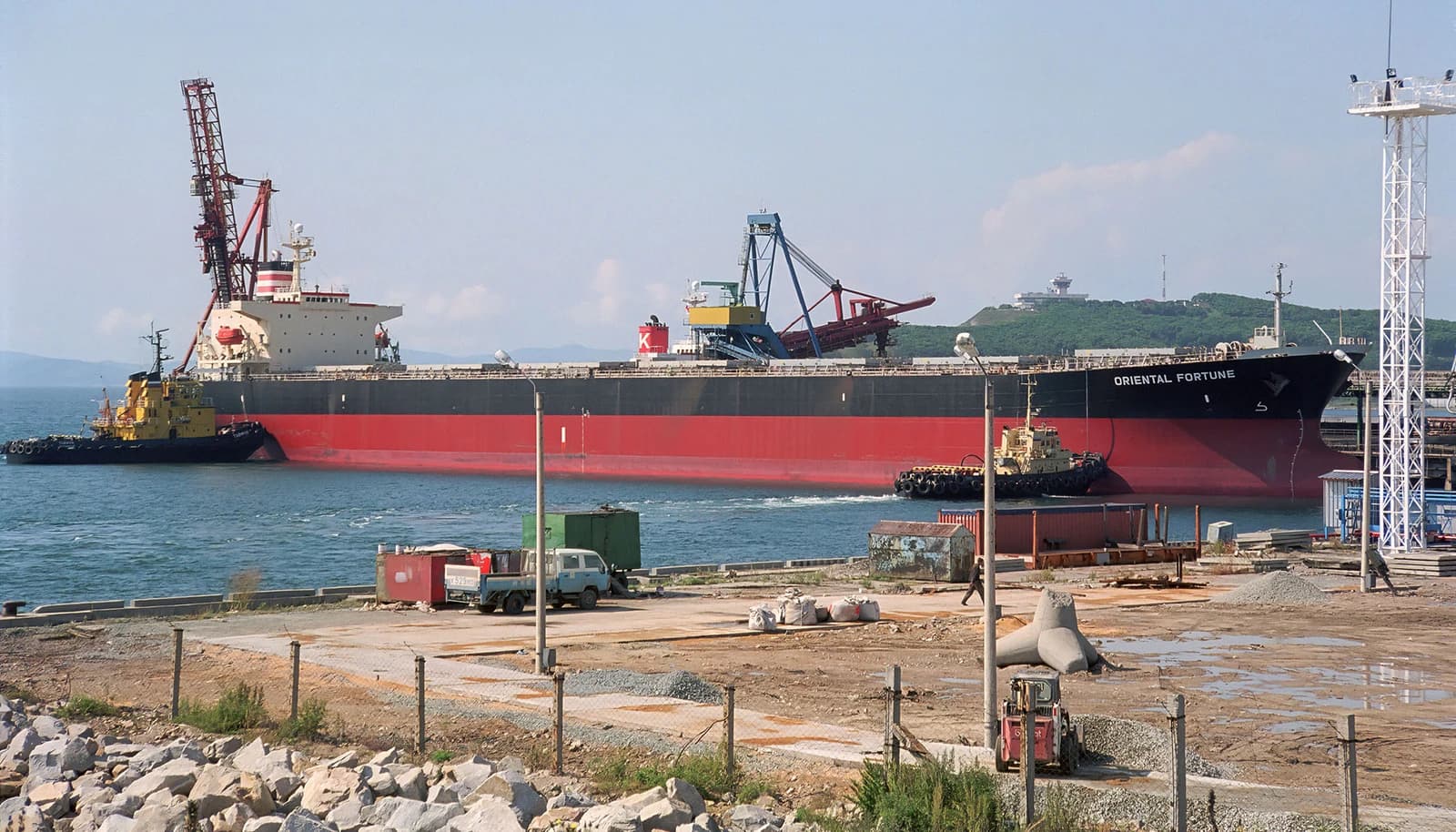
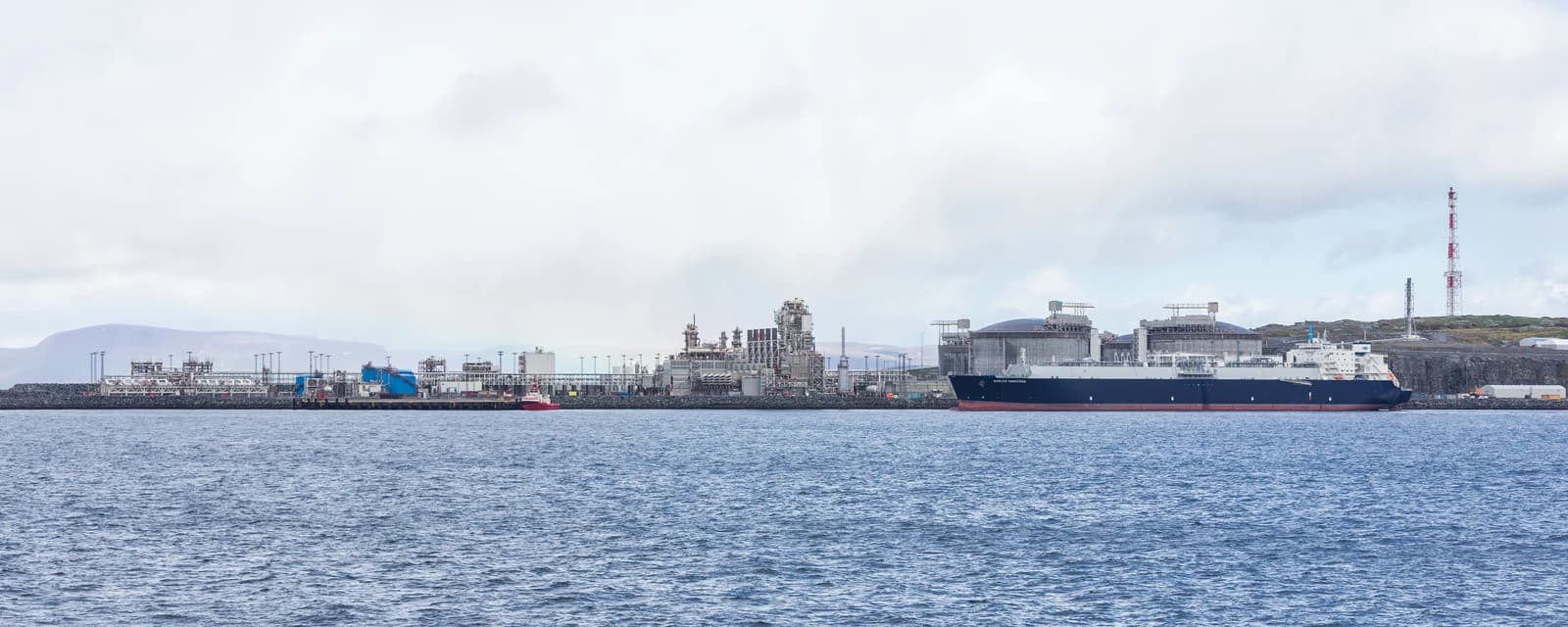
Europe’s jet fuel shortage is turning South Korea into a key alternative supplier, giving Korean refiners a rare export opportunity while tightening fuel markets in the region and lifting downstream margins for refiners able to move barrels long haul.
South Korea Boosts Jet Fuel Exports to Europe
The shift matters because aviation fuel is one of the most trade-sensitive refined products, and Europe’s dependence on Middle East supply has been disrupted by conflict and shipping risk around the Strait of Hormuz. With Middle East cargoes constrained, European buyers are paying up for replacement barrels from farther afield, allowing Korean refiners to absorb higher freight costs and still make money on the arbitrage.
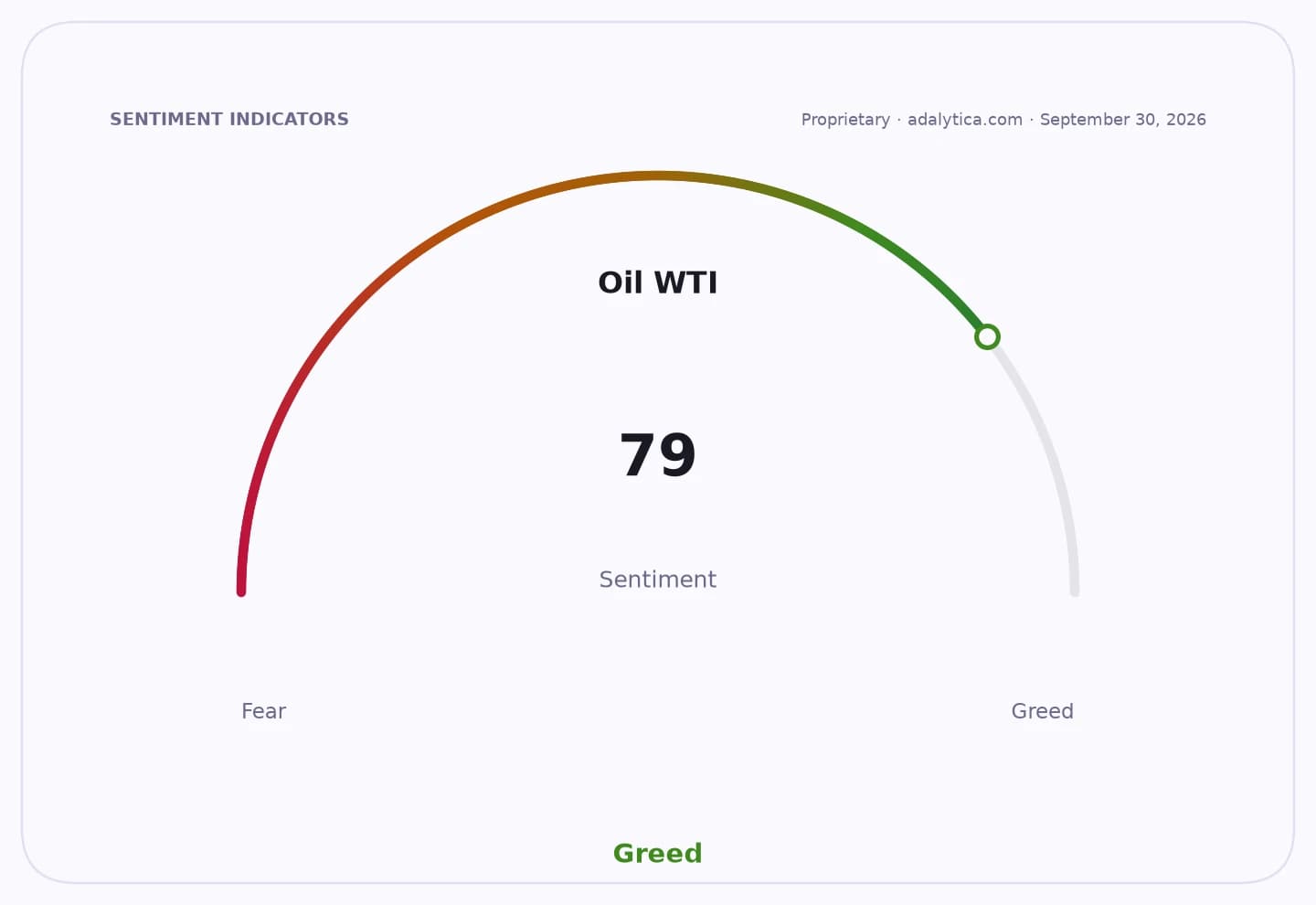
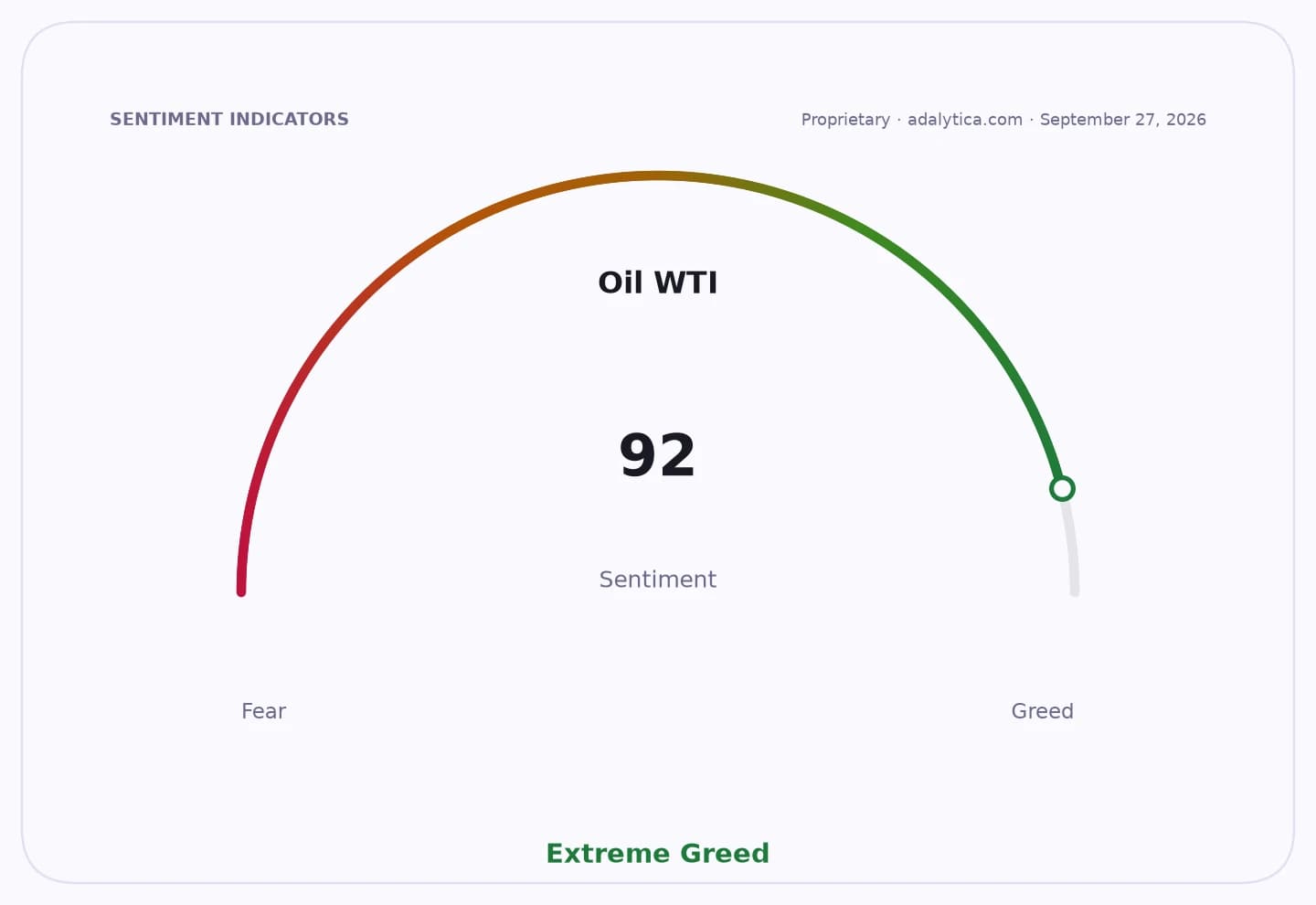
Sentiment IndicatorsⓘProprietary · adalytica.com · September 27, 2026
This is a snapshot — live sentiment, awareness and momentum for 130+ markets update continuously in the dashboard.Open AlphaPulse
Kpler data show Europe imported an average 129,000 barrels a day of Korean jet fuel in September, the most since October 2022. If that pace held for a full month, it would amount to about 3.87 million barrels, or 2.6 times last year’s average monthly Korean jet fuel shipments to Europe of 1.5 million barrels.
The rerouting comes as European supply remains structurally tight. Energy Aspects expects the region’s jet fuel deficit to reach about 510,000 barrels a day in the fourth quarter, after a 600,000-barrel-a-day shortfall in the third quarter. At the same time, the Asia-Pacific region is seen running a surplus of 419,000 barrels a day, creating a trade flow from Asia into Europe.
Inventory levels leave Europe exposed. Jet fuel stocks in Europe were down to 38 million barrels in early June, well below the 99 million barrels held in the United States, and the ARA hub’s jet fuel inventories hit a seven-year low of 454,000 tons on Sept. 10 before edging higher.
South Korean refiners are in position to capture the gap because production has rebounded sharply. Domestic jet fuel output reached 13.89 million barrels in July, the highest in seven years, while refinery crude runs climbed to 2.7 million barrels a day from 2.18 million in April. That boosted exportable supply and helped South Korea expand its role as a major Asian jet fuel supplier.
The pricing backdrop also supports the trade. European jet fuel is stronger than Asian prices, and that spread is wide enough to cover the extra shipping cost from Korea to Europe. For refiners, that means the route can be profitable rather than just emergency supply.
The bigger investor takeaway is that the disruption may diversify Korea’s refined-products export map beyond its usual Asian outlets. If Europe’s deficit persists into the fourth quarter, Korean jet fuel could become a repeat trade rather than a one-off cargo, supporting utilization rates and downstream earnings for refiners such as S-Oil, GS Caltex, SK Energy and HSKI-linked peers in the region.
Still, the trade depends on how long Middle East flows stay impaired and whether Europe-Asia price spreads remain wide enough to offset freight. If supply normalizes or margins narrow, the new route could fade quickly.
| Entity | Gains | Losses |
|---|---|---|
| South Korean refiners | ▲Higher export volumes | ▼Limited spare capacity if margins compress |
| European airlines | ▲Alternative supply source | ▼Higher jet fuel costs |
| Middle East exporters | ▲— | ▼Lost market share to Asia and North America |
| Freight operators | ▲More long-haul cargo demand | ▼— |