Europe’s benchmark gas price jumped at the open in Amsterdam on Thursday as the standoff over the Strait of Hormuz kept global LNG flows constrained and buyers scrambled to secure winter supply.
Europe gas prices rise as Hormuz supply stays tight
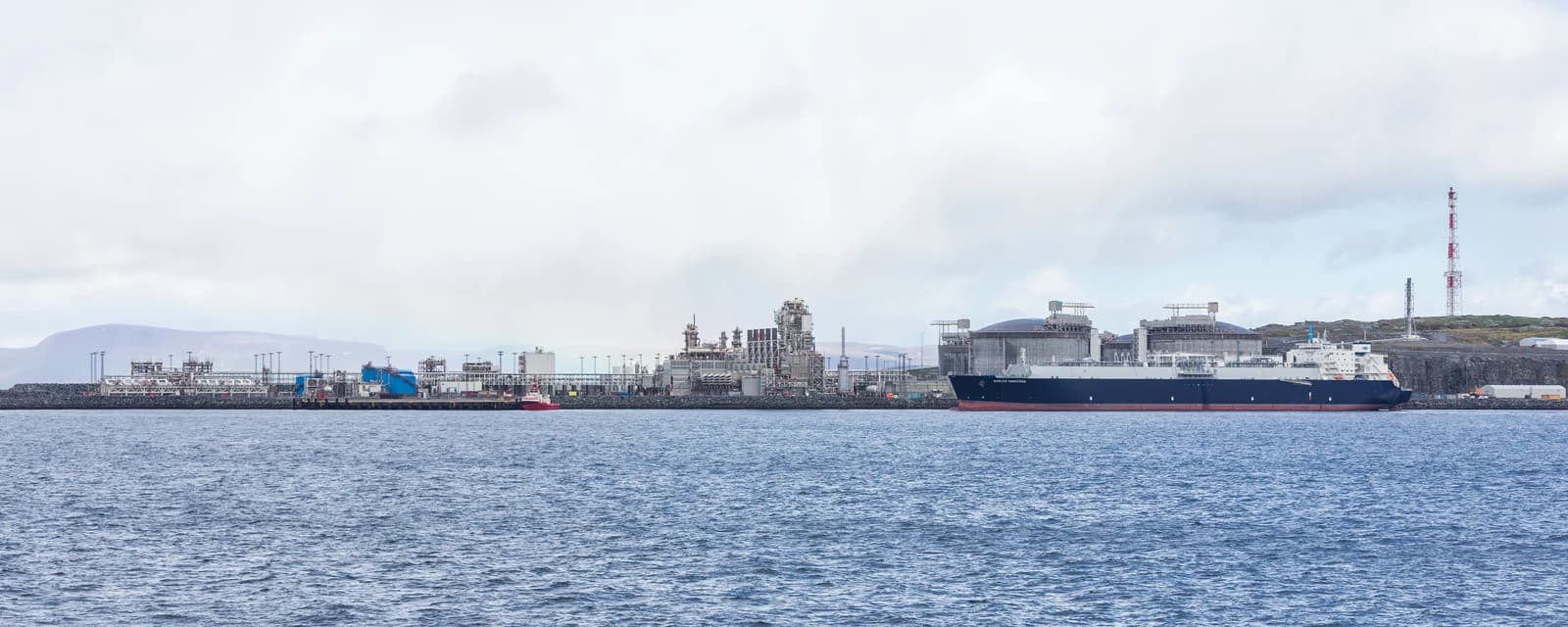
The front-month contract at the Dutch Title Transfer Facility, Europe’s gas benchmark, rose as much as 4% before easing, and was still up 3% at $84.30 per megawatt-hour by mid-morning. The move underscores how the Middle East chokepoint has become the key driver of European gas pricing just as the region heads into the winter storage season.
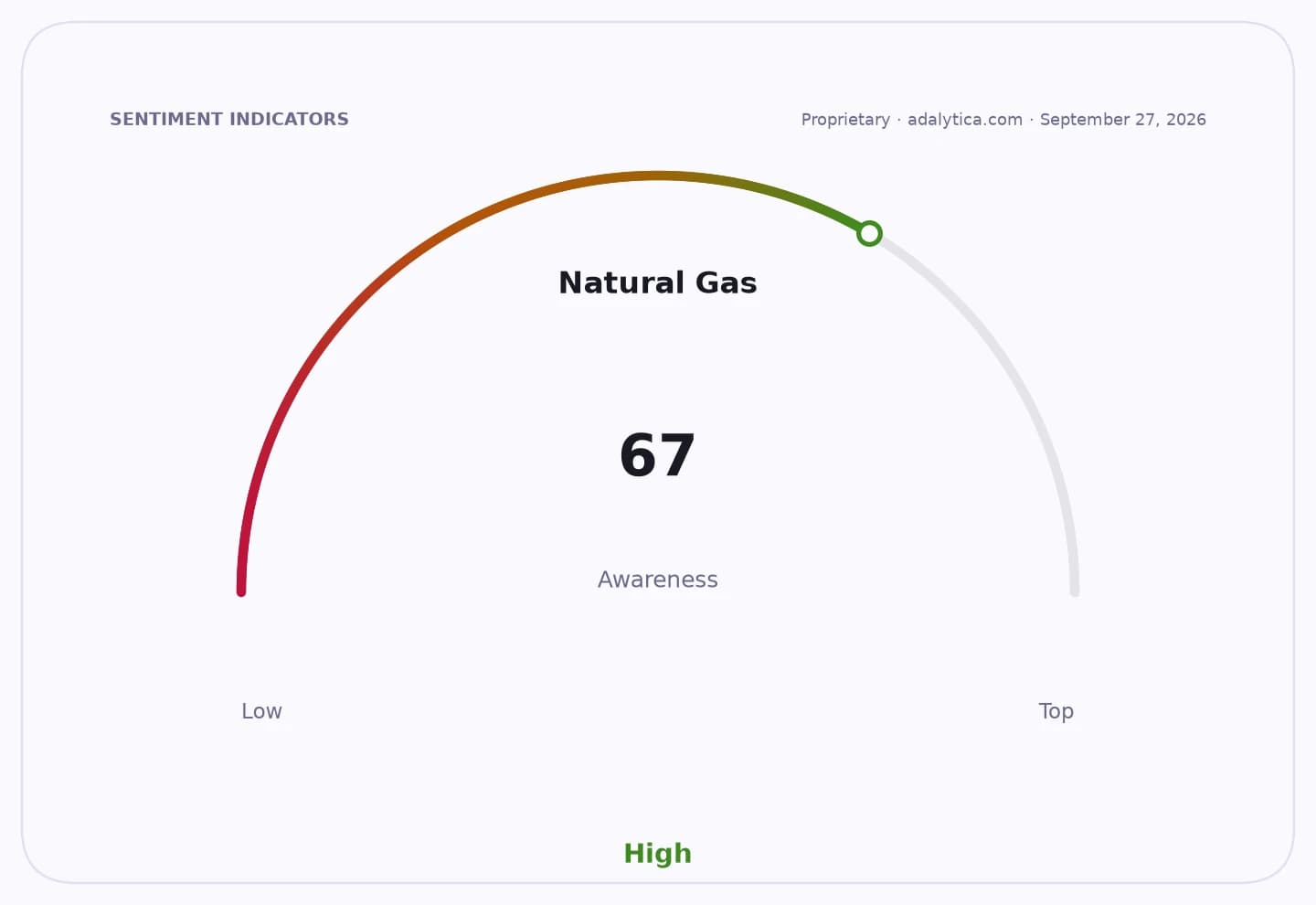
Sentiment IndicatorsⓘProprietary · adalytica.com · September 29, 2026
This is a snapshot — live sentiment, awareness and momentum for 130+ markets update continuously in the dashboard.Open AlphaPulse
The rally matters because Europe is still trying to refill storage after years of reduced Russian pipeline flows, leaving the market more exposed to any disruption in LNG imports. Prices have already touched $93 per MWh this month, the highest since January 2023, when Europe was enduring its first winter without most Russian gas supply.
The immediate catalyst is the lack of progress between the United States and Iran on ending the conflict and restoring shipments through Hormuz. While some cargoes from Qatar and the United Arab Emirates have continued to move, they are not enough to offset the broader squeeze, and the market remains focused on how much LNG is actually leaving the Middle East.
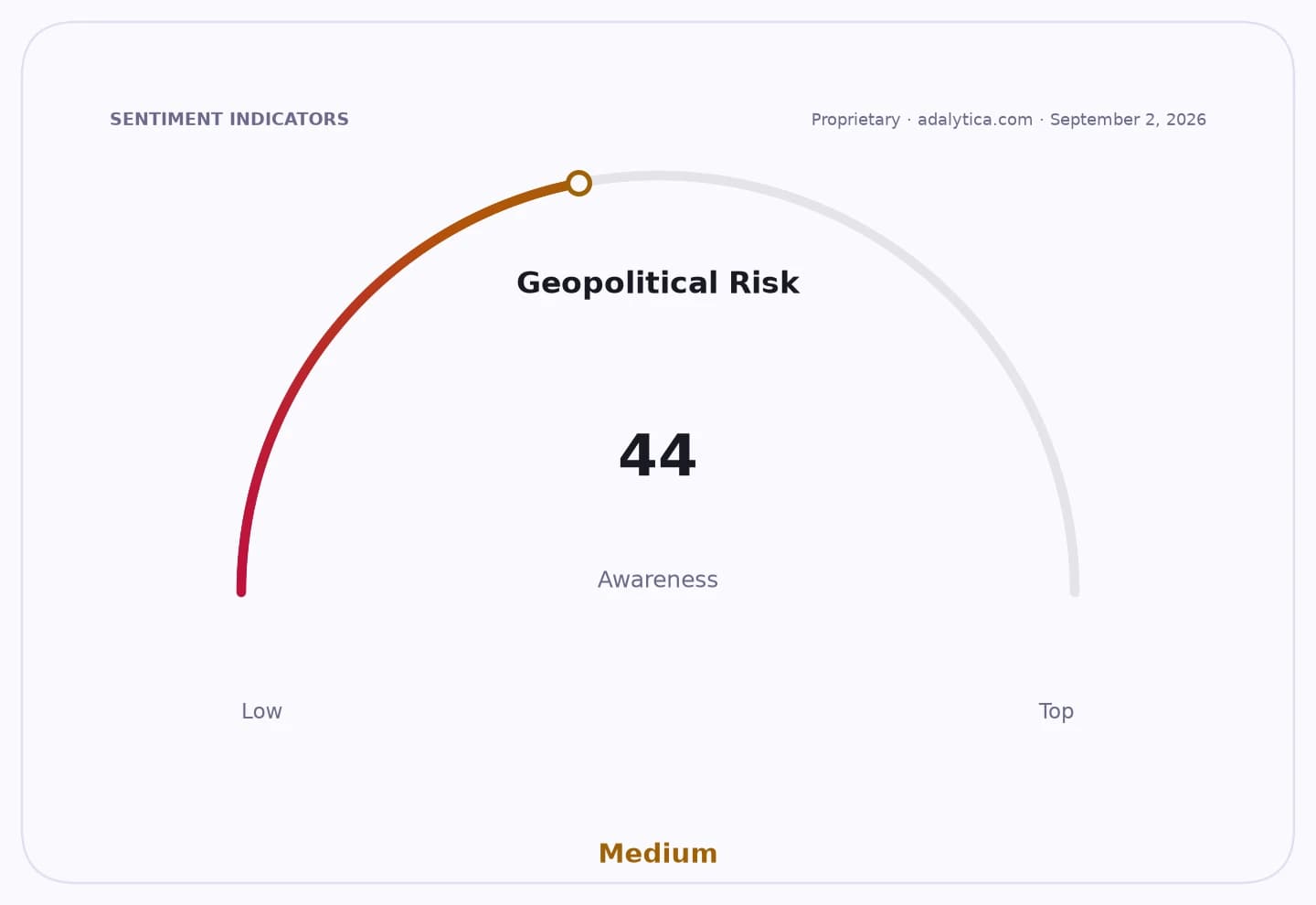
Geopolitical Risk — 30-day sentimentadalytica.com
Explore this data interactively — full history, time series and cross-market comparisons.Open AlphaPulse
That supply stress is rippling well beyond Europe. Choked flows from the region over the past six months have pushed gas prices in both Asia and Europe to their highest levels since the 2022-2023 energy crisis, as buyers compete for limited cargoes that do not need to pass through the strait.
Fitch Ratings on Tuesday raised its TTF gas assumptions for this year and next, saying disruptions through Hormuz account for about 20% of global LNG supply before the conflict. It also said EU gas storage is only about two-thirds full, enough to avoid immediate winter shortages but well below the 80%-90% levels seen around this time in recent years.
For investors, the move keeps European utilities, LNG exporters and energy-heavy industries under pressure while supporting the case for higher gas-linked earnings for producers and traders. It also raises the risk of renewed volatility across European power prices and inflation expectations if the shipping route stays constrained into the winter months.
The next catalyst is whether the diplomatic contacts in New York this week produce any sign of progress, or whether the supply squeeze deepens further if more LNG cargoes are delayed or diverted.
| Entity | Gains | Losses |
|---|---|---|
| LNG producers outside Hormuz | ▲Higher realized prices | ▼ |
| European gas traders | ▲Volatility and trading spreads | ▼Industrial gas buyers |
| EU utilities | ▲ | ▼Higher fuel costs |
| Energy-intensive manufacturers | ▲ | ▼Margin pressure |