Spain’s plan to stop buying Russian liquefied natural gas from Jan. 1 adds another layer to Europe’s long-running effort to sever energy ties with Moscow, and it does so in a market that is still unusually tight and politically fragile.
Spain Plans to Stop Buying Russian LNG
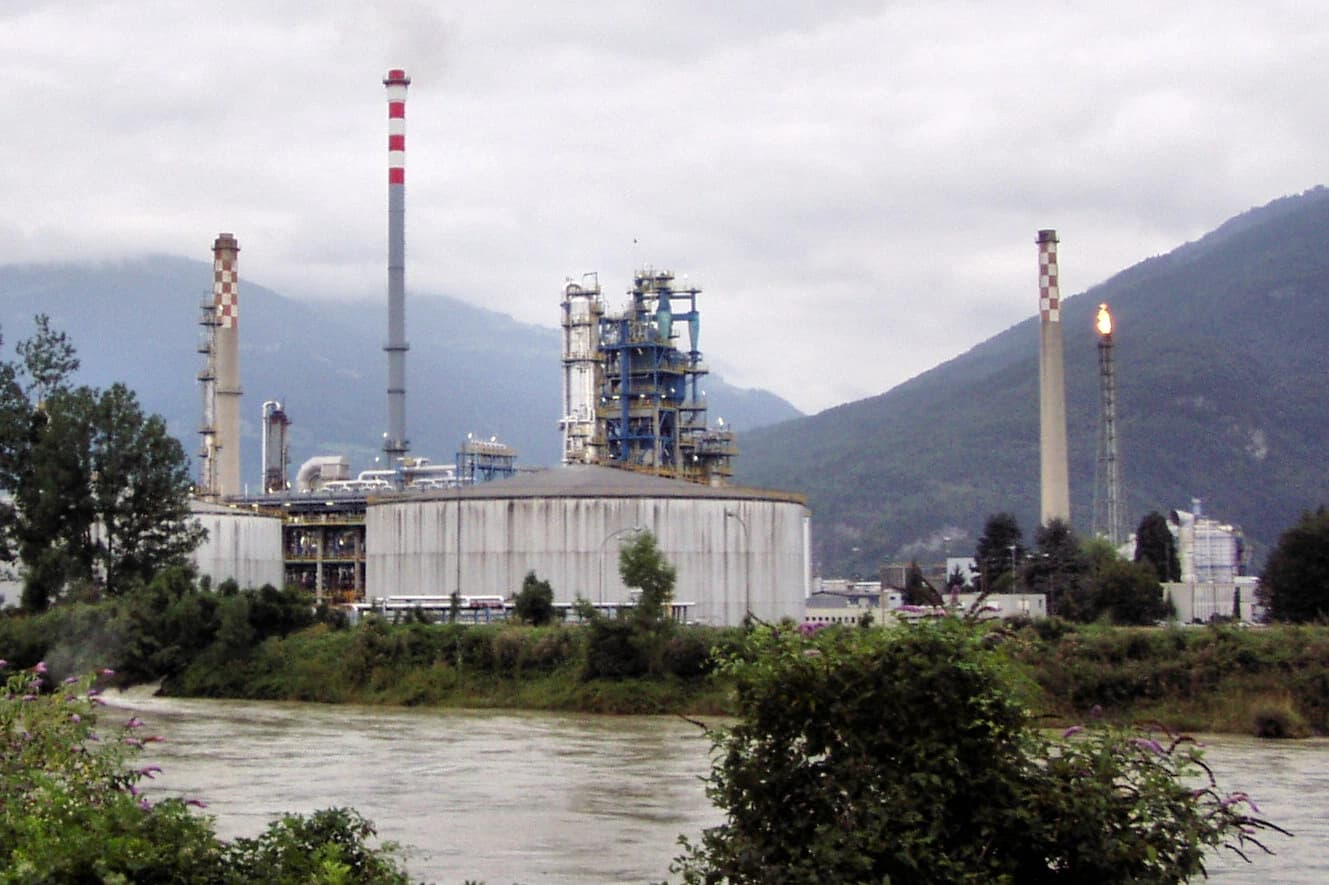
The move matters economically because LNG is no longer just a commodity trade; it is a strategic supply chain. Europe’s pivot away from Russian molecules has already redirected cargoes toward the U.S., Qatar and other Atlantic Basin suppliers, supporting investment in liquefaction, shipping and regasification capacity. Spain’s decision narrows the outlet for Russian gas, even as Moscow continues to look for buyers in Asia and other willing markets. For Europe, it is another step toward energy security. For Russia, it is another erosion of hard-currency export leverage.
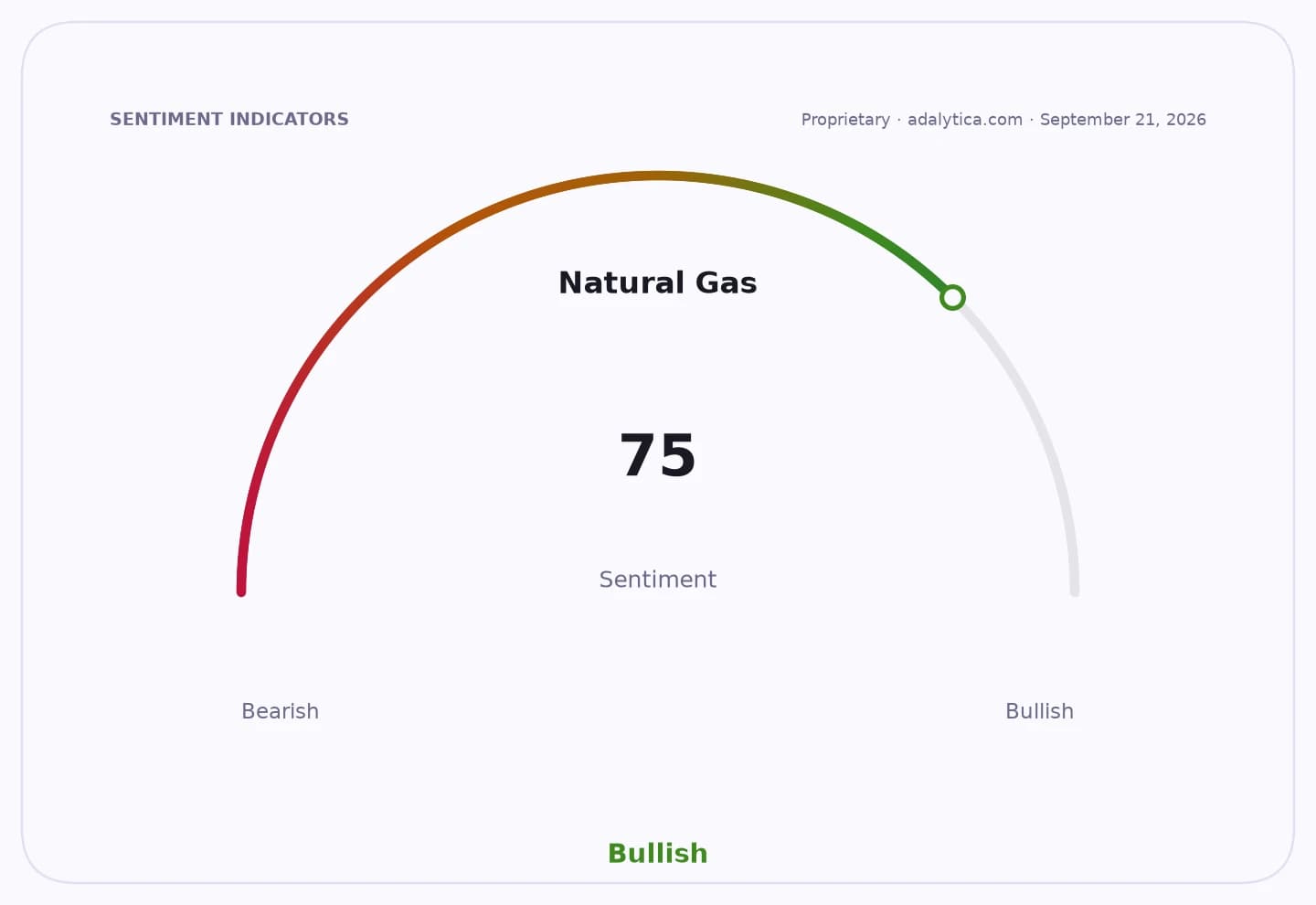
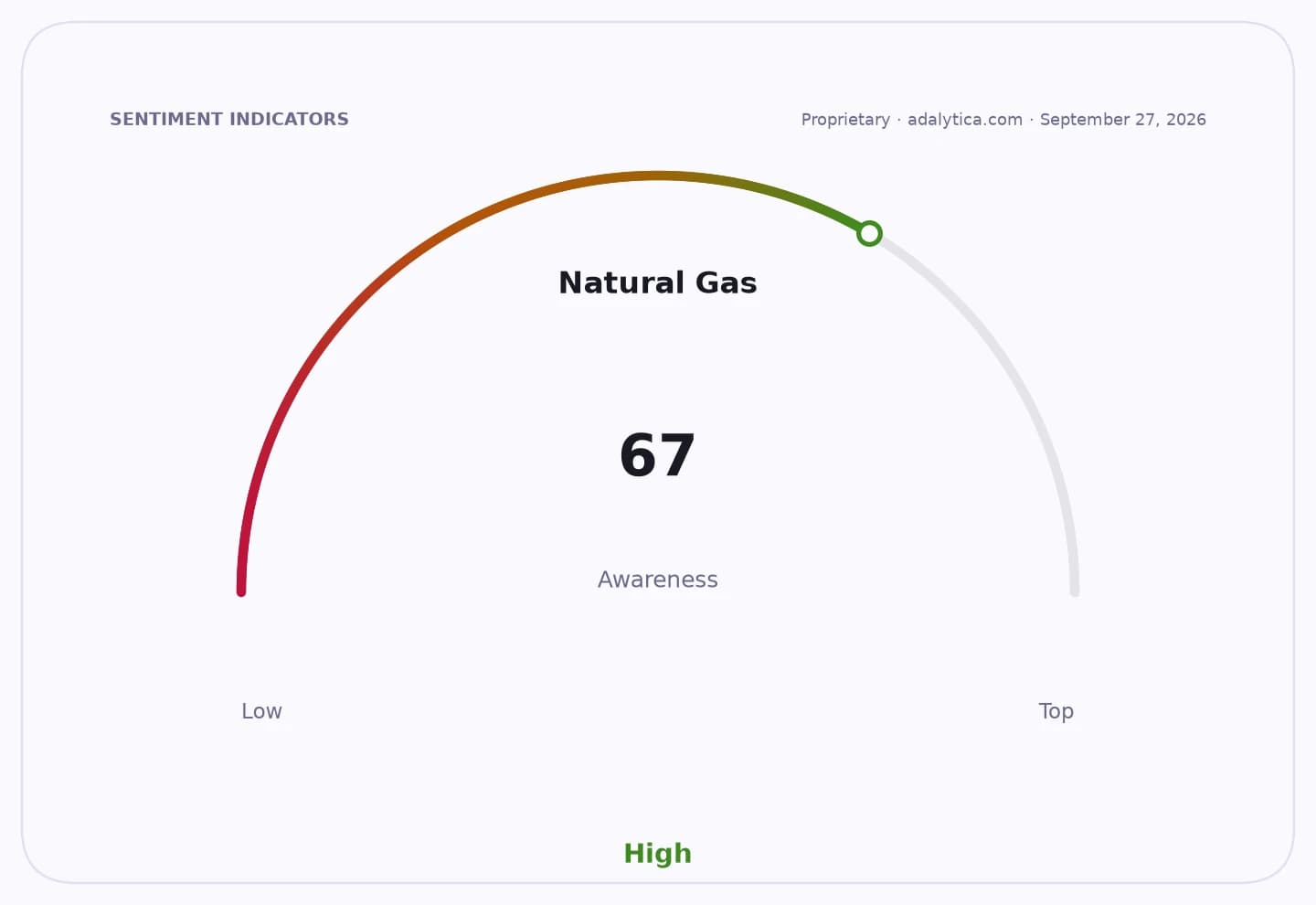
Sentiment IndicatorsⓘProprietary · adalytica.com · September 27, 2026
This is a snapshot — live sentiment, awareness and momentum for 130+ markets update continuously in the dashboard.Open AlphaPulse
For investors, that is bullish for the infrastructure and supply names sitting on the other side of the trade. U.S. LNG exporters such as Cheniere Energy are still operating in a market where the benchmark Henry Hub futures contract is around $3.22 per MMBtu, well below this year’s peaks, but the geopolitical bid for flexible LNG remains intact. Cheniere shares have held near $268, comfortably above the 200-day moving average, while the broader energy ETF XLE has also stayed firm around $62, reflecting continued cash-generation in the sector. The market is underestimating how much policy-driven demand can matter for long-duration LNG terminals and shipping contracts.
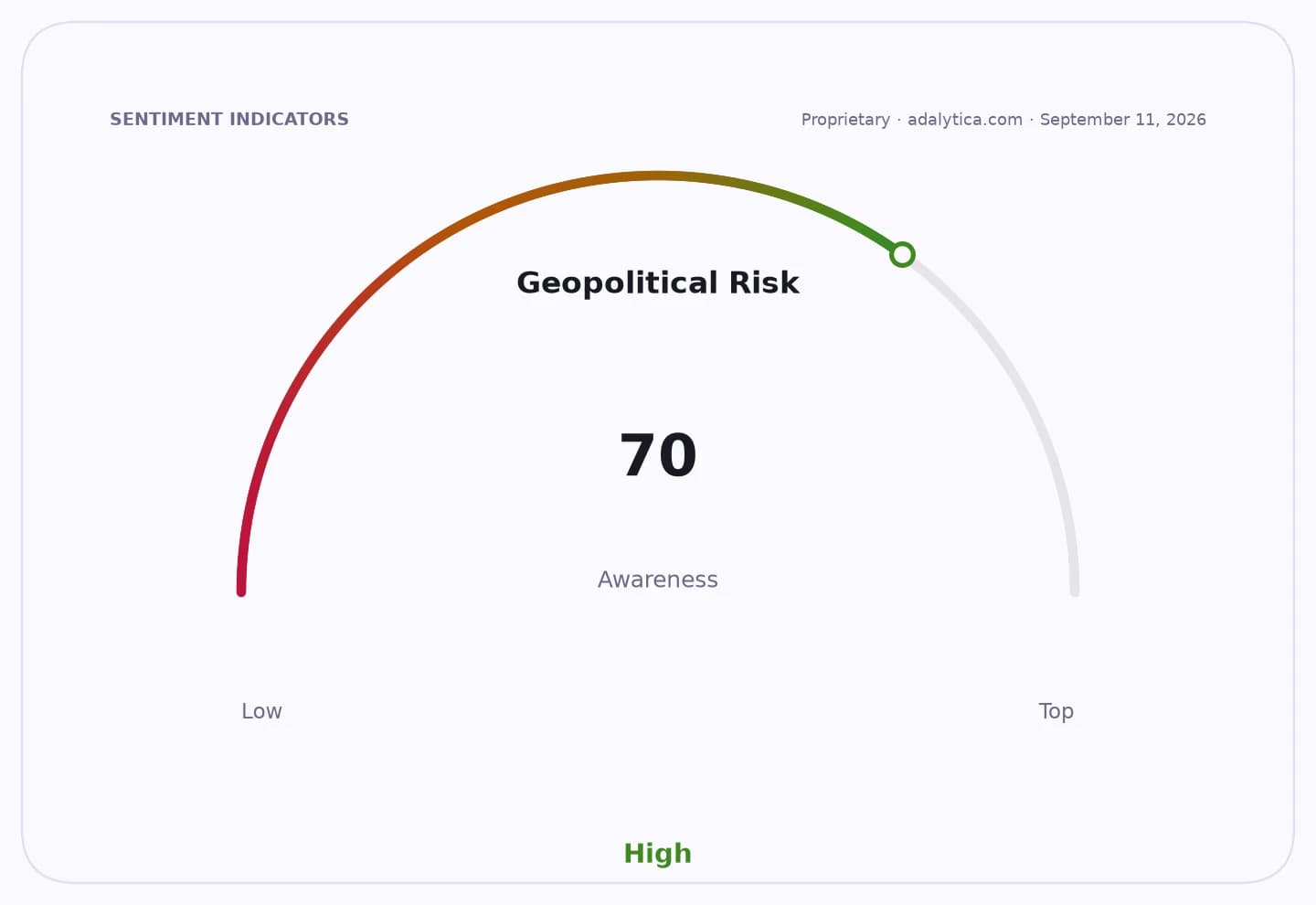
What makes this moment especially important is that Spain is not acting in a vacuum. Europe’s gas market remains sensitive to disruptions, and the global backdrop is still supportive of LNG as a strategic asset class. Adalytica’s geopolitical gauge is flashing “Extreme Greed” on global stability, while LNG market sentiment remains in “Extreme Fear,” a gap that often shows up when policy shifts are more powerful than near-term price action. In plain English: the market is still treating LNG like a cyclical fuel, while governments are treating it like a security asset.
Geopolitical Risk vs NG=Fadalytica.com
Explore this data interactively — full history, time series and cross-market comparisons.Open AlphaPulse
That divergence is where the opportunity sits. If Spain follows through, Russian LNG loses another important foothold in Europe, and the vacuum has to be filled by someone. That means more demand for Atlantic Basin cargoes, more value for export terminals, and more leverage for companies with contracted volumes and global reach. It also reinforces the case for owning the picks-and-shovels around LNG rather than trying to trade the commodity itself.
The next catalyst is whether other European buyers move to formalize similar restrictions, and whether utilities and traders accelerate long-term contracts before winter demand tightens again. If that happens, the winners are the exporters, shipping owners and infrastructure developers with spare capacity. The losers are Russian producers and any investors still betting that Europe will quietly normalize energy ties with Moscow.
| Entity | Gains | Losses |
|---|---|---|
| Spain / EU buyers | ▲Energy security | ▼Cheaper Russian supply |
| U.S. LNG exporters | ▲Higher cargo demand | ▼Less market slack |
| Russian LNG producers | ▲— | ▼Lost European sales |
| LNG infrastructure firms | ▲More terminal investment | ▼Idle capacity risk |