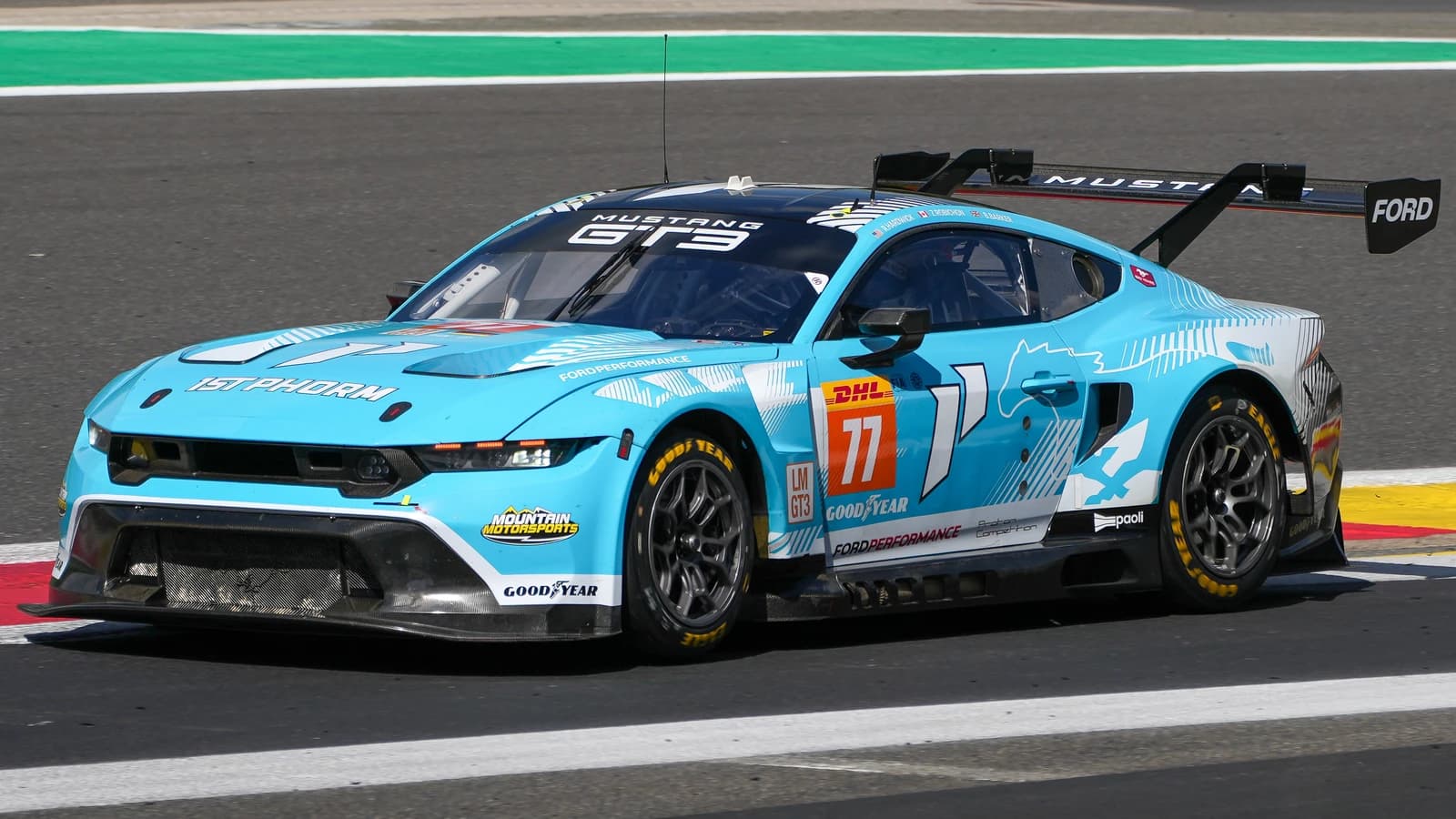
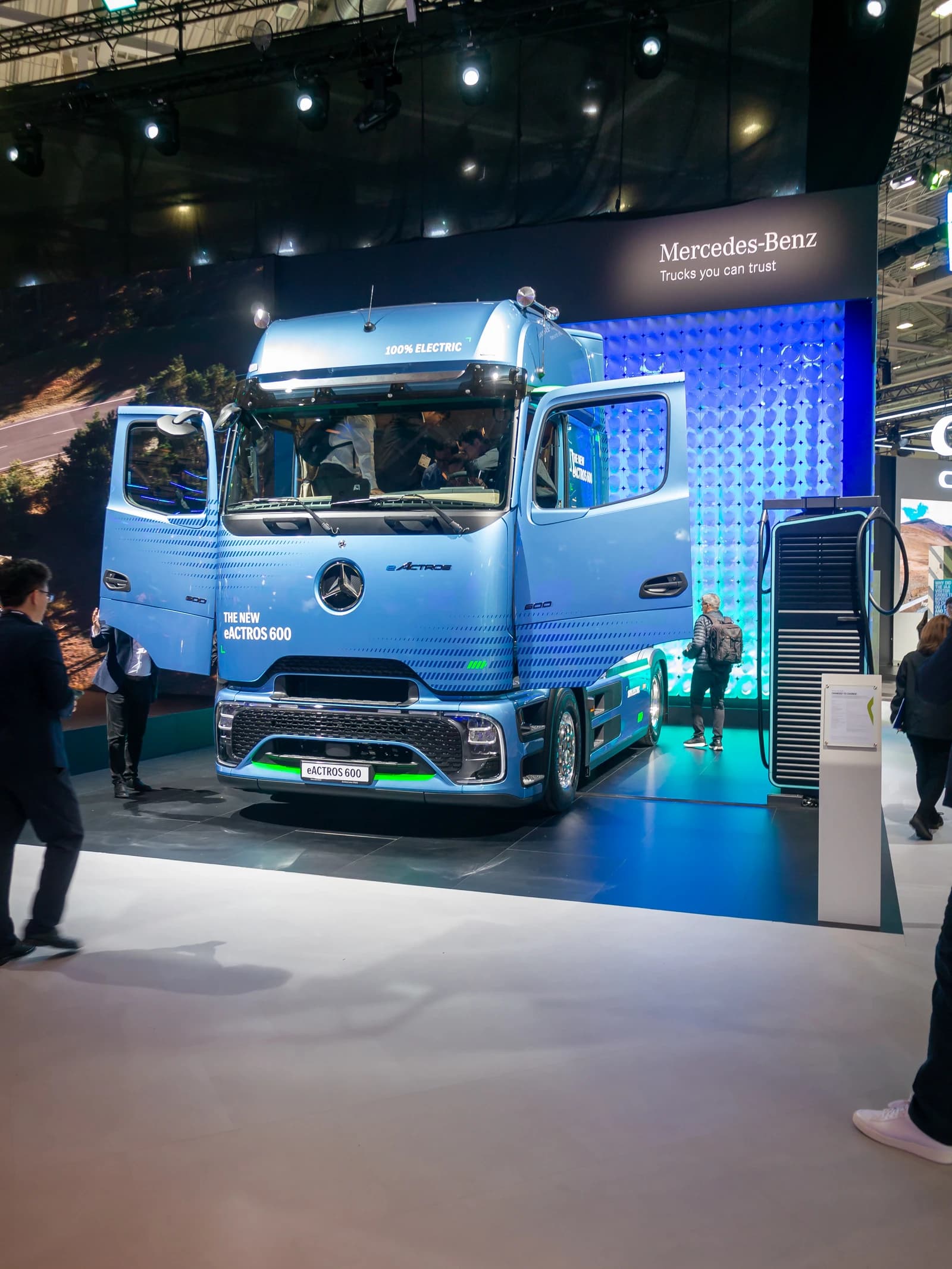
Hyundai Motor is on track to pass Ford Motor in U.S. vehicle sales for the first time, a milestone that reflects how hybrid demand and supply disruptions are reshaping the world’s biggest auto market.
Hyundai on track to pass Ford in U.S. sales
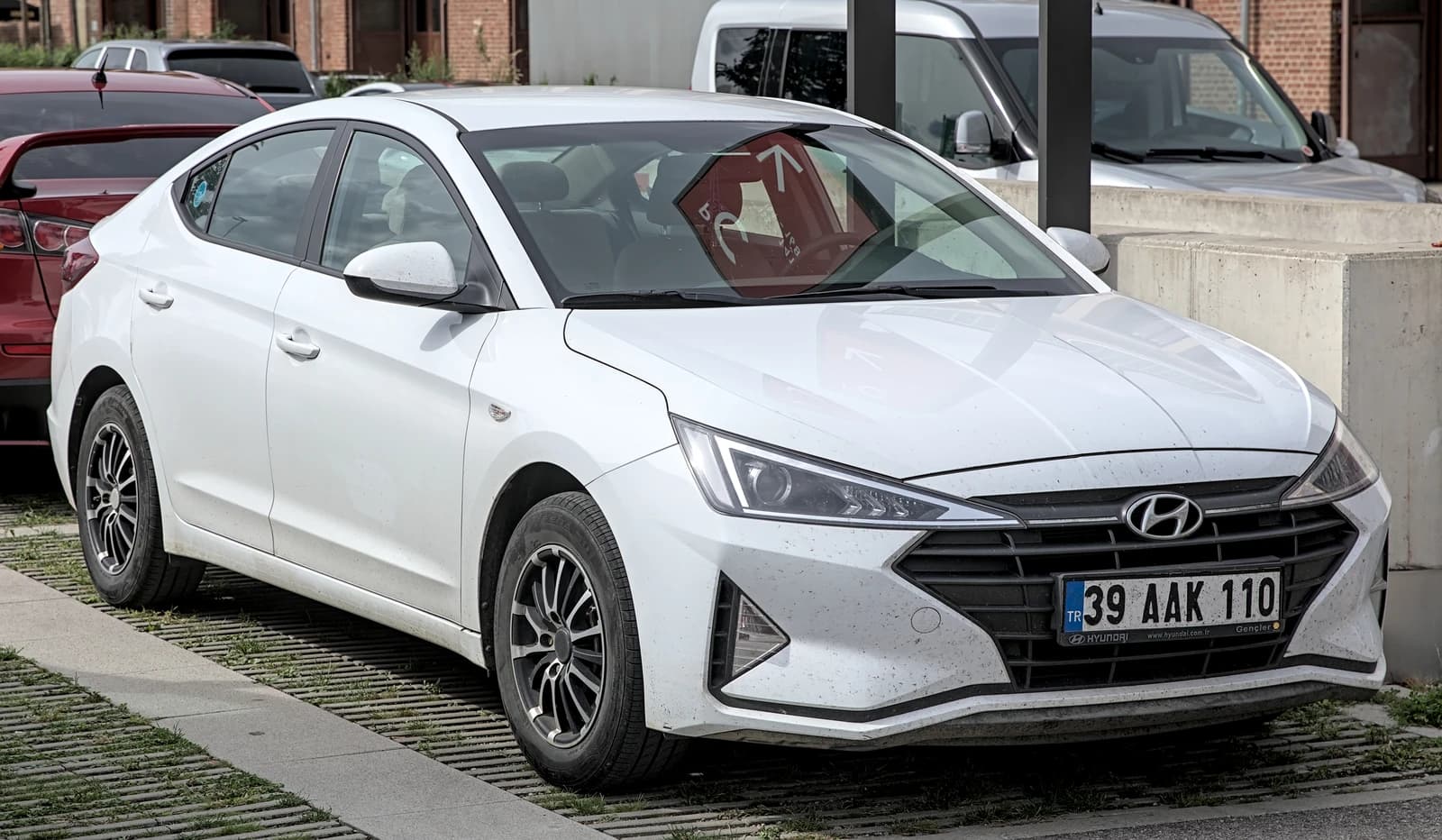
Cox Automotive said Hyundai is expected to post a 6.5% rise in third-quarter U.S. sales to 511,421 vehicles, enough to edge past Ford’s projected 504,172 units, down 7.1%. The Korean automaker would move into third place among U.S. automakers behind General Motors and Toyota, underscoring how quickly the competitive balance is shifting.
Sentiment IndicatorsⓘProprietary · adalytica.com · September 30, 2026
This is a snapshot — live sentiment, awareness and momentum for 130+ markets update continuously in the dashboard.Open AlphaPulse
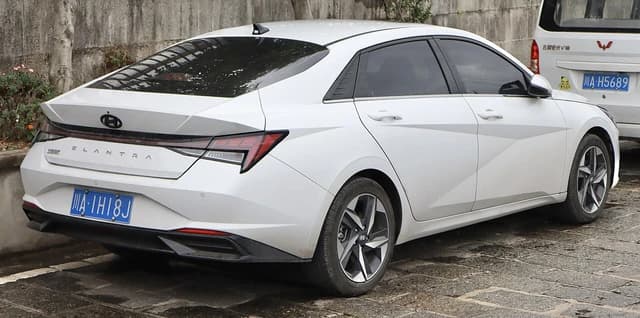
The crossover matters because the U.S. market has held up better than expected this year, giving automakers with the right mix of products an opening to take share. Cox raised its 2026 U.S. sales forecast by about 2% to 16.1 million vehicles, reflecting a market that is proving more resilient despite affordability pressure and uneven demand.
For Hyundai, the gains point to a strategy that is working. The company, which includes Genesis and is tied to Kia, has expanded its U.S. footprint by leaning into vehicles buyers want now, while Ford has been wrestling with production issues in its crucial F-Series pickup line after supplier fires disrupted output and deliveries.

Hyundai chief executive Jose Munoz said overtaking Ford is not a specific target, but called it a byproduct of product focus and execution. That message lands in a market where dealers and consumers are rewarding availability, pricing and fuel efficiency over legacy brand strength alone.
The shift also highlights how hybrids are becoming a bigger battleground. Cox said Ford and GM are losing sales momentum partly because their hybrid lineups are still limited relative to demand, especially as high gasoline prices keep buyers interested in more efficient models. GM currently offers a hybrid only on the Corvette, while Ford has hybrids including the Maverick and F-150.
That trend has broader implications for Detroit’s biggest names. With the U.S. average gasoline price at $4.48 a gallon, demand is favoring hybrids over large trucks and SUVs, the core profit engines for Ford, GM and Stellantis. The companies have also been moving back toward bigger V8 engines after the Trump administration eased emissions and fuel-economy rules, a bet that may help on margins but not necessarily on unit share.
Toyota is also closing in on GM, with Cox projecting a 2.2% rise in third-quarter U.S. sales for the Japanese automaker versus a 5.2% drop for GM. Toyota trails GM by less than 121,100 vehicles on an annual basis, and if it were to take the U.S. crown, it would be only the second time it has led annual sales in the country.
For investors, the story is less about a single quarter than about product mix and execution risk. Hyundai is gaining share without the pricing baggage of the Detroit truck giants, while Ford faces pressure from supply bottlenecks and a weaker near-term sales profile.
Ford shares have already reflected the strain, with recent trading leaving the stock below its 50-day moving average and the RSI near oversold territory, a sign of technical weakness alongside fundamental pressure. The next test will be whether Ford can stabilize truck production and whether Hyundai can sustain share gains as the U.S. market heads into year-end.
| Entity | Gains | Losses |
|---|---|---|
| Hyundai | ▲U.S. sales share | ▼Ford’s ranking |
| Ford | ▲Hybrid lineup exposure | ▼Truck production disruptions |
| Toyota | ▲Closer to GM | ▼GM’s lead |
| Consumers seeking hybrids | ▲More choices | ▼Big-truck dominance |