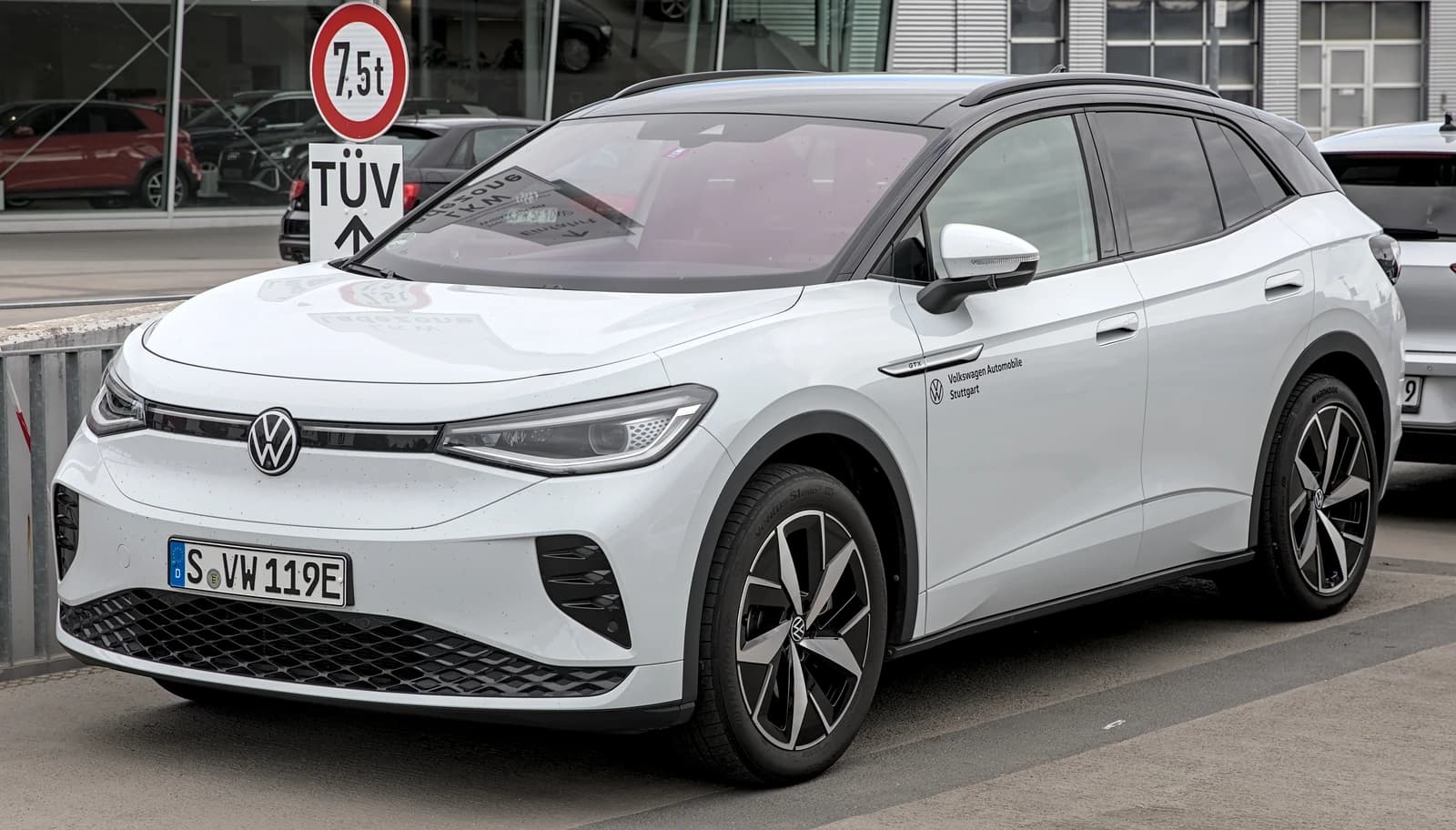
Volkswagen is making a serious bid for the premium SUV market, and the new ID. Era 9X shows why established luxury leaders in Europe should not assume the high-end game belongs to them. The six-seat crossover combines a long-range plug-in hybrid setup, 800-volt architecture and executive-class features at a time when premium buyers are increasingly willing to trade badge loyalty for technology, space and real-world convenience.
Volkswagen ID Era 9X targets China premium SUV buyers
That matters because the luxury SUV category is where automakers still have some pricing power left. In a global auto market pressured by slower demand, higher borrowing costs and a relentless shift toward electrification, the brands that can sell large, expensive vehicles with strong margins have an edge. Volkswagen is not just chasing volume here; it is trying to defend and expand profitability by moving upmarket with a product designed to stand against the BMW X7, Mercedes-Benz GLS and Audi Q7.
Sentiment IndicatorsⓘProprietary · adalytica.com · September 29, 2026
This is a snapshot — live sentiment, awareness and momentum for 130+ markets update continuously in the dashboard.Open AlphaPulse
The ID. Era 9X, developed by SAIC-Volkswagen for China, is built around a serial-hybrid system that lets the wheels run on electric motors while a 1.5-liter gasoline engine acts as a generator. Volkswagen says the battery can deliver about 406 kilometers of electric driving, with total range stretching to 1,651 kilometers on a full tank and charge. That kind of range is not just a technical talking point. For wealthy buyers in large countries, it removes one of the biggest barriers to electrified ownership: range anxiety without forcing a compromise on size or comfort.
The model also leans hard into the premium formula. A six-seat 2+2+2 layout, captain’s chairs, massage and ventilation up front, rear-seat entertainment and air suspension all suggest Volkswagen knows it is selling to buyers who compare equipment as much as they compare badges. Add rear-wheel steering, a turning circle smaller than many compact sedans and the ability to shift ride height for easier entry or rough roads, and the car is clearly meant to feel both indulgent and practical.
The strategic backdrop is just as important as the hardware. BMW Group has been losing ground in China as local rivals squeeze imported premium brands, and Mercedes-Benz faces the same pressure. Volkswagen’s answer is not to retreat, but to localize and retool around the features Chinese buyers value most: extended range, advanced in-car tech and a sense of flagship presence. For investors, that is the more interesting story than the model itself. A stronger premium offering in China could help support margins at a time when the broader industry is fighting price competition and rising development costs.
For Volkswagen stock, the market is still treating the company like a mature industrial name rather than a true premium-tech contender. The U.S.-traded shares remain well below their 200-day moving average, with recent price action showing the kind of volatility that usually reflects skepticism about the turnaround case. That does not make the stock a buy on this headline alone, but it does underscore why product execution matters: if Volkswagen can prove it can win affluent customers with differentiated technology, the market may eventually reward the shift with a higher multiple.
There are risks, of course. The car is arriving in Russia through parallel imports, which limits the immediate financial impact for Volkswagen itself, and the premium EV and hybrid race in China remains fiercely competitive. But the bigger takeaway for long-term investors is more durable: Volkswagen is trying to compete where margins are richest, not where the battle is only about unit sales. If the company can keep building products that combine range, luxury and local relevance, this move could be more important than a single model launch. It is worth watching as a sign of whether Volkswagen can become a stronger premium player over the next several years.
| Entity | Gains | Losses |
|---|---|---|
| Volkswagen | ▲Premium credibility, margin potential | ▼Brand risk if execution slips |
| BMW and Mercedes-Benz | ▲Established luxury volumes | ▼Pressure from new tech-heavy rival |
| Chinese premium buyers | ▲More choice, longer range | ▼Higher competition for status models |
| Volkswagen investors | ▲Possible re-rating over time | ▼Near-term uncertainty and volatility |