Cheap Chinese cars are reshaping the European auto market, and BMW’s chief executive says the answer is not a tariff wall — even as the pressure on German manufacturers grows more acute.
BMW, Volkswagen, Stellantis Face China Auto Pressure
That is the real investment story: Chinese brands are no longer a distant threat, but an increasingly profitable disruptor in Europe’s core market, forcing incumbents to defend share without relying on protectionism. With Chinese automakers already taking nearly 12% of new car sales in Europe, the competitive shock is starting to alter pricing, product strategy and capital allocation across the sector.
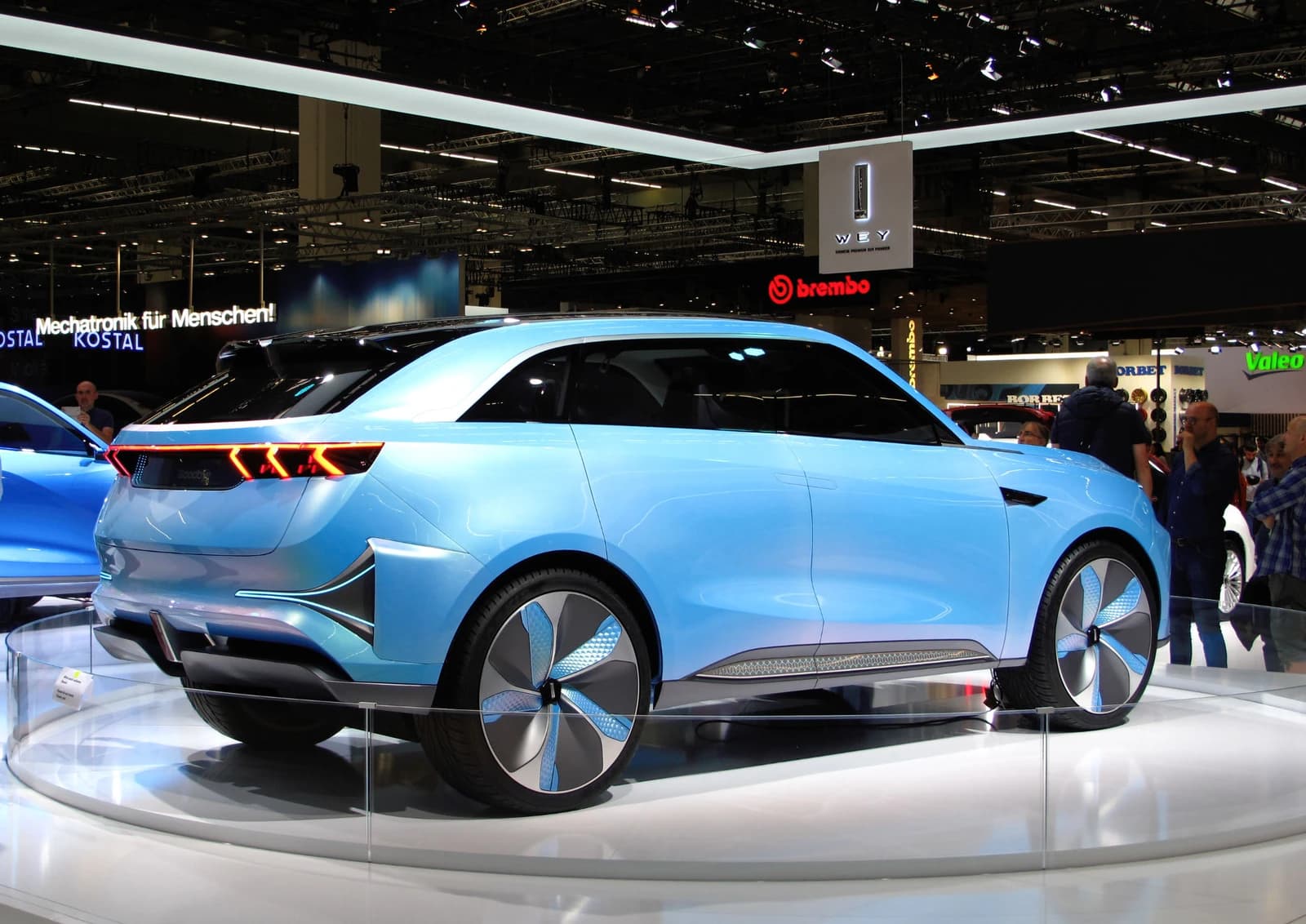
Sentiment IndicatorsⓘProprietary · adalytica.com · September 26, 2026
This is a snapshot — live sentiment, awareness and momentum for 130+ markets update continuously in the dashboard.Open AlphaPulse
For BMW, Volkswagen and Stellantis, the economics are uncomfortable. Europe’s legacy carmakers face weaker export expectations, a still-fragile demand backdrop and a new round of margin pressure from low-priced Chinese models that are improving in quality. The market is underestimating how quickly that combination can compress profitability, especially in mass-market segments where differentiation is thinner and price elasticity is higher.
Tariffs may slow the pace, but they do not solve the structural problem. Chinese manufacturers have built scale, battery know-how and a cost base that gives them room to undercut rivals even after trade barriers. That makes the European auto market less a temporary battleground than a long-term reset in which winners will be the firms that control software, batteries, charging ecosystems and manufacturing efficiency — not those that simply lobby for imports to be taxed.
The latest price action already reflects the strain. BMW’s US-listed shares have slumped to about $21.22, well below their 200-day average of roughly $28.10, while Volkswagen’s ADRs are near $8.15 versus a 200-day average of about $9.90. Stellantis has fallen to $4.60, also under its 200-day trend. Those levels point to a market that is already discounting margin pressure, trade friction and a tougher European demand environment.
The strategic irony is that German industry wants to defend Europe from Chinese competition even as it sees opportunity in China’s upheaval. That tension is likely to keep policy noisy, but investors should focus on the second-order winners: premium European brands with pricing power, suppliers tied to electrification and software, and parts of the value chain that benefit from restructuring rather than volume growth.
For now, the clearest takeaway is that Europe’s auto sector is moving into a more Darwinian phase. If Chinese imports keep gaining share, the real opportunity will not be in predicting tariffs — it will be in owning the companies with enough scale, technology and balance-sheet strength to survive the next round of industry consolidation.
| Entity | Gains | Losses |
|---|---|---|
| Chinese automakers | ▲Europe share gains | ▼Margin pressure from tariffs |
| BMW / Volkswagen / Stellantis | ▲Potential premium positioning | ▼Pricing power erosion |
| EU policymakers | ▲More leverage in trade talks | ▼Higher political friction |
| Auto suppliers tied to EV/software | ▲Secular demand boost | ▼Legacy ICE-dependent volumes |