The European Union is stepping up pressure on China after warning that the bloc’s widening trade deficit is costing thousands of industrial jobs and could force Brussels to use trade-defense tools if talks with Beijing fail.
EU Presses China on Trade Deficit, Tariff Risk
That makes the dispute more than a diplomatic complaint. For Europe’s manufacturers, especially in energy-intensive industries and auto supply chains, the issue is becoming a direct competitiveness problem as Chinese exports continue to flood the market while EU industry faces weak growth, high costs and pressure on margins. For investors, the risk is that the next phase of Europe–China friction moves from rhetoric to tariffs, sector probes and possible retaliation that could reshape flows in autos, clean tech and critical materials.
Sentiment IndicatorsⓘProprietary · adalytica.com · September 28, 2026
This is a snapshot — live sentiment, awareness and momentum for 130+ markets update continuously in the dashboard.Open AlphaPulse
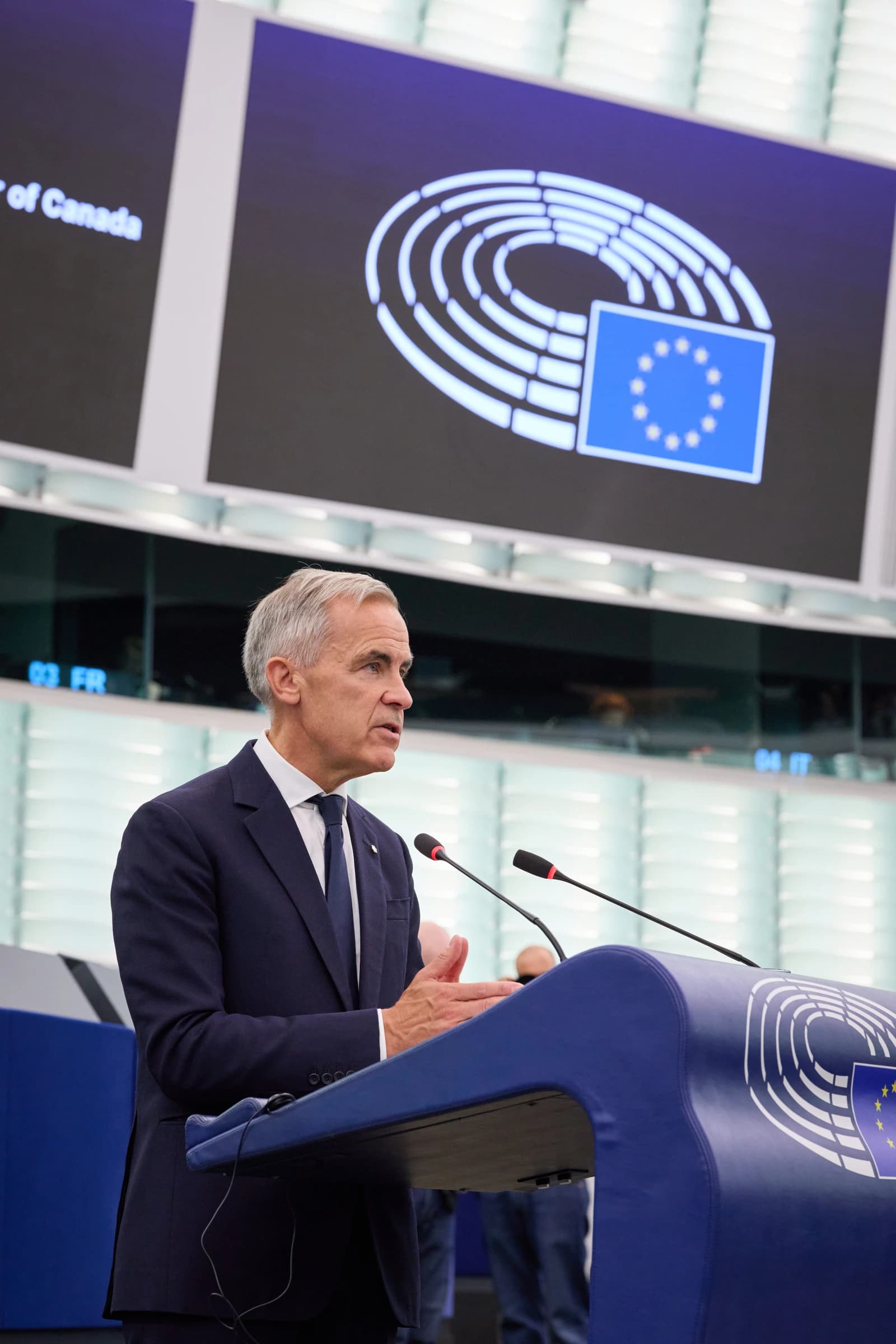
European Commission Executive Vice President Stéphane Séjourné said the EU’s trade deficit with China was running at more than €1 billion a day in July, and warned that Europe is losing “thousands of jobs every week.” He said 250,000 industrial jobs were lost last year, with the heaviest damage concentrated in sectors exposed to Chinese competition, including automobiles and power-intensive industries.
The numbers help explain why the issue has become politically combustible in Brussels. A deficit running at that scale means Europe is not just importing more from China; it is importing more in the very sectors where policymakers want to preserve strategic capacity. That creates pressure on governments to defend domestic production even if doing so risks higher costs for consumers and downstream industries.
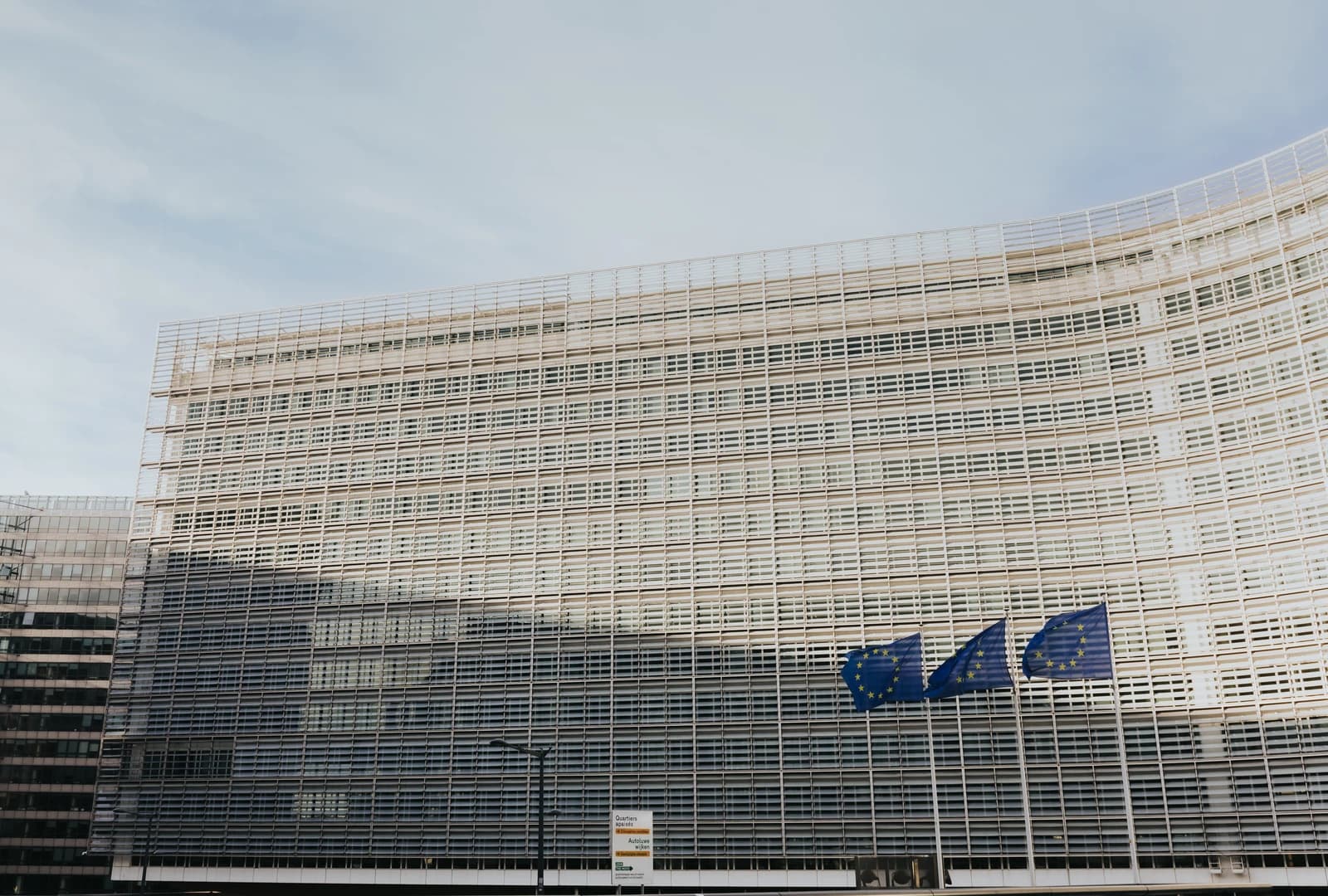
Brussels and Beijing began formal talks in June, with October set as the deadline for “concrete and credible” results. Séjourné said the European Commission wants China to consider sector-by-sector restraint on exports, but Beijing has so far resisted requests for voluntary limits. If negotiations stall, the Commission is prepared to deploy trade-protection instruments, including anti-subsidy tariffs that could hit Chinese electric vehicles and solar panels.
For investors, that is the key policy overhang. European automakers and industrial groups could benefit if Brussels imposes tougher barriers and slows the pace of Chinese imports. But the risk is that China answers with restrictions on rare earth exports, which would hit European industry more broadly, including defense and advanced manufacturing. That makes retaliation potentially more damaging than the original trade imbalance.
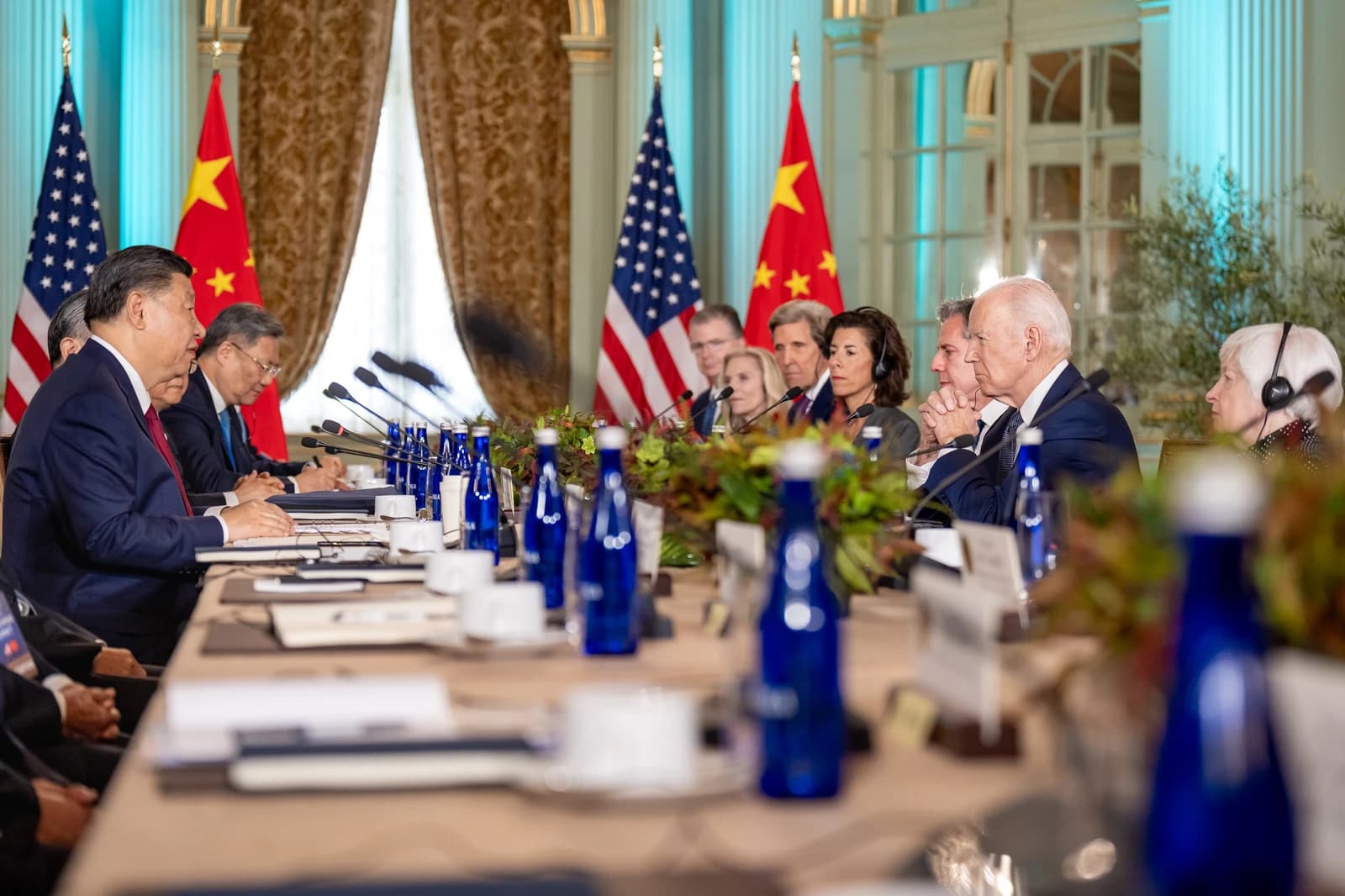
The EU is also watching US–China talks closely. Séjourné said the outcome of the meeting between Xi Jinping and Donald Trump could have direct consequences for Europe, because a renewed US–China tariff war would likely redirect more Chinese goods toward the EU market. In the previous escalation, US tariffs on Chinese imports reached 145% and China’s retaliatory tariffs climbed to 125%, levels that forced exporters to divert shipments elsewhere.
That scenario would amplify the pressure on Europe at the same time it is trying to rebalance its own industrial base. The political message from Brussels is that patience is running out; the market message is that Europe’s trade relationship with China is moving into a more protectionist phase, with consequences for autos, solar, heavy industry and rare earth-dependent supply chains.
| Entity | Gains | Losses |
|---|---|---|
| EU industry | ▲Possible tariff protection | ▼Exposure to cheap imports |
| Chinese exporters | ▲Continued access if talks succeed | ▼Tariffs and EU probes |
| European automakers | ▲Less import pressure | ▼Retaliation risk from Beijing |
| Rare earth importers | ▲Supply stability if diplomacy holds | ▼Higher costs if China restricts exports |