Europe’s push to bring Canada into a much deeper partnership marks one of the clearest signs yet that the transatlantic economy is being rebuilt around security, not just tariffs and trade.
EU and Canada Deepen Strategic Partnership Talks

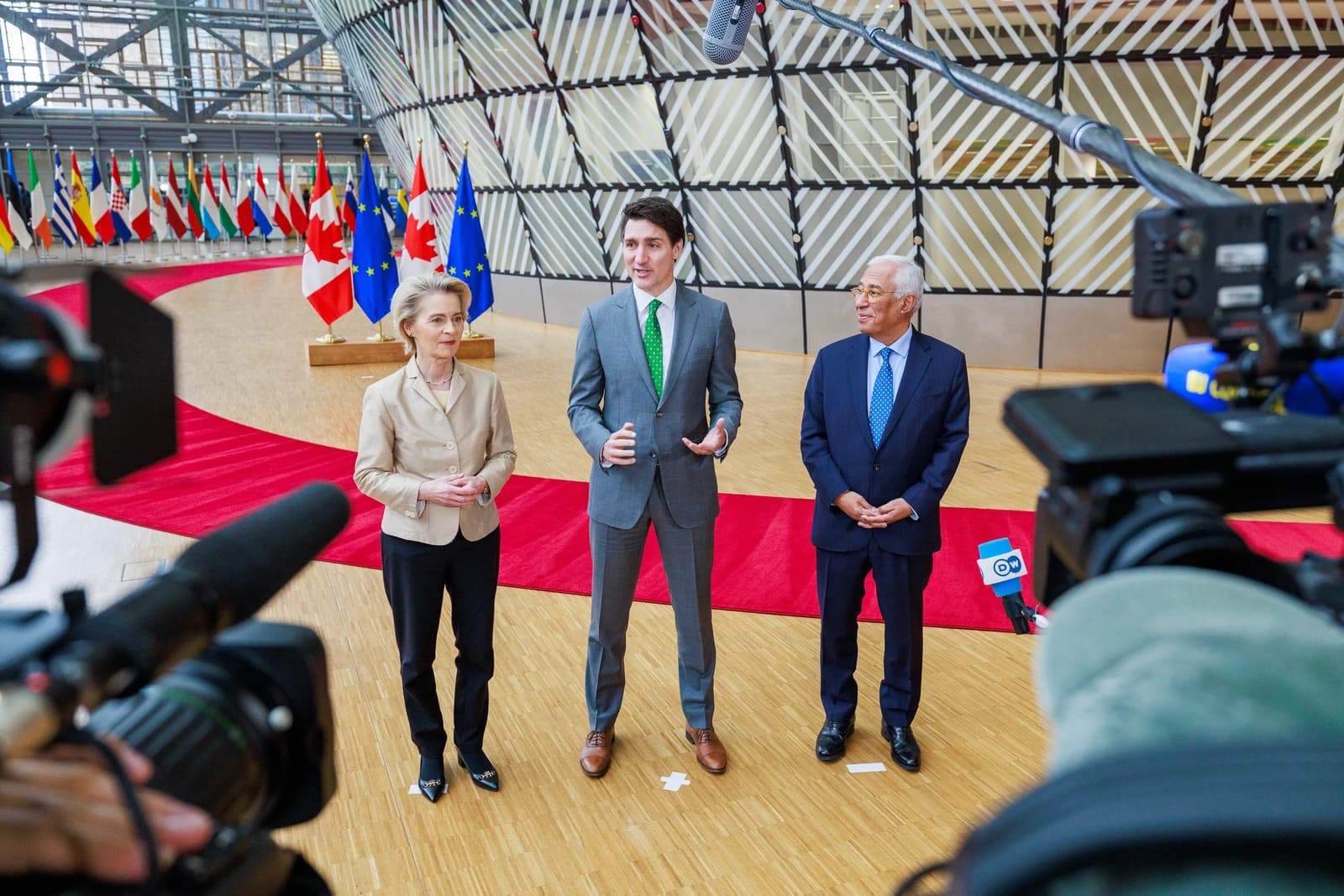
Brussels is no longer treating Canada as simply a CETA success story. The European Commission wants to turn that agreement into something broader — a strategic “Alliance for the Future” that would bind the two sides more closely on defense production, critical minerals, artificial intelligence, quantum computing, cyber security and supply chains. That matters because the old model of open trade alone is looking increasingly inadequate in a world where the U.S.-Canada relationship is under strain, China still dominates key raw materials, and Europe is trying to reduce its own vulnerabilities.
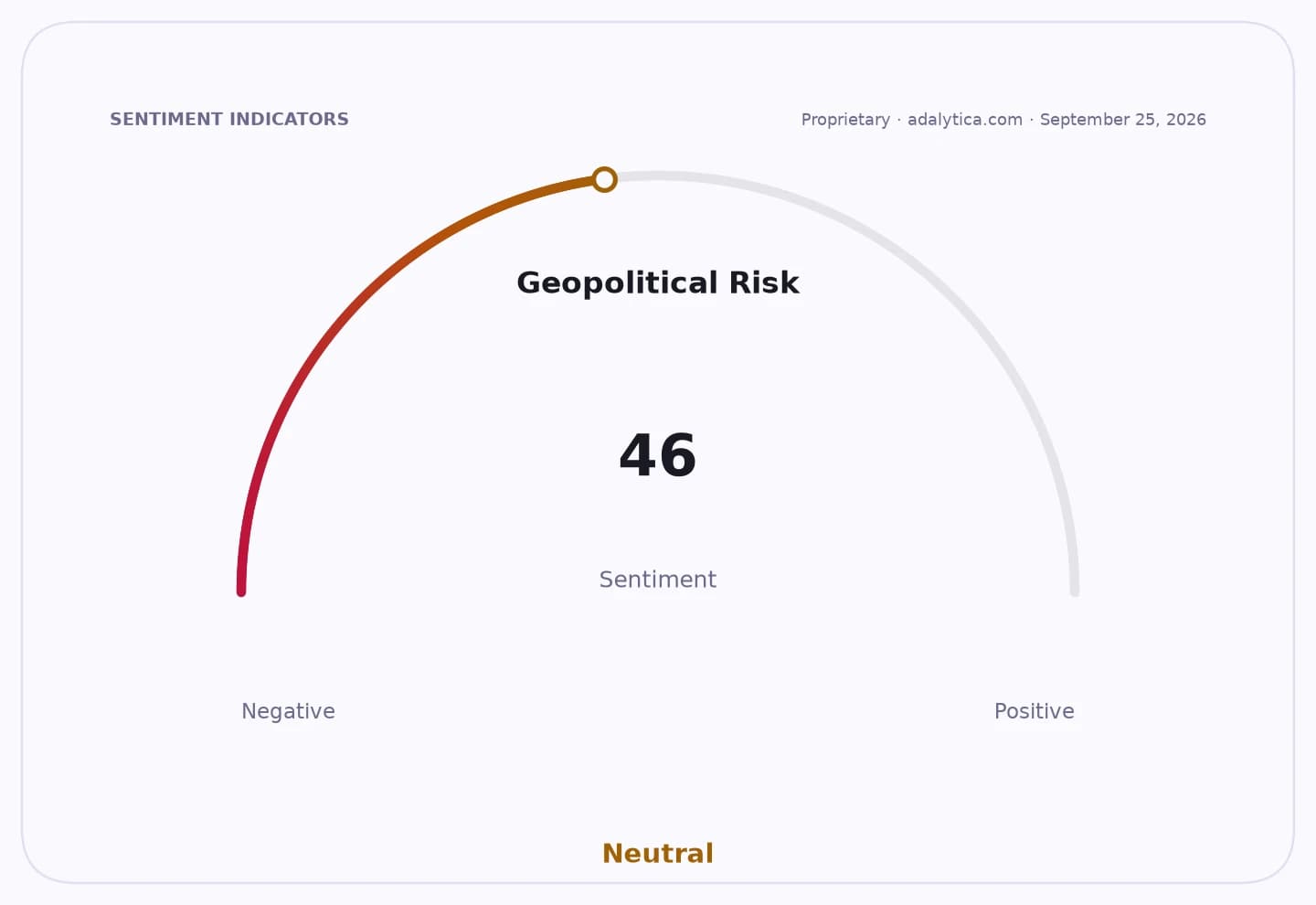
Sentiment IndicatorsⓘProprietary · adalytica.com · September 28, 2026
This is a snapshot — live sentiment, awareness and momentum for 130+ markets update continuously in the dashboard.Open AlphaPulse
The timing is the story. Washington’s escalating trade fight with Ottawa — including new tariffs and import bans hitting Canadian products from alcohol to motorcycles — is a reminder that even one of North America’s most integrated economic relationships can be disrupted quickly. Against that backdrop, the EU is signaling that it wants Canada anchored more tightly to Europe’s industrial and strategic orbit. For investors, that raises the odds of fresh opportunities in defense, mining, clean energy, digital infrastructure and advanced manufacturing.
There is already a commercial base to build on. Von der Leyen said trade in goods between the EU and Canada has risen 75% in less than a decade since CETA took effect. That is an impressive run, but Brussels now wants more than incremental trade growth. It wants resilience. That means more secure access to critical minerals and batteries, more coordination in defense procurement, and potentially deeper cooperation in payments, financial services and digital trade. In other words, this is not just about lowering barriers; it is about building a rules-based economic bloc that can withstand geopolitical shocks.
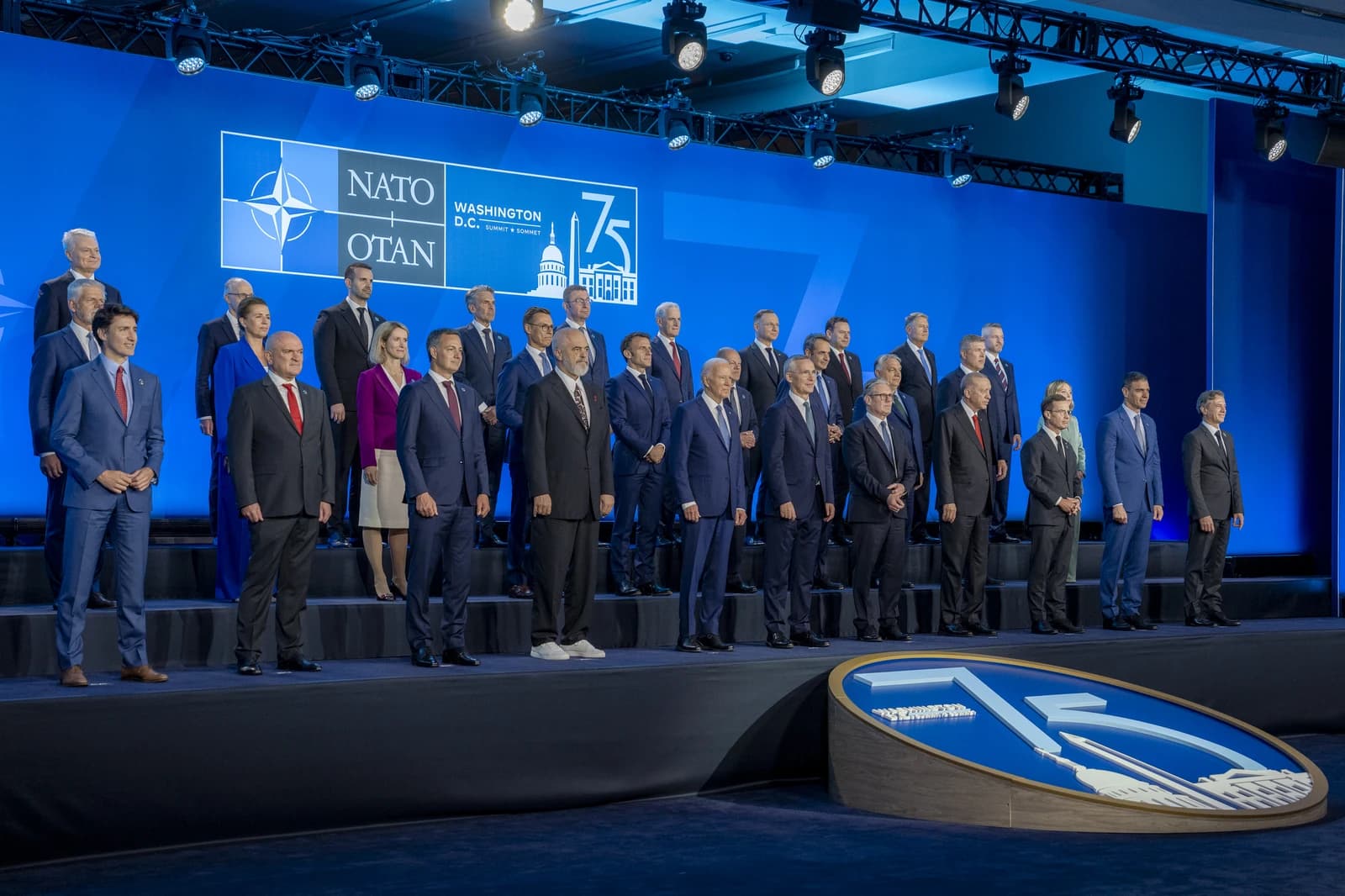
The defense angle is especially important. Europe’s push to integrate its industrial base more closely with Canada’s could support joint procurement and more interoperable supply chains for weapons systems and critical materials. For companies exposed to defense spending, mining and industrial capacity, that is a meaningful long-term theme. Canada brings resources, technology and a NATO-aligned security posture. Europe brings market scale and capital. Together, they could create a stronger non-U.S. pole in Western industrial policy.
The technology piece is just as consequential. By explicitly including AI, quantum, cyber and compute capacity in the conversation, the EU is widening the scope from a trade pact to a standards-setting partnership. That could matter for investors in cloud infrastructure, semiconductors, data security and software ecosystems, especially if Europe and Canada align more closely on regulation and procurement. A larger, more coordinated market would help companies plan around investment cycles instead of tariff cycles.
Critical minerals may be the biggest economic prize. Canada’s resource base gives Europe a possible route to reduce dependence on China in materials used for batteries, electric vehicles, advanced electronics and defense systems. That does not happen overnight, but even the prospect of a more durable EU-Canada supply chain is important for long-term capital allocation. It could favor miners, processors, logistics operators and equipment suppliers that sit in the middle of the clean-energy transition.
The Arctic adds a geopolitical layer that investors should not ignore. Both sides want the region to become a flagship joint project, and that is about far more than symbolism. Arctic shipping routes, energy resources, minerals and military positioning are becoming more relevant as Russia and China compete for influence. Canada has geography and presence; Europe has strategic interest. Their cooperation could eventually touch shipping, energy and infrastructure investment far beyond the far north.
What makes this story different is that Brussels is floating a relationship that sits somewhere between full membership and ordinary partnership. There is no legal template yet for an “associate member” like Canada, which means the idea is still political, not contractual. But that is also what makes it powerful. If it works, it gives Europe a third model: not full accession, not loose trade, but deep strategic integration with trusted democracies.
The next real test comes at the EU-Canada summit in late October, where the two sides are expected to begin defining what this new relationship could look like. Investors should watch for signs that the talk moves from symbolism to procurement, minerals, technology standards and industrial policy. If it does, this could become a template for how Europe builds resilience in the decade ahead — and a quiet but meaningful tailwind for long-term investors positioned in Canada, Europe and the supply chains that connect them.
| Entity | Gains | Losses |
|---|---|---|
| EU and Canada | ▲Deeper strategic integration | ▼Dependence on fragile supply chains |
| Defense and mining firms | ▲New procurement and resource demand | ▼Purely trade-driven business models |
| China | ▲— | ▼Share of critical minerals supply |
| U.S.-Canada trade ties | ▲— | ▼More pressure from tariffs and bans |