Volkswagen’s slump is turning into a capital-markets story as much as an industrial one: the German carmaker is being pushed to prune assets, while premium brands Ducati and Lamborghini are emerging as the clearest candidates for a break-up that could unlock value and help fund restructuring.
Volkswagen asset sales eyed for Ducati and Lamborghini
That matters because Europe’s auto industry is no longer fighting a cyclical dip but a structural reset. Stefano Aversa, chairman EMEA and global vice chairman at AlixPartners, says the sector has been in steady decline since 2019 and has still not regained pre-pandemic volumes. At the same time, Chinese brands have already taken about 70% of sales at home, and are moving rapidly into Europe with local plants and acquisitions. In that environment, Volkswagen’s exit from the Euro Stoxx 50 is more than symbolism: it reflects how far the old manufacturing model has fallen behind.
Sentiment IndicatorsⓘProprietary · adalytica.com · September 25, 2026
This is a snapshot — live sentiment, awareness and momentum for 130+ markets update continuously in the dashboard.Open AlphaPulse
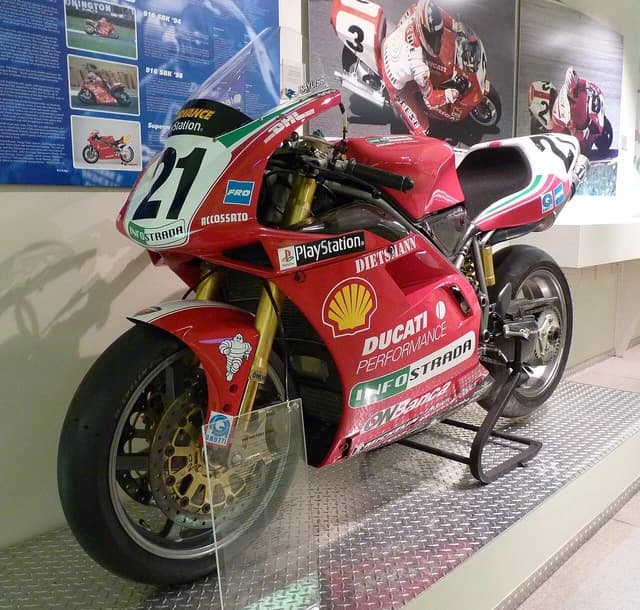
For investors, the implication is blunt. The market is valuing Volkswagen as a wounded industrial conglomerate when parts of its portfolio look more like standalone luxury franchises. Ducati, Aversa argues, is no longer core to Wolfsburg and would likely attract private equity interest. The motorcycle business remains relatively under-electrified, giving buyers room to chase growth and margins without the heavy capex burden of mass-market autos. That makes it a plausible sale asset in a sector where buyers are hunting for brands, not factories.
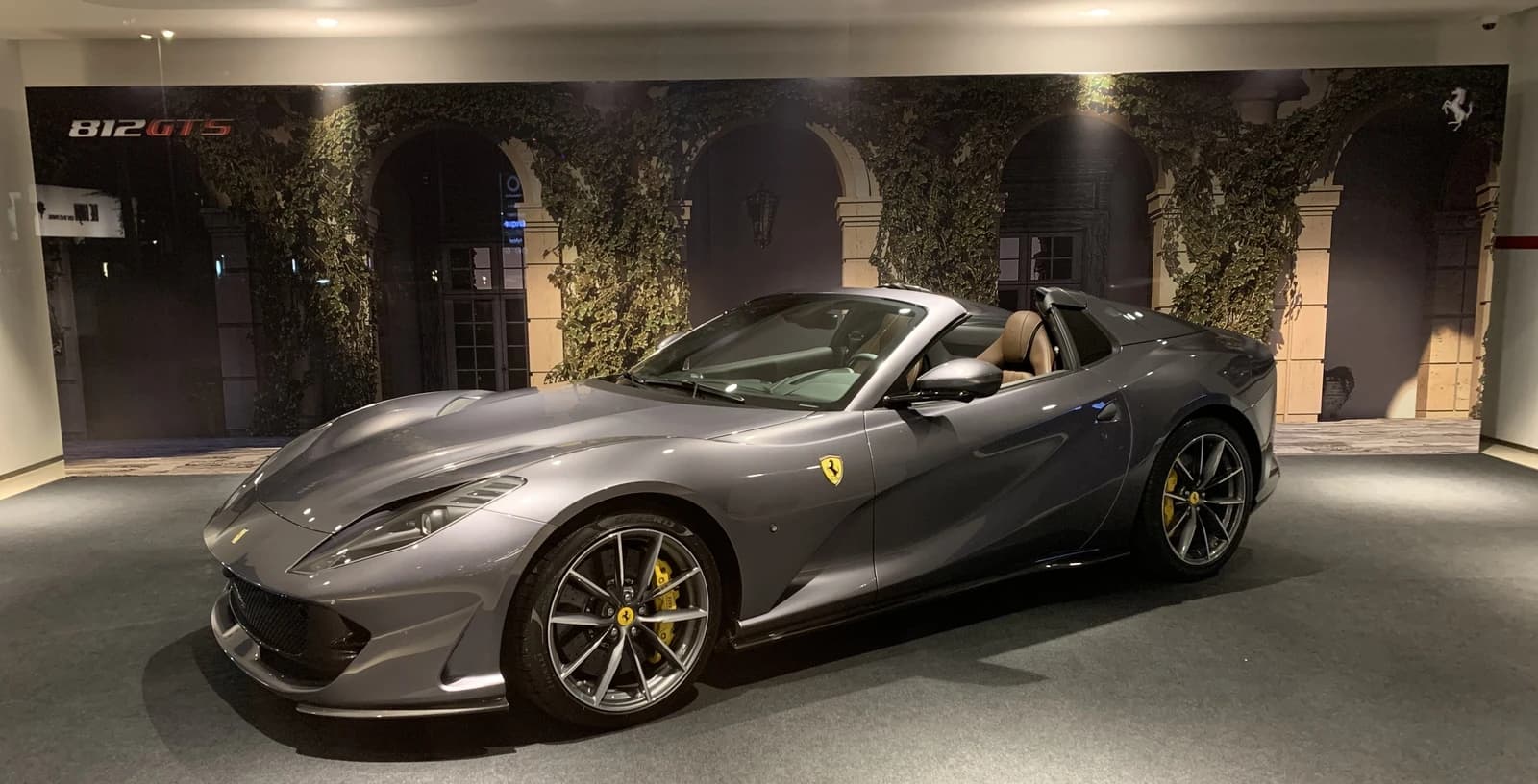
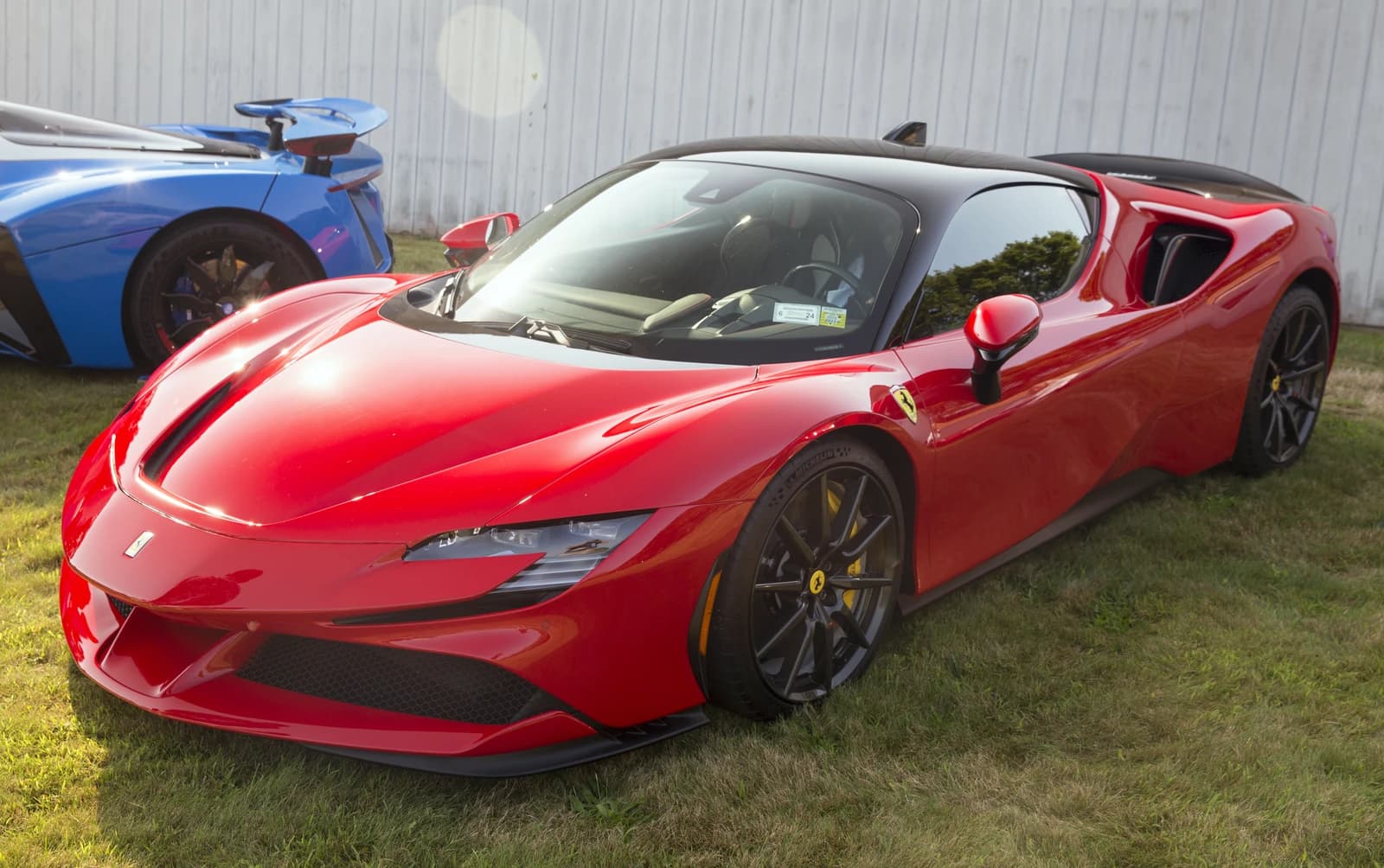
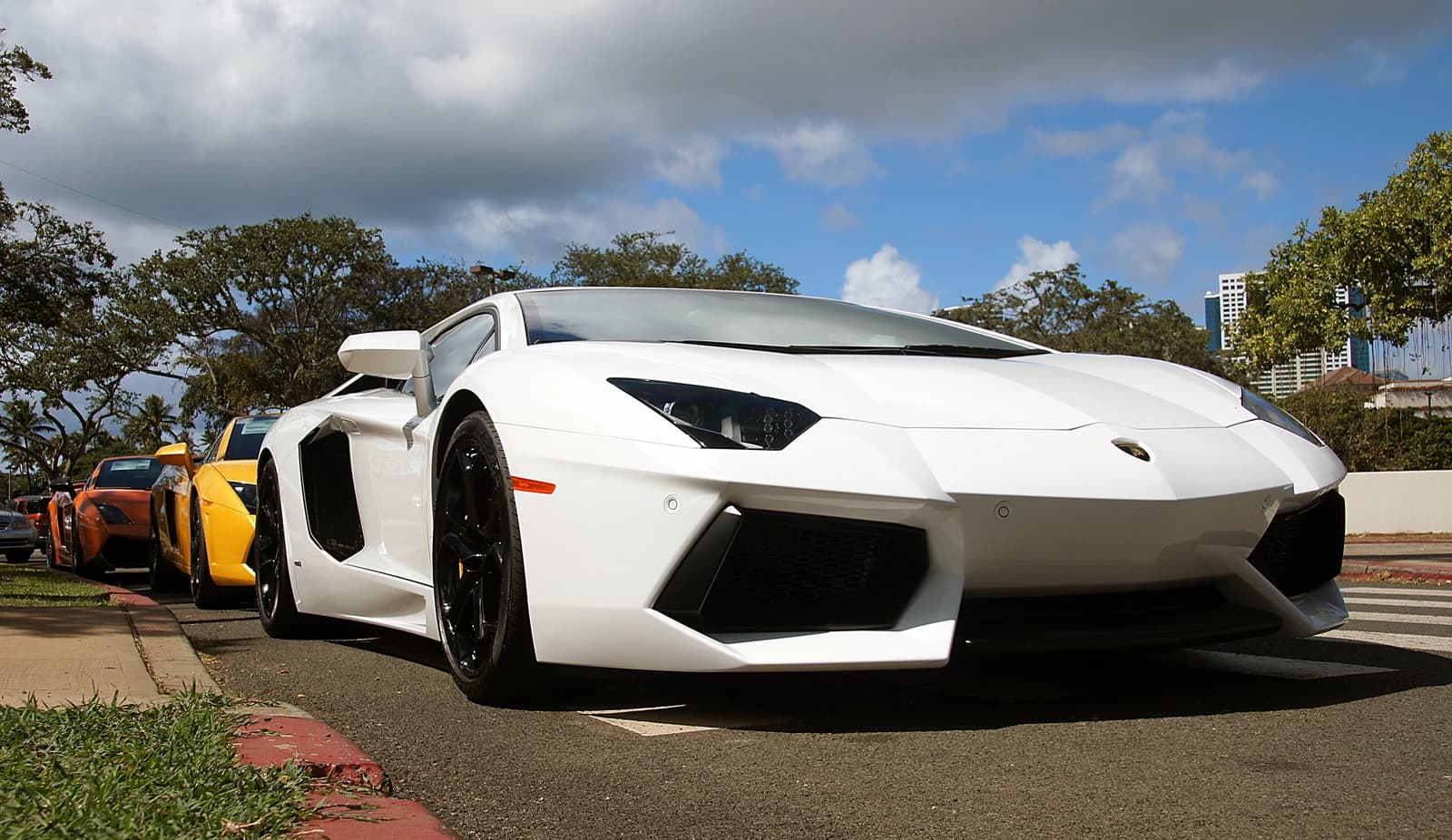
Lamborghini is the more powerful prize. With margins said to resemble Ferrari’s and a product lineup broadened by the Urus SUV, the brand has the ingredients for a premium valuation if it is separated and listed, potentially on the New York Stock Exchange. The market knows the Ferrari playbook: turn a carmaker into a scarcity asset, price it as a luxury house, and let public investors pay for brand power and earnings visibility. Aversa’s argument is that Lamborghini could command similar treatment, with multiples closer to Kering or LVMH than to a traditional automaker.
The strategic logic is also political. Berlin’s industrial strain, IG Metall’s strike action and the broader push in Brussels for “Made in Europe” rules underscore how exposed the continent is to Chinese competition. But tariffs and local-content rules may only buy time. Aversa’s warning is that Chinese makers could be competitive across almost every segment within five to 10 years. That makes asset sales, not just cost cuts, the rational response for legacy European groups trying to survive the transition.
The defense conversion idea, by contrast, looks too small to matter at scale. Aversa dismisses it as a mismatch between automotive production volumes and military demand, suggesting Europe’s real upside lies more in logistics, battery recycling and niche drone manufacturing than in a wholesale redeployment of car plants.
The investable message is clear: Volkswagen may be entering the kind of portfolio reshaping that creates winners even inside a crisis. The opportunity is in the valuable parts the market has not fully priced — and in the suppliers, private equity firms and luxury investors positioned to benefit if Wolfsburg starts selling, not just cutting.
| Entity | Gains | Losses |
|---|---|---|
| Lamborghini | ▲Standalone luxury valuation | ▼Volkswagen conglomerate discount |
| Ducati | ▲Private equity takeover appeal | ▼VW’s non-core asset base |
| Ferrari | ▲Stronger premium-comparison benchmark | ▼None |
| Volkswagen | ▲Proceeds from disposals, simpler structure | ▼Scale, legacy portfolio control |