Ferrari’s ASEAN debut of the Amalfi Spider in Kuala Lumpur underscores a resilient market for ultra-luxury cars in Southeast Asia, even as broader consumer sentiment remains cautious and foreign exchange volatility keeps imported goods expensive.
Ferrari Amalfi Spider Debuts in Malaysia
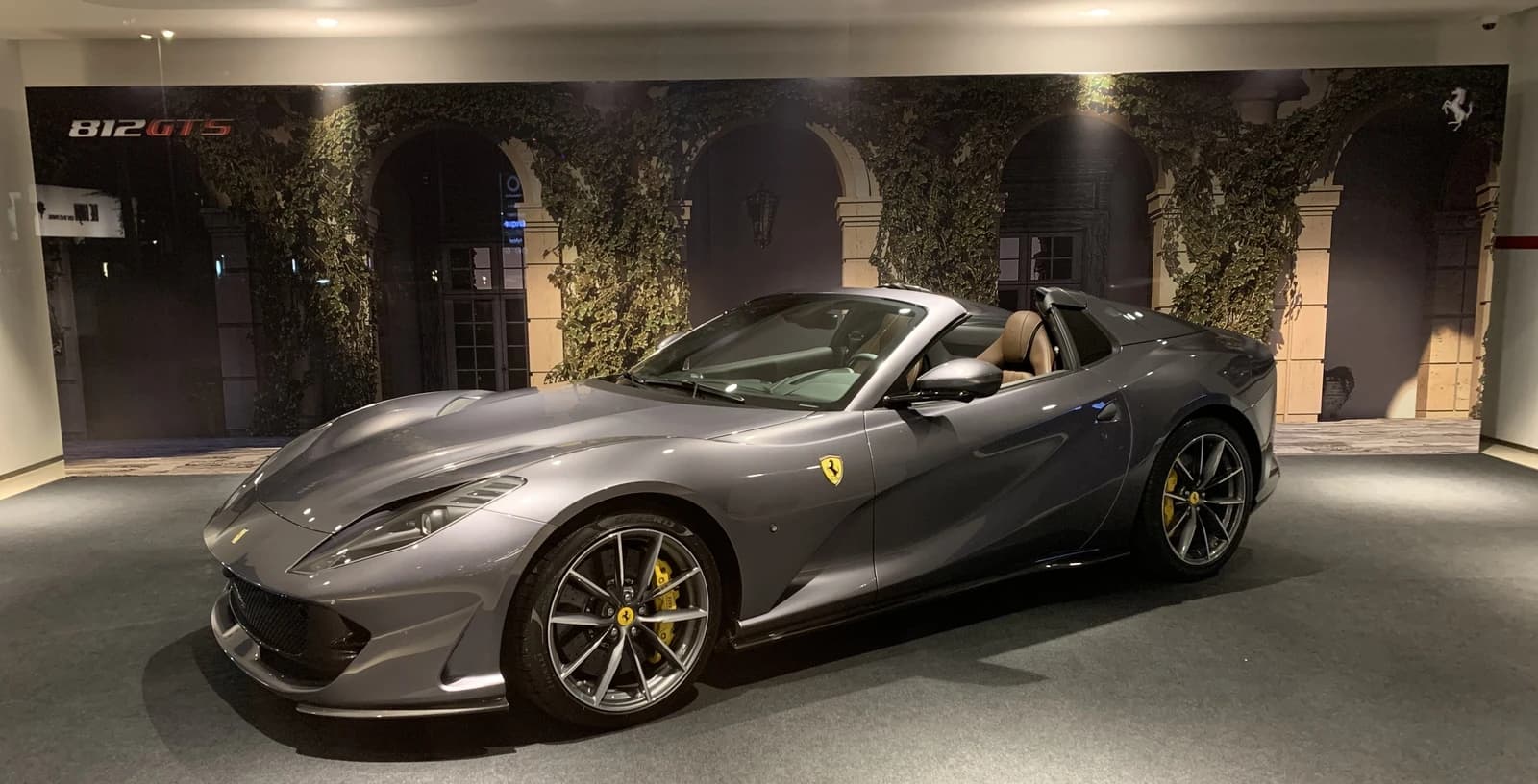
The launch matters because Ferrari is not chasing volume here; it is defending pricing power. With the Amalfi Spider expected to land in Malaysia at above RM3 million before customization, registration and insurance, the car sits in a segment where demand is driven by wealth creation, brand scarcity and status rather than the economic cycle. For investors, that makes Ferrari’s regional rollout a gauge of how much spending power still exists among Southeast Asia’s affluent buyers, and whether premium automakers can keep pushing higher ticket prices without denting demand.
Sentiment IndicatorsⓘProprietary · adalytica.com · September 17, 2026
This is a snapshot — live sentiment, awareness and momentum for 130+ markets update continuously in the dashboard.Open AlphaPulse
The new open-top grand tourer arrives just months after its global reveal and marks the regional introduction of the convertible version of the Amalfi, which first made its ASEAN debut in March. The car is effectively a revised Roma Spider, but Ferrari has added enough mechanical and cosmetic updates to keep the model line fresh: a 3.9-litre twin-turbo V8 with 640 PS and 760 Nm, a revised eight-speed dual-clutch transmission, a 3.3-second sprint to 100 km/h and a 320 km/h top speed. In a segment where buyers pay for exclusivity as much as engineering, that mix supports Ferrari’s ability to preserve margins while rolling out new metal.
The pricing floor is especially important. Ferrari gave no official Malaysian sticker for the Spider, only saying it would be in the RM3 million-plus range after duties and taxes, but before options. That puts it above the RM3.2 million quoted for the older Roma Spider when it launched in Malaysia in 2023, showing how luxury auto makers continue to pass through higher costs and stronger product positioning to customers with little apparent resistance. In a market weakened by the fear-heavy backdrop reflected in broader equity sentiment, that kind of resilience stands out.
For Ferrari, regional launches like this are about more than showroom theatre. Southeast Asia is a useful profit pool: smaller than China or the U.S., but wealthy enough to absorb high-margin inventory and brand-building enough to sustain long-term desirability. For dealers, the launch helps keep order books alive. For competitors, it is a reminder that the ultra-premium niche remains one of the few places in autos where pricing discipline still works.
The bigger investment takeaway is that Ferrari’s business model remains built for an environment of selective spending, not mass-market growth. If ASEAN buyers keep paying RM3 million-plus for a two-seat-plus-two soft top with a V8, the market is still rewarding scarcity, performance and brand equity. That is why Ferrari remains one of the cleanest ways to own the global luxury-meets-mobility theme — and why the next catalyst will be whether similar pricing power holds across the rest of its lineup and into new regional launches.
| Entity | Gains | Losses |
|---|---|---|
| Ferrari | ▲Higher-margin exclusivity | ▼Volume growth limits |
| Ferrari dealers in Malaysia | ▲Stronger showroom traffic | ▼Inventory carrying costs |
| Wealthy ASEAN buyers | ▲Access to new halo model | ▼Higher import-tax burden |
| Rival luxury automakers | ▲Benchmark for premium pricing | ▼Share of affluent buyers |